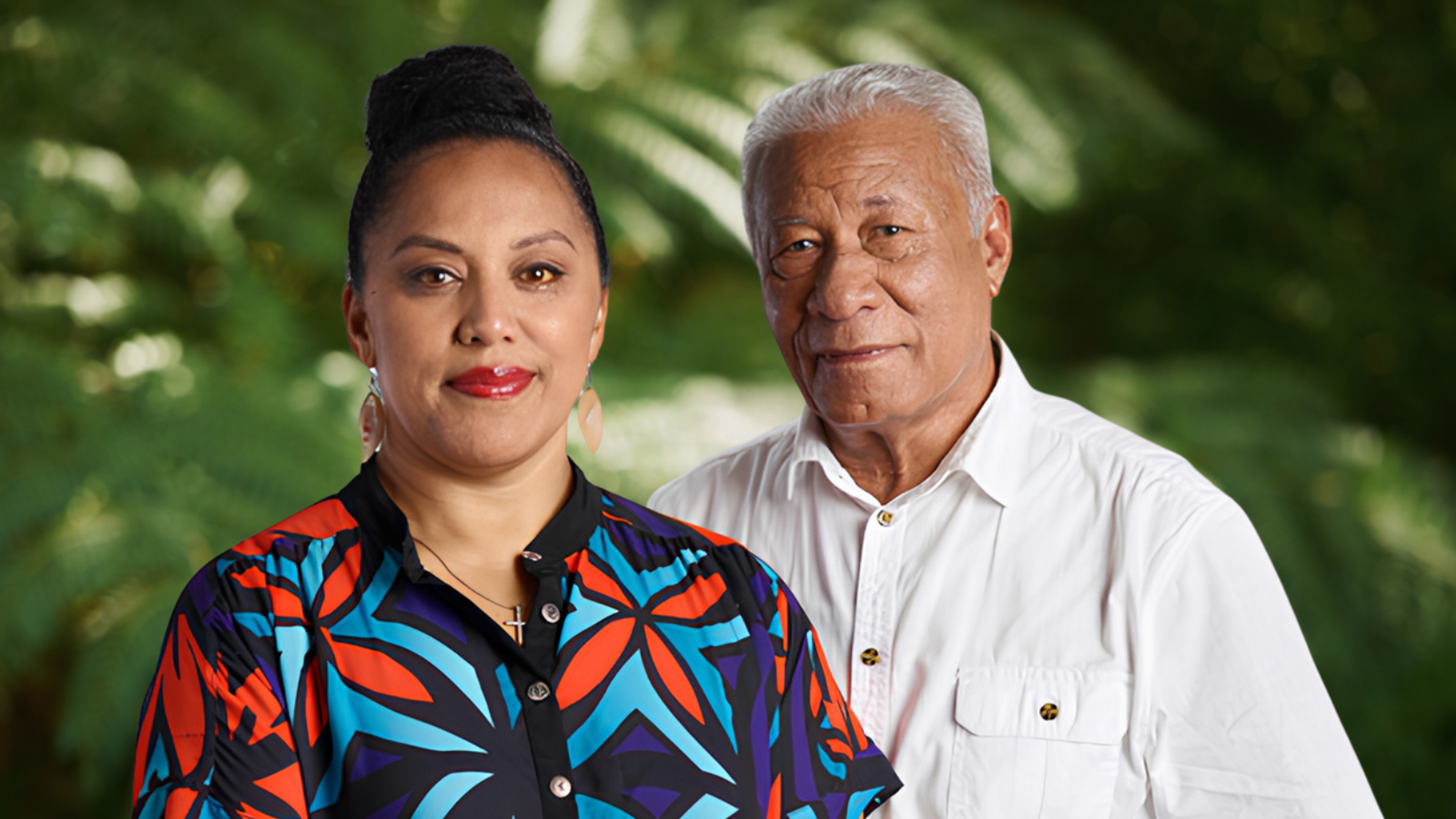
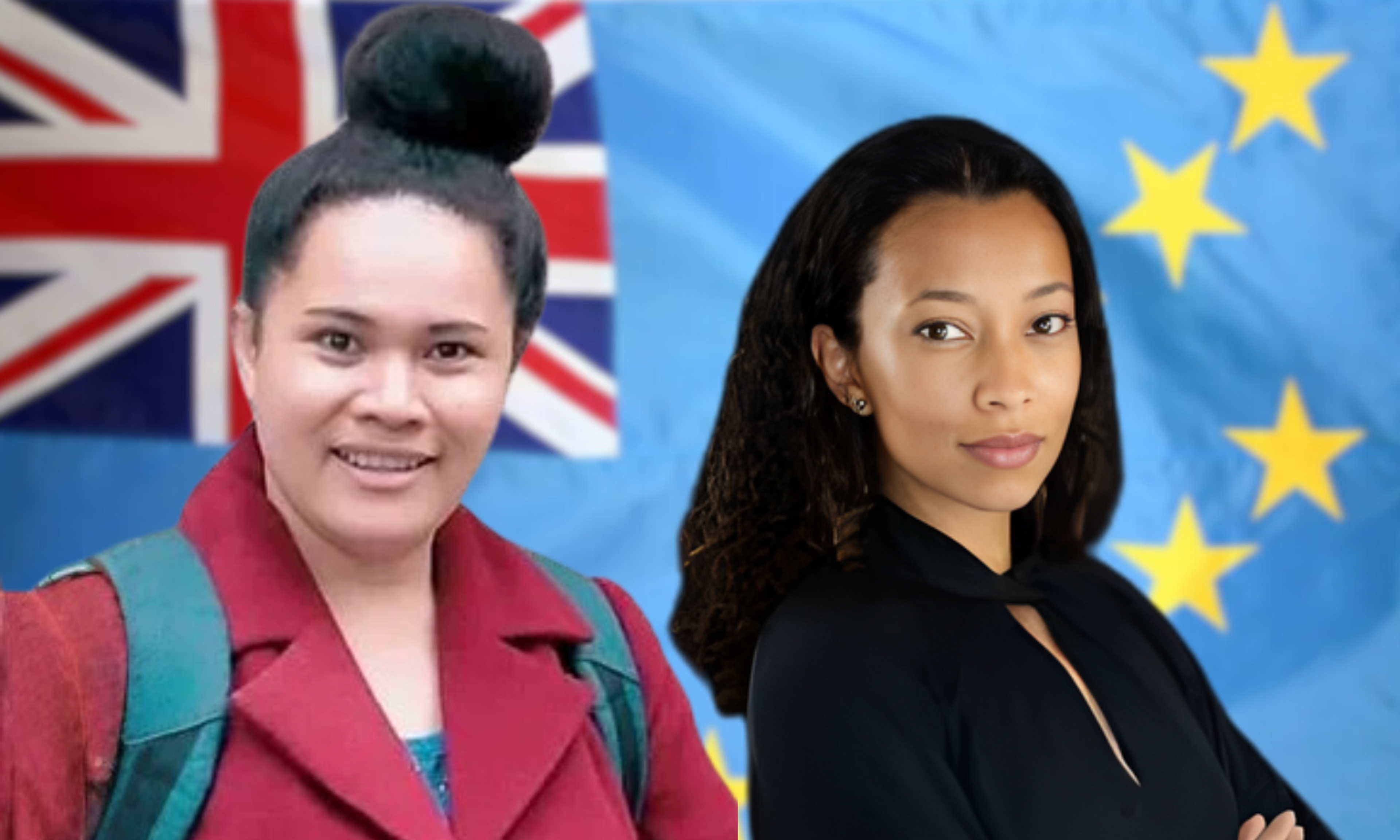
PhD candidate Lisepa Paeniu, left, and LLM student Naima Taafaki-Fifita discuss their recent presentations at a Pacific Legal Order conference
Photo/PMN News Composite Image
Politics
Tuvaluan legal scholars explore constitutional reform and storytelling at Auckland law event
Two Otago-based researchers examine Tuvalu’s constitutional direction, the Falepili Union agreement, and the importance of Pacific voices leading Pacific conversations.

PMN News
Published
04 March 2026, 10:43am
Share
Copy Link
Top stories

Top stories
Emerging Tuvaluan legal scholars are challenging aspects of their country’s constitutional process, calling for an independent review and urging a shift away from what they describe as “neo-colonial” consultancy in shaping the nation’s future.
Speaking with Fala Haulagi on PMN Tuvalu, PhD candidate Lisepa Paeniu and LLM student Naima Taafaki-Fifita discuss their recent presentations at a Pacific Legal Order conference.
The pair spoke at an Auckland University event that was part of Pacific Law Week and voiced perspectives they say are often silenced or overlooked by government-led processes back home.
Lisepa Paeniu, who is currently pursuing her PhD at the University of Otago, presented a critical look at the Tuvalu Constitution.
While she acknowledges Tuvalu’s global leadership in securing permanent maritime boundaries and statehood in the face of sea-level rise, she warns that human rights protections are lagging behind international legal wins.
"When it comes to other issues, we're like a century behind," Paeniu tells PMN Tuvalu.
Watch full interview on the PMN Tuvalu Facebook page
She specifically highlighted the controversial omission of protections for sexual orientation and gender identity in the latest discrimination clauses. Paeniu says the current constitutional review process is flawed because it is controlled by the the politicians it is meant to govern.
She advocates for a radical change, calling for an independent body to lead constitutional reforms.
"It shouldn’t have been MPs, otherwise, it’s just going to be in the hands of a few men," says Paeniu.
Naima Taafaki-Fifita, who is completing her Master’s in Law with a focus on the Falepili Union (the Tuvalu-Australia Migration agreement), discussed what many have labelled a "climate visa".
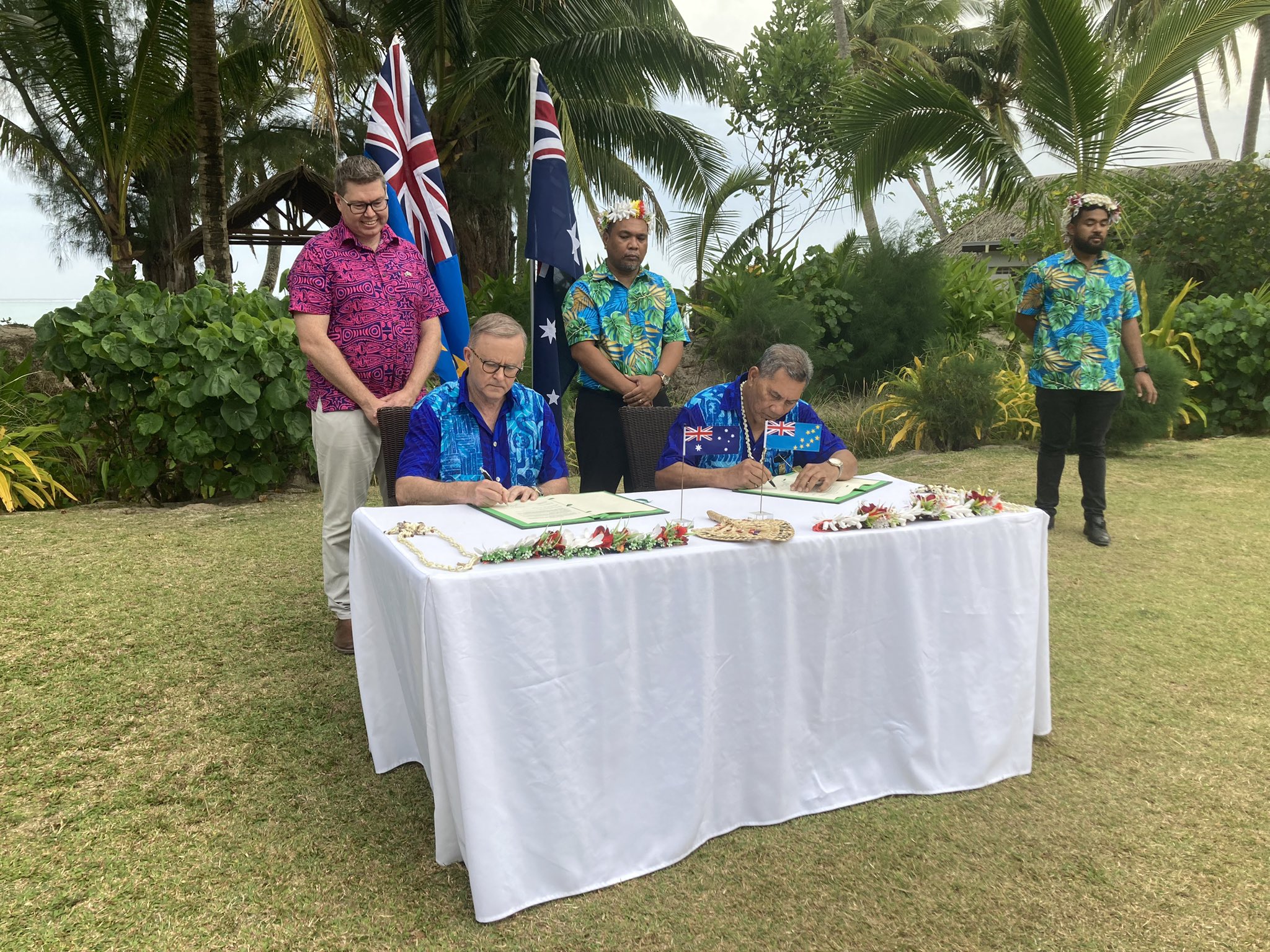
Australia's Prime Minister Anthony Albanese, seated left, and his Tuvalu counterpart, Kausea Natano, seated righ, signed a treaty known as the ‘Falepili Union’ in 2023. Photo/Anthony Albanese.
Taafaki-Fifita says there is widespread criticism that the agreement is "not a climate justice treaty" because it fails to regulate emissions or address historical inequalities.
However, she says that for Tuvaluans on the ground, the agreement represents a "deliberate legal strategy" in an unjust world.
Taafaki-Fifita says that the treaty formalises mobility as a binding obligation rather than a "one-sided grace" from Australia, providing Tuvaluans with permanent, predictable pathways for education and healthcare.
She says the arrangement must evolve from Falepili (good neighbourliness, care and mutual respect) to Tuakoi (a deeper, reciprocal ethical partnership) to ensure that movement does not sever the bond to family and land.
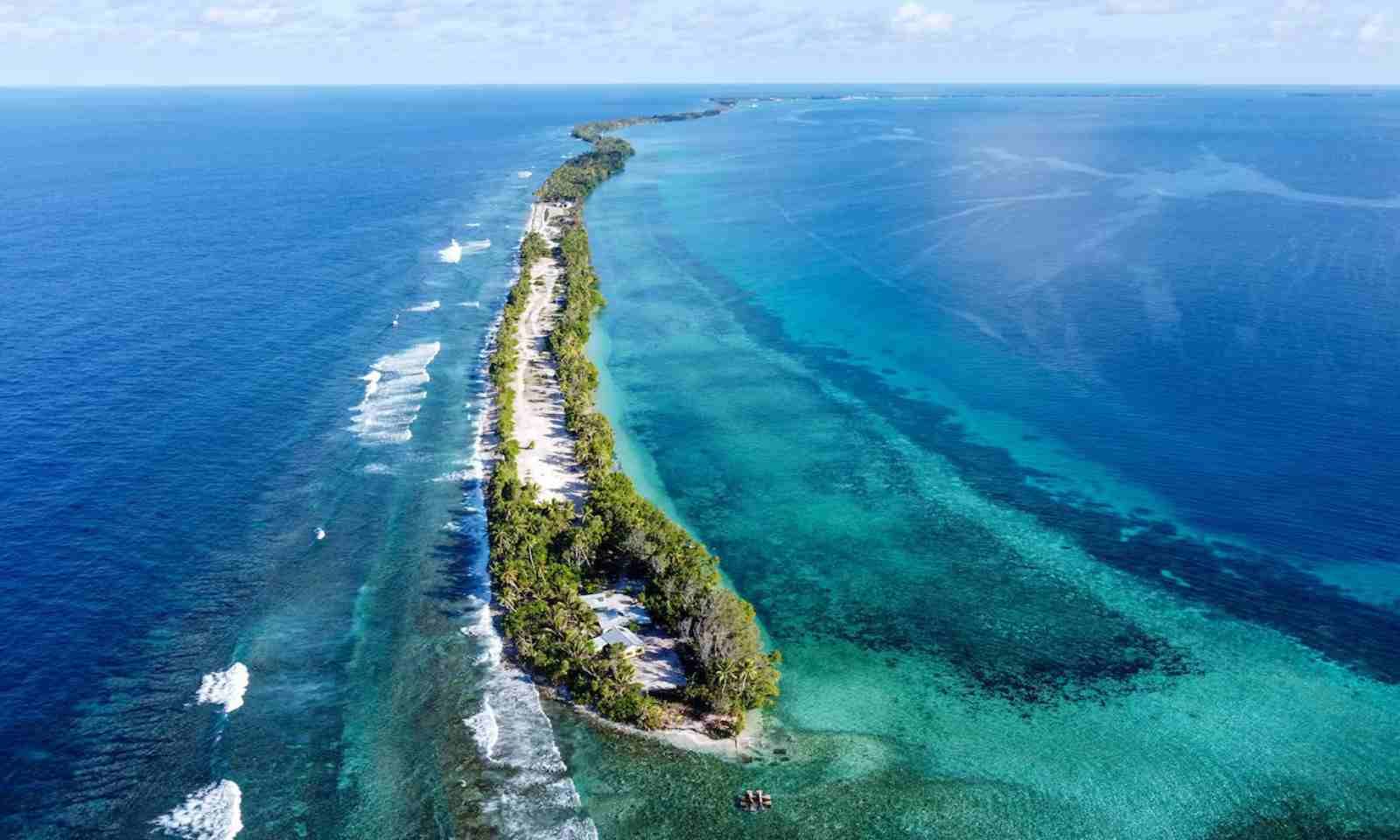
Tuvalu is among Pacific island nations being vulnerable and isolated in the face of a massive ocean and climate threat. Pictured is Fongafale, the main island of Funafuti in Tuvalu. Photo/Supplied.
The central message from both scholars was a call for Tuvaluans, especially the younger generation, to reclaim their own stories.
Taafaki-Fifita says there is frustration with the "consultants crawling around Tuvalu," describing the reliance on outside experts as a form of "continued colonialism" .
"Write your own story. Stop letting other people tell your story," says Taafaki-Fifita.
Both women believe Tuvaluans have the skills to do their own research and speak up for themselves, without the need for foreign experts or outside groups to do it for them.
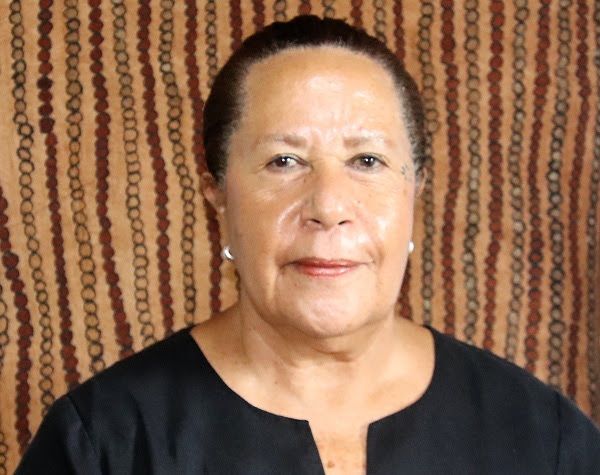
Dame Meg Taylor, a distinguished Pacific leader, diplomat and former Secretary General of the Pacific Islands Forum, delivered the Olive Malienafau Nelson public lecture during Pacific Law Week at Auckland University. Photo/Supplied.
Former Pacific Islands Forum Secretary General Dame Meg Taylor delivered the Olive Malienafau Nelson public lecture during Pacific Law Week on the Blue Pacific continent, exploring how Pacific nations have historically used legal tools to protect their sovereignty and ocean resources.
Dame Meg Taylor says while colonial exploitation and nuclear testing left lasting “scars” across the Pacific, the region has never been passive. She points to Pacific-led legal and diplomatic initiatives as evidence that small island states can shape international law when they act collectively.