Free education pledge inspires Solomons students in Aotearoa
Lachlan EddieMon, 19 Oct
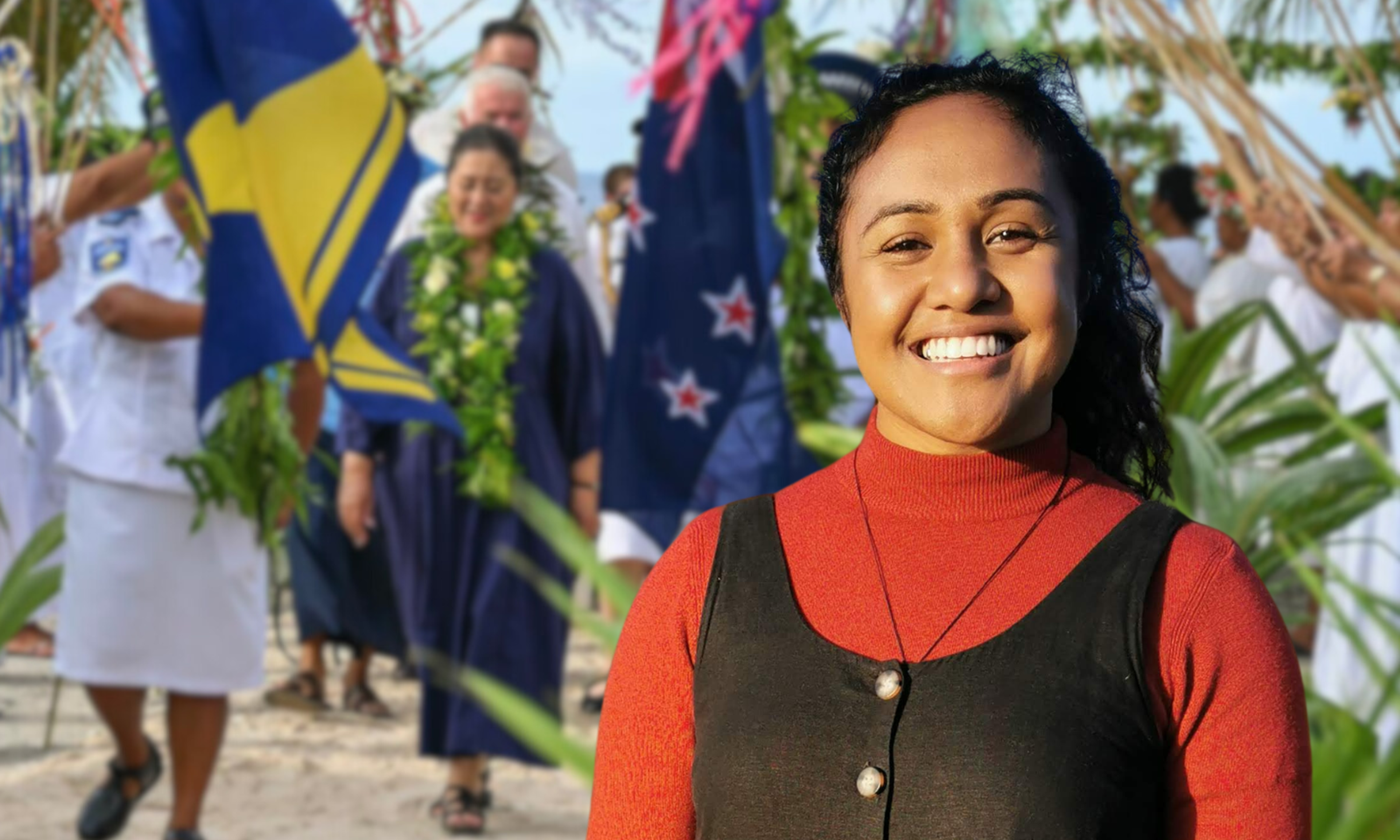
Tagimamao Melanie Puka Bean, an assistant professor at the University of Utah, is a New Zealand-born tagata Tokelau.
Photo/Supplied/Governor-General of New Zealand Facebook page
More Tokelauans live in New Zealand than at home. As the country marks a century of this relationship, what happens next and who decides?

One hundred years after Tokelau was annexed to New Zealand, more Tokelauans now live in Aotearoa than on the atolls themselves, which a tagata Tokelau scholar says reflects the shadow of colonial legacies.
February marked a century since Britain handed administration of Tokelau to New Zealand in 1926. Sovereignty was transferred under the 1948 Tokelau Act, granting New Zealand citizenship.
Tagimamao Melanie Puka Bean, who has ties to Atafu and Fakaofo in Tokelau, is an assistant professor at the University of Utah. Speaking on Pacific Mornings, she says citizenship masks a persistent imbalance.
“The decision-making power that New Zealand has and the decision-making power that Tokelau has is very different, and it is very much shaped by that colonial imperial logic that continues to constrain the way that Tokelau makes decisions today.”
She says New Zealand “holds the purse strings,” pointing to the government’s decision to abandon plans for an airstrip.
Today, roughly 8600 Tokelauans live in New Zealand, compared with 1576 on the atolls, according to Census figures. Much of this shift was policy-driven.
Watch Tagimamao Melanie Puka Bean's full interview below.
From 1966, the New Zealand government encouraged resettlement to meet labour shortages, largely placing families in Taupō and Rotorua for forestry work, while a scholarship scheme sent 186 Tokelau students to New Zealand between 1963 and 1982. Many did not return.
“The outward part was facilitated, the return part was not,” Tagimamao says. Her own parents were among those sent to the Wairarapa as children.
Colonial borders further divided communities. The atoll of Olohega was annexed by the United States in 1925 and became part of American Sāmoa.
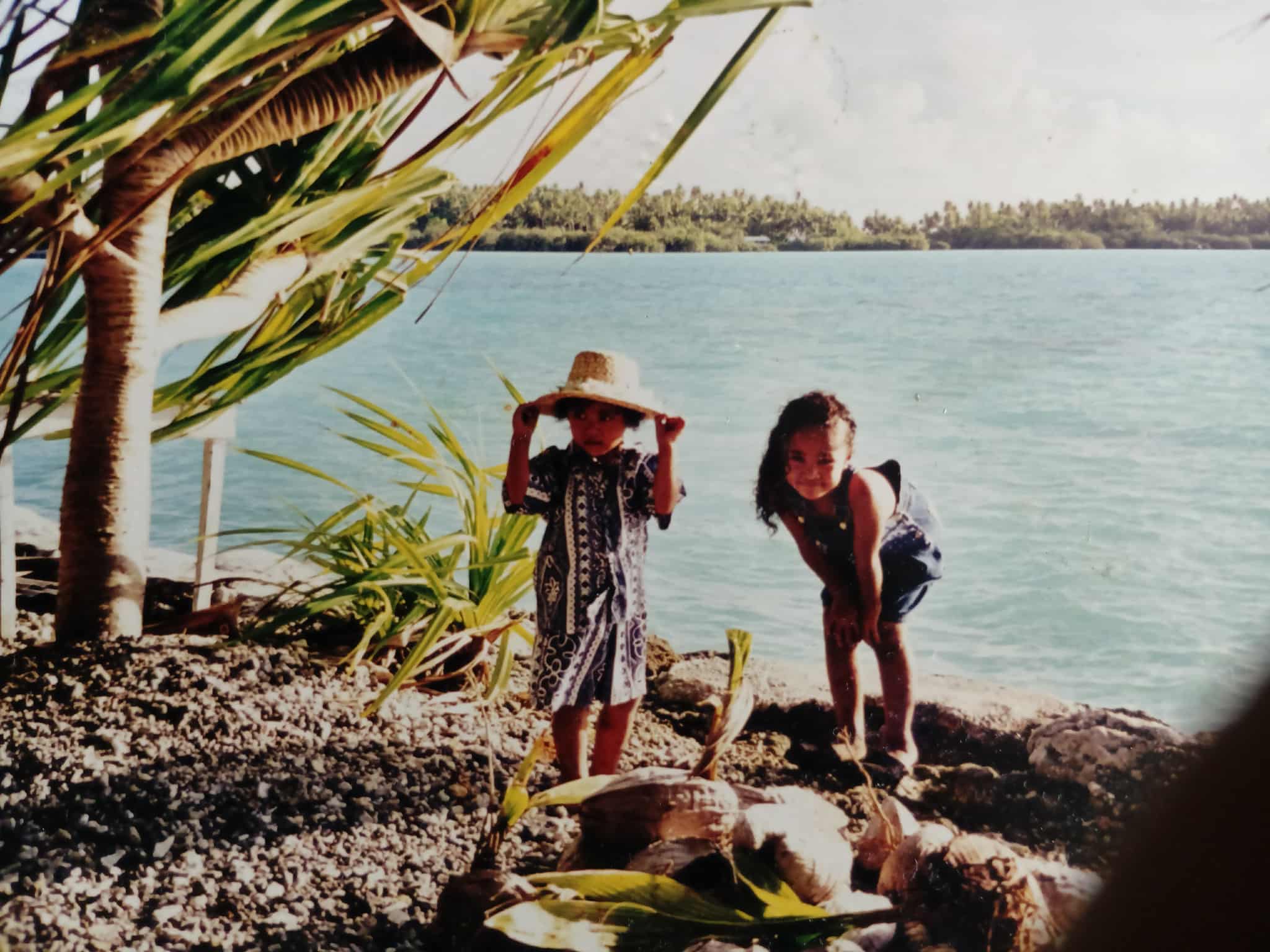
Melanie with her brother, Antonio, in Atafu, Tokelau, in 1999, when the Puka family lived there for a year. Photo/Supplied
“There's a whole population on the U.S. side of the border that is deeply impacted. There's a border that runs right through our community,” Tagimamao says.
As climate change threatens low-lying atolls, she says discussions about Tokelau’s future should consider returning to their historic ties with Olohega, a higher atoll with freshwater and waters rich with tuna. “Olohega was traditionally a resource base for Tokelau, and I wonder what self-determination could look like with a sustainable resource base at our disposal.”
In May 2022, Tokelau and New Zealand revived talks on self-determination. Speaking at the United Nations, Justin Fepuleai, New Zealand’s deputy permanent representative, said the discussions aim for an outcome “that fits the Tokelauan context and has the support of the people.”
He highlighted fisheries, Tokelau’s main source of independent revenue, and ongoing dialogue on modernising laws, judicial, and police services.
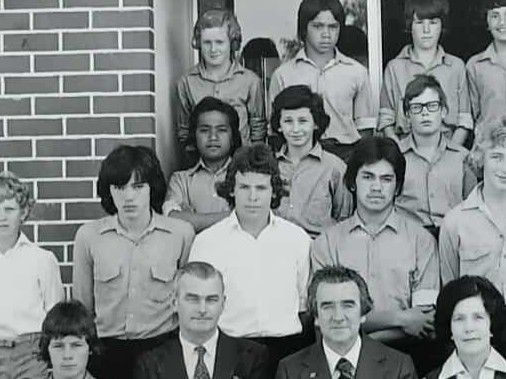
Ioane Puka (centre), Melanie’s father, aged 12, at the Sedgley Boys’ Home in Masterton in 1976. Photo/Supplied
A month later, Tokelau’s General Fono agreed to develop a strategy for Olegeha.
The road ahead
The United Nations lists Tokelau as a non-self-governing territory, alongside Pacific islands such as Guam, American Sāmoa and New Caledonia.
Tokelau’s options include independence like Sāmoa, integration like the Chatham Islands, or free association like Niue and the Cook Islands.
Referendums in 2006 and 2007 narrowly failed to reach the two-thirds majority needed for self-government in free association. “The people who voted in those two referenda weren’t super clear about what the consequences of each choice were,” Tagimamao says.
Last month, King Charles acknowledged “Tokelau’s unique relationship with New Zealand” and said the Tokelauan voice is vital on the global stage.
“We must all act to ensure that the rich natural beauty and vibrant cultural heritage, not only of your nation, but also of so many small island states around the world, continue to thrive in the years to come,” he said in a statement from Buckingham Palace.
Tagimamao says critical decisions must remain in the hands of tagata Tokelau.
Rather than starting with another vote, she says Tokelau must first decide what it wants to protect: language, knowledge, land and livelihoods at home and across the diaspora.
“Sovereignty and self-determination don't happen on an individual level … these are ultimately decisions that collectively Tangata Tokelau have to talk about and make for ourselves.”
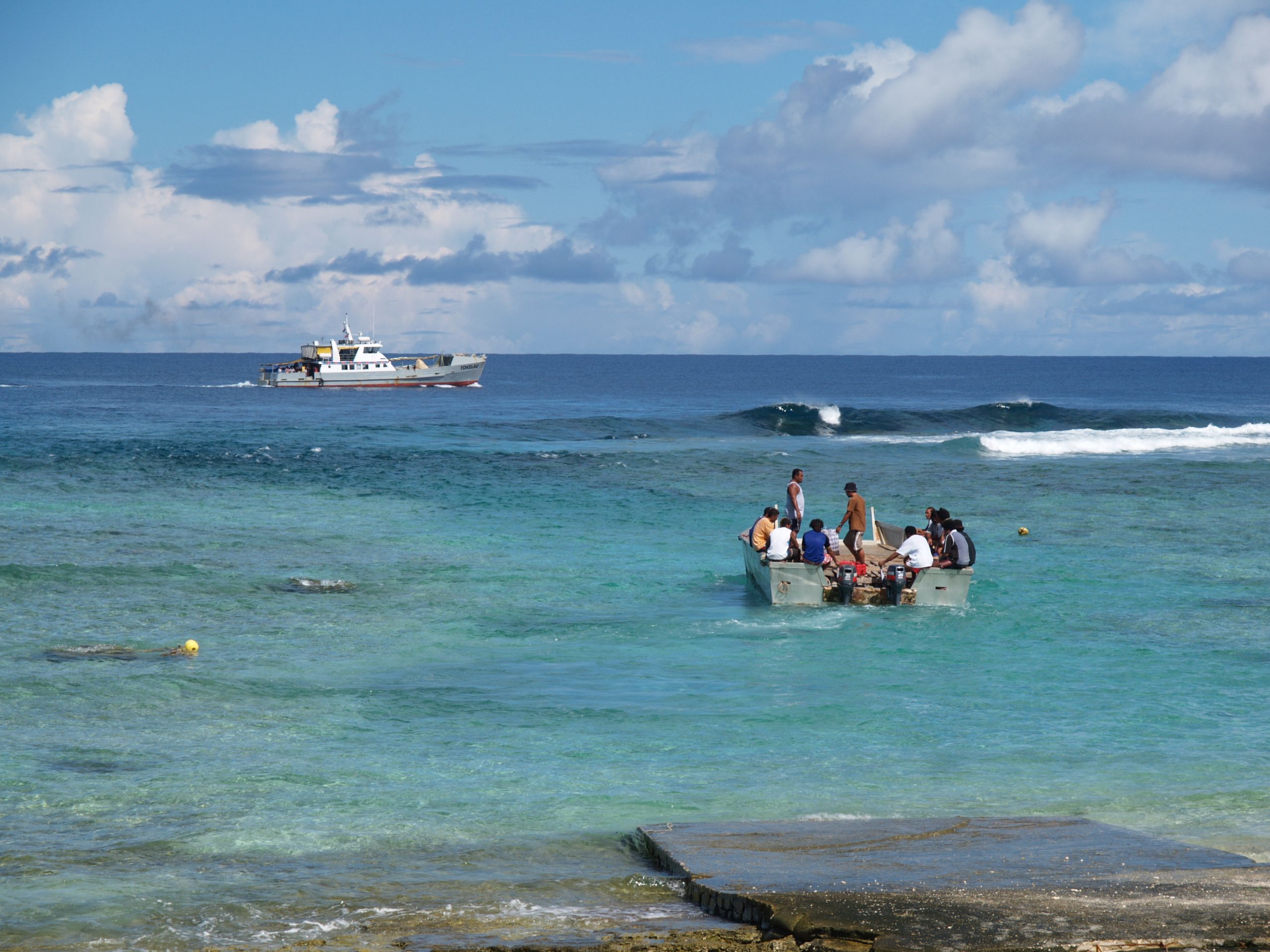
A barge leaves the landing ramp in Nukunonu to collect cargo and passengers from the MV Tokelau. Photo/CC by 2.5