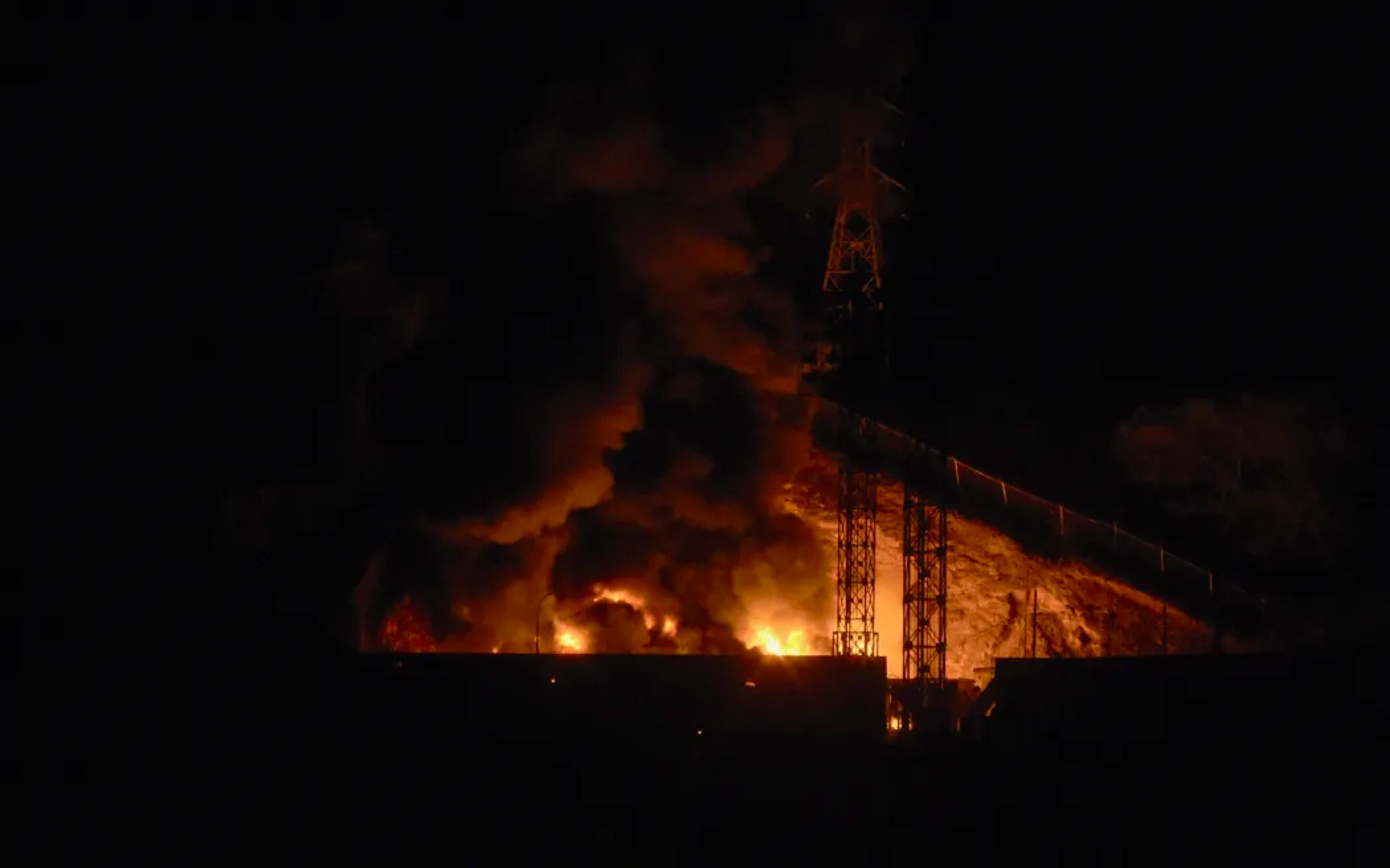
The fire at Fuerte Tiuna, Venezuela's largest military complex, after a series of explosions in Caracas on 3 January, 2026.
Photo/Facebook/Luis Jaimes
Politics
Pacific eyes on rising US strikes in Venezuela amid deaths at sea
The attacks follow another deadly operation in the Pacific Ocean amid concerns about growing military action, security, and the impact on Pacific waters.

Christine Rovoi
Published
04 January 2026, 3:24pm
Share
Copy Link
Top stories

‘I made my own door’: The pro footballer who turned stigma into a global sock brand
Atutahi Potaka-DewesTue, 22 Sep
‘We’re so blessed’: Penrhyn community welcomes NZDF crews
Thomas Tarurongo WynneMon, 21 Sep
Treaty row grows after leaked message links funding and PM's no-confidence motion
Christine RovoiMon, 21 Sep
Top stories
‘I made my own door’: The pro footballer who turned stigma into a global sock brand
Atutahi Potaka-DewesTue, 22 Sep
‘We’re so blessed’: Penrhyn community welcomes NZDF crews
Thomas Tarurongo WynneMon, 21 Sep
Treaty row grows after leaked message links funding and PM's no-confidence motion
Christine RovoiMon, 21 Sep
Pacific governments and security experts are paying close attention after the United States claimed it carried out a strike on a dock inside Venezuela, while also launching another deadly attack on a boat in the Pacific Ocean.
On Saturday, US forces captured Venezuelan President Nicolas Maduro and his wife, citing alleged drug offences.
The US "large-scale strike" on the South American country has killed at least 40 people, media reports state.
"The United States of America has successfully carried out a large-scale strike against Venezuela and its leader, President Nicolas Maduro, who has been, along with his wife, captured and flown out of the Country," Trump reported on Truth Social, a social media platform launched by the US President and Trump Media & Technology Group (TMTG) in 2022, positioning itself as a "free-speech" alternative to mainstream sites like X (formerly Twitter), and Facebook after Trump's bans from those platforms.
"This operation was done in conjunction with US Law Enforcement."
Trump says American forces hit a dock used to load boats with drugs along Venezuela’s coast.
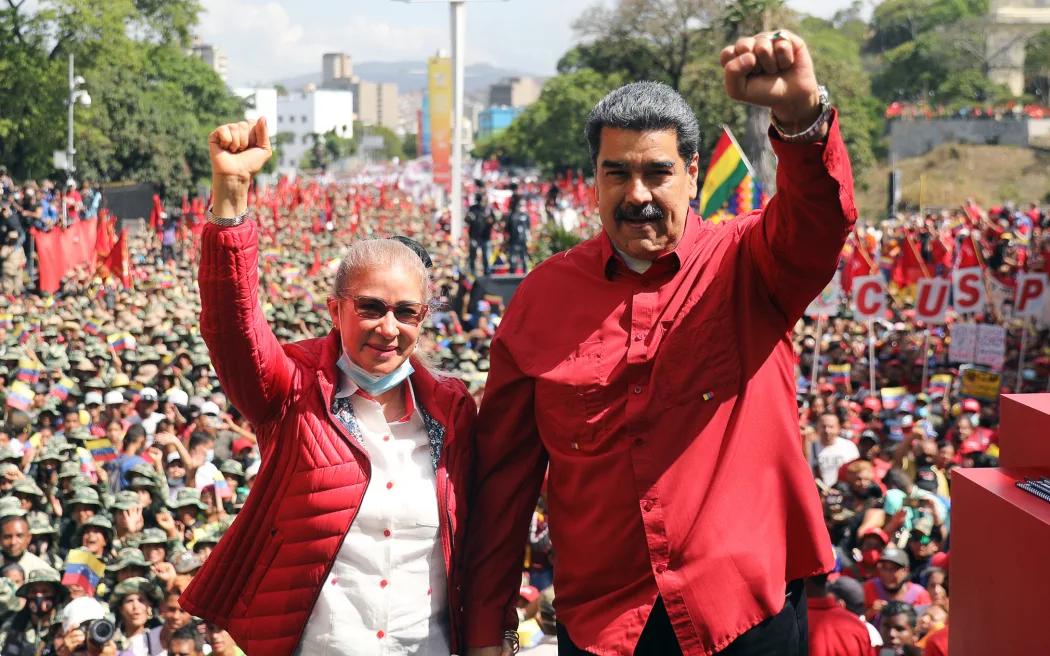
A handout photo released by the Miraflores presidential palace press office in Caracas showing Venezuela's President Nicolas Maduro, right, accompanied by his wife Cilia Flores. Photo/Miraflores
It is the first known land-based strike inside the South American country since Washington began its latest pressure campaign four months ago.
Trump made the comments to US media while meeting Israeli Prime Minister Benjamin Netanyahu in Florida.
He did not say where the dock was located or whether the US military or the CIA carried out the attack. Venezuela has not confirmed the strike, and there are no independent reports from the country.
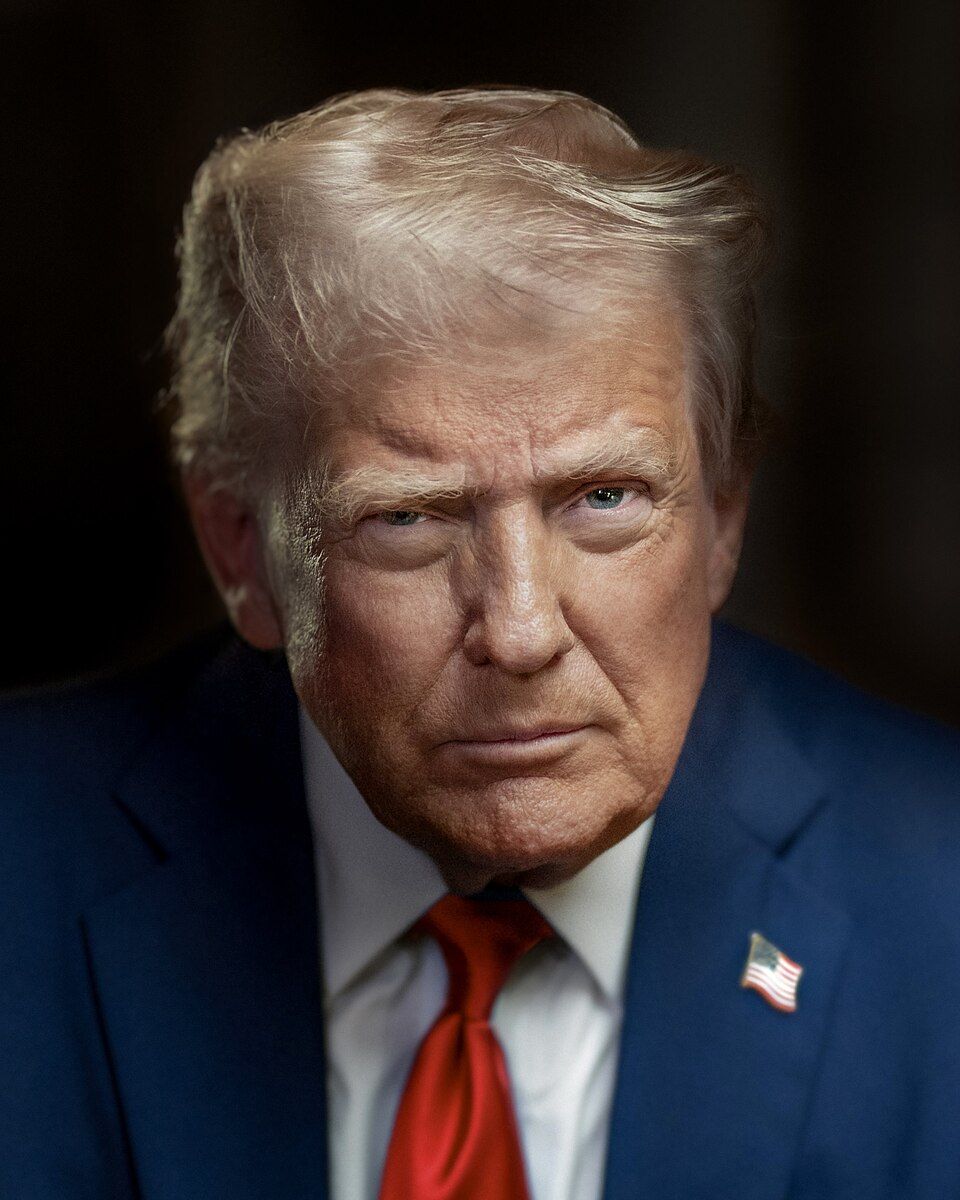
US President Donald Trump has claimed expanded US military actions linked to Venezuela and operations in the Pacific. Photo/Facebook/White House/Daniel Torok
Meanwhile, the US military has confirmed another strike in the eastern Pacific Ocean, saying it targeted a suspected drug-smuggling boat and killed at least two people. US Southern Command described those killed as “narco-terrorists”.
For Pacific nations, the growing number of US military operations in the region raises familiar concerns about security, sovereignty, and the risk of being caught between major powers.
New Zealand international relations and law experts have criticised the US attack on Venezuela, saying it challenges the rules-based international order.
A New Zealand foreign policy group calls for an unflinching government condemnation of US aggression in Venezuela.
“This is a brazen moment that unmasks US imperial aggression,” Dylan Asafo, spokesperson for Te Kuaka, says in a statement.
“The US has interfered militarily in Latin America before, but in recent years it has rarely done this so nakedly and with such open disregard for state sovereignty.”
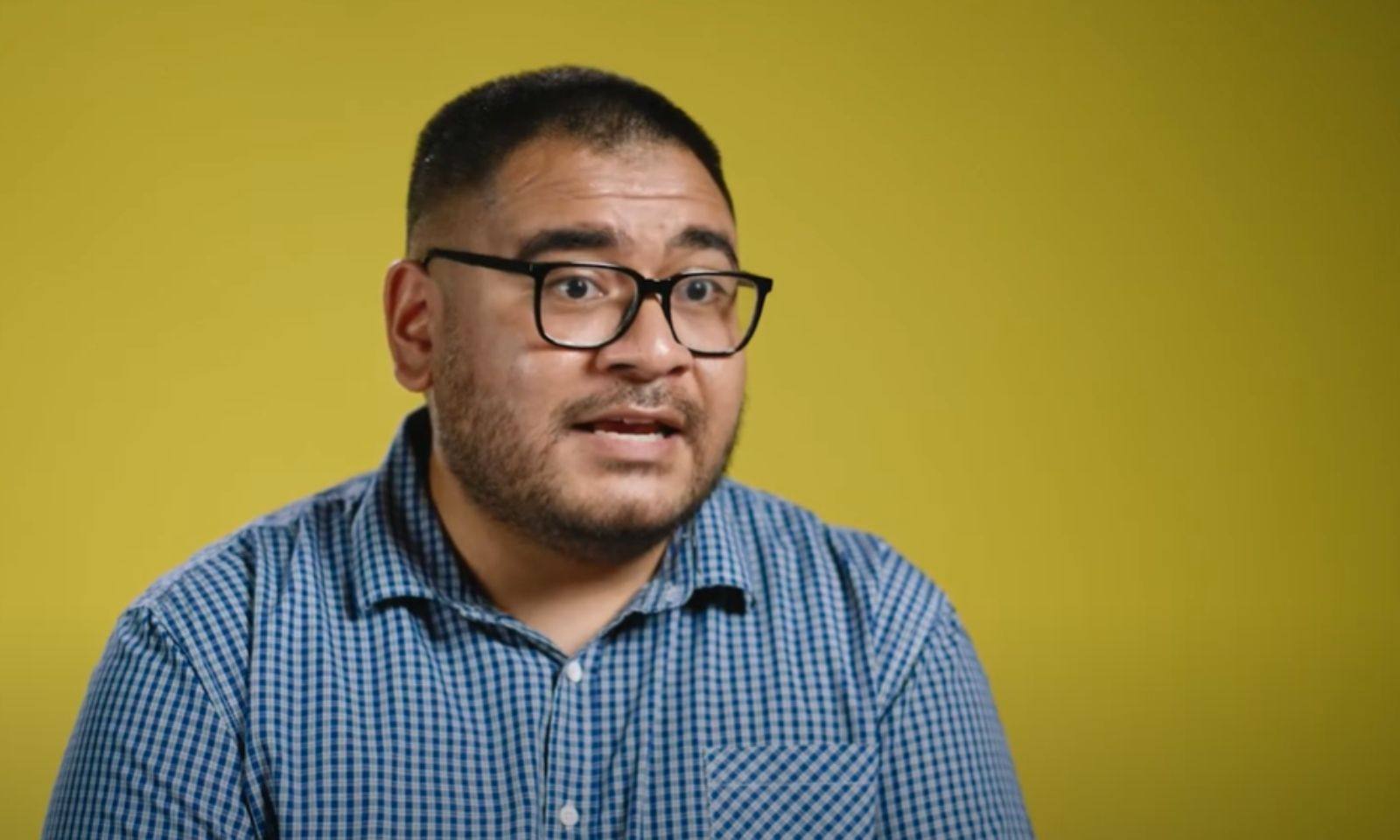
Dylan Asafo is calling for an unflinching New Zealand Government condemnation of US aggression in Venezuela. Photo/Supplied
The recent US National Security Strategy referred to a revival of the ‘Monroe Doctrine’, a 19th-century doctrine about US control of the Americas as a hemisphere.
“This is not the time for mealy-mouthed fence-sitting,” Asafo says. “If NZ does anything short of unflinchingly condemning this action, it’s another reminder that strategically aligning with the US - as this Government has done - draws us further into war-mongering and causing international instability.”
University of Otago Professor Robert Patman called the action audacious and told RNZ's Worldwatch that it directly tests countries like New Zealand that believe global relations should be guided by international law and agreed rules.
"It's a direct challenge for countries like New Zealand, which support the view that international relations should be based on rules, procedures and laws."
Dr Anna Powles, a New Zealand-based security expert who has written widely on Pacific militarisation, has previously warned that increased military activity in Pacific waters can blur the line between law enforcement and warfare.
She has argued that Pacific countries often have little say when powerful nations operate near or through their seas.
The eastern Pacific is a key route for fishing fleets and cargo ships that supply Pacific Island countries.
Any increase in military strikes or surveillance raises fears of disruption and long-term security risks.
Former Pacific Islands Forum secretary-general Dame Meg Taylor has repeatedly stressed that Pacific nations want their region treated as a “zone of peace,” not a testing ground for military power.
While Taylor has not commented directly on the Venezuela strikes, her past statements reflect wider regional unease about foreign military actions expanding closer to Pacific waters.
The US says its strikes are part of a campaign to stop drugs from reaching American shores.
Trump claims Venezuela is involved in large-scale drug trafficking, a charge strongly denied by the Venezuelan government.
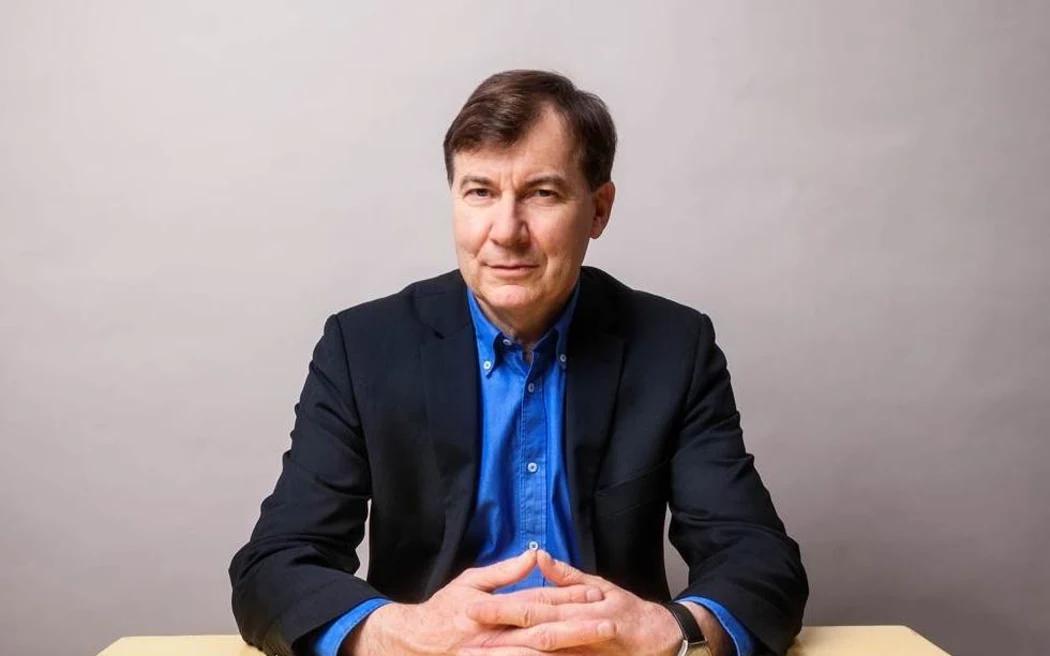
University of Otago Professor Robert Patman has called the US action audacious and told RNZ's Worldwatch that it directly tests countries like New Zealand that believe global relations should be guided by international law and agreed rules. Photo/Supplied
Venezuela says Washington’s real goal is to remove President Maduro and gain control of the country’s vast oil reserves. It called the US attack a “military aggression” and demanded proof that Maduro and his wife are alive and safe.
Russia has also criticised the US action, saying it was deeply concerned and describing the strike as an act of armed aggression against Venezuela.
According to figures released by the Trump administration, at least 107 people have been killed in 30 US strikes since early September.
Legal experts and human rights groups say the attacks may violate international law and describe them as extrajudicial killings.
The US military buildup linked to the campaign includes more than 15,000 troops across the wider region, as well as the seizure of oil tankers connected to Venezuela.
Trump has openly stated that the US would move beyond targeting boats and carry out land strikes, which now appears to be happening.
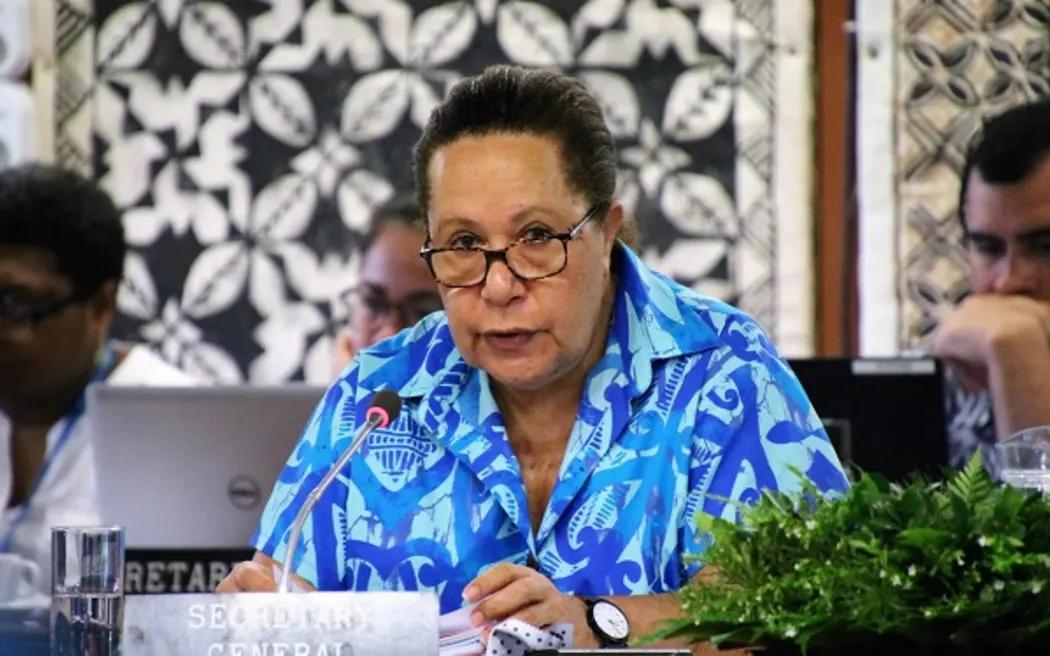
Former Pacific Islands Forum secretary-general Dame Meg Taylor has repeatedly stressed that Pacific nations want their region treated as a “zone of peace,” not a testing ground for military power. Photo/Pacific Islands Forum Secretariat
For Pacific media and communities, the concern is not just what is happening in Venezuela, but what it means for the Pacific Ocean itself.
As global tensions grow, Pacific leaders continue to call for restraint, transparency, and respect for international law.
Small island states depend on stable seas for trade, food, and security.
Any move towards wider conflict or unchecked military action in the Pacific risks undermining those lifelines, a reminder that even distant wars can have local consequences.