
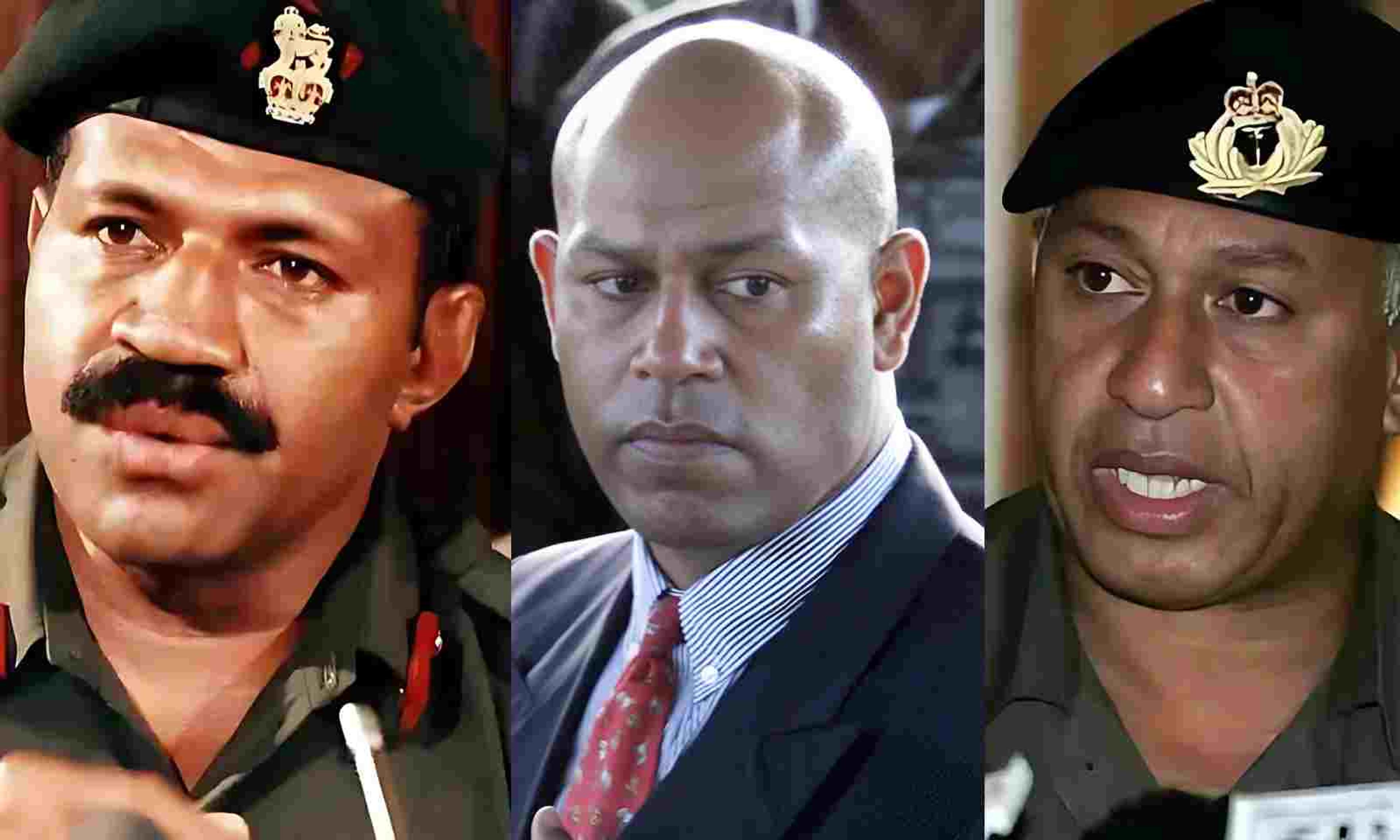
Fiji's coup leaders: Sitiveni Rabuka, who led the military coups of 1987; George Speight, who led the 2000 parliamentary takeover and was convicted of treason before his release from prison in 2024; and Frank Bainimarama, who seized power in the 2006 military coup. Fiji's Truth and Reconciliation Commission is examining the lasting impact of the country's coups on its people and institutions.
Photo/PMN Composite
Pacific Region
Fiji’s coup legacy: the lost talent, broken trust and wounds that still shape the Pacific nation
From public servants forced into impossible choices to skilled workers leaving the country, a commission is hearing how decades of political upheaval reshaped lives, institutions and national confidence.

Christine Rovoi
Published
29 July 2026, 6:02pm
Share
Copy Link
Top stories
World Vision warns children will pay for aid cuts beyond the Pacific
Thomas Tarurongo WynneMon, 12 Oct
Mate Ma’a Tonga’s 40-year legacy lives on through generations
Elton Lonaratha JnrMon, 12 Oct
Top stories
World Vision warns children will pay for aid cuts beyond the Pacific
Thomas Tarurongo WynneMon, 12 Oct
Mate Ma’a Tonga’s 40-year legacy lives on through generations
Elton Lonaratha JnrMon, 12 Oct
Fiji’s Truth and Reconciliation Commission is hearing that the impact of the country’s coups went far beyond political change.
Academic Professor Graham Hassall says they cost the nation skilled workers, weakening public institutions and leaving lasting wounds across communities.
He told the Commission that the loss of talent after Fiji’s coups was not limited to one ethnic group. It affected the country as a whole.
He said fear and uncertainty placed many public servants in an impossible position and they felt forced to stay silent or follow orders to protect their families.
“When it rains, you have to put up your umbrella. That was taken by me to mean, ‘I have to feed my family. If I don’t obey that illegal ruling order, I’ll lose my position.’ That was the moral dilemma that every public servant faced.”
Hassall said it was wrong to assume that those who stayed in government supported the actions of those behind the coups.
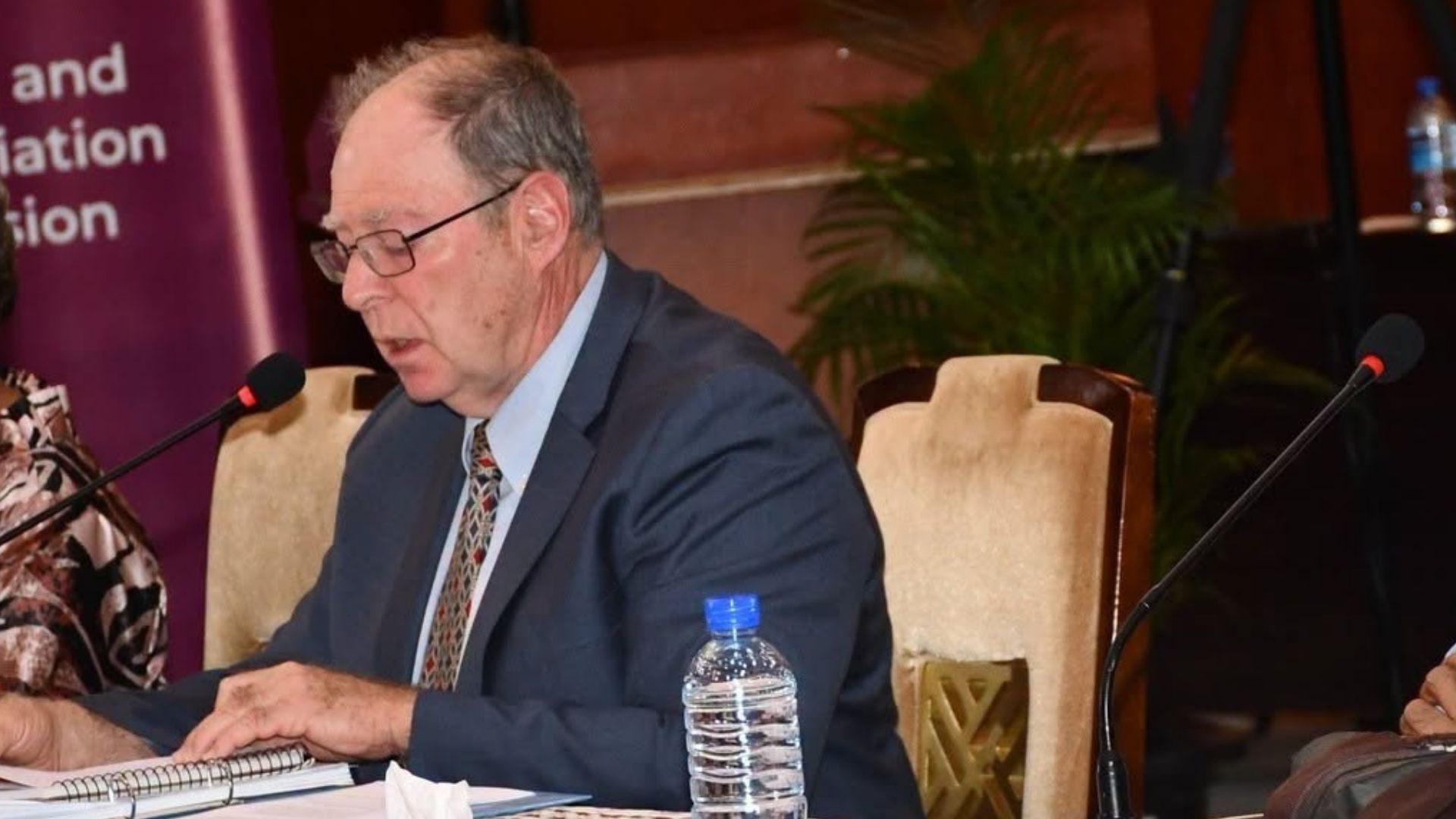
Professor Graham Hassall told Fiji’s Truth and Reconciliation Commission that the loss of skilled workers after the coups affected the entire country, not just one community.
“You cannot presume that, for example, a Fijian who stayed in the public service was against Indo-Fijian concerns. There was a suppression of expressions of solidarity across race for this reason, and everybody just kept quiet.”
He said the resulting brain drain damaged Fiji’s development.
“The impact of brain drain wasn’t just Indo-Fijians leaving; it was a brain drain on Fijians as well. It was a brain drain that affected the country. It’s not just an exodus of people leaving through the airport.”
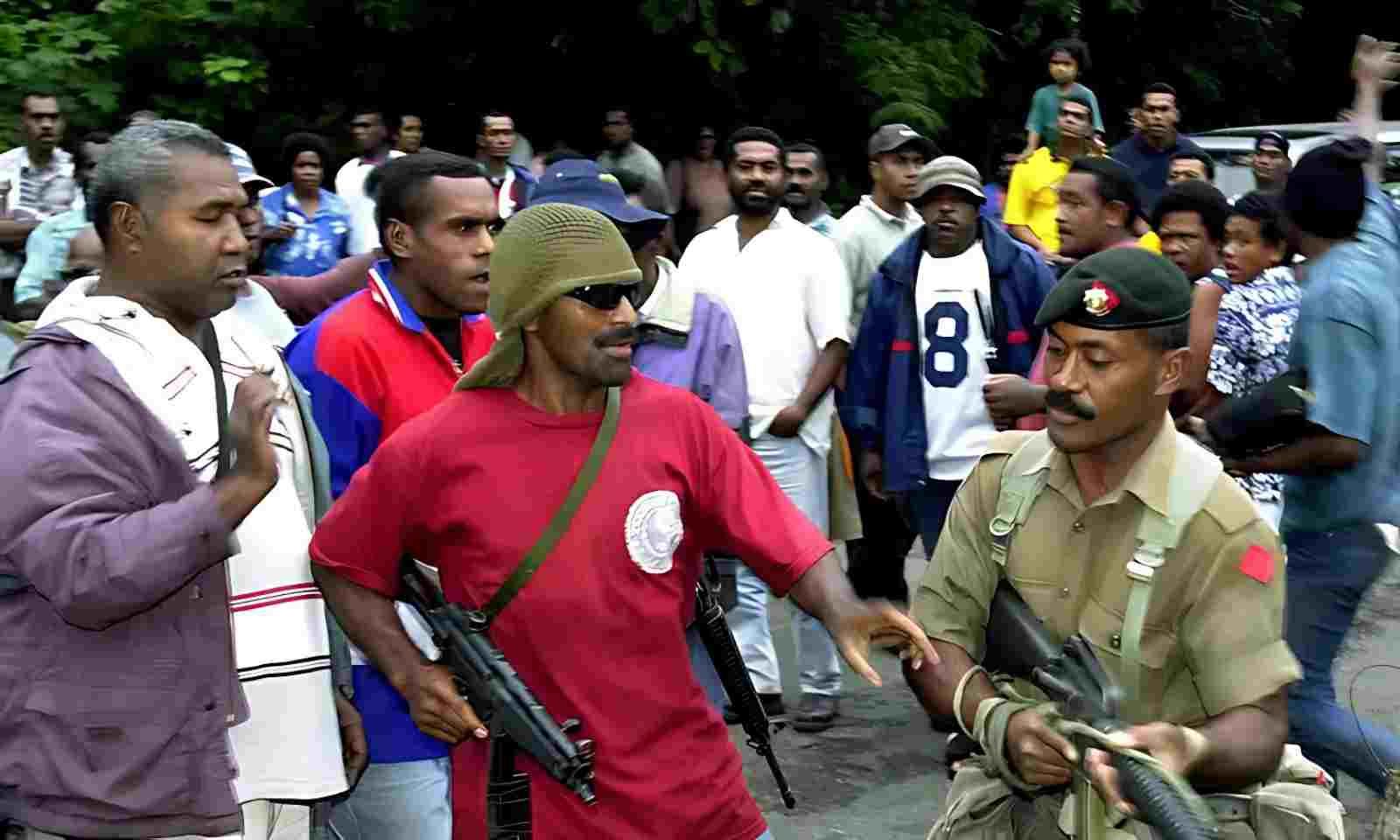
Rebels and soldiers clash outside Fiji's Parliament in Suva during the 2000 coup led by George Speight. The Truth and Reconciliation Commission has heard the political upheaval left lasting scars on communities, weakened public institutions and drove many skilled workers to leave the country. Photo/michaelf27.substack.com
Hassall said government records showed large numbers of teachers and medical workers leaving after the coups, reducing the country’s ability to deliver essential services.
The Commission has also heard personal accounts of the trauma experienced by families caught up in Fiji’s political upheaval.
Former politician and educator Dewan Chand told the inquiry that armed soldiers forced him from his home during the 1987 coup.
“In 1987, I was the principal of Ba Provincial Secondary School in Tavakubu, Lautoka. In the chaos, three armed soldiers came to my principal's residence and ordered that I vacate the premises within 24 hours or face the consequences.”
“My family and I were terrified, and the trauma still lives on.”
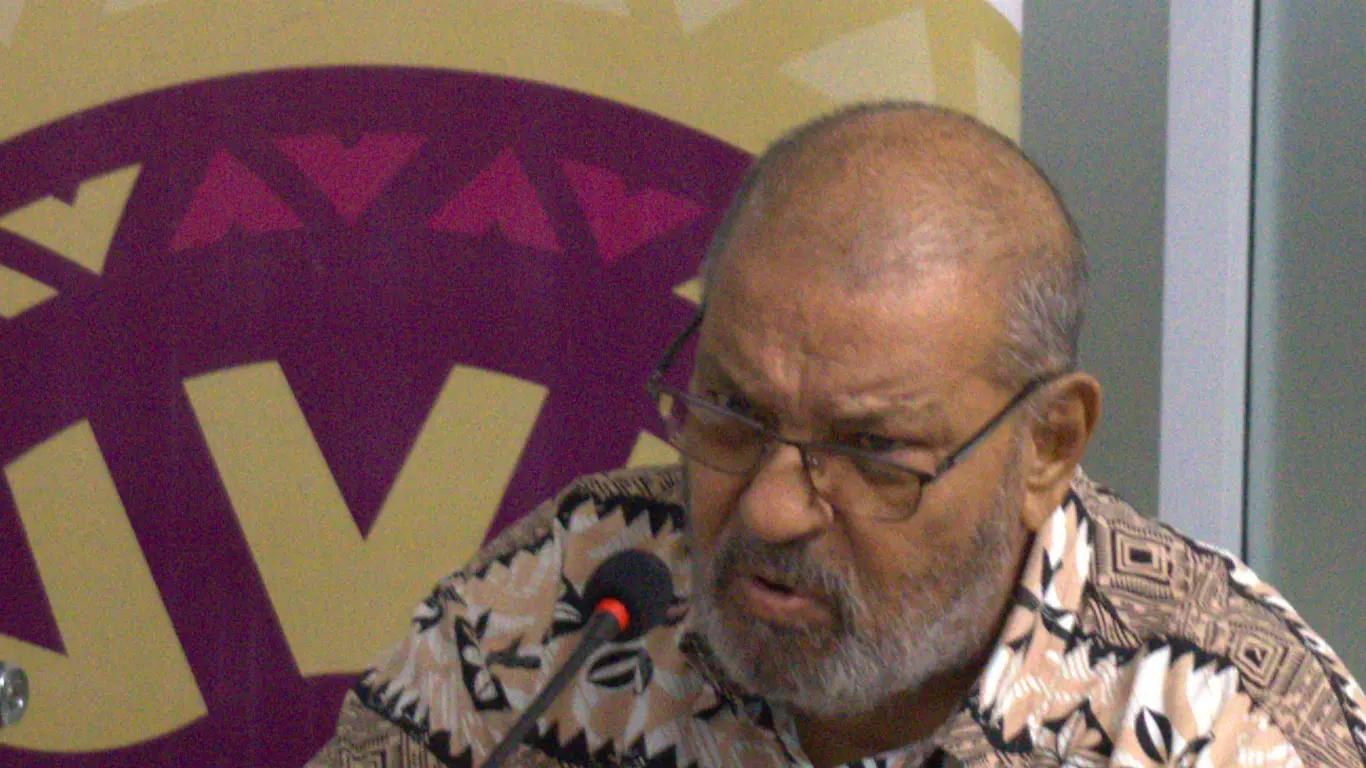
Former educator and politician Dewan Chand shared his experience of being forced from his home during the 1987 coup, telling the Commission the trauma still lives on. Photo/Supplied
Former coup participant Josefa “Jo” Nata also told the Commission that he now accepts responsibility for his role in the 2000 takeover of Parliament.
“I take full responsibility for my misguided involvement. I had borne the consequences. Forever will I carry the shame... No coup, in my view, can ever be justified.”
Nata said Fiji must reject future attempts to use force to change governments.
“Through this Commission, I plead to the Taukei population, never ever support a coup again.”
Fiji’s Ambassador to the United Nations, Filipo Tarakinikini, has also told the Commission that the country must confront the deeper issues that allowed political instability to continue.
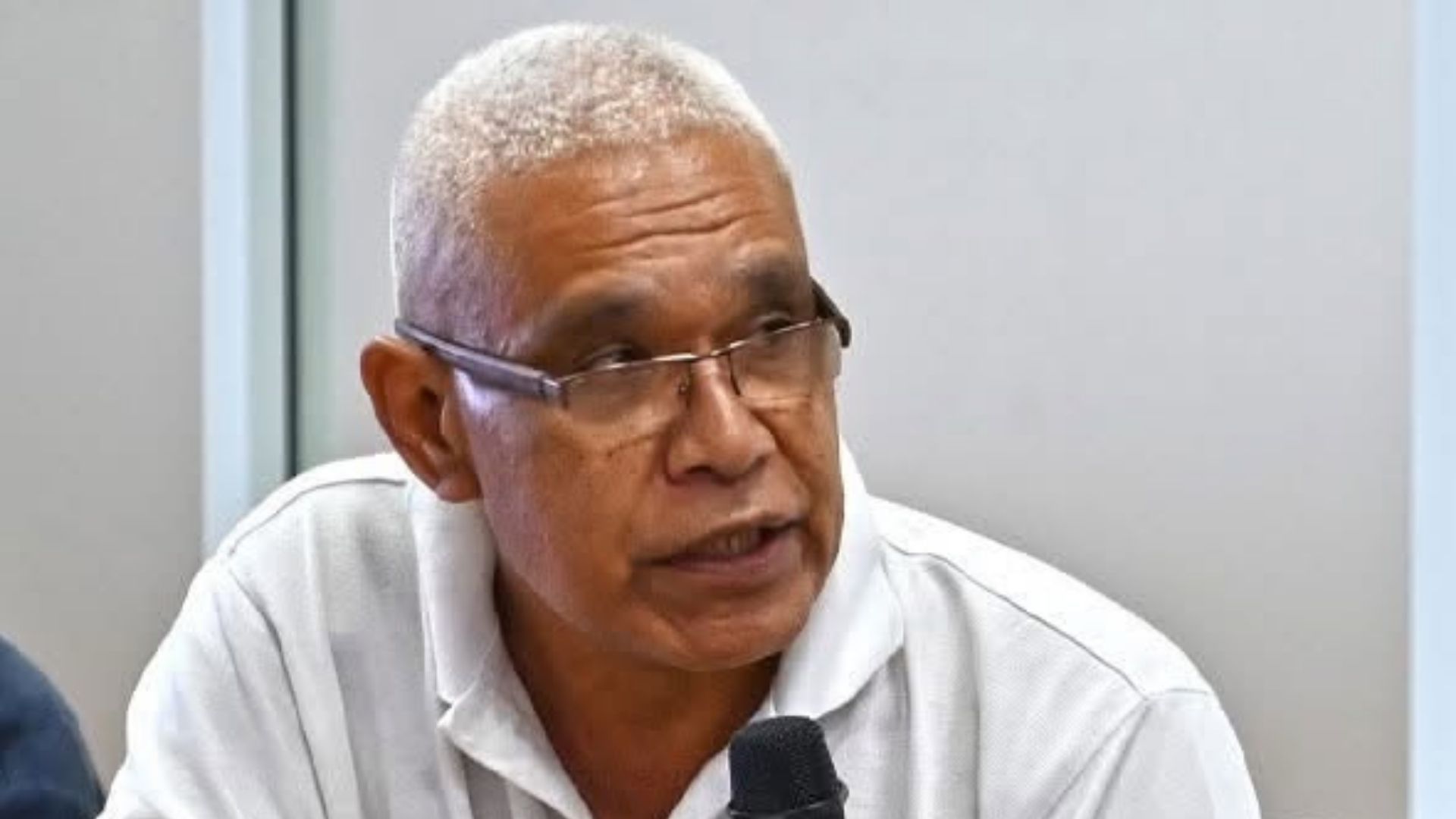
“If Fiji is to move forward, the country must confront its history honestly, acknowledge the suffering experienced across communities, and commit to building trust through transparency and national unity.”
The TRC hearings are examining the impact of Fiji’s coups since 1987, including the effects on democracy, communities, public institutions and national development.
The Fiji Truth and Reconciliation Commission will conclude hearings late this year before with a final report due to be presented to the President by January 2027.
Listen to former Fiji Prime Minister Mahendra Chaudhary's interview shortly after coup leader George Speight was released from prison after serving just over 24 years behind bars.