
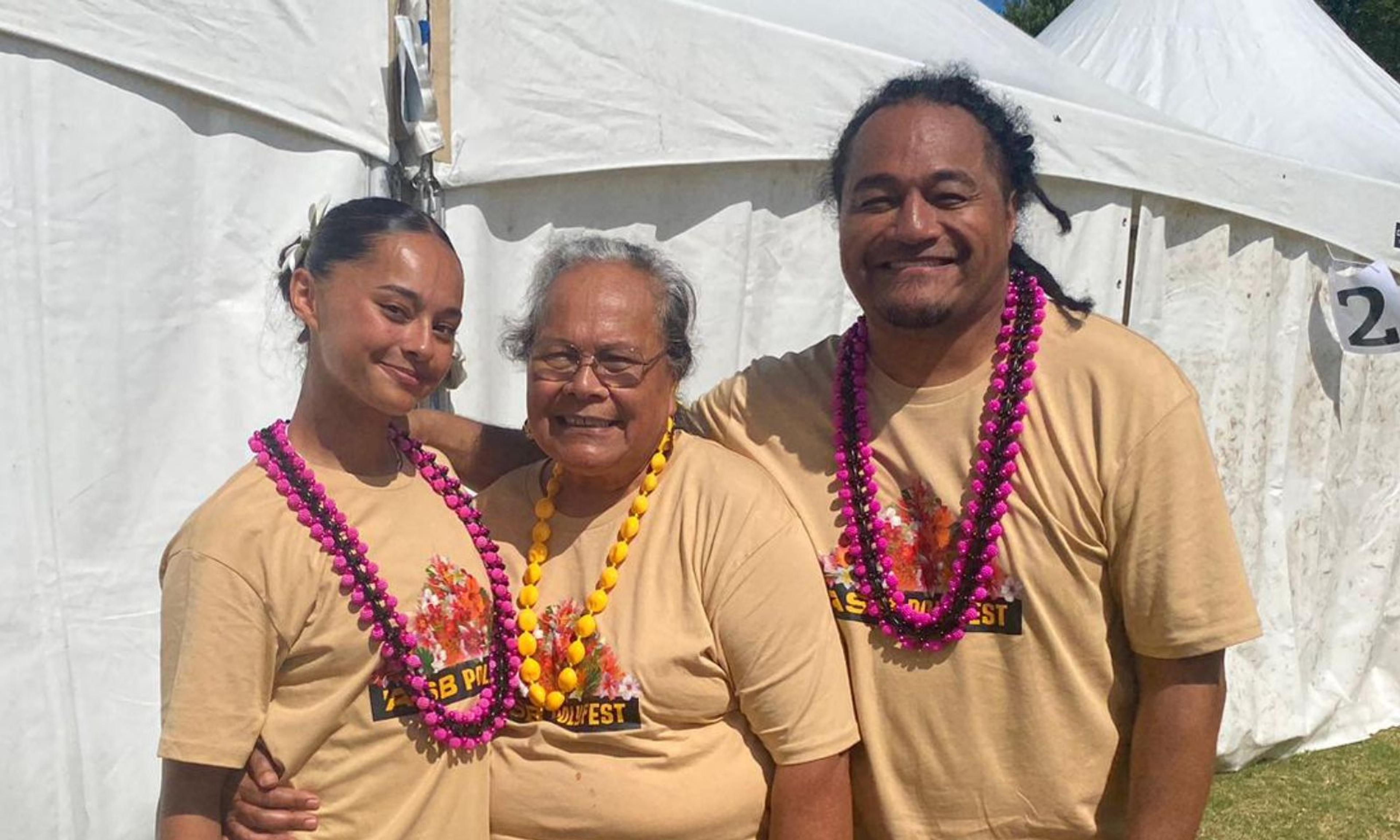
Three generations of the Lakatani family at ASB Polyfest 2026, from left: Aundreah, Toane and Malakamu Lakatani.
Photo/PMN News/Taelegalolo'u Mary Afemata
Local Democracy Reporting
'Our culture is from God': Families keep Polyfest alive behind the scenes for decades
As funding debates grow, Pacific families say ASB Polyfest still runs on generations of unpaid work, care, and culture that most people never see.

Taelegalolo'u Mary Afemata
Published
21 March 2026, 12:00pm
Share
Copy Link
Before the music starts and the crowds arrive, Polyfest is already alive: in the kitchens, carparks, and early morning hours where families do the work no one sees.
For the Lakatani family, ASB Polyfest is not just a festival. It is service, culture, and faith passed down through generations.
This year in Tāmaki Makaurau, Auckland, three generations stood side by side: grandmother Toane Lakatani, her son Malakamu Lakatani, and his daughter Aundreah Lakatani, who is preparing to take the stage.
Their story reflects the heart of Polyfest: families holding it together from behind the scenes.
“In our days we did it ourselves… we have to prepare some food, make sure we bring drinks… all of us help out with the food for the kids,” Toane said.
She said much of that work happens quietly, away from the stage. “We sit behind the kids and help them… make sure the uniforms are done… make sure the kids got fed.”
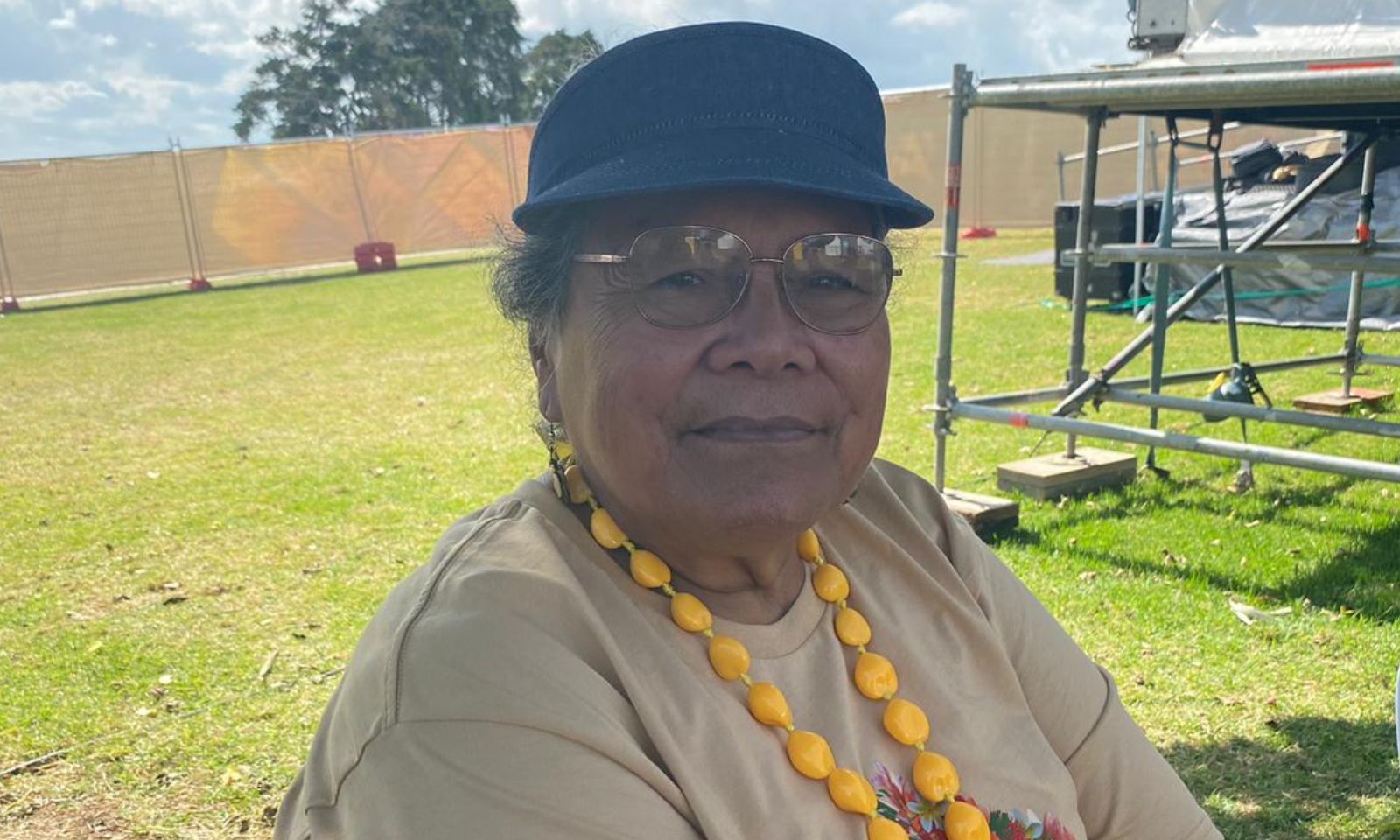
Toane Lakatani, who supported her children through Polyfest over many years and returned to the festival recently, pictured at this year’s event. Photo/PMN News/Taelegalolo'u Mary Afemata
Her journey with Polyfest began decades ago, when her own children first performed. “We started off when they were small… and now they carry on what their dad’s been doing.”
Now, she watches her granddaughter step into that same space. “This is the first time my granddaughter is performing… and Malakamu is a tutor now.”
For Toane, the festival goes beyond performance. “It keeps the language going… it keeps the culture going.”
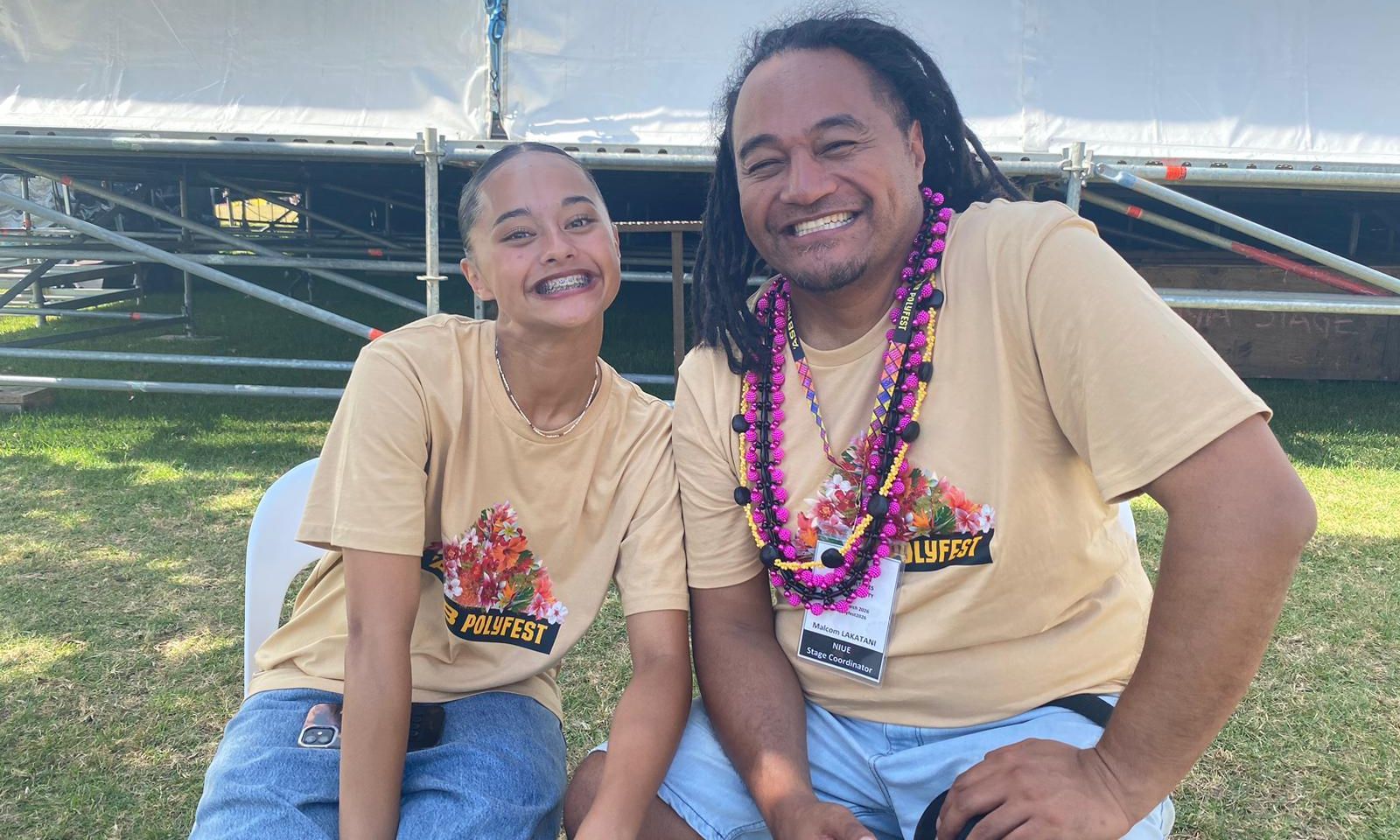
Niue stage coordinator Malakamu Lakatani with his daughter Aundreah Lakatani at ASB Polyfest 2026. Photo/PMN News/Taelegalolo'u Mary Afemata
But as Auckland councillors discuss how the festival should be funded, families say the real work behind Polyfest is mostly overlooked.
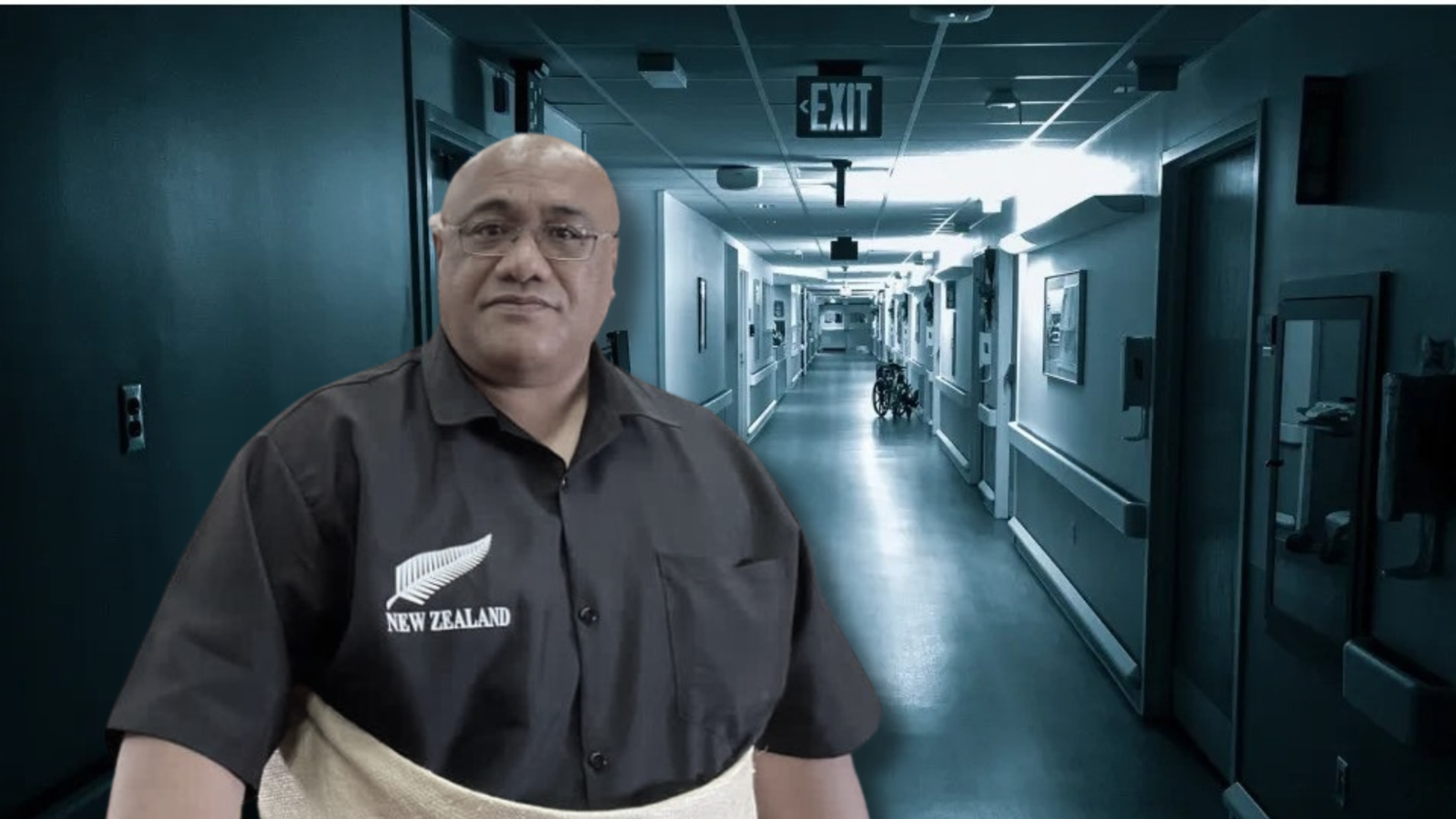
Malakamu, now a coordinator for the Niue stage, says much of what keeps the festival running happens away from public view. “That labour there, that’s a family and a community… not anything to do with the front.”
He points to his mother as an example of that “invisible labour”, of that unseen effort. “They didn’t see lots of my mum’s story. They didn’t see anything.”
He said those contributions are not always reflected in funding conversations. “They should acknowledge that, but they don’t think about that… our politics don’t look at that… they look at the surface level stuff,” Malakamu said. “My mum’s there at three in the morning… getting everyone’s uniforms ready before they go on stage.”
As Polyfest has grown, so have the costs. This year, entry is $15 or $10 if bought online - something Malakamu finds hard to accept.
“It’s sad that it’s got a price tag on it… our culture is from God… it should be free for all.”
At the same time, he understands the reality. “We need money for things like power… toilets… stage and sound… so I understand that.”
Alf Filipaina, Manukau ward councillor, told Local Democracy Reporting the issue is being looked at.
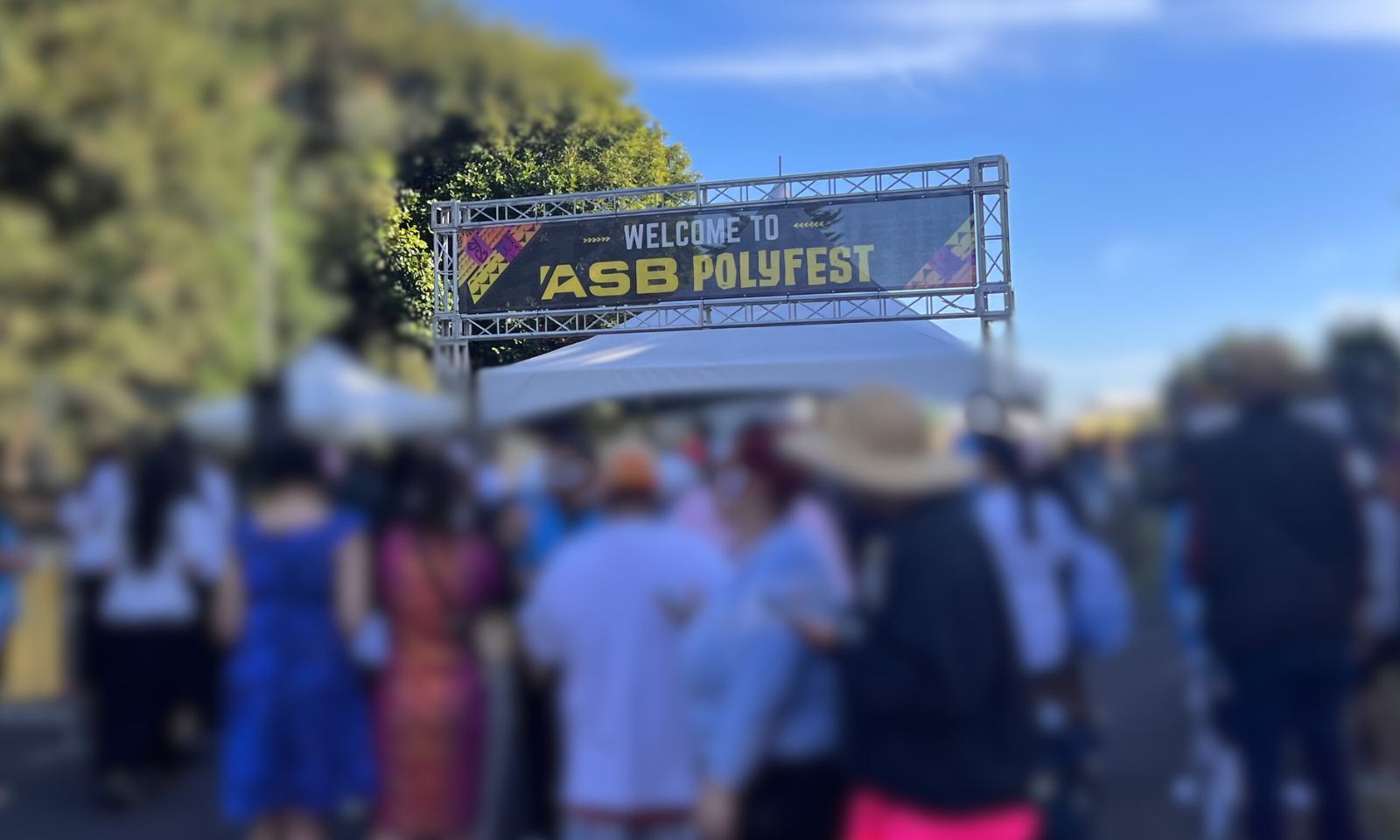
Crowds gather at the entrance to ASB Polyfest 2026 in Tāmaki Makaurau, with entry priced at $15, or $10 online. Photo/PMN News/Taelegalolo'u Mary Afemata
“What I’m going to do, along with Lotu Fuli and the rest of our colleagues, is have a look. We’re going to look at the possibility of multi-year funding.”
Fuli, fellow Manukau ward councillor, has also recognised the role of unpaid, “invisible labour” - from families, tutors, and volunteers - in keeping events like Polyfest going.
For those doing the work, the pressure is growing. “There’s an actual burnout that’s happening… it’s consuming,” Malakamu says.
He adds the load has increased as communities support multiple events, including the second-year Hologa festival, while dealing with less sponsorship.
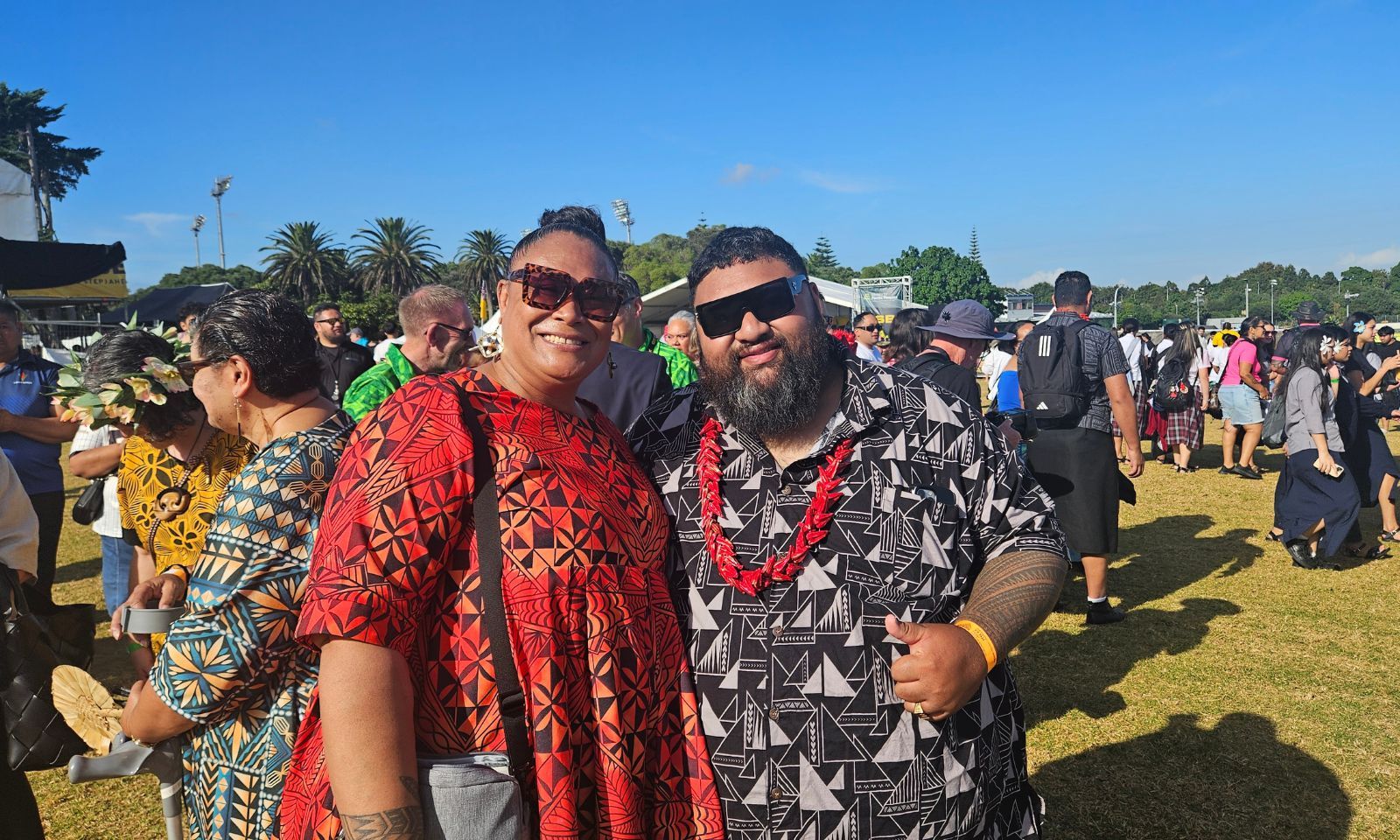
Nathan Lopa, director of the Te Kiwa Nui Festival, with Melvina Martin(left) at ASB Polyfest 2026. Photo/PMN News/Taelegalolo'u Mary Afemata
“We don’t have a stage sponsor… we’ve had to find a way to make it work,” Malakamu said.
Nathan Lopa, director of Wellington’s Te Kiwa Nui Festival, attended ASB Polyfest for the first time this year to support festival director Seiuli Terri Leo-Mauu and observe how the event operates at a larger scale.
He said organisers across the country are facing the same fight. “In a nutshell, we’re all fighting for the same funding,” Lopa said. “To the outside, these are just festivals where we gather. To us, we are a diasporic community… where our language and our culture thrives.”
For 16-year-old Aundreah, the work behind the scenes is something she has always seen - even if young performers do not always think about it.
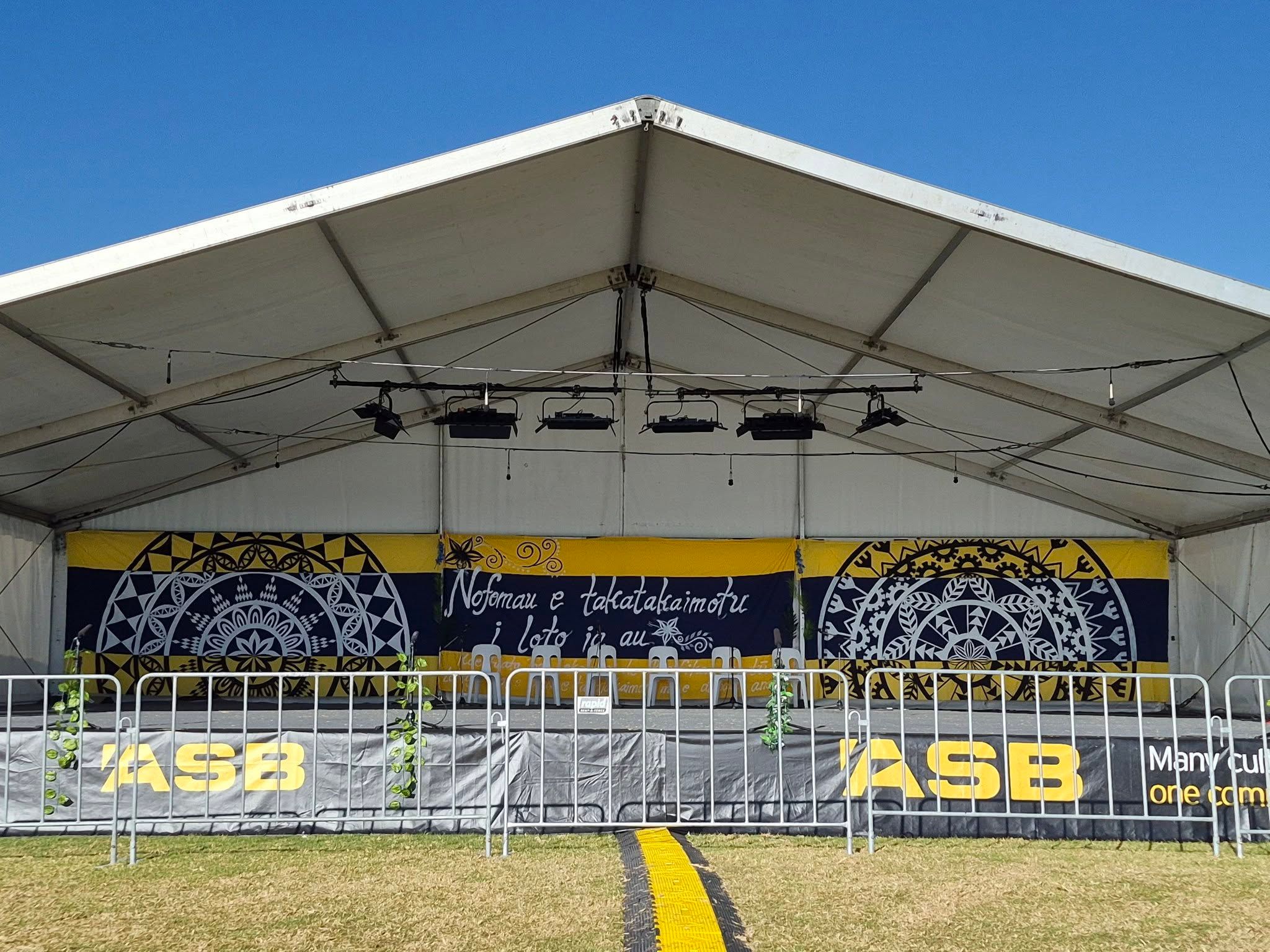
Niue Stage backdrop at ASB Polyfest 2026, designed by Elam School of Fine Arts student Tiola Kamupala of Avatele and Alofi. Photo/PMN Niue Facebook
“Sometimes she[Toane] does it in the car park, like five minutes before they go on stage.”
On stage, the focus is simple. “We don’t even think about that… we’re just here for the culture,” Aundreah said of Polyfest.
“You get to get more involved with your own culture… even if it’s not your own, it’s still cool to get amongst it,” she said of Polyfest.
But behind every performance is a network of families like hers: feeding, sewing, organising and showing up, year after year. Work that keeps Polyfest alive, long before the first song begins and long after the stage is cleared.
LDR is local body journalism co-funded by RNZ and NZ On Air.