
‘Digging into what we know’: Pacific culture offers a clearer path to better mental health
Atutahi Potaka-DewesTue, 13 Oct
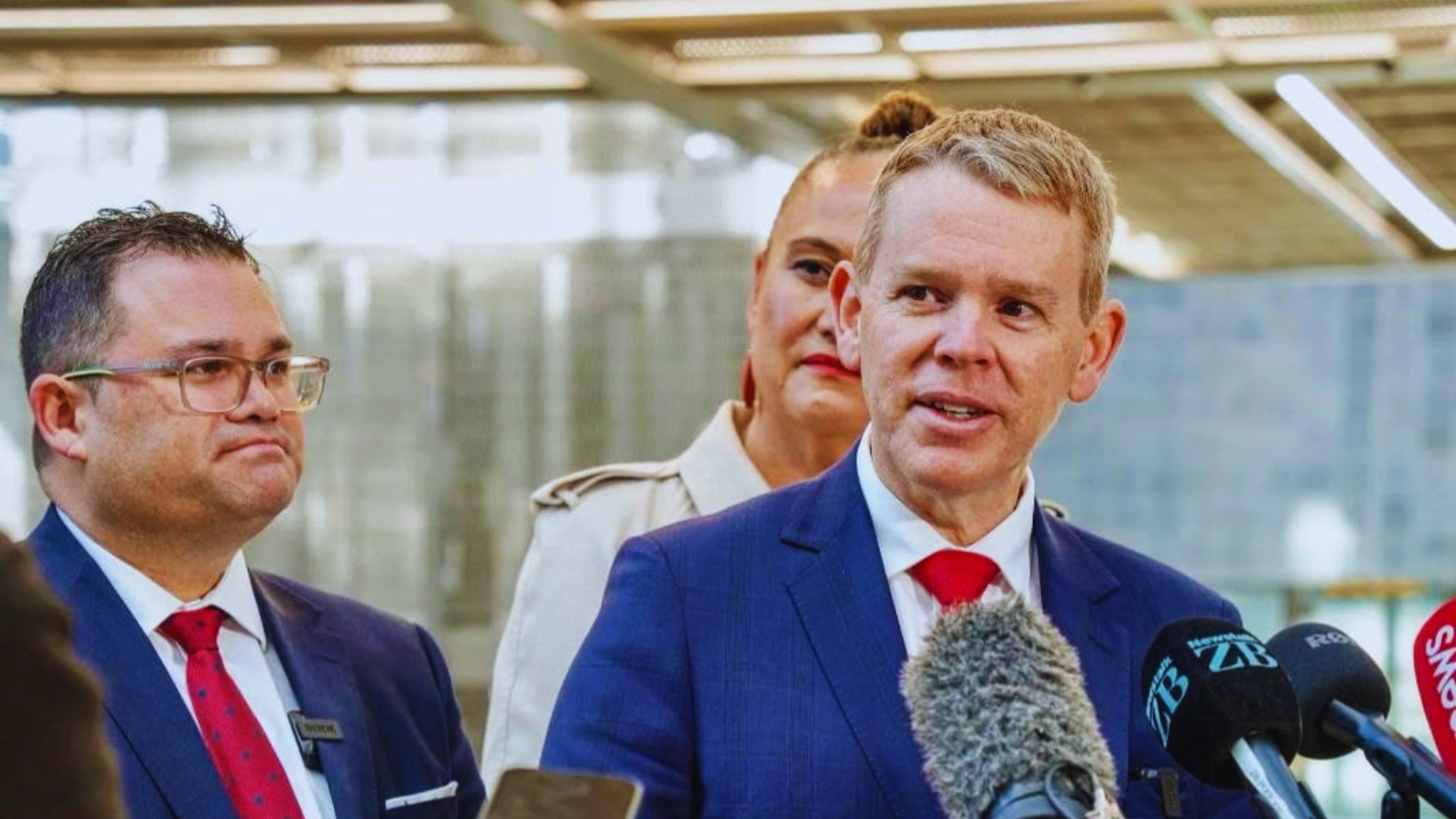
Labour leader Chris Hipkins announced the party's weekly public transport fare cap policy earlier in the week. He was accompanied by Deputy Leader Carmel Sepuloni and the party's transport spokesperson Tangi Utikere.
Photo/Labour Party New Zealand/Facebook
The party's transport policy promises cost-of-living relief but questions are growing over who benefits and whether it reaches the most vulnerable.



Labour’s plan to cap weekly public transport fares at $20 in Auckland, Wellington and Christchurch, and $10 everywhere else, is being pitched as major cost-of-living relief but it is already facing scrutiny over its cost, design and who will actually benefit.
The policy, announced this week by Labour leader Chris Hipkins, would begin on 1 July 2027.
Once commuters hit the weekly cap, any additional travel would be free for the rest of the week.
Labour estimates the scheme will cost $65 million a year, funded through the National Land Transport Fund.
"This is real cost-of-living relief," Hipkins said, describing the plan as a way to put money back into the pockets of commuters, students and families.
Labour transport spokesperson Tangi Utikere said the policy would give households certainty over travel costs and encourage greater use of buses, trains and ferries.
"Under Labour's weekly fare cap, people will know exactly what the maximum cost of getting around will be each week,” Utikere said in a statement.
But social advocates say the policy may not reach those who need it the most.
Ana Ika, Senior Social Policy Analyst at The Salvation Army, said the scheme's reliance on card-based systems could exclude some of the most vulnerable people including those without bank accounts or stable housing.
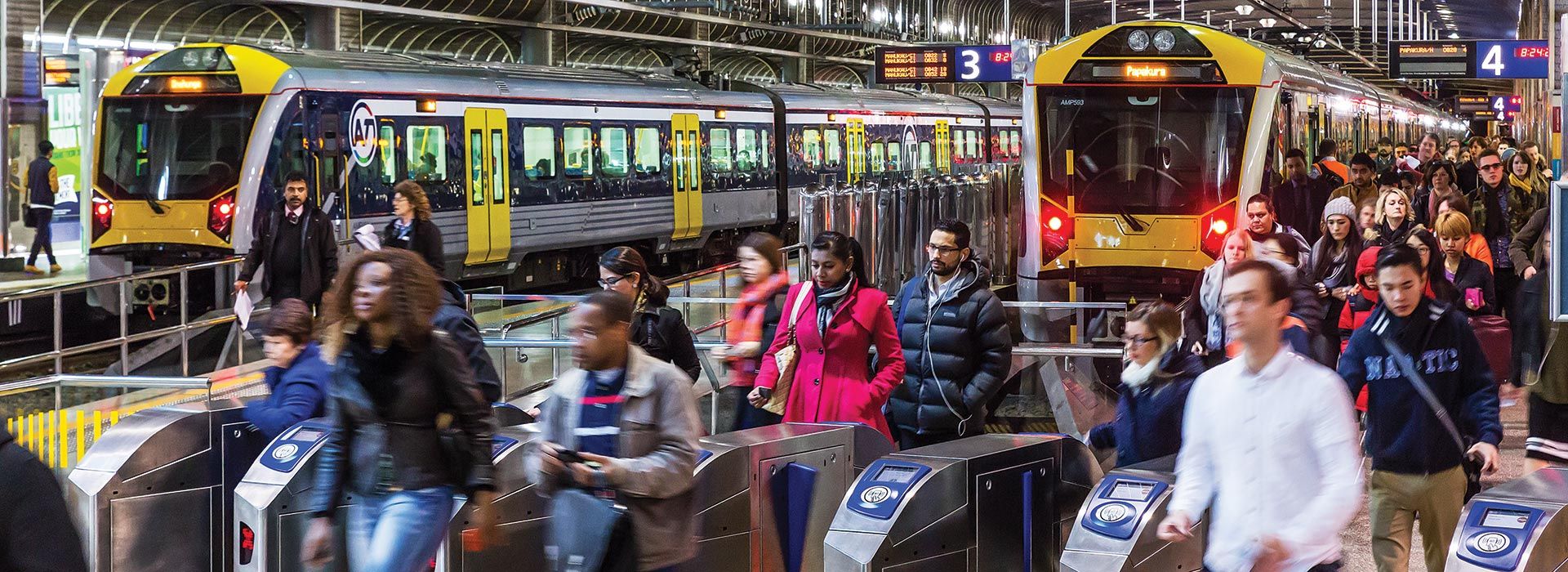
Ana Ika says she welcomed efforts to reduce transport costs, but Labour's transport policy may not not be targeted enough. Photo/File.
"Many of those we support, particularly seniors and people experiencing homelessness, may struggle to access card-based fare systems because they primarily rely on cash," Ika told PMN News.
"People who are homeless or rough sleeping often do not have bank accounts or the ability to reliably obtain and top up public transport cards."
She said other barriers also exist including the limited services for shift workers, people in remote areas and sole parents.
While she welcomed efforts to reduce transport costs, Ika said the policy may not not be targeted enough.
"It is unlikely to consistently reach those experiencing the greatest hardship unless it is better targeted, for example, to Community Services Card holders, and designed to remove access barriers."
Ika said transport is only one part of wider cost pressures facing households.
Watch Ana Ika in a previous Pacific Mornings interview below.
"The most serious and immediate pressures remain food insecurity, housing costs, power bills, and unstable income."
She also questioned whether the $65m funding could have a greater impact elsewhere including food support and energy assistance.
In Auckland, Councillor Alf Filipaina said the policy reflects long-standing calls from Pacific communities for cheaper public transport.
"When you end up capping something, and in particular transport, our community have always sort of advocated around our public transport being cheaper," he told William Terite on Pacific Mornings.
Filipaina, a Labour-endorsed Auckland councillor, said lower fares could ease pressure on households and free up council funding for other needs.
But he stressed reliability would still matter. Auckland Transport needs to play our part in regards to frequency. But if you have that frequency... our community [will have] the ability to hop onto that public transport."
Listen to Alf Filipaina's interview below.
But questions have also emerged over the policy’s numbers.
National's Simeon Brown said Labour's figures do not add up, arguing the claimed $65m cost, projected savings and estimated 1.36 million users cannot all be correct at the same time.
Labour says the $1200 saving is an average, not a guaranteed figure, and that the 1.36 million number refers to all New Zealanders aged over 15 who use public transport at least once a year.
Asked how many people would actually reach the weekly cap, Utikere said "anyone who uses public transport regularly will benefit". But he did not provide a specific estimate.
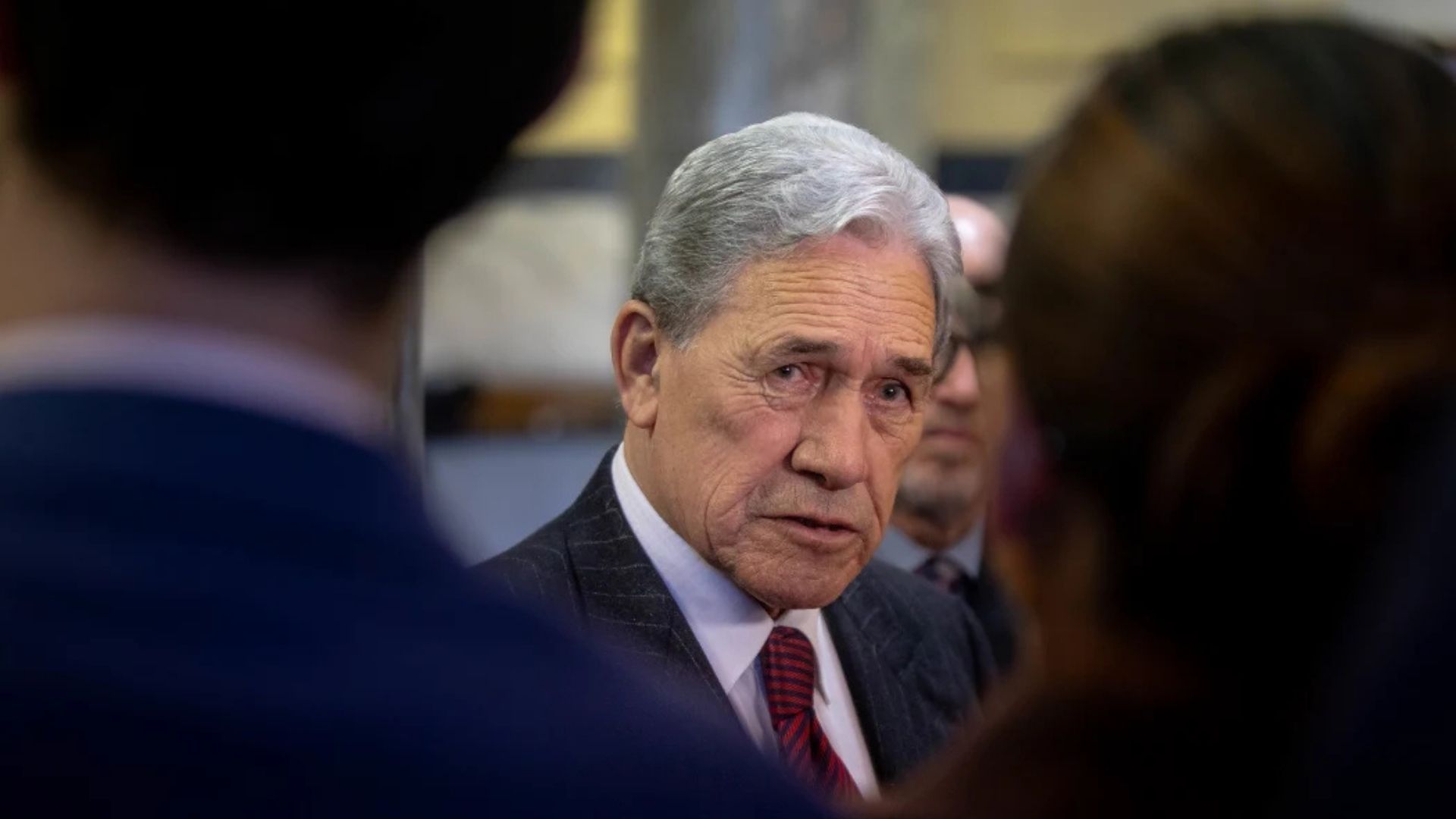
NZ First leader Vaovasamanaia Winston Peters. Photo/Supplied
NZ First leader Vaovasamanaia Winston Peters also criticised the plan, saying the funding would ultimately come from taxpayers and other transport priorities.
As the election debate builds, scrutiny is now focusing on whether the policy reaches those under the most financial pressure or whether it mainly benefits regular commuters already using public transport.