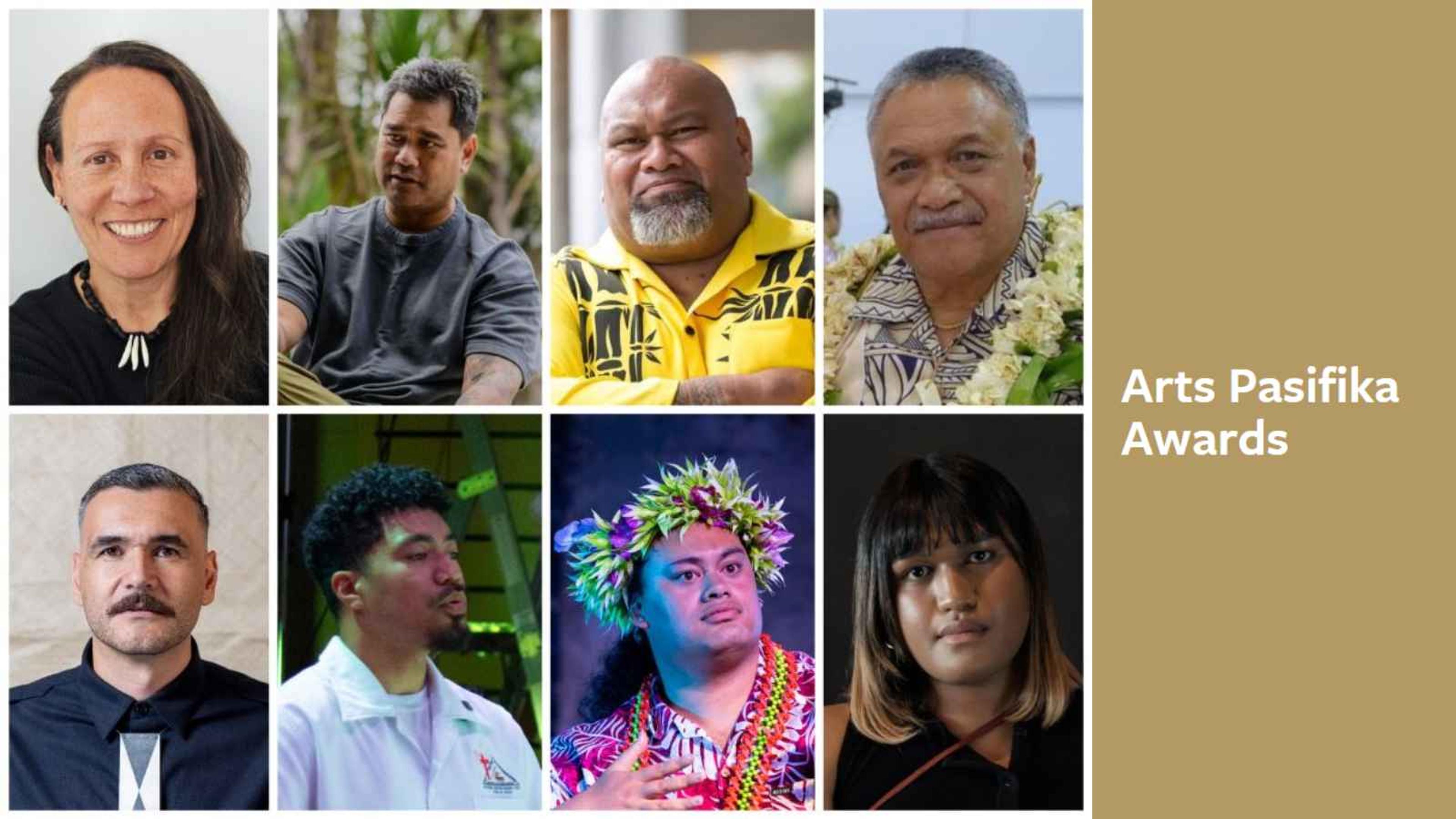
Tofiga Fepulea’i brings the laughs while taking top honours at Arts Pasifika Awards
Aui'a Vaimaila Leatinu'uFri, 23 Oct
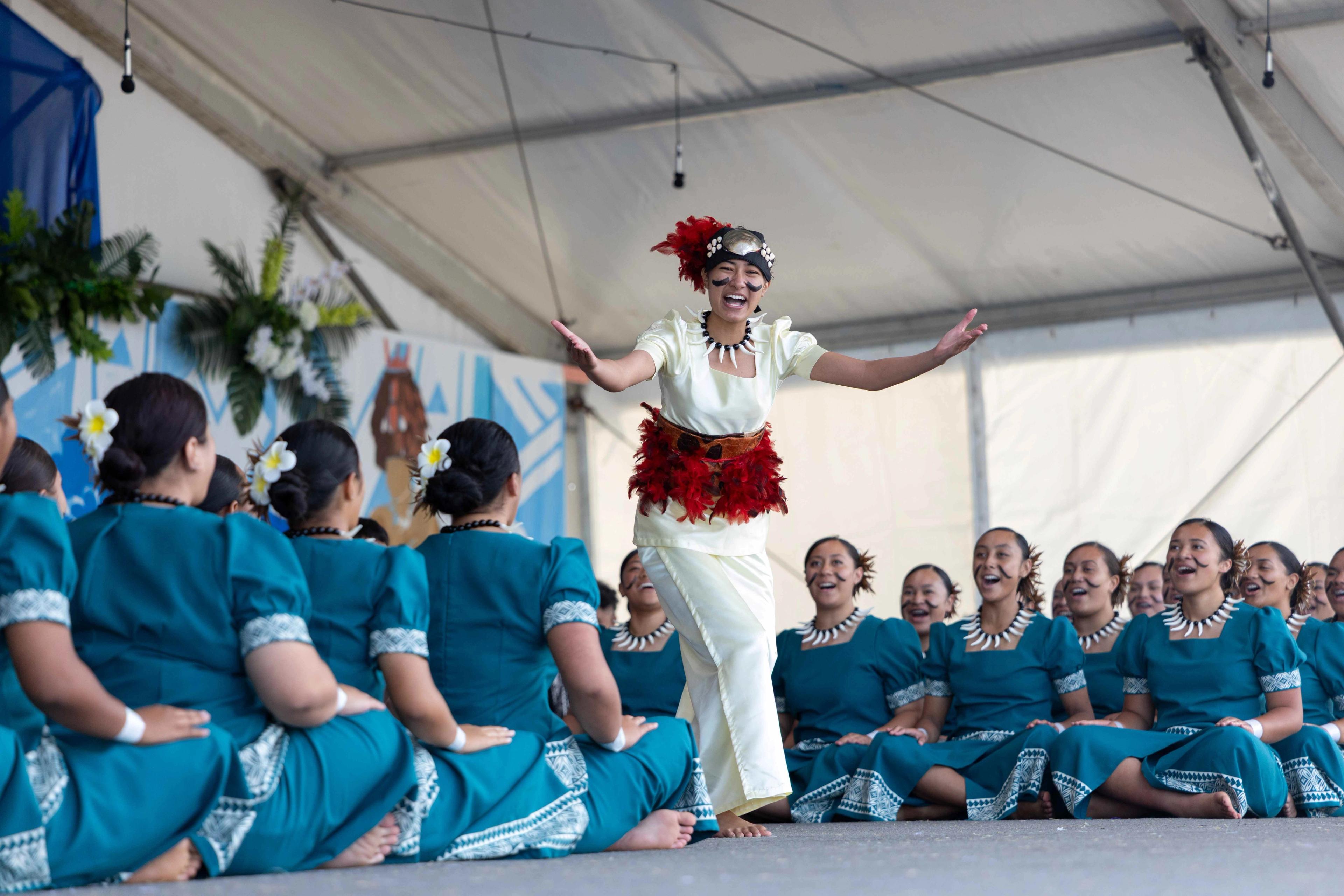
Avondale College students perform on stage at ASB Polyfest 2026, marking the festival’s 51st year.
Photo/ASB Polyfest/Thomas Wandstraat
As Auckland’s biggest Māori and Pacific youth festival grows, councillors warn more support could mean less for other community events.


ASB Polyfest is one of the biggest celebrations of Māori and Pacific youth culture in Aotearoa New Zealand.
But as it continues to grow, a tough question is emerging: who should pay for it?
Now in its 51st year, the festival brings together thousands of secondary school students to perform, compete, and celebrate who they are.
For many, it is more than a festival. It is a place to connect with culture, language, and identity.
Alf Filipaina, Manukau ward councillor, says its value is clear.
“It’s identifying your culture… learning about where you come from… and having no shame about the fact that you’re Sāmoan, you’re Tongan, you’re Niue, you’re Cook Island,” he said.
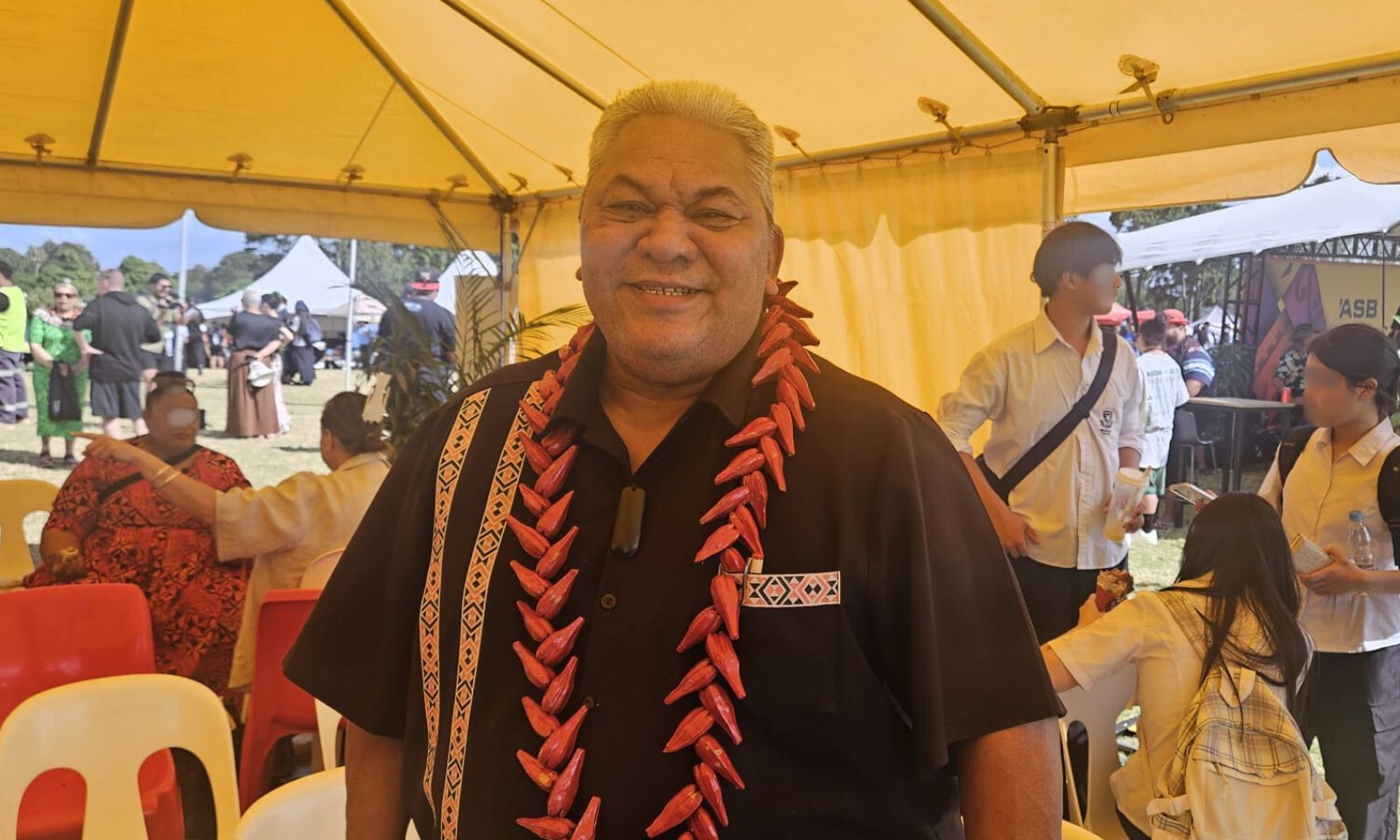
Manukau ward councillor Alf Filipaina at ASB Polyfest 2026, where he said he intends to explore multi-year funding options for the festival. Photo/PMN News/Taelegalolo'u Mary Afemata
But behind the colour and energy, the cost of running Polyfest is rising and funding is not keeping up.
Auckland Council receives between $1.3 million and $1.6 million in applications for community events. But only has $475,000 to distribute. Polyfest already receives the largest share.
“The biggest chunk of that money… 16 per cent, goes to Polyfest because we know as a council… it needs our support,” Filipaina said.
He says increasing funding for one event comes with trade-offs.
“What I don’t want to do personally is… say to groups… sorry, we cannot put your event on in Tāmaki Makaurau because we’re giving more and more to one.”
Polyfest is expanding in size and scale, operating as “one festival, two events” across separate Pasifika and Māori programmes.
Changes are already planned for next year, including relocating the Samoan stage to the former greyhound track to manage growing crowds, with the Diversity stage set to take its place.
A Polyfest Trust case study shows the festival operates on around $2.2 million a year, despite needing closer to $3 million to run properly. Entry fees bring in just $209,000, only a small part of total income.
Manukau councillor Lotu Fuli says the burden mostly falls back on organisers and the community.
“It’s unfortunate because that is the funding model. They have to go out and find funding every single year,” she said.
Fuli said funding cuts have made things harder. “They’ve done that… across the board for things that are Māori and Pasifika.”
Without proper support, she says, the impact is clear.
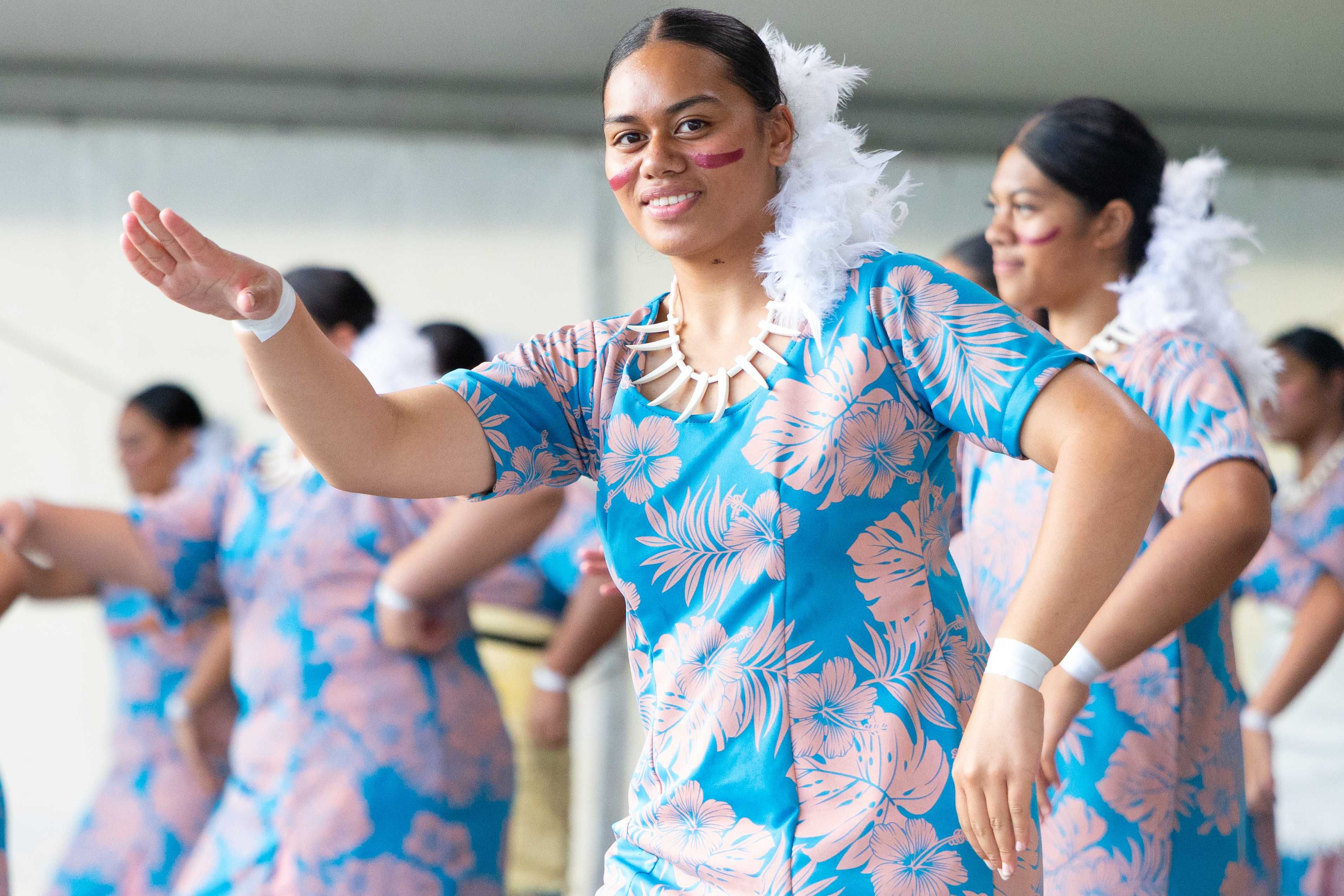
Birkenhead College students perform during ASB Polyfest 2026, in the festival’s 51st year. Photo/ASB Polyfest/Thomas Wandstraat
“If they don’t have funding… either it gets cancelled, or it gets downgraded,” she said. “It is an amazing festival… run at a world-class level, but that costs money.”
Much of the work behind the ASB Polyfest is unpaid, with families, tutors, and communities giving time to support the students.
“We have to work that way as a community because we don’t have the funding to hire people to do the jobs,” Fuli said. “It is a labour of love… that legacy goes on and carries on.”
Seiuli Terry-Mauʻu, Polyfest Director, says long-term funding is critical. “Sustainable funding is essential for providing certainty… facilitating effective scenario planning and enabling weather contingencies.”
Simon Craggs, chair of the Polyfest Trust, says the festival’s value goes far beyond its cost. “Polyfest is more than just a high school event. It’s the cultural heartbeat of Tāmaki Makaurau.”
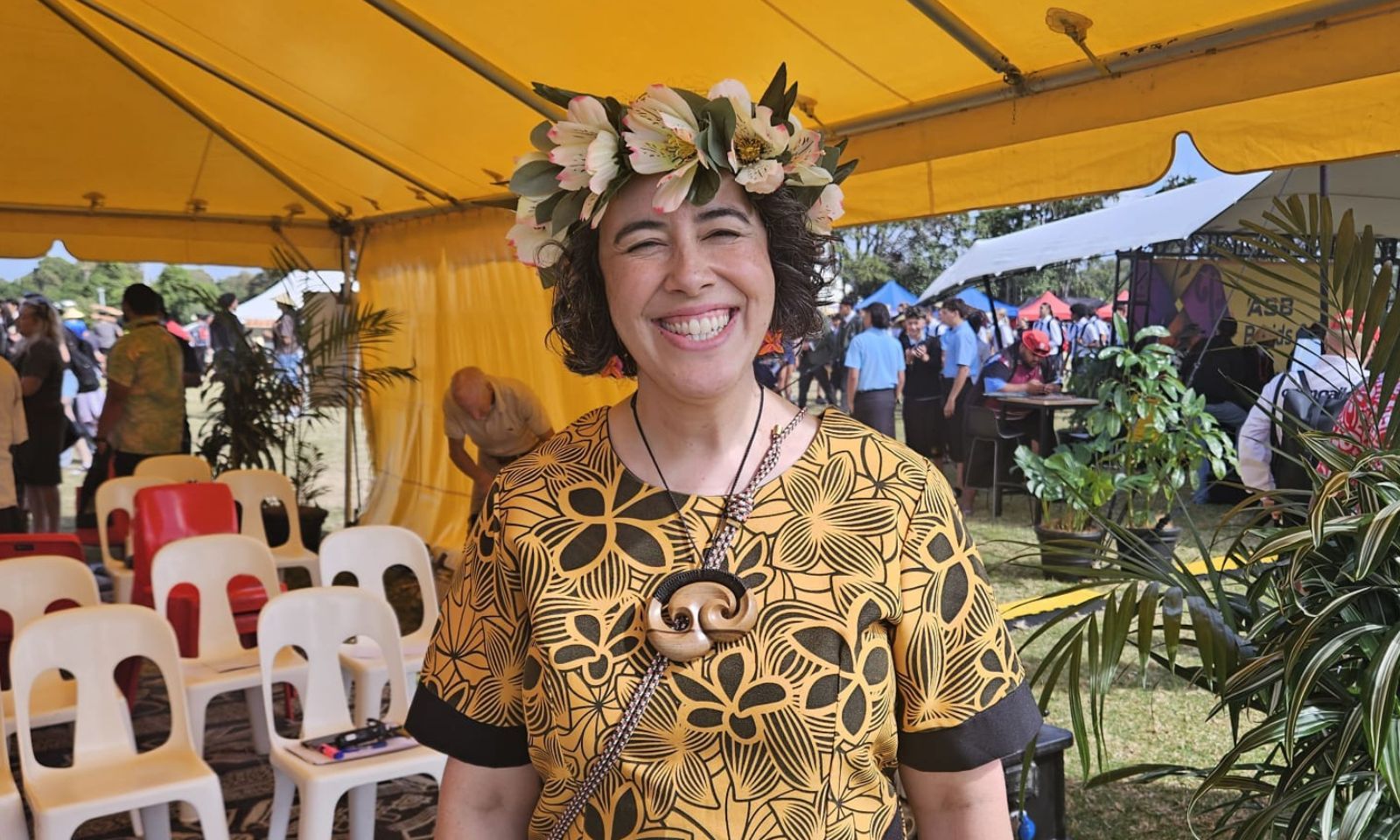
Children’s Commissioner Dr Claire Achmad at ASB Polyfest 2026, where she said events like Polyfest are “incredibly special” and “absolutely essential” for young people’s culture and identity. Photo/PMN News/Taelegalolo'u Mary Afemata
Dr Claire Achmad, Children’s Commissioner, says events like Polyfest are vital for young people.
“Events like ASB Polyfest are incredibly special. They bring together mokopuna around their culture and their identity, their connection to one another…” she said. “Pro-social events that centre culture and identity… are absolutely essential.”
For many in the community, Polyfest is about more than performance. It is about belonging.
“When I hear ASB Polyfest, all five senses start to tingle,” Niuafolau Joel Amosa, co-chair of the ASB Pasifika Network, said. “The aroma of island food, the fragrances of gardenia and frangipani, the proud colours of all our cultures on display, the thunderous performances on stage, the roaring supportive audiences.
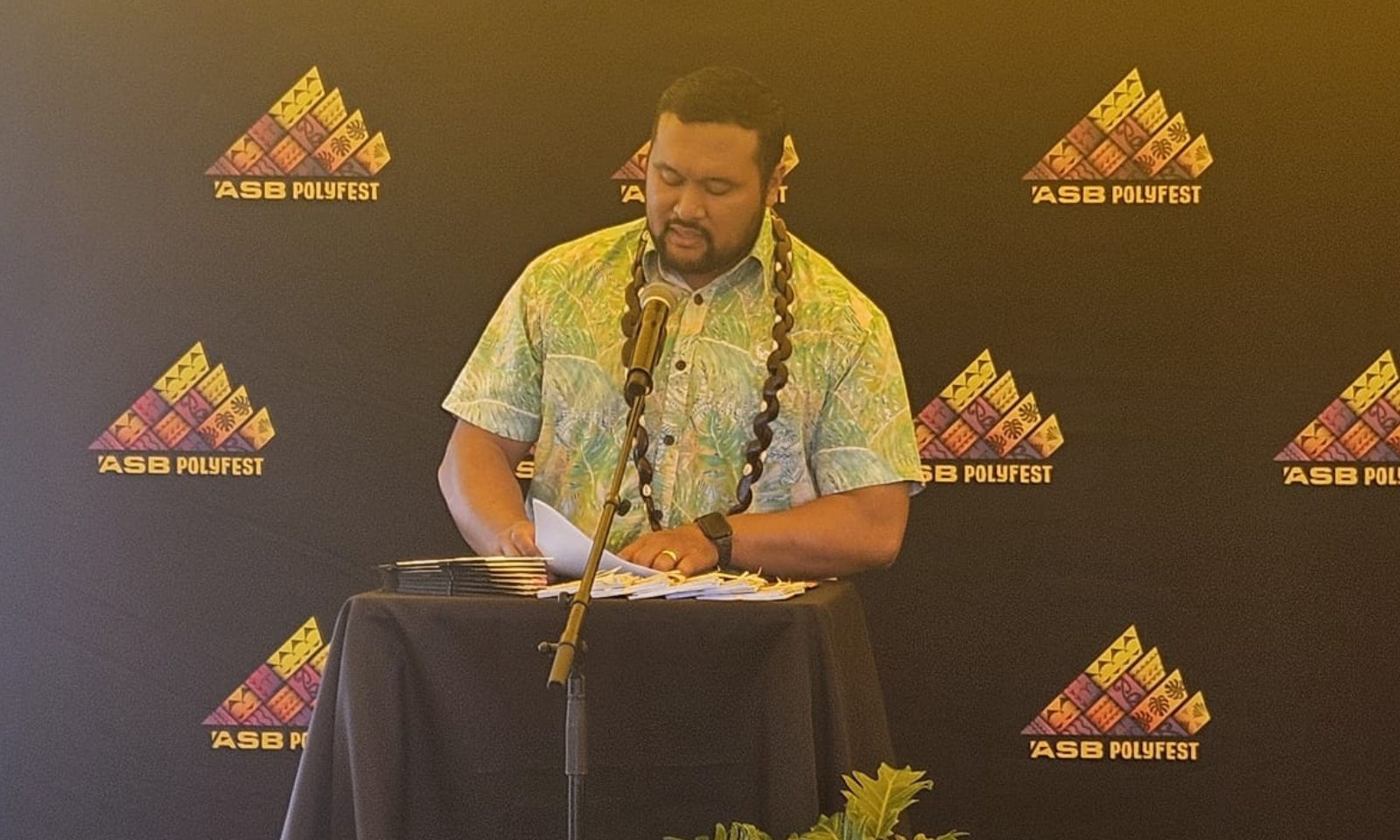
ASB Pasifika Network co-chair Niuafolau Joel Amosa at ASB Polyfest 2026, marking 51 years, where he described the festival as an experience that engages “all five senses” through food, performance and culture. Photo/PMN News/Taelegalolo'u Mary Afemata.
“I see the months, weeks and long nights of rehearsals. I see unity, where everyone is now closer, connected through song and dance, representing something bigger than ourselves. I see our ‘why’ on display. I see proud parents, grandparents and friends.”
For now councillors say they are looking at options including longer-term funding to give organisers more certainty.
“If other organisations… funding agencies could do the same… that’s the difference.”
As Polyfest continues to grow, the challenge is clear: how to support one of the Pacific’s most improtant cultural events without leaving others behind.
*This story has been updated to correct a photo caption of Niuafolau Joel Amosa: He is the ASB Pasifika Network co-chair and not ASB Polyfest Trust co-chair as captioned earlier.
LDR is local body journalism co-funded by RNZ and NZ On Air.