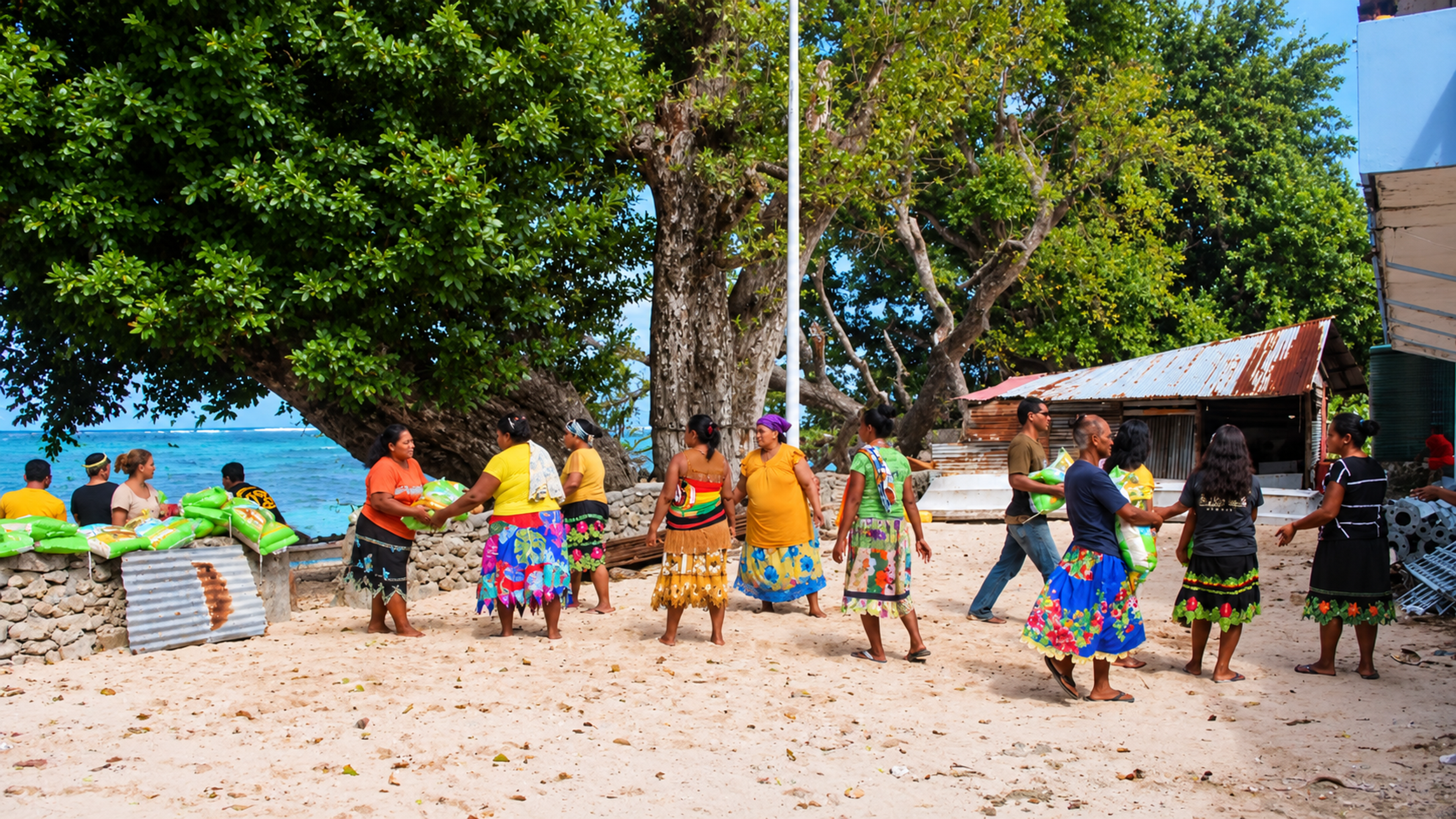
El Niño tightens grip on Pacific as authorities warn of drought and extreme weather
Lachlan EddieFri, 23 Oct
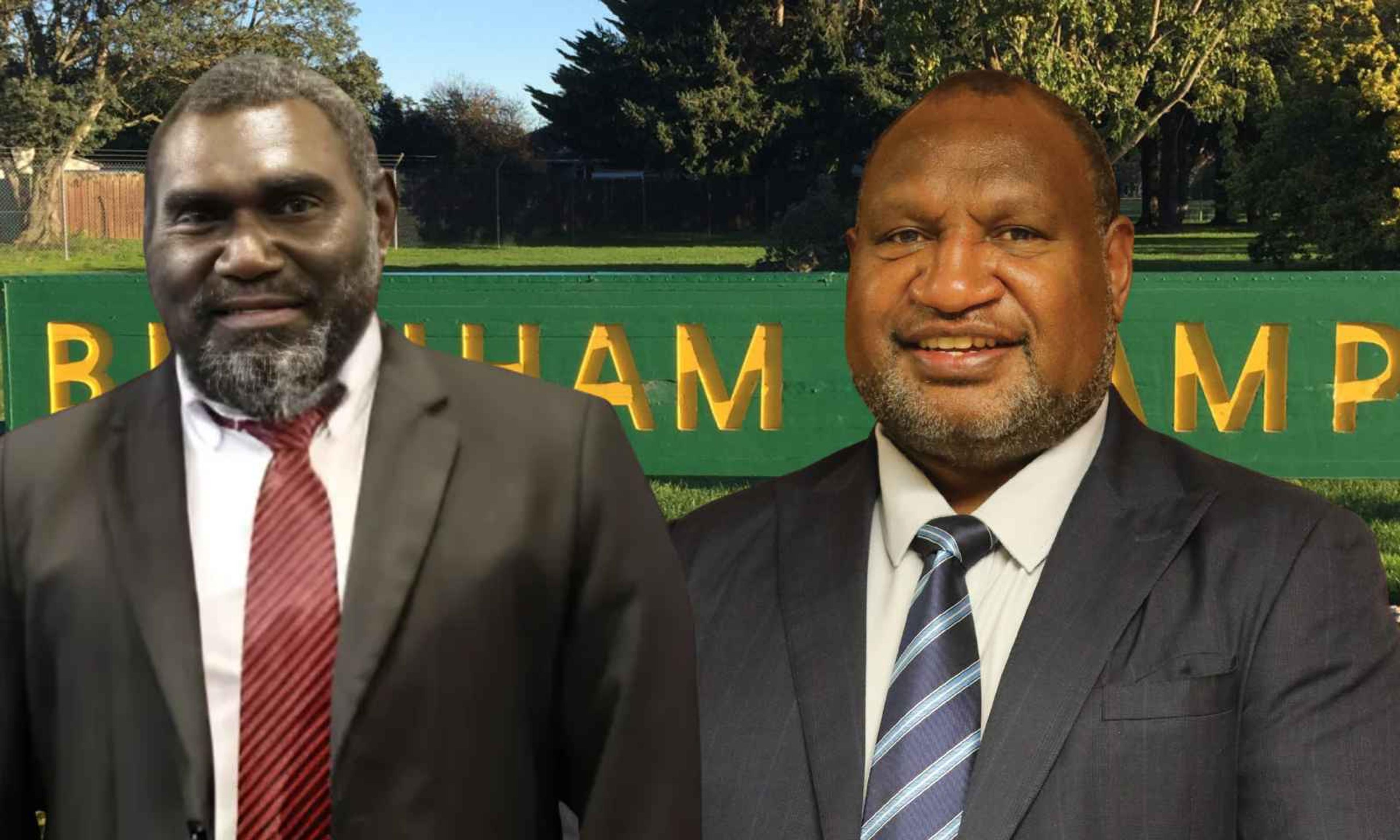
Bougainville President Ishmael Toroama and Papua New Guinea Prime Minister James Marape have led talks on Bougainville's political future since the region voted overwhelmingly for independence in 2019.
Photo/Supplied/PMN News composite
A row over how Bougainville’s referendum results will be handled has escalated after Speaker Simon Pentanu challenged a parliamentary process in Papua New Guinea.

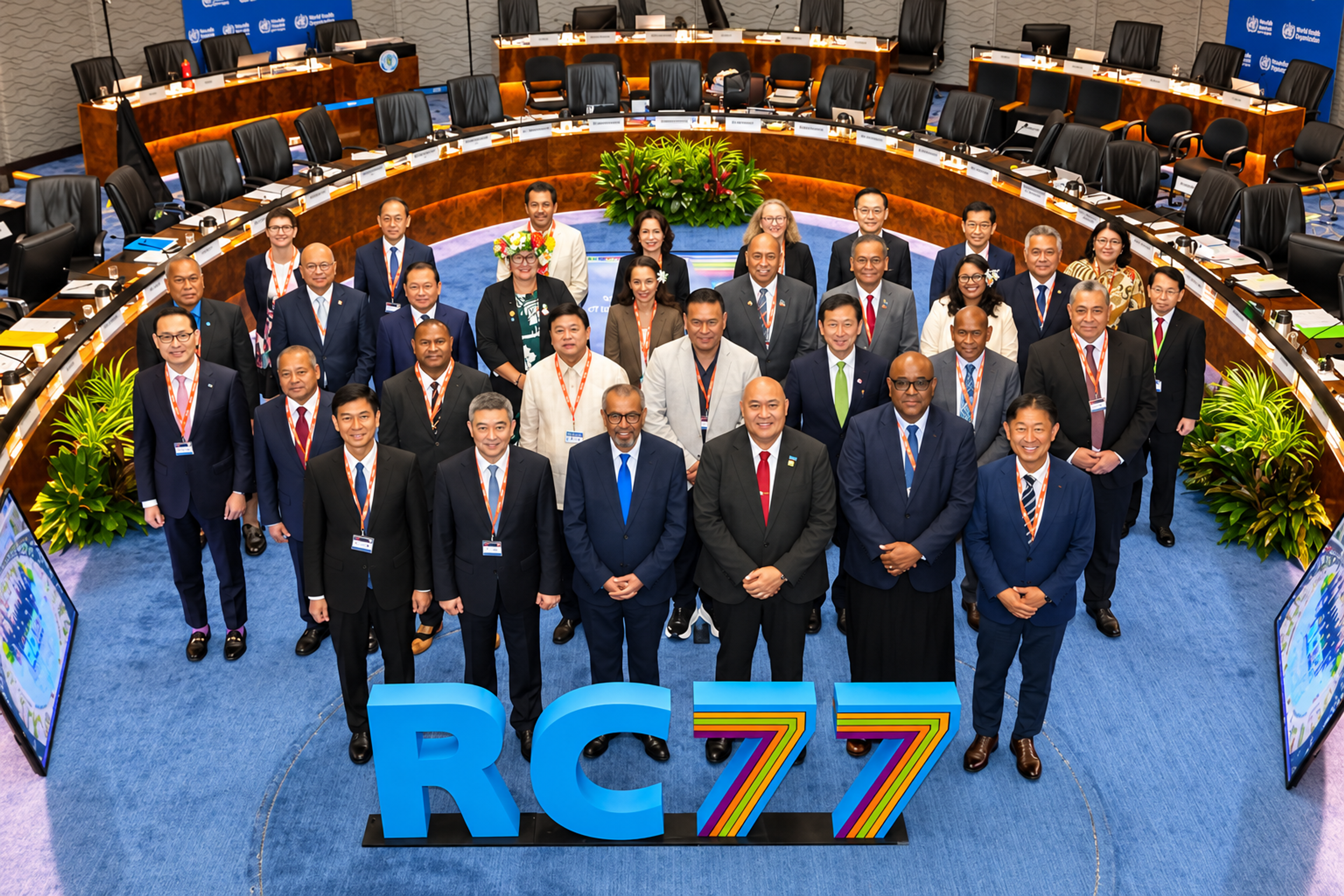
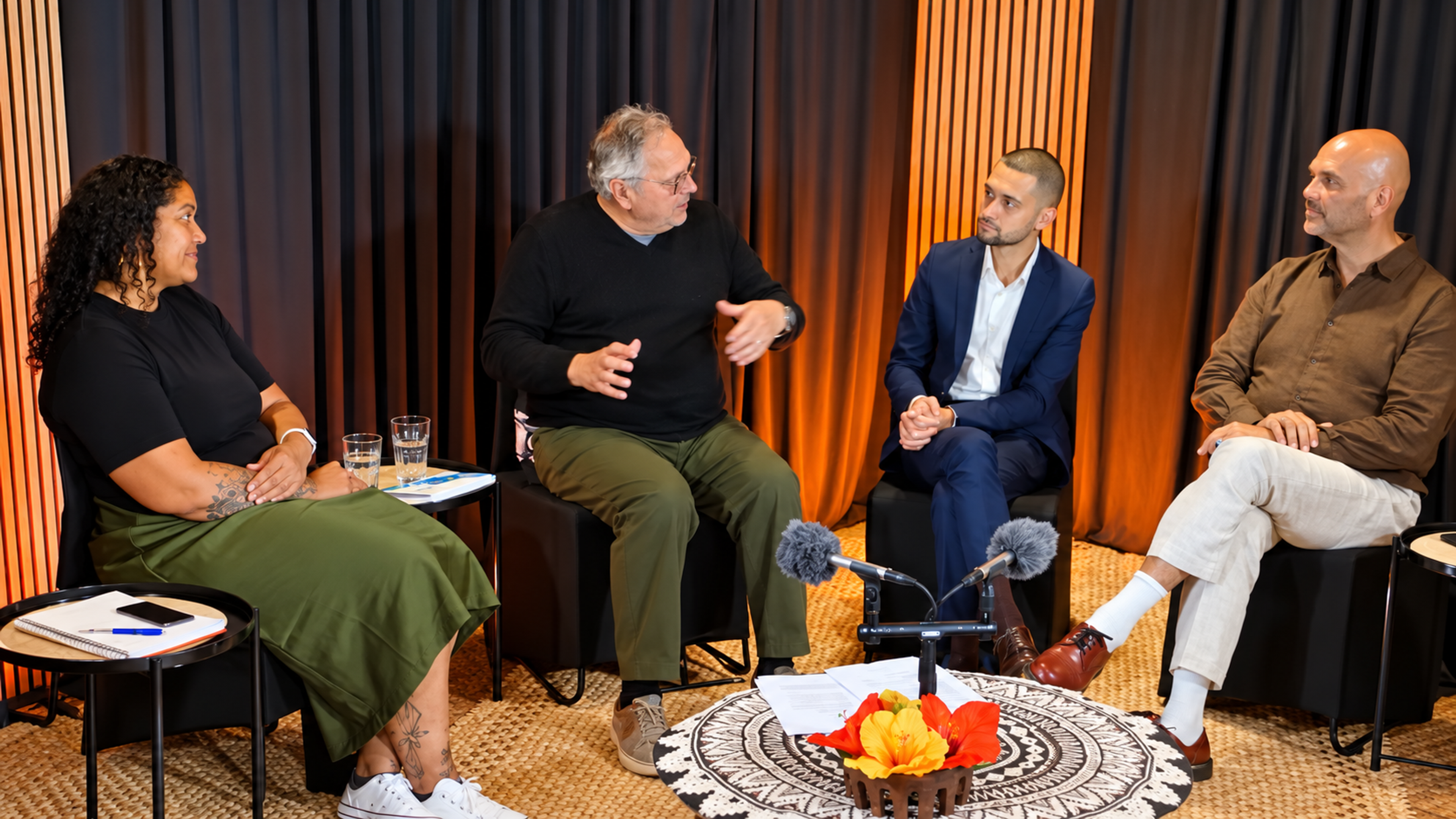
A growing political dispute between Bougainville and Papua New Guinea has come into sharper focus after Bougainville Speaker Simon Pentanu publicly questioned how a key parliamentary sessional order on independence was drafted and adopted.
Pentanu says key parts of the agreement were never finalised and that the final motion, presented in PNG’s National Parliament, was different from what had been discussed during talks in Fiji.
The PNG government, however, says the voting rules are not a matter for political negotiation, arguing they are required under the country's Constitution.
It argues that the process and the voting rules are not open to political negotiation because they are grounded in the country’s Constitution.
The dispute comes as Bougainville continues its long-running push for independence from Papua New Guinea after more than 98 per cent of voters supported statehood in the autonomous region's landmark 2019 referendum.
According to the PNG government ministerial statement, the three-quarter absolute majority requirement is based on Section 342 of the PNG Constitution, which governs any decision that would lead to changes in sovereignty or national borders.
PNG argues this is not a political preference but a legal requirement designed to protect the country’s constitutional integrity.
Under that system, the proposed vote on Bougainville’s future would require 89 votes in a 118-seat parliament to pass. This is what is known as a three-quarter absolute majority.
Government MPs have argued this high threshold is intentional. Because decisions involving sovereignty are considered permanent and far-reaching, they say such changes must have overwhelming parliamentary support, not just a narrow win.
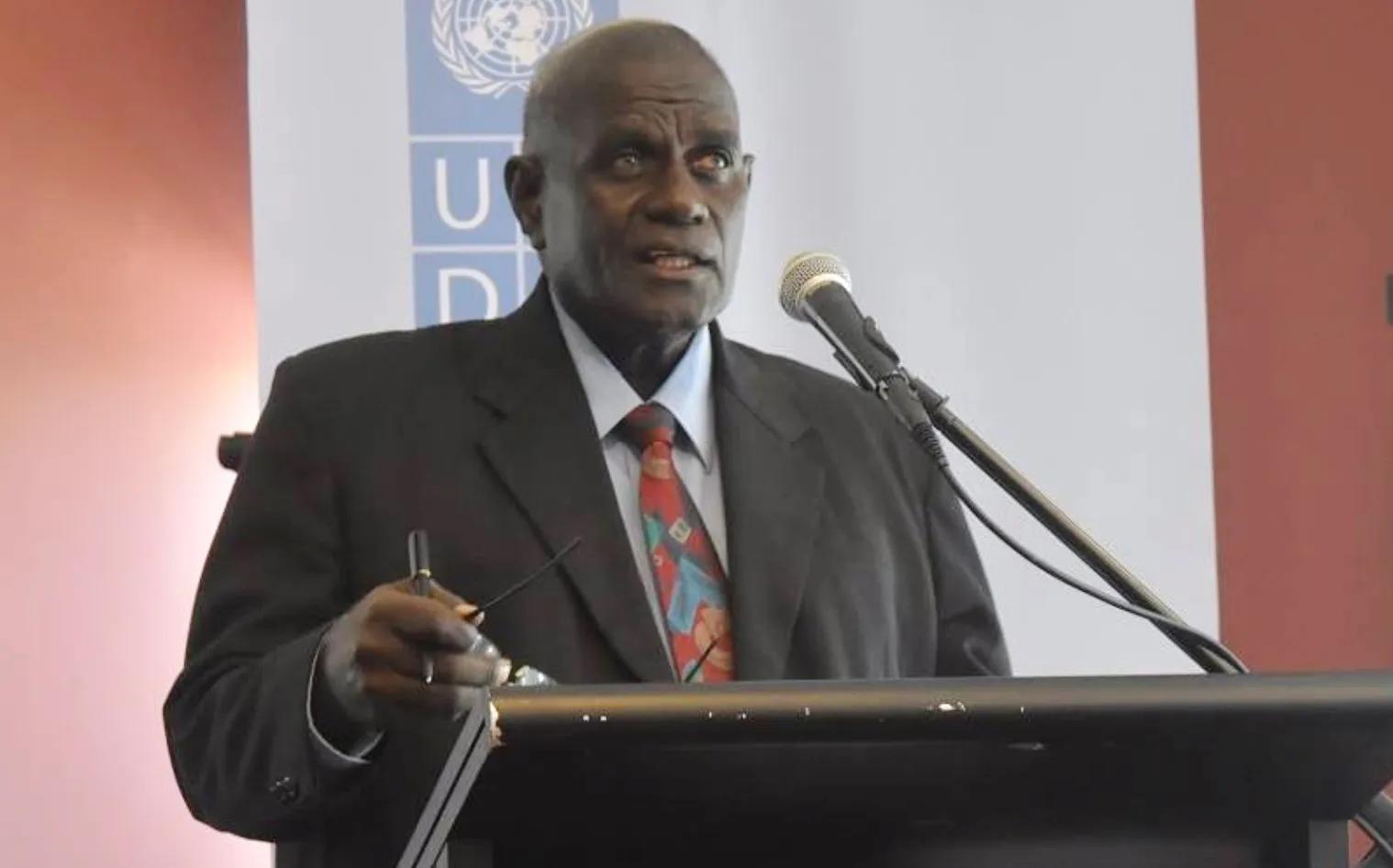
Bougainville House of Representatives Speaker Simon Pentanu says key issues were never agreed during talks on how the region's referendum result should be handled by PNG's National Parliament.
Prime Minister James Marape has defended that position, telling Parliament last week: “The referendum result matters and must always be respected but Parliament must also make decisions in accordance with constitutional provisions and through consultation.”
Marape said Bougainville's vote for independence must be respected but argued that the Constitution sets out a process that Parliament is required to follow before any final decision can be made.
Speaker Pentanu says Bougainville’s understanding of earlier consultations was different.
He argues that both sides had previously worked on the basis of a simple majority where more MPs vote “yes” than “no” on the day.
In his statement, he said discussions in Fiji between parliamentary officials and Speakers did not resolve two key issues: the wording of the motion and the voting threshold.
“We did not reach agreement on the voting majority on the motion to be put to the Parliament,” he said.
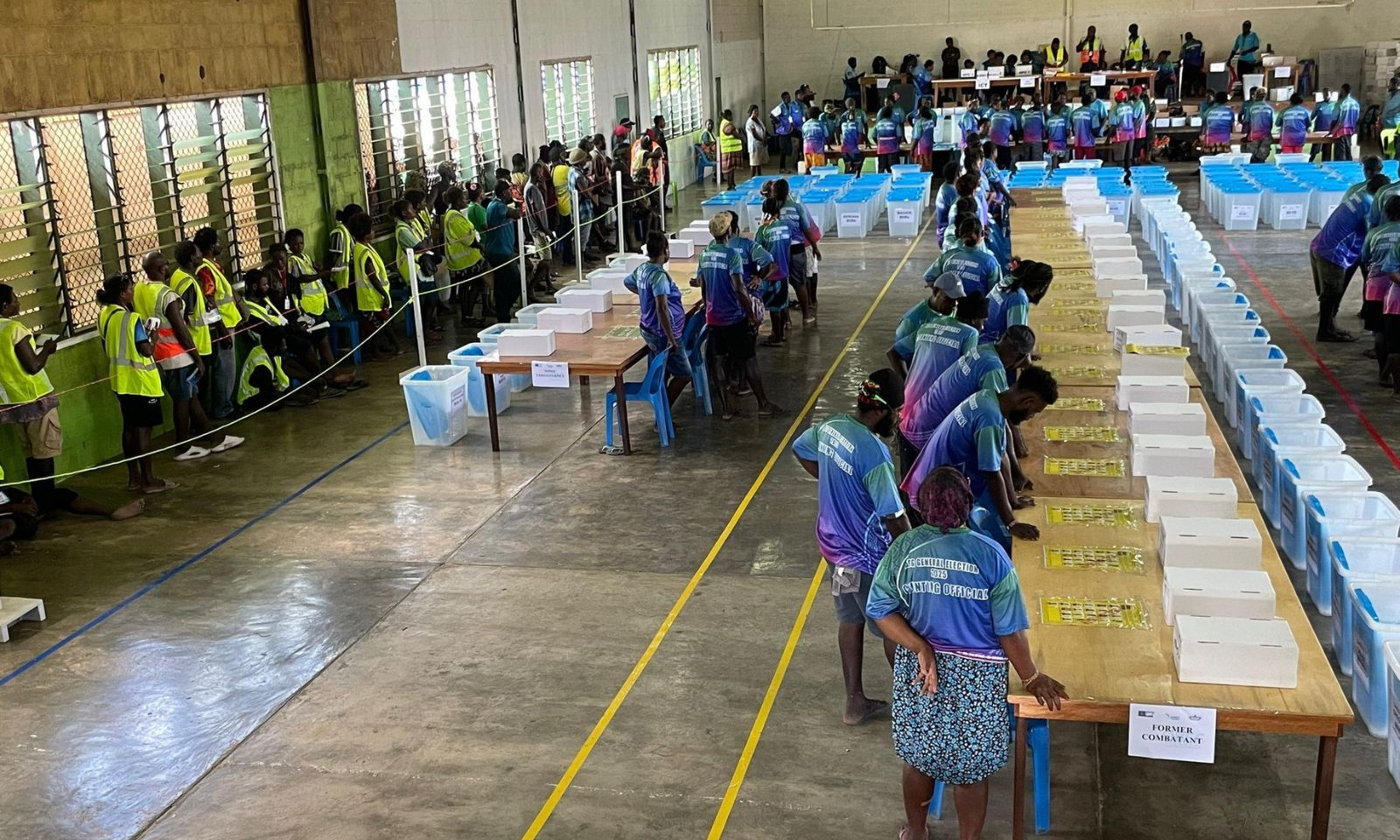
Bougainville residents queue to cast their votes during the region's historic independence referendum in 2019, when more than 98 per cent of voters backed independence from Papua New Guinea. Photo/Autonomous Bogainville Government (ABG)
He also disputed the final wording adopted in PNG’s Parliament, saying it was not the same as what was tabled during talks.
“It is totally a different question,” Pentanu said. “It is a direct question on the referendum result. The motion adopted states, ‘That the National Parliament accepts the Referendum Results.’ This is not what was discussed or agreed.”
At the centre of the dispute is how Bougainville’s 2019 independence referendum result should be handled.
In that vote, more than 98 per cent of Bougainville voters backed independence from PNG. It was widely seen as one of the strongest pro-independence mandates in the world.
Bougainville leaders say that setting the parliamentary bar at 89 votes creates an extremely high hurdle that could effectively block or delay the referendum outcome, regardless of public support in Bougainville.
PNG maintains that the referendum is only one part of a broader constitutional process. It says the final decision must still pass through Parliament under strict legal rules.
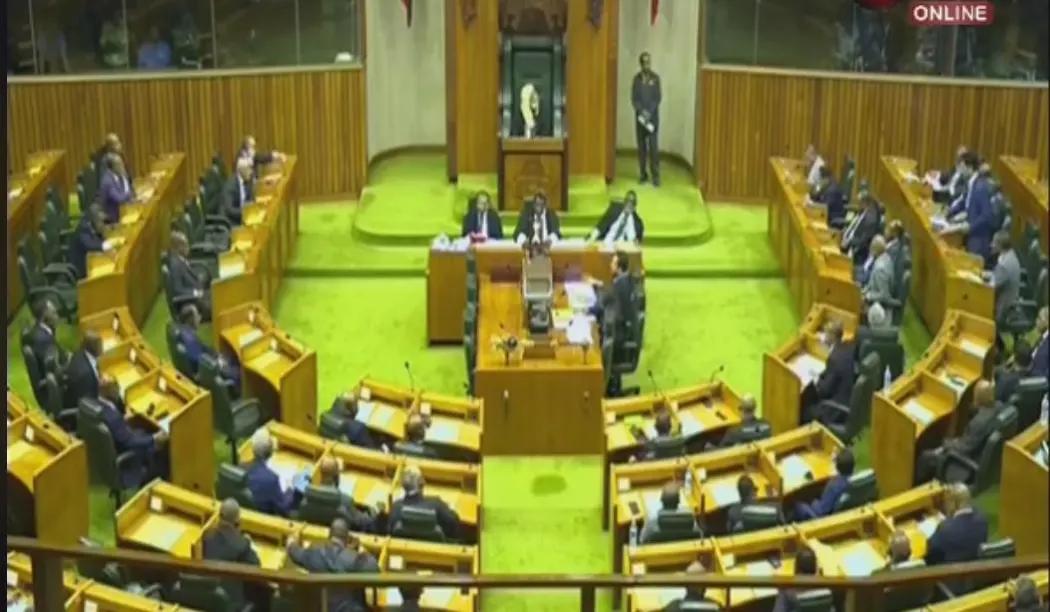
Papua New Guinea's National Parliament has adopted a sessional order requiring a three-quarter majority vote on Bougainville's referendum outcome, a move defended by the government as a constitutional requirement. Photo/EMTV/screengrab
Marape has also stressed that Parliament's role is not simply to endorse or reject the referendum result.
“The people of Bougainville have expressed their will through the referendum, and we respect that completely. However, our Constitution provides a clear process. Consultations must be completed and the outcome presented to Parliament, which holds the final decision-making authority. As Prime Minister, I cannot bypass that process.”
He has previously argued that any decision by Parliament must also address the practical and political realities facing both Bougainville and Papua New Guinea.
The difference between the two positions comes down to this:
A simple majority means more votes “yes” than “no” on the day. In a divided parliament, that could be as low as 60 out of 118 MPs.
A three-quarter absolute majority means at least 89 MPs must agree, an unusually high bar in any parliamentary system.
In practice, reaching 89 votes in PNG’s highly fragmented and often shifting political environment is widely seen as extremely difficult.
Pentanu has also raised concern that a follow-up meeting planned in Port Moresby never took place, saying the process agreed during talks was not completed.
He said this has left Bougainville feeling misrepresented in how the sessional order was finalised.
Despite the tensions, he said he still hopes dialogue will continue.
PNG, meanwhile, continues to insist it is acting within its constitutional obligations.
For now, the dispute highlights the growing tension between Bougainville's overwhelming vote for independence and the constitutional process PNG says must still be followed before any final decision can be made.