
Tofiga Fepulea’i brings the laughs while taking top honours at Arts Pasifika Awards
Aui'a Vaimaila Leatinu'uFri, 23 Oct
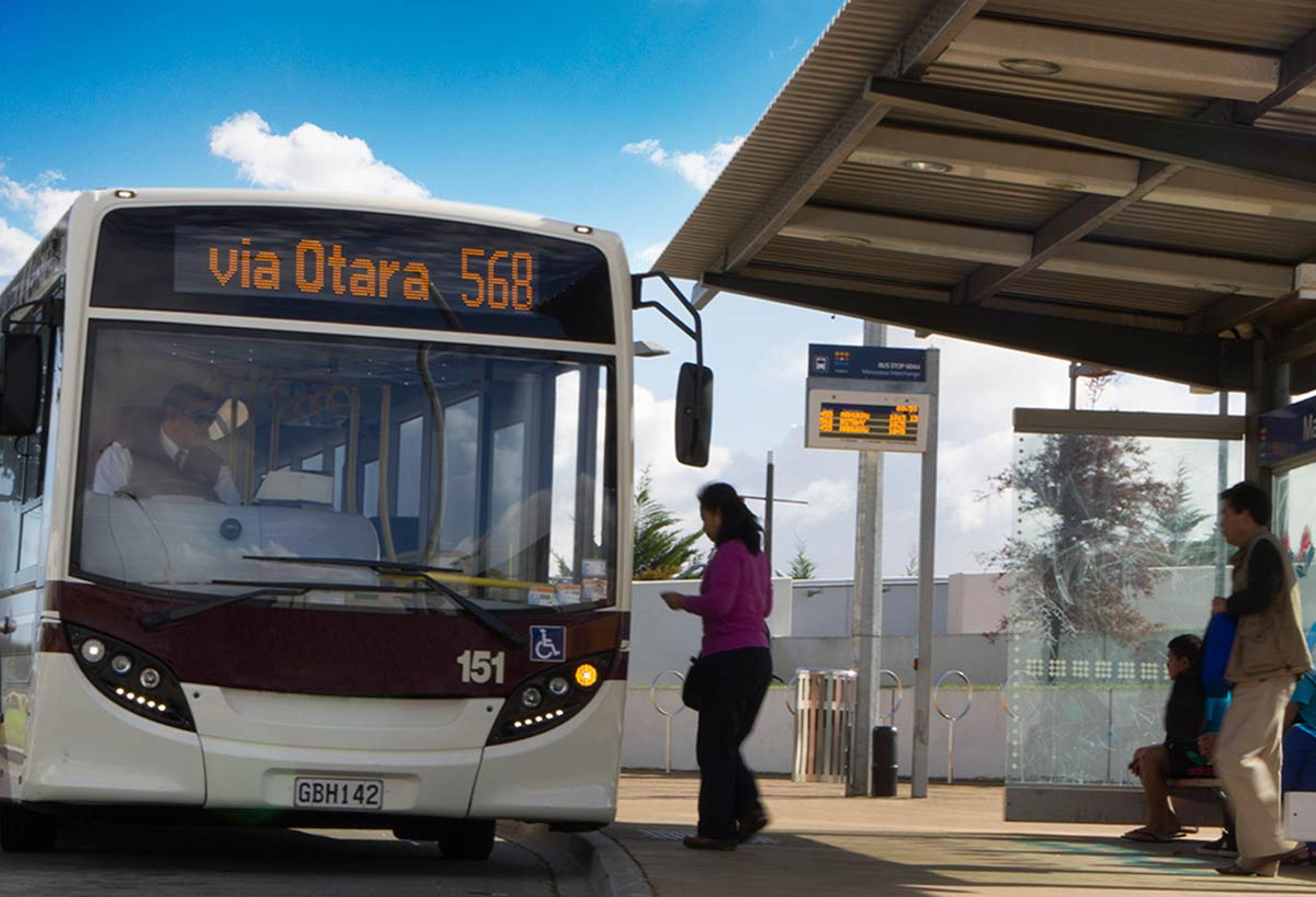
Bus fares rose from 1 February, drawing mixed responses.
Photo/Auckland Transport
As bus and train fares rise from 1 February, some say low-income households are feeling the impact most, while others accept the cost of public services.


“Nothing is free,” South Auckland resident Lepa says of Auckland’s latest public transport fare increase.
Lepa acknowledges the need to contribute to public services while warning that even small rises can quickly become unaffordable for people on low incomes.
From 1 February, Auckland bus and train fares increased by between 10 and 25 cents per trip following Auckland Transport’s (AT) annual price review.
AT says the increase, averaging 5.1 per cent, was kept as low as possible despite operating costs rising by more than 10 per cent over the past year.
Local Democracy Reporting spoke with commuters outside the Manukau Station, where opinions were mixed as residents continue to grapple with cost-of-living pressures.
Auckland Transport recorded about 44.5 million public transport boardings in the year to December 2025. This underlines how many Aucklanders rely on buses and trains every day.
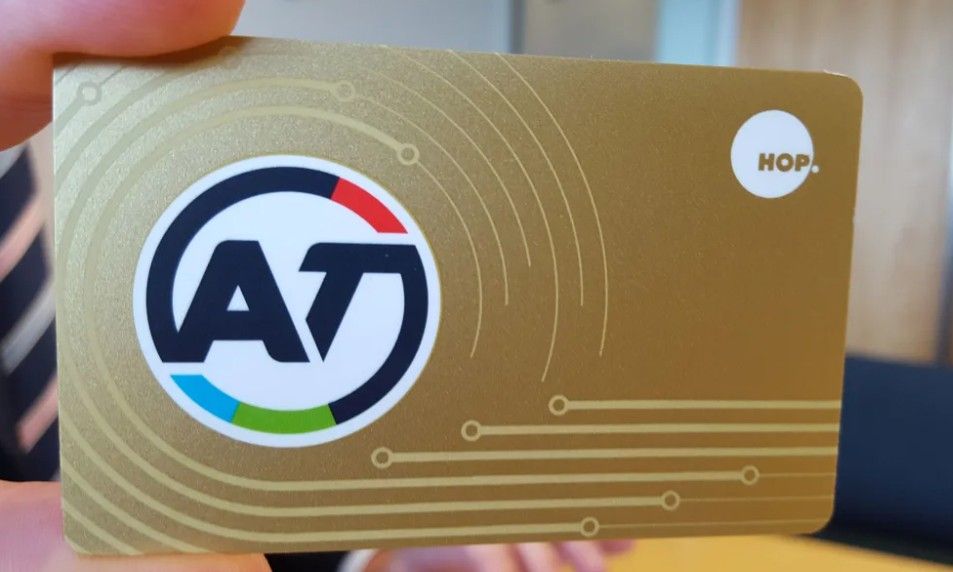
AT says the $50 weekly fare cap remains, with discounted fares for Community Services Card holders and free SuperGold Card travel. Photo/RNZ
Lepa, a SuperGold Card holder who uses public transport for free, said her concern was not her own costs but the wider impact on low-income families who depend on public transport every day.
“Even 10 or 20 cents, it adds up,” she said. “Millionaires, 20 cents is nothing. To us, it’s a lot of money going out from your bank.”
Lepa said any fare increase needed to be matched by improvements in safety so people felt confident continuing to use public transport.
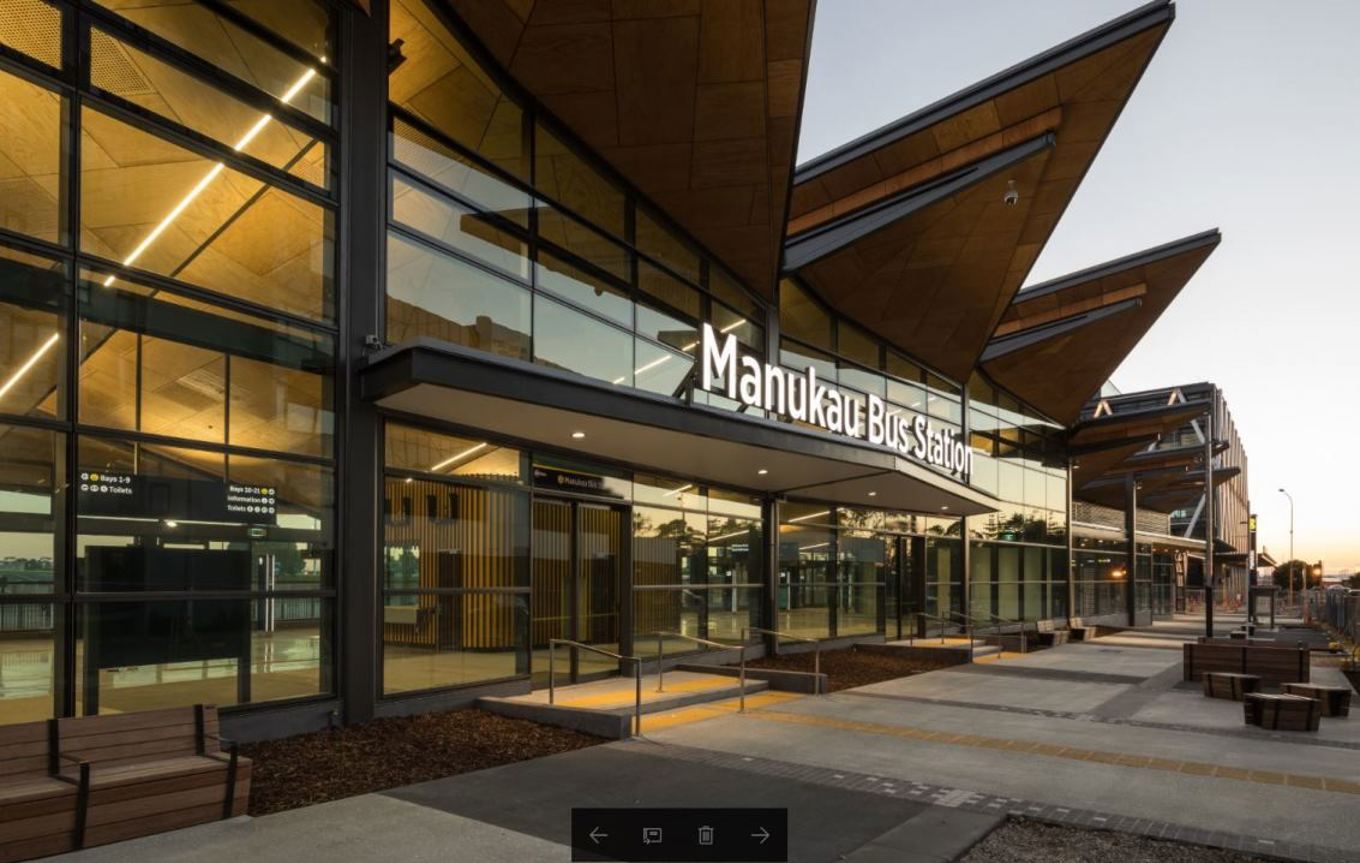
Manukau Bus Station, a key public transport hub in South Auckland. Photo/Auckland Council
“We cannot ask for free things all the time,” she said. “If we want safety on the bus, maybe we discipline ourselves and put aside 20 cents so they can add security. But they also need to be fair and consider low-income people and the cost of living.”
Concerns about assaults on buses had discouraged some people from travelling, she said. “People like us should be protected so that we are encouraged to go on public transport. Otherwise, I’m too scared.”
Others were more accepting of the changes. Wayne, who had not noticed the fare rise, said it was part of paying for public services. “That’s fine. You’ve got to pay your way, right? You pay for your services and you get what you pay for.”
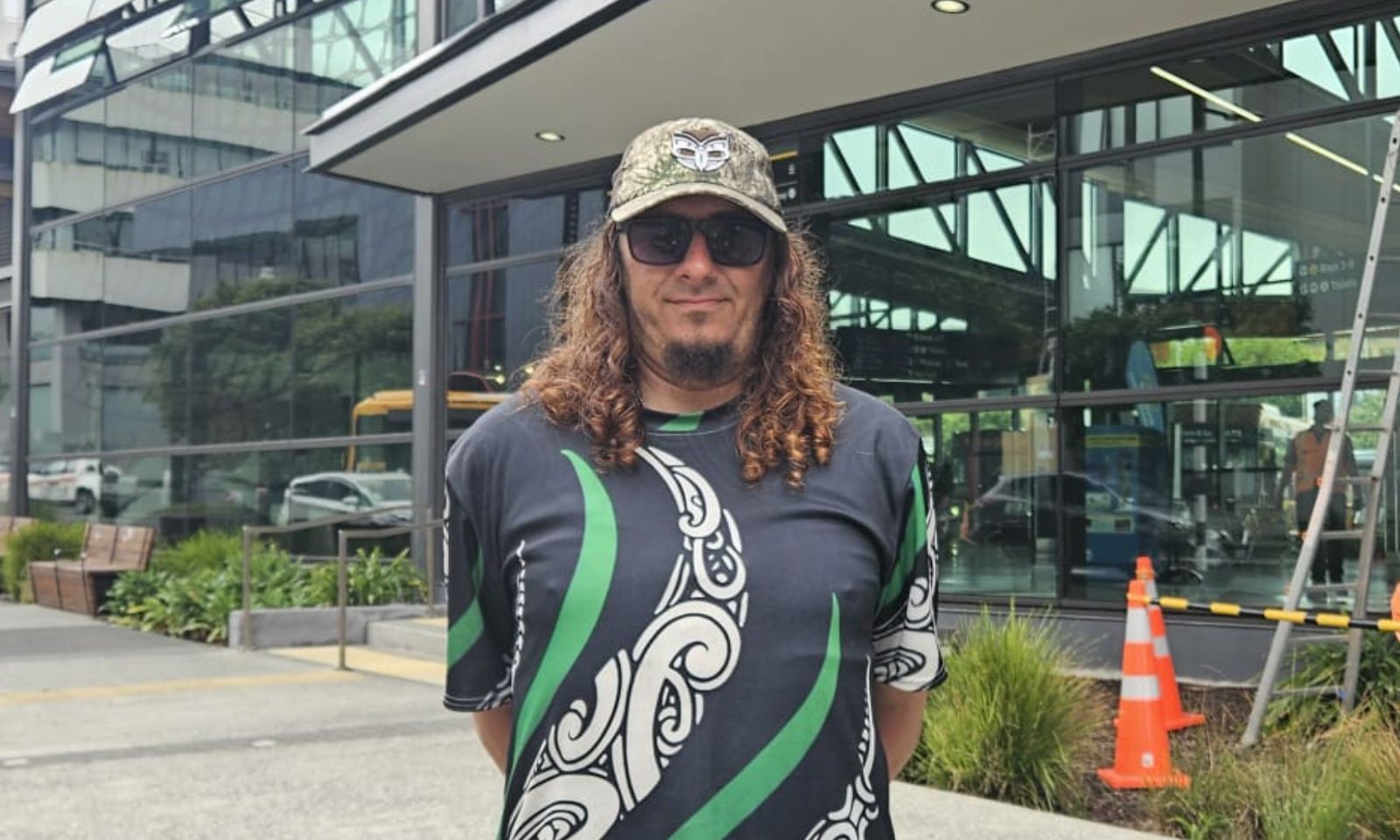
Wayne says the increase helps pay for public services. Photo/Taelegalolo'u Mary Afemata
For younger commuters, the increase raised concerns about access and budgeting. Saia, 18, a regular train user, said rising fares could limit public transport use for disadvantaged households.
“I feel like, as a society today, and with how financially some families are struggling, if the price is going up it may affect disadvantaged families, like not being able to catch public transport.”
Saia said the change would also affect how he planned his weekly spending.
“Not really knowing how much money I need to add to my card each day means I have to rethink how much I need to save for a week,” he said.
Hame, 16, agreed, saying even small increases could hit those with the least financial flexibility. “People that don’t have that much income, it may affect them in some way.”
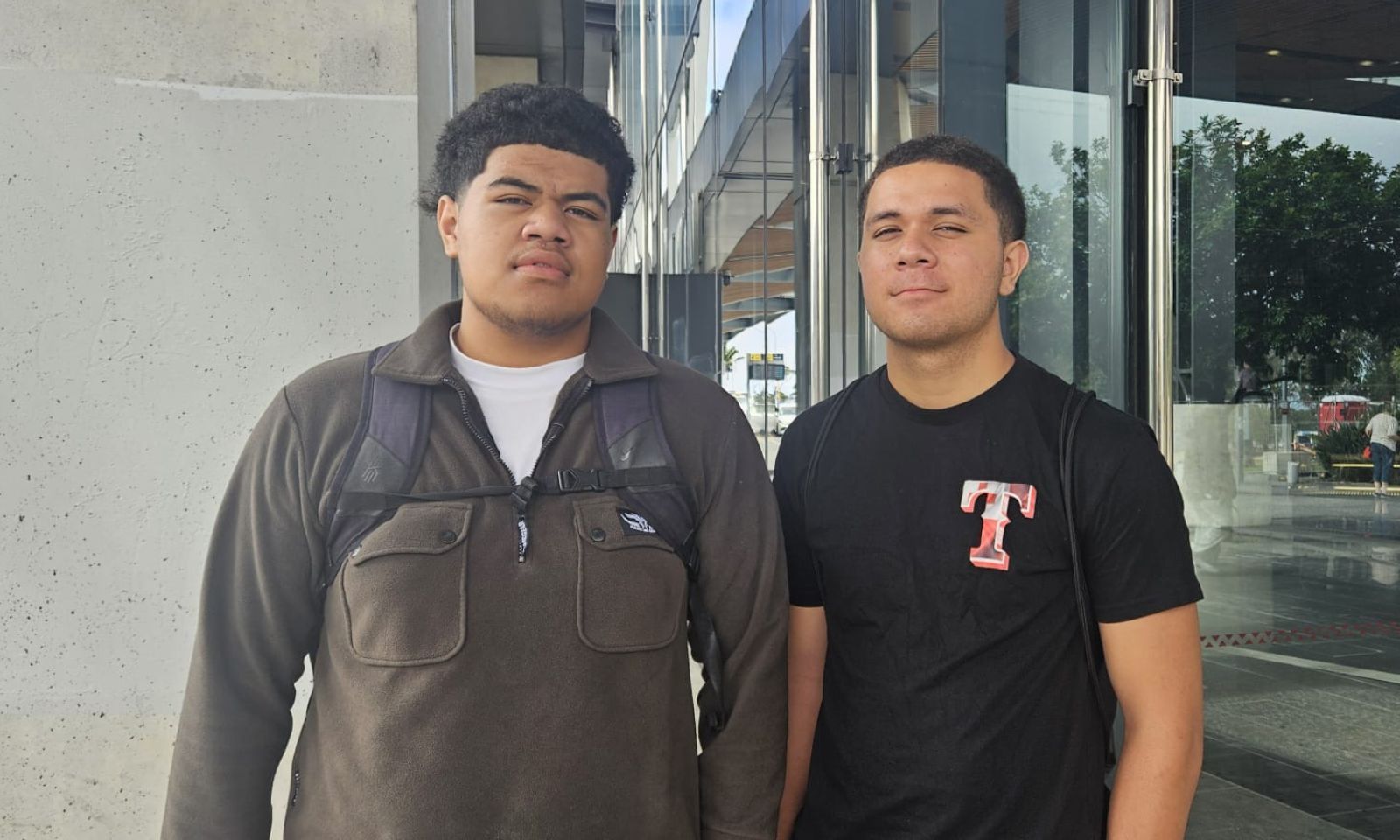
Hame, 16, and Saia, 18, say fare increases could impact low-income families. Photo/Taelegalolo'u Mary Afemata
Manukau ward councillor Lotu Fuli said Auckland Council and Auckland Transport were trying to balance affordability with rising costs.
“It’s a very fine balance,” Fuli said. “We’re trying to keep fares down as much as possible, but the cost of running public transport is going up.
She said factors such as fuel prices, wages, and reduced government funding all added pressure. “We don’t produce oil in New Zealand, so when international prices go up, it affects us here too. We also pay our workers a living wage, and that has to be factored in.”
Fuli said fare increases were not felt evenly across the city. “It hits our Pacific and South Auckland communities more than most, especially families in high-deprivation areas.
“Sometimes it’s actually cheaper for families to take the car,” she said. “That’s not good for the environment, and it’s not what we want.”

Manukau ward councillor Lotu Fuli acknowledges the challenge of balancing affordable fares with rising transport operating costs. Photo/file
On safety, Fuli said serious incidents on public transport were relatively rare but acknowledged perception mattered.
“Public transport is safe. But what people see on social media makes it feel unsafe, and that perception matters.”
Auckland Transport said the fare increase was part of its annual review and aimed to minimise the burden on Aucklanders during difficult economic times.
It said operating costs had risen between 10 and 16 per cent due to higher rail charges, more frequent services, and contractual adjustments.
AT said the $50 weekly fare cap remains in place, alongside discounted fares for tertiary students and Community Services Card holders.
Despite travelling for free, Lepa said the impact would still be felt across the city.
“It’s going to affect everybody,” she said. “There’s no way around it. We just have to do our bit of helping out the community.”
LDR is local body journalism co-funded by RNZ and NZ On Air.