

Former journalist and marketing expert Charlie Charters says the Fiji High Court ruling is an important moment for press freedom after permanently stopping criminal proceedings against him.
Photo/Charlie Charters
Law & Order
Fiji court stops case, finds anti-corruption agency had breached Charlie Charters' rights
The ruling says Fiji’s anti-corruption body violated the former journalist’s right to silence and protection of sources, raising fresh questions about press freedom and accountability.

Christine Rovoi
Published
24 July 2026, 7:26pm
Share
Copy Link
Top stories

Tofiga Fepulea’i brings the laughs while taking top honours at Arts Pasifika Awards
Aui'a Vaimaila Leatinu'uFri, 23 Oct


‘It kind of breaks my heart’: Kiwis run riot after Cook Islands’ brave start
Latonya LoleSun, 25 Oct
Top stories
Tofiga Fepulea’i brings the laughs while taking top honours at Arts Pasifika Awards
Aui'a Vaimaila Leatinu'uFri, 23 Oct
‘It kind of breaks my heart’: Kiwis run riot after Cook Islands’ brave start
Latonya LoleSun, 25 Oct
The Fiji High Court has permanently stopped criminal proceedings against former journalist and marketing expert Charlie Charters.
The court found the Fiji Independent Commission Against Corruption (FICAC) breached Charters' constitutional rights and abused the court process.
The case has drawn widespread attention in Fiji and across the Pacific because of its implications for media freedom and investigative journalism.
In his ruling delivered in Suva on Friday, Justice Pita Bulamainaivalu found that FICAC violated Charters' constitutional right to remain silent.
The judge also found that FICAC breached Charters' constitutional rights to freedom of speech, expression and publication, including a journalist's right not to disclose confidential sources.
He ruled that Charters’ “right to freedom of speech, expression, thought, opinion and publication under Section 17 of the Constitution 2013 including not to divulge the sources of his journalistic information was violated by FICAC".
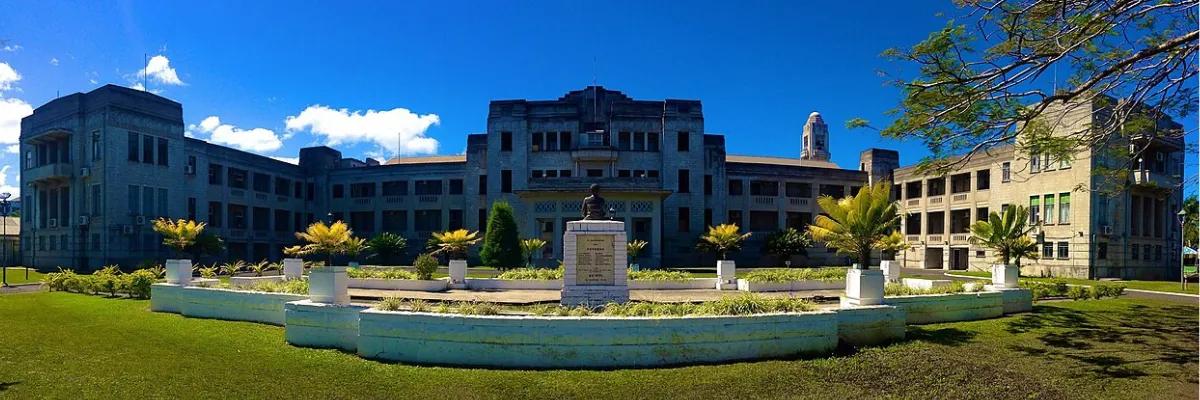
The Fiji High Court in Suva has permanently stayed criminal proceedings against Charlie Charters, finding FICAC breached his constitutional rights and abused the court process. Photo/judiciary.gov.fj
The court also found that FICAC’s prosecution against Charters was fundamentally flawed, ruling that the case against him was “doomed to fail”.
The ruling has renewed constitutional protections for reporters including the ability to protect confidential sources.
The High Court also found there had been an abuse of process by FICAC, saying the conduct of the prosecution created unfair consequences that could not be corrected through a normal trial process.
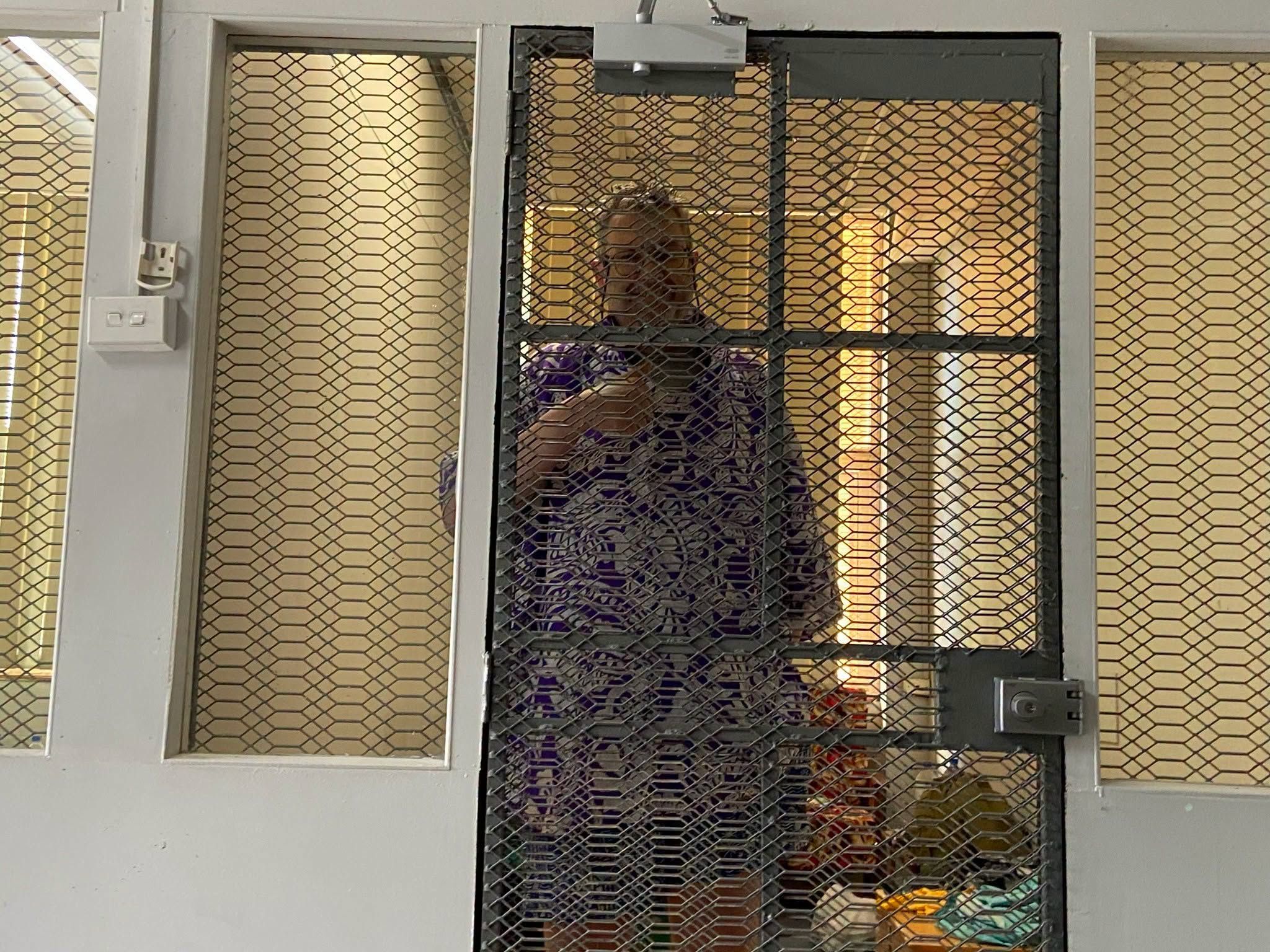
The High Court found that FICAC violated Charlie Charters’ rights to remain silent and to freedom of speech, expression and publication, including the protection of journalistic sources. Photo/Charlie Charters
Charters had faced two charges of aiding and abetting a FICAC officer to unlawfully disclose official information.
FICAC alleged Charters published information relating to the Commission’s work on his Facebook page without permission from the FICAC Commissioner.
The case centred on reports published by Charters, who maintained he was protecting confidential sources.
In his response following the ruling, Charters said the decision showed Fiji’s justice system could still uphold rights and accountability.
“The good news is that the justice system may strain and stretch around the edges but it works. Today's news validates that, for any of you who might have doubts,” he said in a post on social media.
Charters said the ruling raised wider questions about how FICAC operates and whether similar issues had affected other cases.
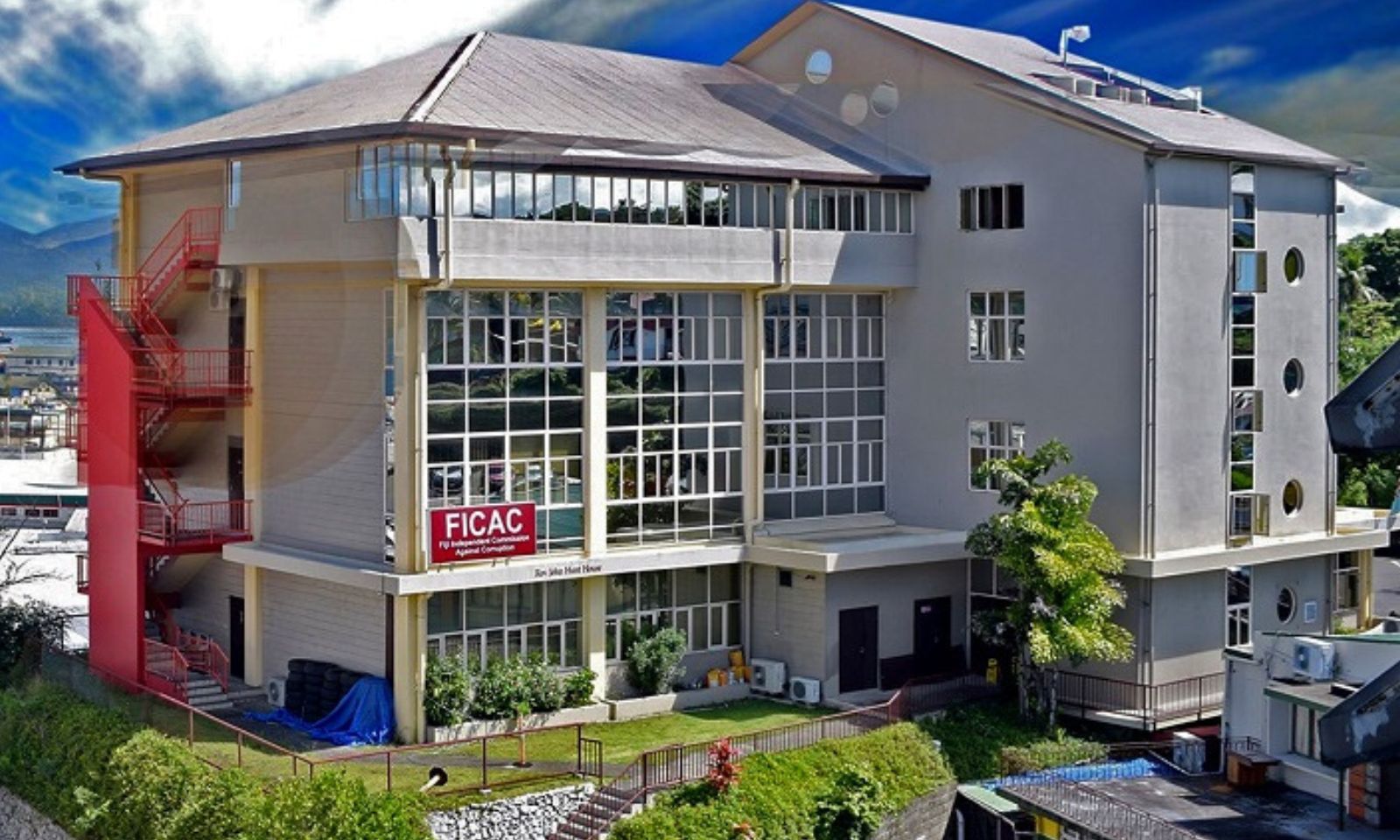
The Fiji Independent Commission Against Corruption (FICAC) has 30 days to decide whether it will appeal the High Court decision that stopped the case against Charlie Charters. Photo/FICAC
“It should not require the intervention of the High Court to correct the multiple and flagrant abuses of process that Judge Bulamainaivalu found I was subject to by the Fiji Independent Commission Against Corruption - FICAC,” he said.
He said the judgment found FICAC had denied him access to legal counsel, breached his right to remain silent and sought to compel him to reveal his confidential sources.
Charters also claimed the prosecution was linked to his reporting and represented an attempt to limit freedom of expression.
The High Court ruling found there had been a conflict of interest relating to one of the charges but said questions around the validity of the Acting FICAC Commissioner’s appointment would need to be dealt with through separate judicial review proceedings.
The court has given FICAC 30 days to appeal the decision to the Fiji Court of Appeal.
FICAC had not publicly responded to the ruling or indicated whether it intended to appeal at the time of publication.
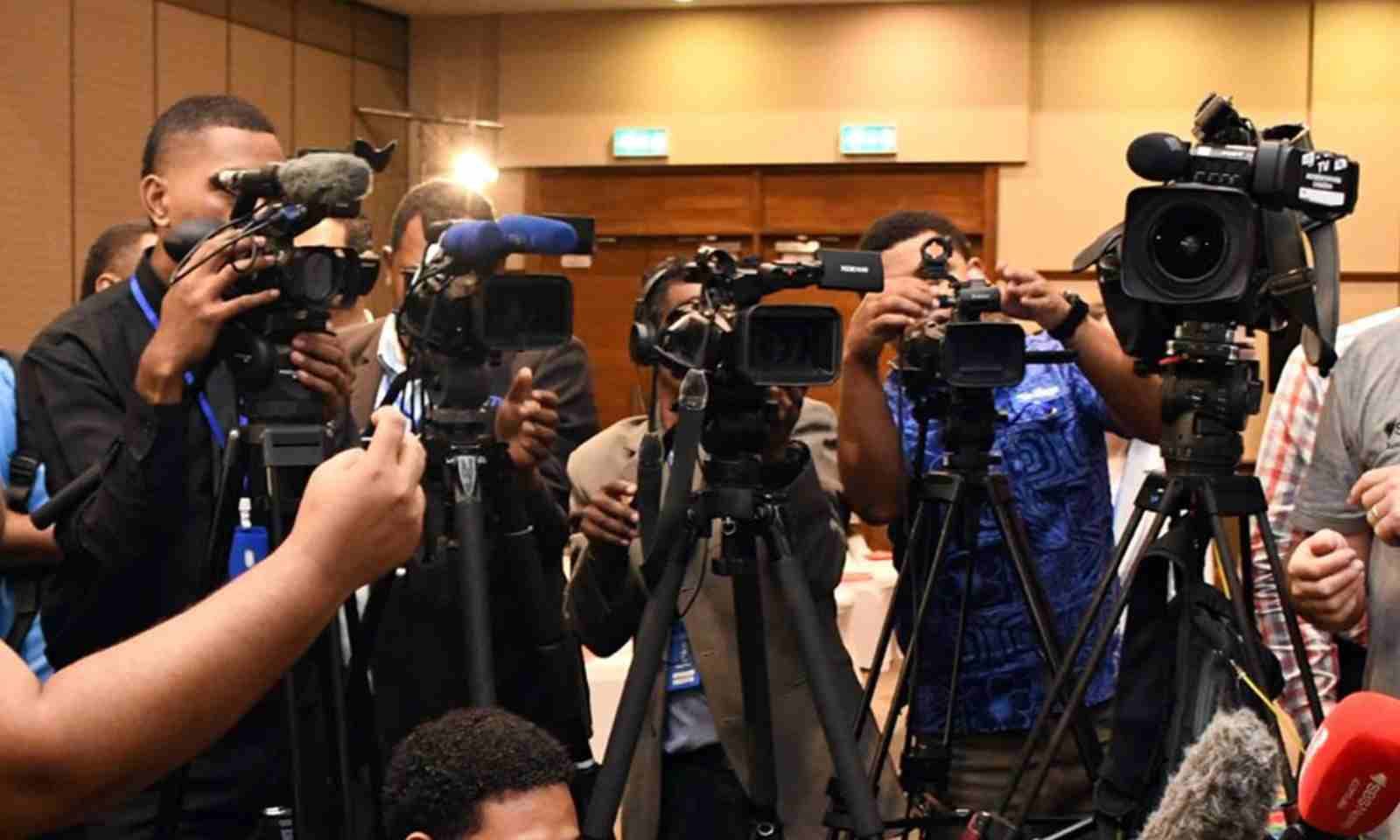
The ruling has drawn attention across the Pacific over the protection of confidential sources and the role of independent journalism in holding public institutions to account. Photo/Fiji Broadcasting Commission
Before the High Court decision, FICAC had applied to transfer the prosecution to the Fiji Police Force during a pre-trial conference on 30 June.
The agency told the court the move was intended to "ensure independence and avoid any perception of conflict of interest arising from the alleged involvement of former Commission officers".
Defence lawyer Seforan Fatiaki said the ruling effectively brought the Magistrates Court proceedings to an end unless FICAC successfully appealed.
"This brings an end to the criminal proceedings in the Suva Magistrates Court. Because it is a judgment of the High Court, FICAC has the right to appeal [within 30 days], but as it stands, Charlie Charters is a free man."
For Pacific journalists and media organisations, the ruling highlights the ongoing debate around the protection of sources, press freedom and the role of independent journalism in holding public institutions to account.
Watch Seforan Fatiaki address the media in Suva below.
Charters described the decision as an important moment for press freedom in Fiji.
"The court ruling is a win for journalism in Fiji... It recognises the responsibilities that the State has to protect journalists and citizen journalists," he told local media.
"I'm delighted that the burden of this FICAC prosecution has been lifted off me."
Charters said the focus now should move beyond his own case.