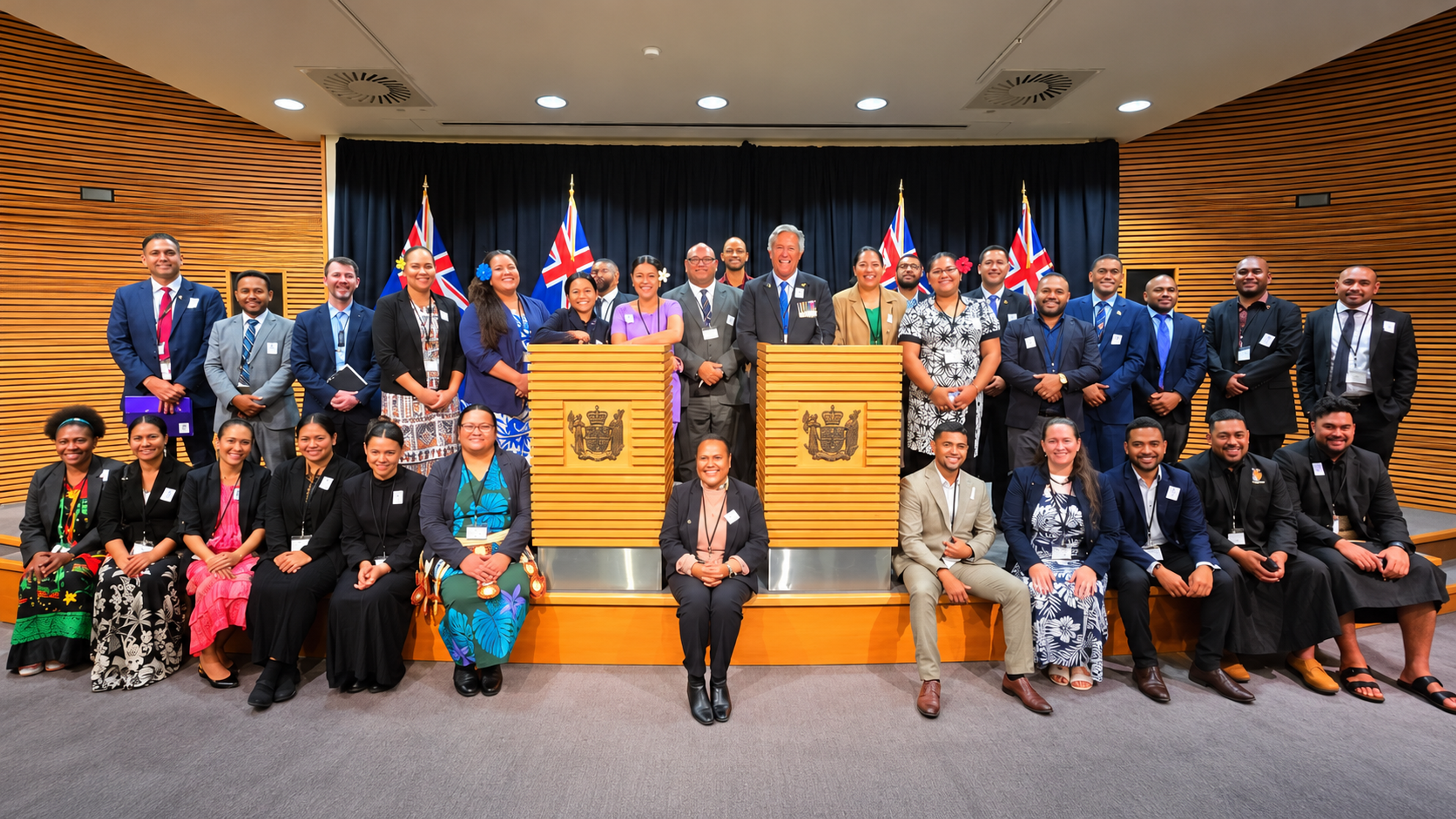
Pacific diplomats strengthen ties through New Zealand training
PMN NewsMon, 26 Oct
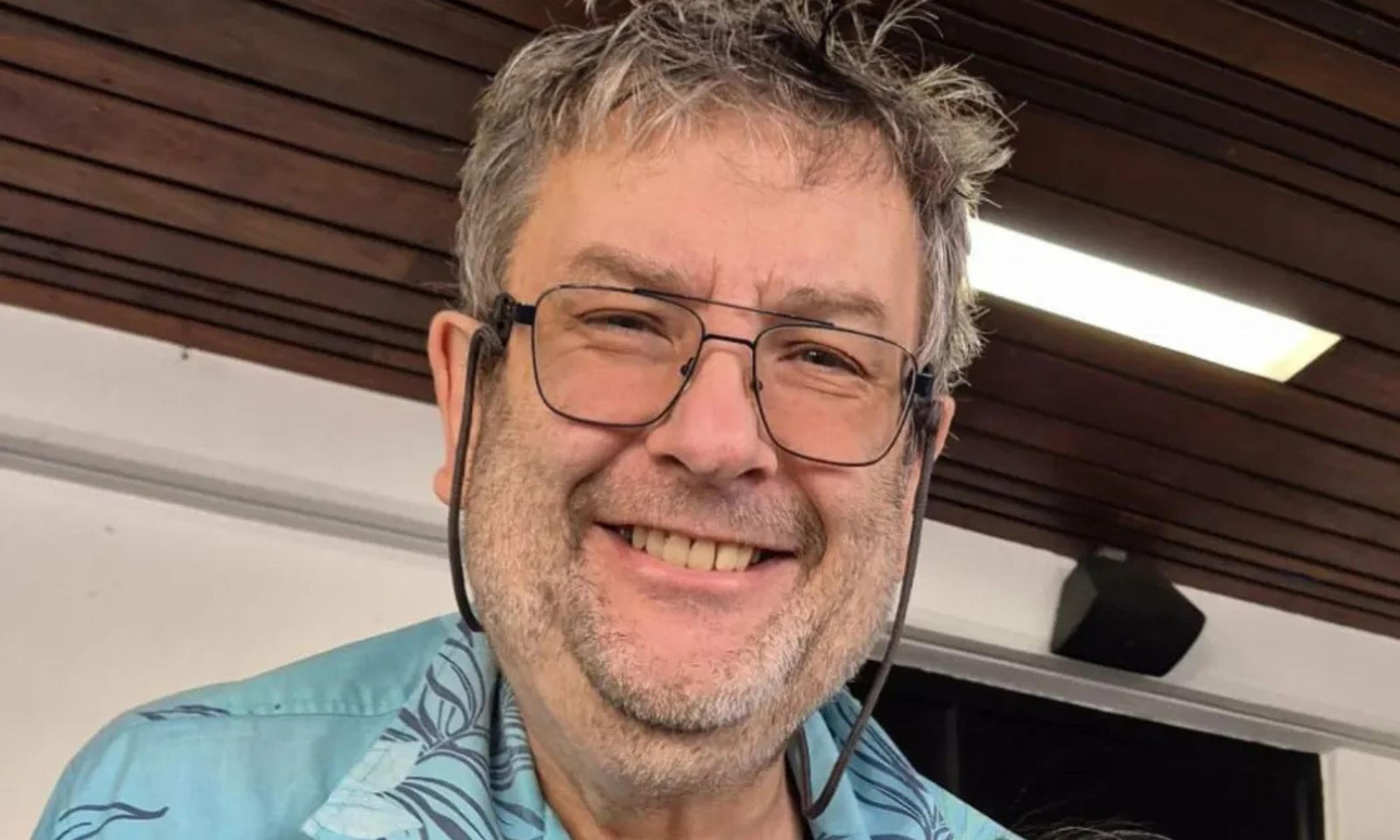
Charlie Charters has spoken about his long-standing connection to Fiji while awaiting trial later this year.
Photo/Facebook/Charlie Charters
Out on bail and speaking openly from Australia, the British-Fijian national reflects on his long connection to Fiji, the role of its anti‑corruption agency, and why most commentators are reporting from abroad.



Charlie Charters, a dual Fiji‑British citizen who has been charged in relation to social media posts concerning Fiji’s anti‑corruption agency, says his connection to the country remains strong, even as he waits for his legal case to unfold.
Charters spoke with William Terite on Pacific Mornings from Australia, where he was granted bail to work and is due back in Fiji for his trial later this year.
His interest in Fiji began more than 35 years ago during a 15‑month stay in 1986-87, a period marked by two coups.
“Fiji at its best and, unfortunately, Fiji at its worst,” he said, describing how that time shaped his lifelong relationship with the country and its politics.
Charters says his reporting evolved from a deep interest in Pacific sports administration including work with the Fiji Rugby Union and then into broader scrutiny of governance, as whistleblowers came to him with information they wanted made public.
"People appreciated that I was willing to say the quiet bit out loud…”
Watch Charlie Charters' interview below.
He was sceptical from the start about the Fiji Independent Commission Against Corruption (FICAC), established after the 2006 coup.
Charters described FICAC as a “loaded gun… a very cynical tool of intimidation” when used against critics of government, tying people up in lengthy legal processes.
“I didn’t think the corruption merited a coup,” he said. “FICAC was given these tools in the wrong hands.”
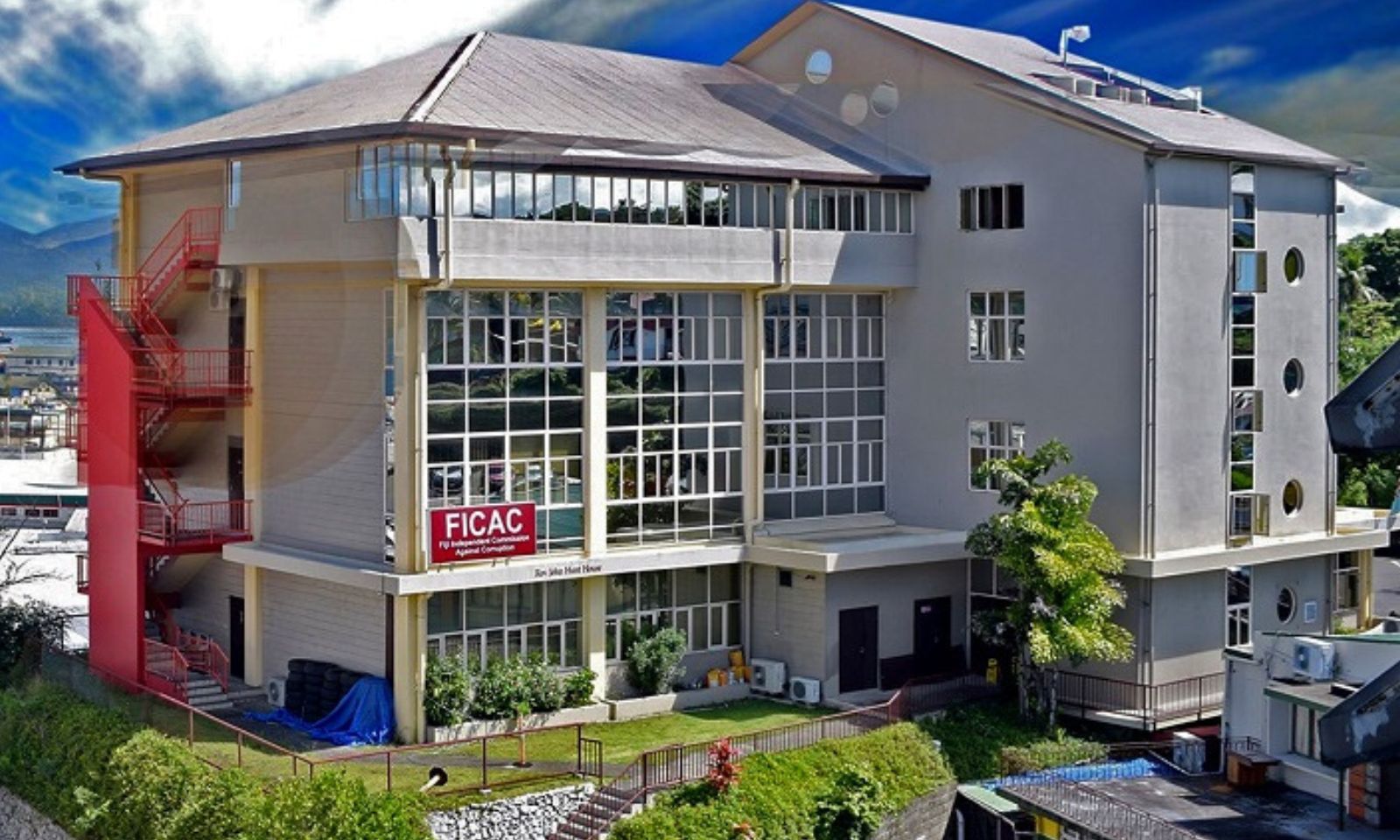
The Fiji Independent Commission Against Corruption (FICAC) headquarters in Suva, the agency at the centre of ongoing legal and political debates in Fiji. Photo/FICAC
Charters also offered his view on why many commentators on Fijian affairs operate from outside the country.
He pointed to cultural and economic pressures at home that made outspoken reporting difficult.
"There’s a cultural focus on hierarchy and kind of conformity… and under past regimes, the government was a major force in everybody’s lives.”
Despite his legal troubles, Charters said his love for Fiji has not faded. “I still cheer for Fiji in all sports, in all teams… my relationship with Fiji is perhaps even stronger than it’s ever been.”
Officials involved with FICAC have said the agency is acting independently. Acting Commissioner Lavi Rokoika has publicly rejected critics' claims that FICAC is “weaponised” to target political figures.
Rokoika, whose appointment is under legal scrutiny, told a media conference in Suva that decisions are made through internal checks and legal processes, not political direction.
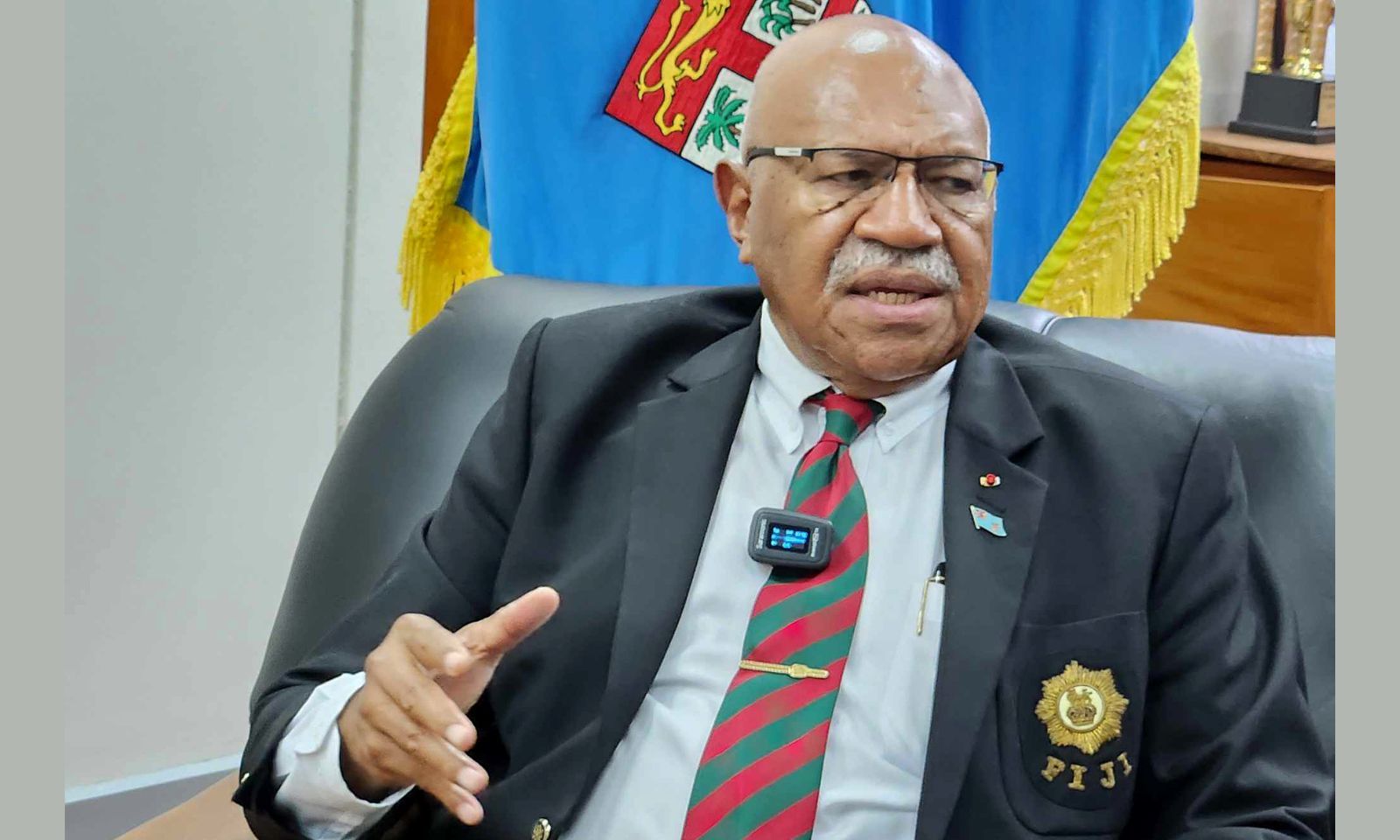
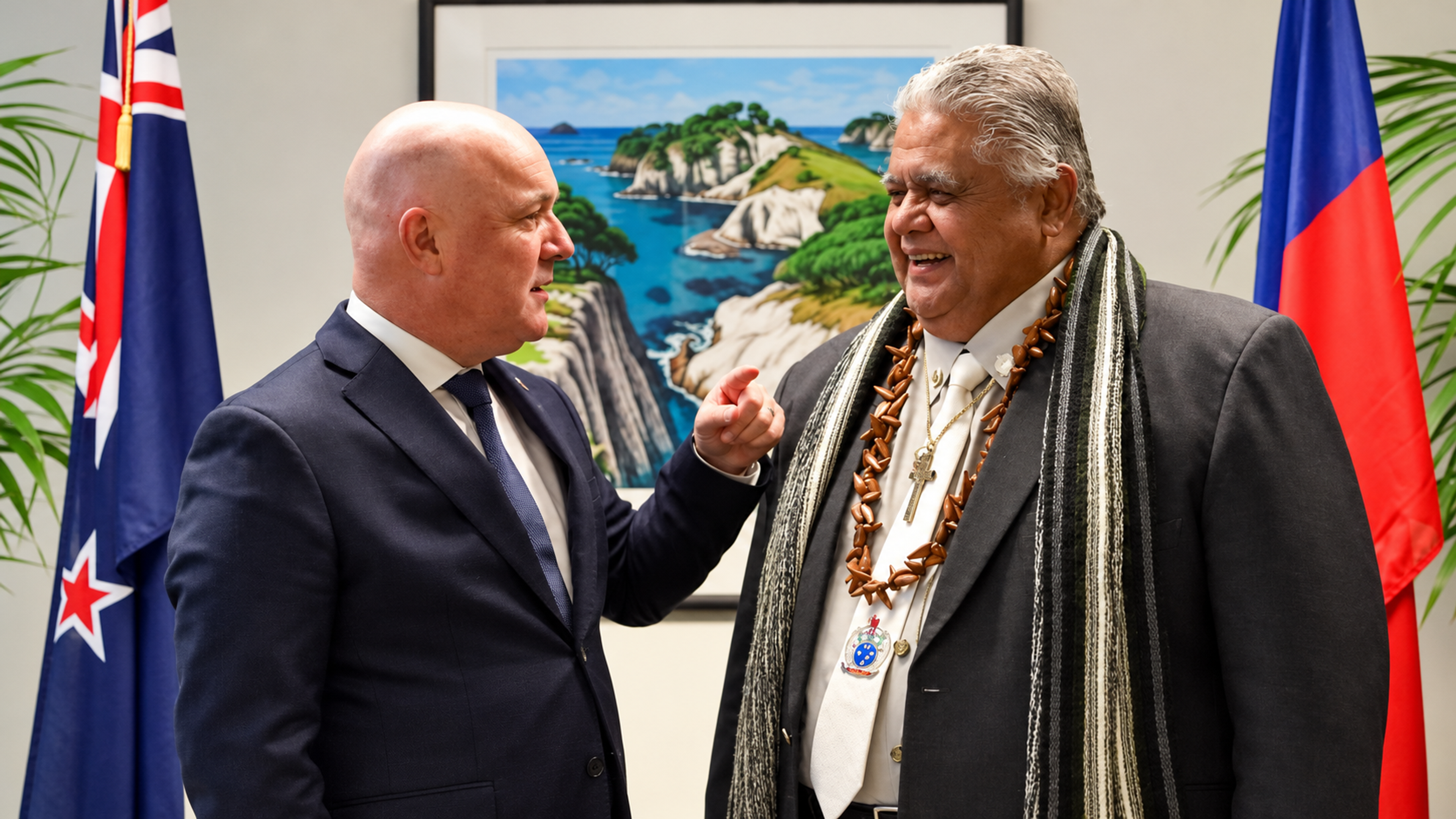
Prime Minister Sitiveni Rabuka has highlighted that any review of FICAC’s operations will follow constitutional processes, with legislative amendments considered to strengthen whistleblower protections. Photo/Fiji government
She has acknowledged challenges but said the agency continues its mandate to prevent and address corruption.
Prime Minister Sitiveni Rabuka has also weighed in publicly. He said a government review of the law governing FICAC will follow the constitutional process, with no interference from his office.
Rabuka has stressed that any future whistleblower protections must be built on facts, and confirmed moves to consider legislative amendments to the FICAC Act.
The latest developments reflect a broader debate in Fiji about the role and future of anti‑corruption work.
Charters argues reform is needed to ensure external oversight and confidence in the process.
Officials counter that existing structures and procedures are designed to protect independence and uphold the rule of law.
Charters says his work has given others “permission to have a shout at the government".
But he also acknowledged that issues like climate change, economic pressures, and digital challenges facing Pacific societies remain pressing.
As Fiji navigates these debates, the question of how best to balance accountability, transparency, and free speech remains at the heart of public discourse.
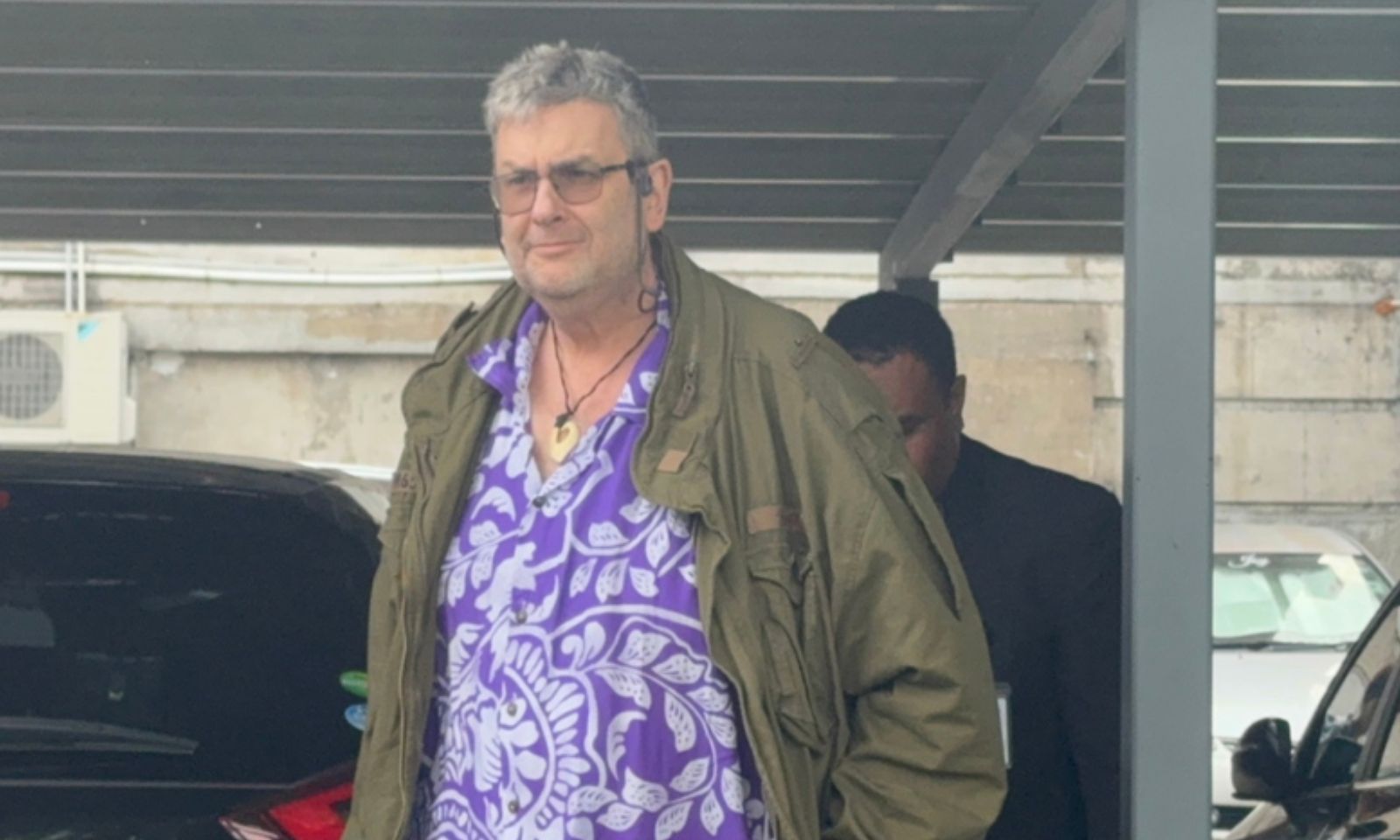
Charlie Charters leaving court in Suva following his arrest over alleged breaches of the FICAC Act. He has been granted bail and is due back in Fiji for his trial later this year. Photo/Supplied