
Kiwis suffer last-gasp heartbreak as the Kangaroos snatch World Cup opener
Christine RovoiFri, 16 Oct
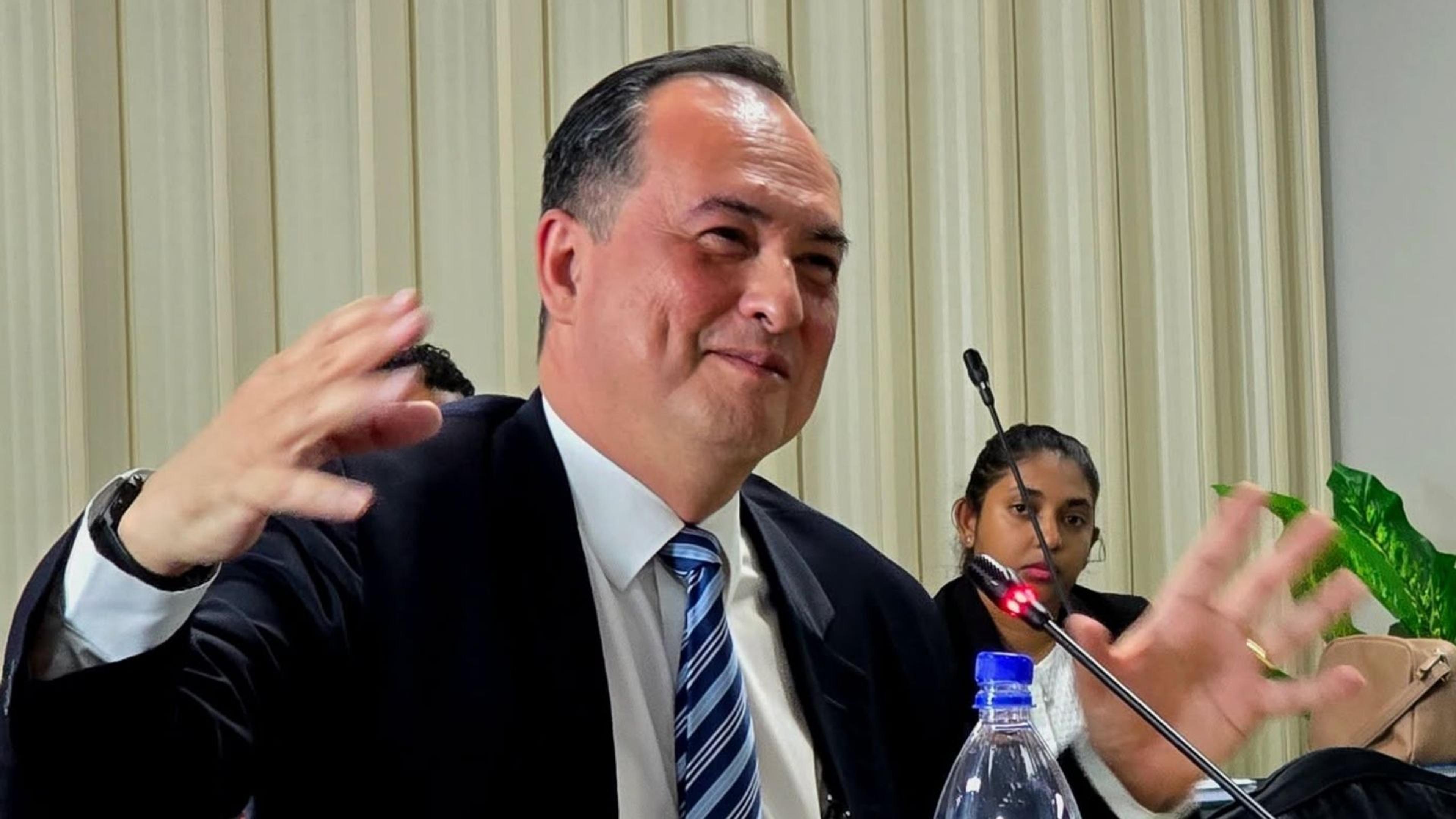
Fiji Law Society President William Wylie Clarke says Fiji should consider abolishing the Fiji Independent Commission Against Corruption or removing its prosecutorial powers as part of wider constitutional reforms.
Photo/Fiji Constitutional Review Commission 2026
Calls for FICAC to be abolished or stripped of its prosecutorial powers as lawyers argue the anti-corruption system must be restructured to remove political influence and restore public trust.




Fiji’s anti-corruption framework is under fresh scrutiny after the Fiji Law Society (FLS) called for sweeping constitutional changes that could see the country’s main graft watchdog abolished or significantly weakened.
In a major submission to the Constitutional Review Commission, the Law Society proposed that the Fiji Independent Commission Against Corruption (FICAC) either be scrapped entirely or stripped of its power to prosecute criminal cases.
Presenting the society's submission to the Constitutional Review Commission, William Wylie Clarke, the FLS' president, told local media in Suva that Fiji’s institutions must be rebuilt to strengthen transparency and public confidence, not weaken it.
“The society recommends that the commission consider whether FICAC should be abolished altogether and its functions reallocated to constitutionally appropriate institutions,” Clarke said.
Under the proposal, FICAC would be limited to investigations only while decisions on whether to prosecute would sit exclusively with the Office of the Director of Public Prosecutions (DPP).
Clarke said the current system raises concerns about fairness and independence especially in high-profile corruption cases.
He said while anti-corruption enforcement remained essential, it needed to be independent, procedurally fair and protected from actual or perceived political influence.
“The absence of publicly available prosecution guidelines further supported the case for removing FICAC's prosecutorial powers,” he said.
The proposal effectively sets up a major institutional debate: whether shifting prosecution powers to the DPP would improve independence, or slow down and complicate ongoing corruption cases.
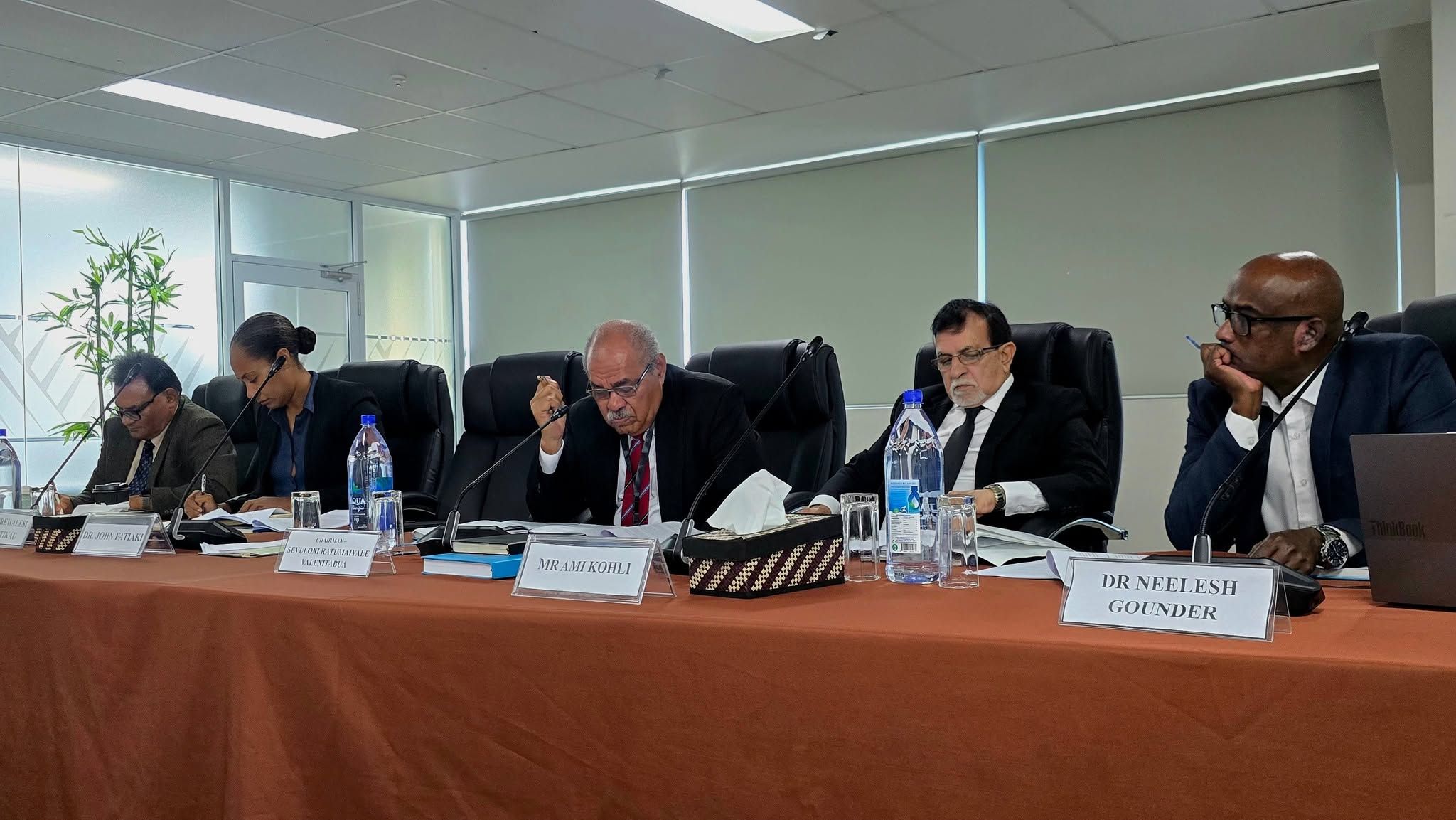
The Constitutional Review Commission is considering submissions from across Fiji as it reviews the country's Constitution, including proposals on the future of anti-corruption and accountability institutions. Photo/Facebook/Fiji Constitutional Review Commission 2026
The Coalition Government has previously defended the importance of maintaining independent justice institutions while acknowledging concerns about delays in major corruption cases.
Acting Attorney-General Siromi Turaga told Parliament: "Cases continue to be processed through the courts with convictions skewed across various levels of the judiciary which reflects the continued functioning of the justice system in dealing with corruption related offences.
"However, there are major cases that the people of Fiji want to see progress to court.
"The issue of delay also concerns the prosecuting and probably the investigating authorities," Turaga said.
He said the government remained focused on strengthening accountability while protecting the independence of justice institutions.

The Fiji Independent Commission Against Corruption (FICAC) is at the centre of a major constitutional debate after the Fiji Law Society proposed limiting its role to investigations and transferring prosecution decisions to the Office of the Director of Public Prosecutions. Photo/FICAC
"The government remains committed to ensure that the institutions are independent but also effective and accountable in delivering justice as this is fundamental in the issue of trust and accountability."
Alongside changes to FICAC, the Law Society is also calling for the return of the Office of the Ombudsman, saying Fiji currently lacks a dedicated body to investigate public administration complaints.
Clarke said citizens are being left with limited options when challenging government decisions.
“The only mechanism currently available to challenge executive action is through the courts, and the courts are overburdened and under-resourced,” he said.
He said an Ombudsman’s Office would provide a simpler and more accessible way for people to raise concerns about delays, unfair decisions and failures in public administration.
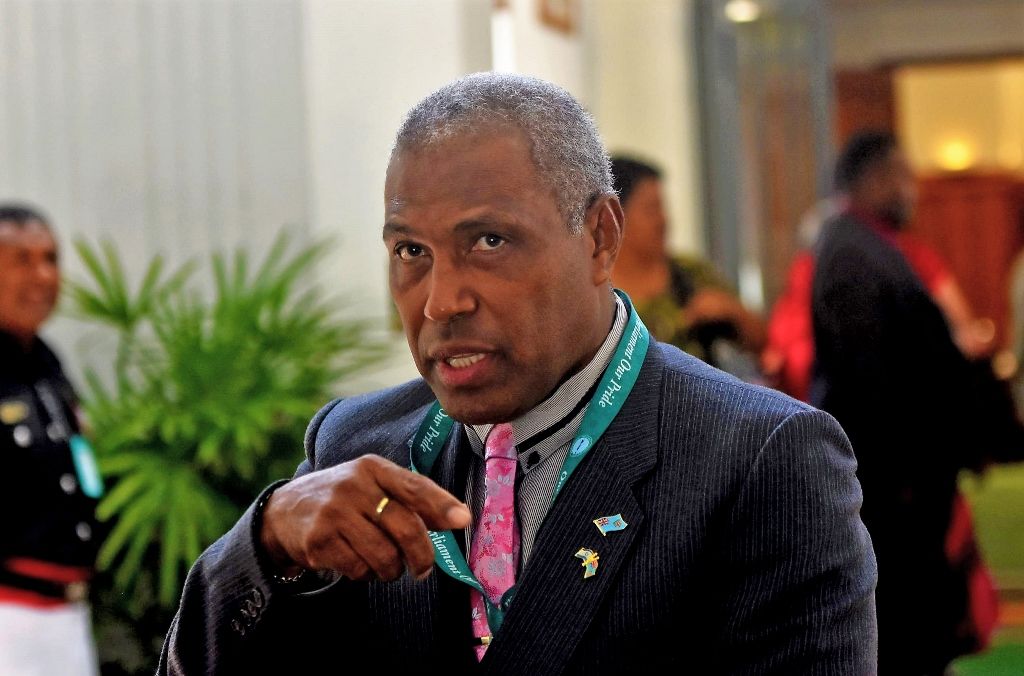
Acting Attorney-General Siromi Turaga says the government remains committed to ensuring Fiji's justice institutions are "independent but also effective and accountable" while acknowledging concerns over delays in major corruption cases. Photo/The Fiji Times/Jona Konataci/file
The submission also goes further, recommending broader constitutional reforms, including changes to Fiji’s electoral system.
The Law Society argues the current single national constituency weakens accountability between MPs and voters, and should be replaced with a proportional system based on regional or multi-member constituencies.
It also calls for stronger limits on immunity provisions, arguing that legal protections should not shield individuals from prosecution for serious offences such as corruption, unlawful killings, torture, sexual violence or abuse of office.
In addition, the society is pushing for the legal profession to be placed under full self-regulation, removing executive control over practising certificates for lawyers.
Watch student Hefrani Matavou's submission to the Constitution Review Commission below.
Clarke said the independence of lawyers was essential to protecting the public.
“The independence of the legal profession is not a privilege for lawyers. It is a protection for the public,” he said.
The Constitutional Review Commission is now expected to consider the submission alongside competing proposals as Fiji debates the future structure of its democratic and accountability institutions.
PMN News has contacted the Office of the Director of Public Prosecutions for comment.