Pacific diplomats strengthen ties through New Zealand training
PMN NewsMon, 26 Oct
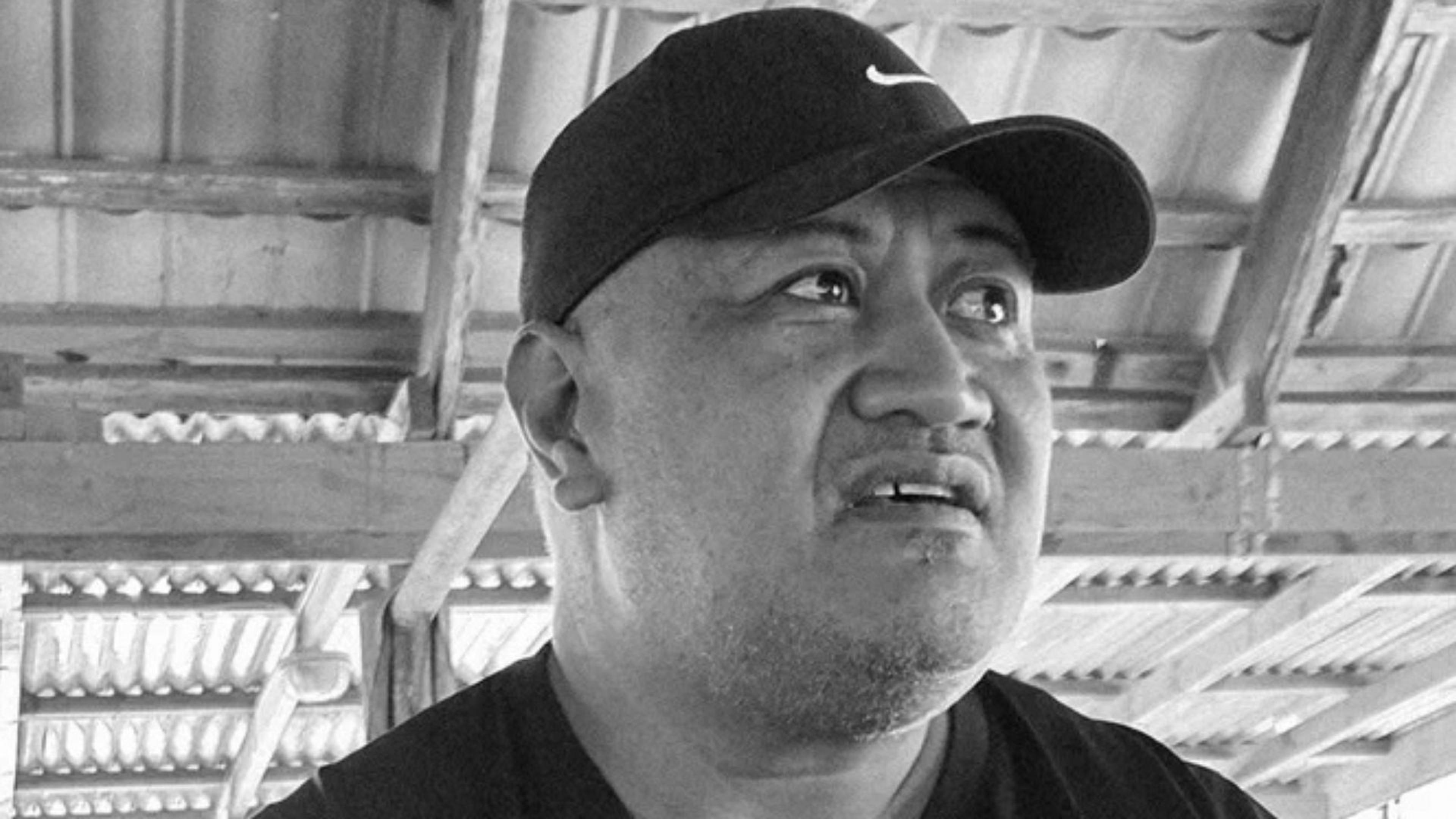
Eneasi Taumoefolau, who has been convicted in Tonga of participating in an organised criminal group linked to an attempted Comancheros chapter. He is already serving a life sentence for a separate drug conviction.
Photo/Supplied
Australian deportee Eneasi Taumoefolau faces up to 25 years after a court found he helped establish a chapter of the outlaw motorcycle gang, Comancheros.



Tonga has used its Counter Terrorism and Transnational Crimes Act in court for the first time, convicting an Australian deportee over an attempt to establish a chapter of the Comancheros outlaw motorcycle gang.
Eneasi Taumoefolau was found guilty in the Fakamaau'anga Lahi 'o Tonga last week for participating in an organised criminal group. The 44-year-old faces a maximum penalty of 25 years in prison and will be sentenced at a later date.
The case gives Tonga a new legal tool in its fight against organised crime as Pacific nations face growing concerns over drug trafficking and criminal networks operating across borders.
Court documents identified Taumoefolau as president of the Comancheros chapter in Tonga.
Justice Elisapeti Langi said she was satisfied the defendants had formed a group, citing physical evidence including a storage unit containing Comanchero clothing and gang regalia, along with phone messages and conversations between the four accused.
One message submitted to the court showed Taumoefolau telling a co-accused: “We got gang work to do.”
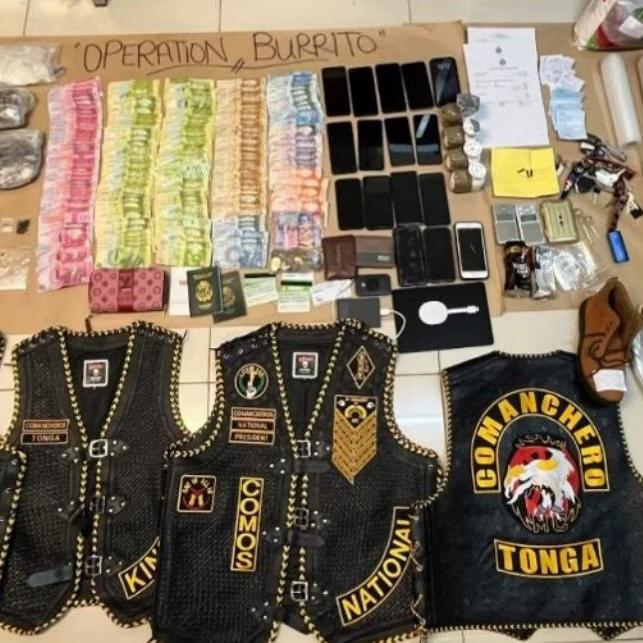
Items seized in Operation Burrito in Tonga conducted in August 2025. The items include Comanchero Outlaw Motorcycle Gang clothing, methamphetamine and cash. Photo/Tonga Police
Three other men were also tried. New Zealand deportee Tevita Shoji was found guilty while Australian deportees Lolomana'ia Tilini and Sione Tafokitau were found not guilty.
Taumoefolau, who was deported from Australia in 2022 after a string of drug convictions, has denied successfully establishing the gang chapter.
Speaking to the ABC from prison this week, he said: “I don't know how they've come up with that decision to say it's been set up. We have no clubhouse. We have no set-ups.”
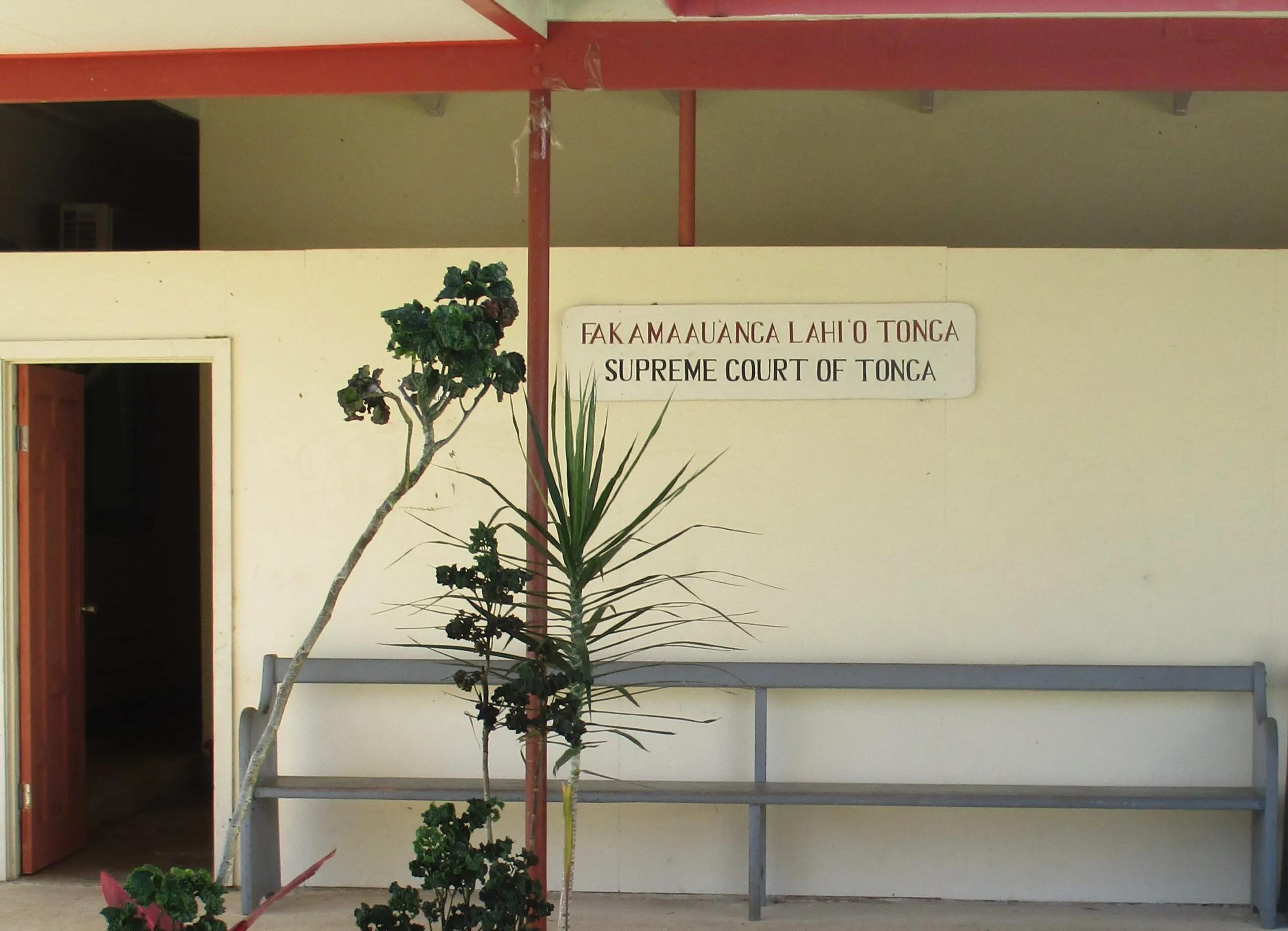
The Supreme Court in Nuku’alofa, where Tonga’s Counter Terrorism and Transnational Crimes Act has been used in court for the first time in the Comancheros case. Photo/
The court heard evidence of Comancheros vests, shirts, badges, and rank labels found in a storage unit, as well as messages involving people in New Zealand.
Evidence also referred to plans for a “National Run” in Tonga where gang members would gather for a motorcycle ride.
Taumoefolau is already serving a life sentence in Tonga after being convicted in 2025 of importing more than two kilograms of methamphetamine from the United States.
He told the ABC earlier this year that his motivation for trying to establish a Comancheros branch was to “piss off the Australian government” after his deportation.
“It was just stupid,” he said. “I was reckless and I was very ambitious in the way I thought, 'I'll do it because it'll really, really piss them off'.”
The case comes as Tonga and other Pacific countries deal with increased drug trafficking and concerns about criminal networks moving through the region.
The case also follows warnings from former Pacific Islands News Association president Kalafi Moala that organised crime networks in Tonga are becoming more sophisticated.
“The network never dismantled. And it's the same network now involved in the distribution, not only of cocaine but of meth,” he said at the recent Pacific media summit in Fiji.
Tonga Police Commissioner Geoff Turner says efforts to restrict the supply of methamphetamine are having an effect as the price of a gram increasing fivefold in 18 months.
“There is a great shortage of methamphetamine in the Kingdom at the moment,” he says.
But Turner says higher prices could also make the drug trade more attractive to suppliers.
Police are also monitoring cocaine after several blocks washed up on beaches in Vava'u with similar markings to cocaine found in Fiji.
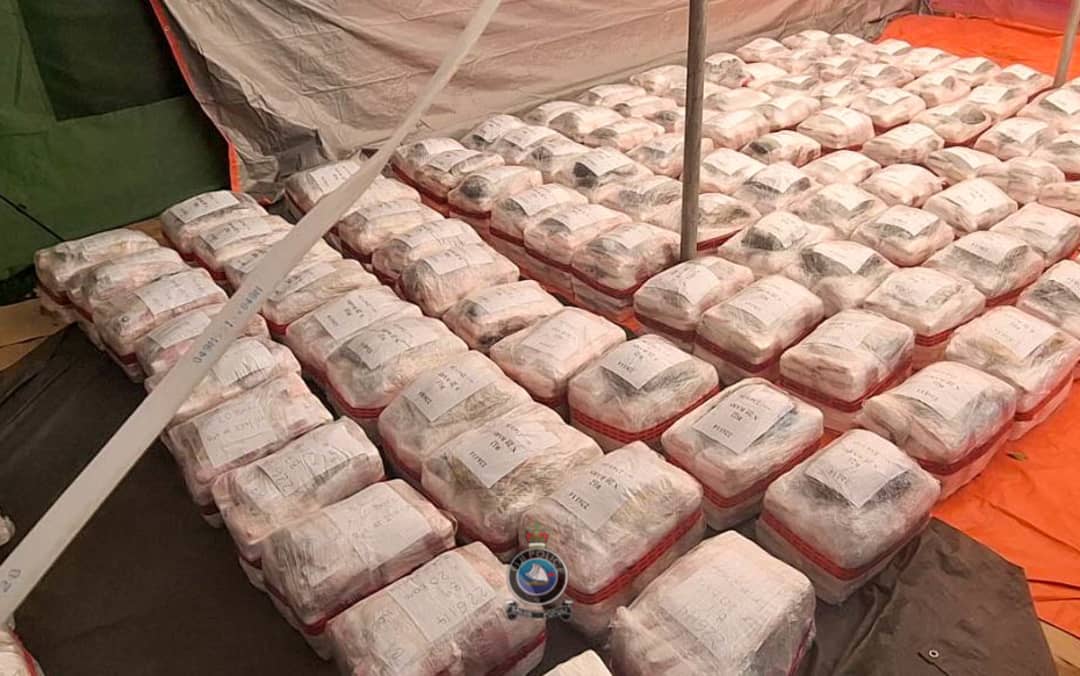
Wrapped cocaine parcels seized by Fiji Police during a 2.6-tonne drug bust in Vatia waters in January 2026. Photo/Fiji Police
The Tonga case comes as Fijian authorities investigate more than 52kg of cocaine reported missing from court evidence custody as police identify six people of interest.
“We don’t have any evidence of a cocaine market here in Tonga but it’s certainly something we’re monitoring at the moment,” Turner says.
Taumoefolau says he plans to appeal both the Comancheros conviction and his separate drug conviction.