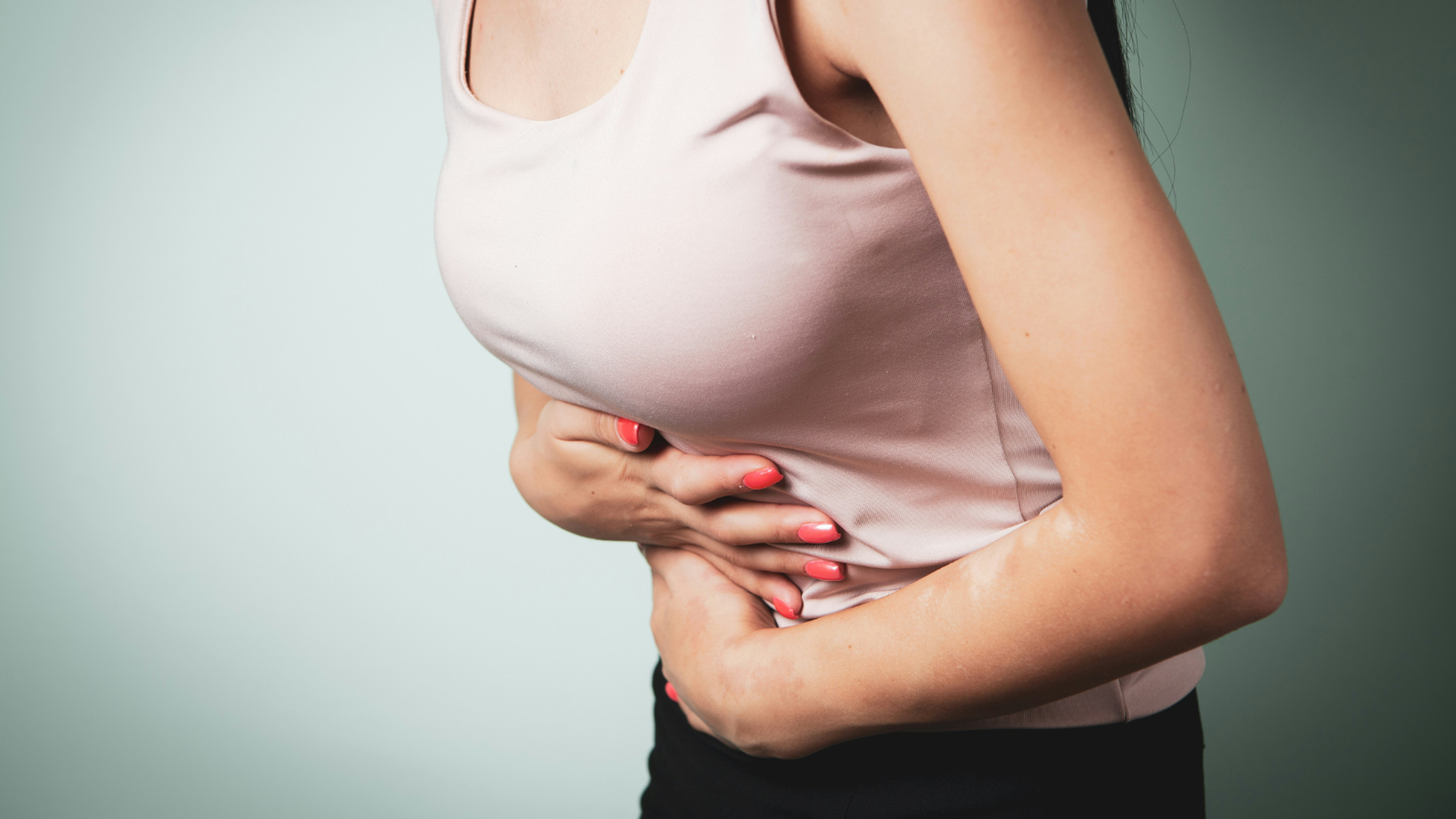
Many Pacific women wait years for an endometriosis diagnosis, as the Government announces new treatment guidelines.
Photo/Unsplash
Health
Pacific women still face long wait for diagnosis despite new guidelines on endometriosis in NZ
Journalist Candice Ama spent seven years waiting for answers. New guidelines aim to help wāhine get diagnosed sooner, but experts warn access to treatment remains an equity issue.

Khalia Strong
Published
26 August 2026, 3:50pm
Share
Copy Link
Top stories
Deep sea mining could give investors a legal route to challenge climate action - experts
Christine RovoiThu, 08 Oct
'Cheap as chips' but Pacific families face big barriers to treating gout
Thomas Tarurongo WynneThu, 08 Oct
Top stories
Deep sea mining could give investors a legal route to challenge climate action - experts
Christine RovoiThu, 08 Oct
'Cheap as chips' but Pacific families face big barriers to treating gout
Thomas Tarurongo WynneThu, 08 Oct
For Candice Ama, the pain started when she was 12.
It would take another seven years before she was diagnosed with endometriosis.
The PMN News videojournalist agreed to share her experience to illustrate the challenges Pacific women can face getting a diagnosis.
Ama says she repeatedly sought help for heavy and painful periods as a teenager but was treated for other conditions including food poisoning and urinary infections.
She was also prescribed birth control pills, but says her symptoms became worse.
“I think probably refer me to a specialist sooner rather than later,” Ama says, when asked what she wishes had happened differently.

After waiting years for a diagnosis and undergoing surgery, Candice Ama manages endometriosis using diet and lifestyle choices. Photo
By her late teens, the pain had become so severe she could collapse without warning.
After several visits to an emergency department and a specialist referral, doctors found an 8cm ovarian cyst linked to endometriosis.
The cyst was surgically removed when Ama was about 19, confirming her diagnosis.
Many people with endometriosis endure years of pain and medical appointments before a diagnosis. Photo/Unsplash
Now in her 30s, she continues to manage the condition.
Her experience comes as the Government moves to introduce new clinical guidelines aimed at helping women and girls get diagnosed and treated for endometriosis.
Women’s Minister Nicola Grigg says general practitioners (GPs) will be able to make a clinical diagnosis based on symptoms, examination and family history, rather than needing surgery to confirm the condition.
“Too many women have spent years saying something is wrong, only to be told their pain is normal and something they simply have to put up with. It is not,” she says.
But for Pacific women, getting a diagnosis is only part of the problem.
A 2024 University of Canterbury study including 10 Pasifika with confirmed or suspected endometriosis found an average 12.4-year gap between symptoms beginning and diagnosis.
Sixty per cent said treatment was not readily available to them.
Research published in 2025 also found Pacific people with endometriosis and persistent pelvic pain had significantly lower referral rates to two tertiary gynaecology services than Europeans.
Ama says Pacific women also need culturally safe care from people who understand the condition and can explain treatment options.
“It would be helpful to have a Pacific woman educated around endometriosis that can explain and break down what endometriosis is.”
Ama also recalls an emergency department examination, where a student doctor watched as she underwent a transvaginal ultrasound.
“When you've got a bunch of people standing there just watching in shock, it can feel a bit unsettling,” she says.
It can take years of hospital visits for endometriosis to be diagnosed. Photo/File
Ama says better awareness among patients and health professionals could help women recognise the symptoms earlier.
“I think a lot of incorrect diagnosis happens from well-meaning family doctors,” she says. “They mean well, but they kind of just gave a general diagnosis … without really checking or doing any deeper dives.”
Dr Prabani Wood, Medical Director of the Royal New Zealand College of General Practitioners, says the new guideline is a positive step, but earlier diagnosis must be matched by access to care.
“A clinical diagnosis is only useful if the woman can then access the imaging, the treatment and the support services she needs,” Wood says in a statement.
“At the moment that depends far too much on where she lives and what she can afford. That is an equity issue, and a guideline on its own does not resolve it.”
The College says access to diagnostic imaging, gynaecology and allied health services varies across Aotearoa, with some services only available privately.
The Government says primary care training will accompany the guidelines, which are expected to launch in mid-2027.
For Pacific women, Ama says the hope is that the changes mean fewer spend years being told their pain is normal before getting the answers and care they need.
Learn more about endometriosis symptoms and treatment here.