Sāmoa's govt faces international pressure over media restrictions
Christine RovoiThu, 05 Nov
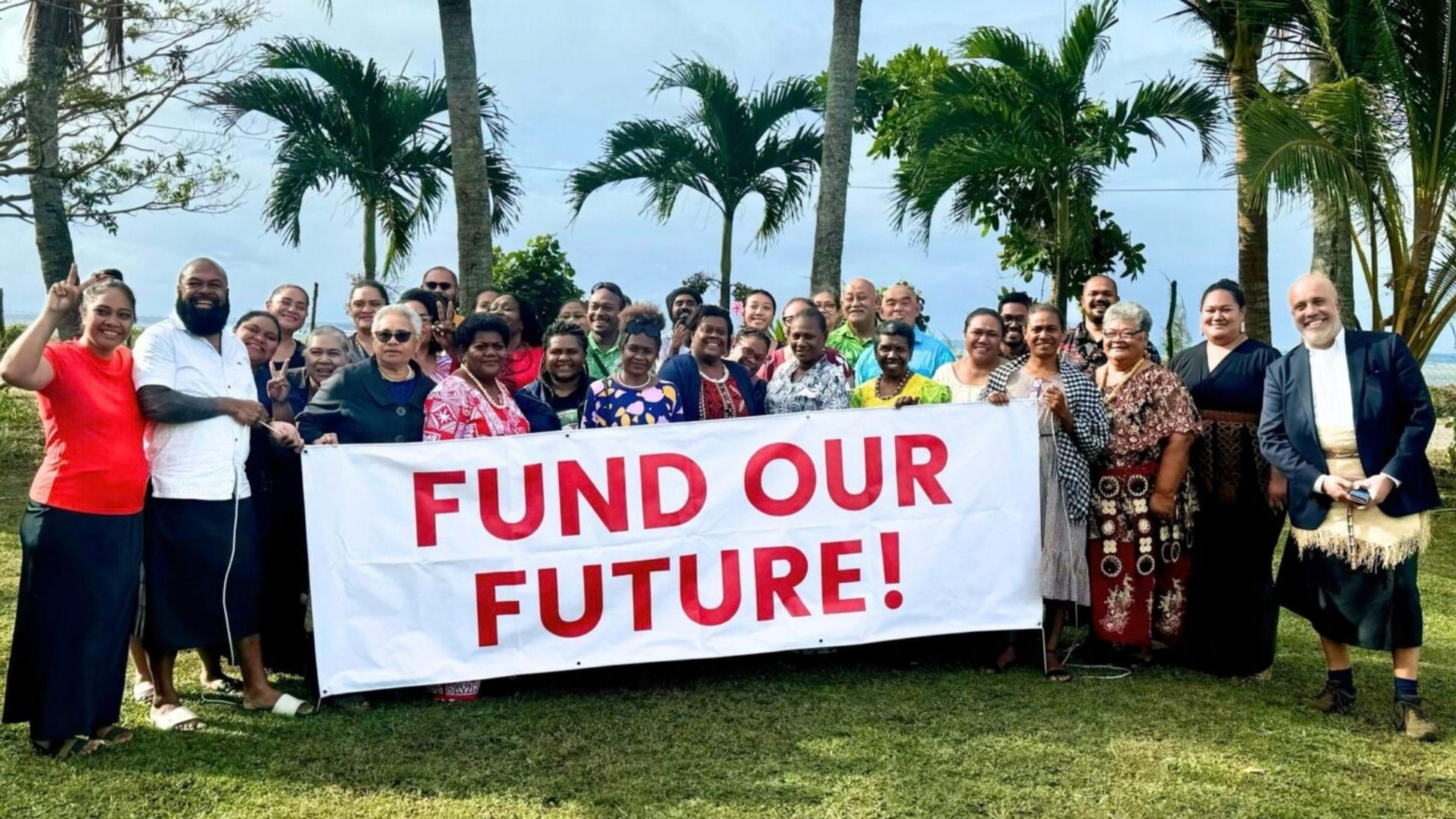
Pacific island communities are facing growing risks from rising seas, warming oceans and damage to reefs and fisheries as leaders prepare for COP31 in Türkiye.
Photo/Edmund Rice Centre for Justice and Community Education
Leaders are heading to COP31 with a hard message for wealthy nations as rising temperatures threaten tuna, reefs and economies across the region.


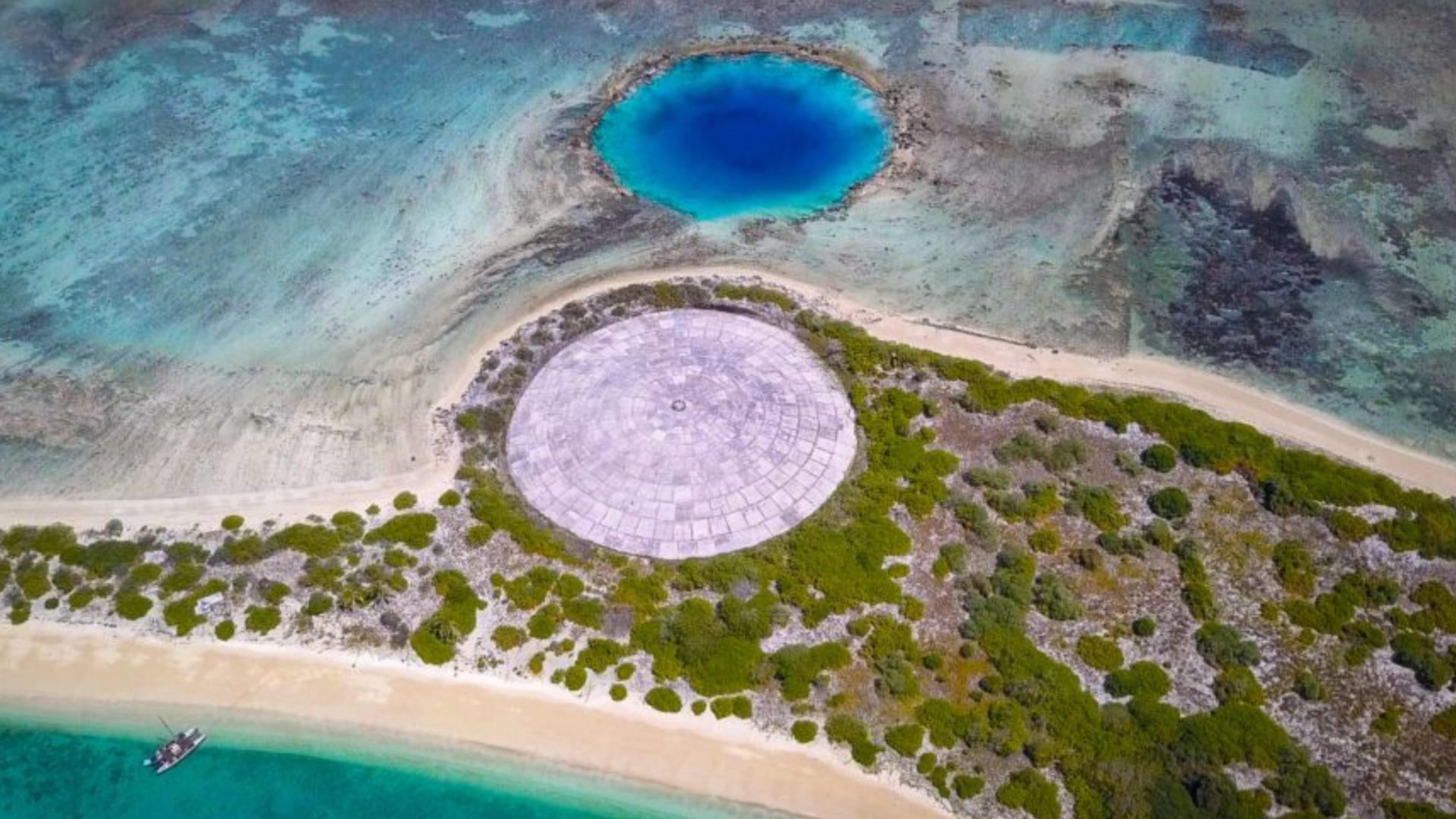

Pacific countries are heading into the climate talks in Türkiye next week demanding more climate finance while warning that the region cannot protect its people and resources without money that is easier to access.
The call comes as Pacific leaders prepare to defend the 1.5°C warming limit and push for more grants, greater adaptation funding and stronger action on loss and damage.
Fiji’s Minister for Climate Change, Lynda Tabuya, says the Pacific is not going to lower its climate goals but developed countries must provide the resources needed to meet them.
“The Pacific did not come to renegotiate its ambition; it came to secure the means to deliver it. Ambition without finance, technology and the capacity to use them is a promise on paper," she told Parliament on Wednesday.
Fiji is representing the 14 Pacific Small Island Developing States as chair of the group at the United Nations Conference of Parties (COP31), which runs from 9-20 November in Antalya.
The Pacific negotiating position will focus on six areas: keeping the 1.5°C target within reach, speeding up the move to cleaner energy, improving access to climate finance, increasing adaptation funding, addressing loss and damage, and putting the ocean at the centre of climate talks.

Lynda Tabuya is leading the Pacific Small Island Developing States into COP31, with the region pushing for greater climate finance and action to keep the 1.5°C warming limit within reach. Photo/Supplied
Tabuya says the 1.5°C target is not simply a number in an international agreement.
She says it could determine whether reefs, mangroves and fisheries survive. “Every target agreed in Yerevan for our reefs, our mangroves and our fisheries will be decided, in the end, by whether the world holds warming to 1.5 degrees.”
The economic stakes are already being felt in the Pacific. Fiji Opposition Leader and Pacific COP31 Ocean Envoy, Inia Seruiratu, also told Parliament that warming seas could push tuna further east, threatening an industry that supports jobs, food supplies and economies across the region.
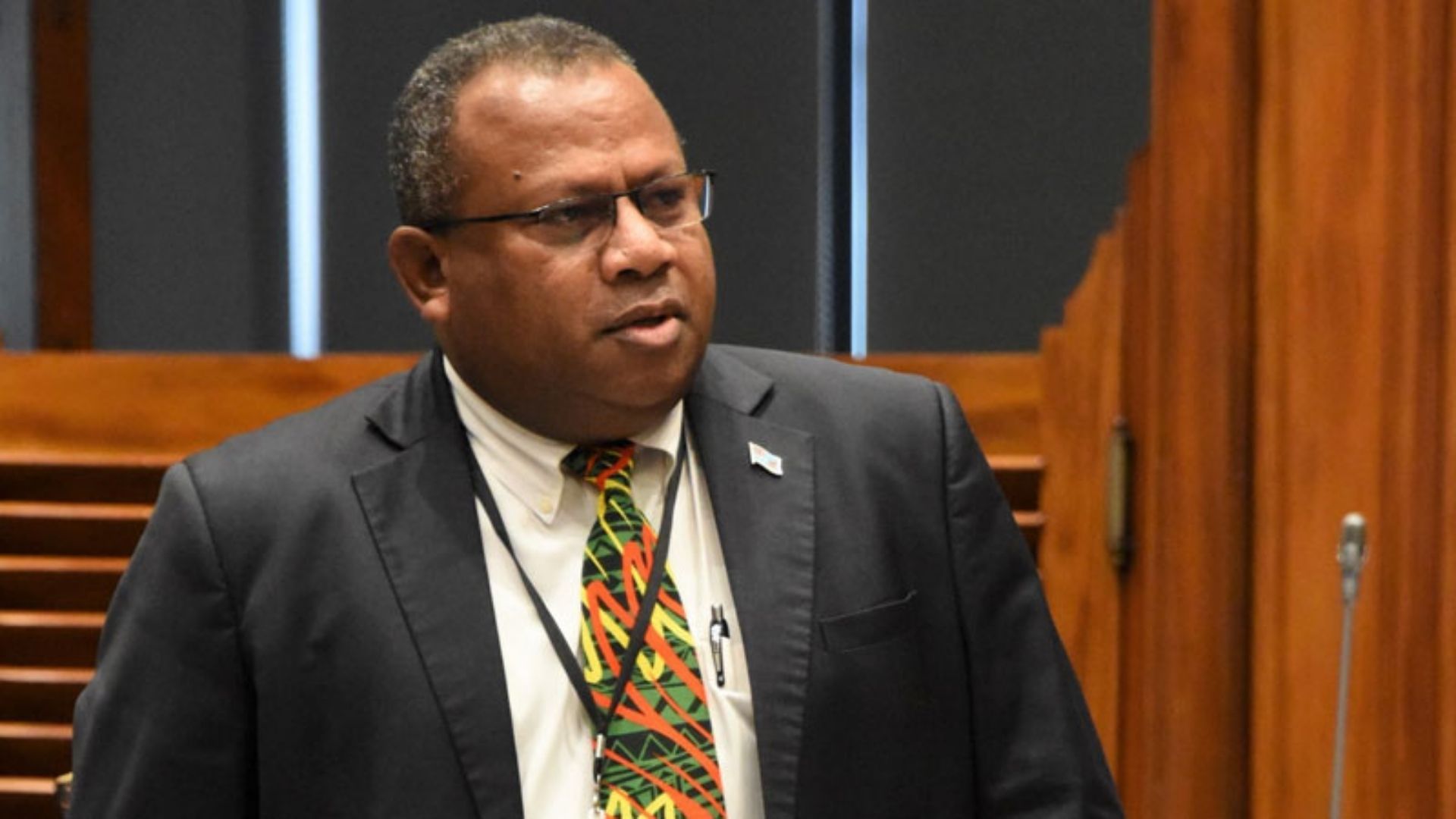
Inia Seruiratu says warming oceans could push tuna stocks further east and cost the Pacific millions of US dollars each year. Photo/PINA
“The overshoot is very dangerous for us when it comes to economic, because for tuna alone, the estimation is, with the current overshoot, we will lose about US$93 million [NZ$164.87 million] per year. And if it gets worse, then it’s going to be bad. We’re dealing with a migratory species, and it’s going to go eastwards.”
The wider economic impact on the region's tuna industry could reach almost US$210m (NZ$17.73m) a year as ocean temperatures rise.
Seruiratu says the risks need to be considered in long-term planning for Fiji’s fisheries sector and PAFCO.
“This is probably something that we will have to consider in the long term as we plan about PAFCO and all the fisheries sector for that matter, Honorable Speaker. 1.5 is important. Financing, again, is so important.”
Sāmoa is also calling for a major change in how climate finance reaches vulnerable countries.
Speaking at the Commonwealth Heads of Government Meeting in Antigua and Barbuda, Deputy Prime Minister Mulipola Anarosa Ale Molioo said Pacific countries should not have to take on more debt to recover from climate disasters they did little to cause.
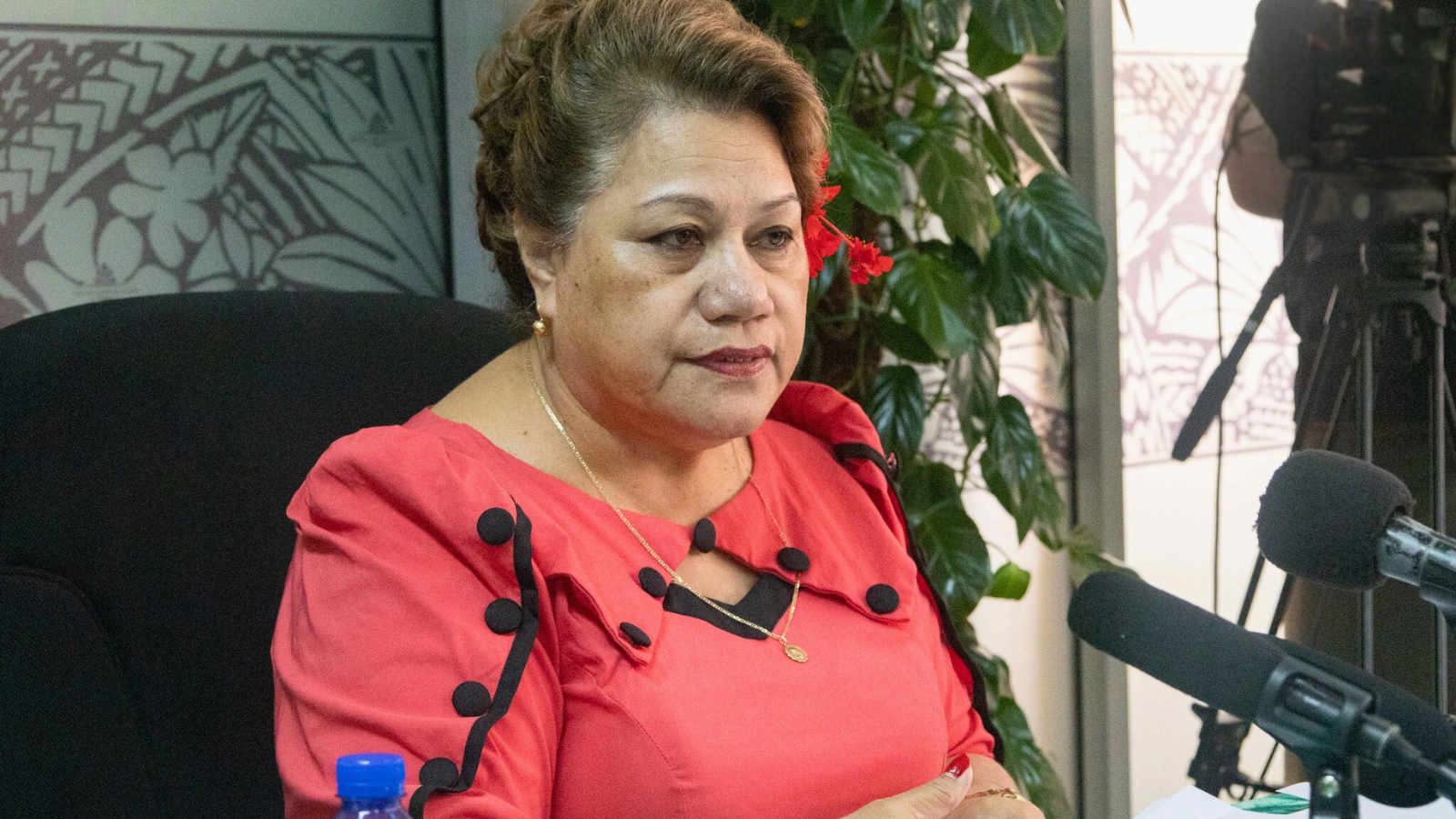
Mulipola Anarosa Ale Molioo is calling for accessible, predictable and grant-based climate finance for vulnerable Pacific countries. Photo/Government of Sāmoa
“Accessible, predictable, and grant-based climate finance is the bridge between ambition and action. No nation should have to borrow its way out of a crisis it did so little to create.”
Fiji says more than US$16 billion (NZ$28.36 billion) has been committed to Pacific countries since the Paris Agreement but getting the money to communities remains a problem because of complex application and funding requirements.
Fiji's government wants simpler processes, more grant funding and direct access for small island states.
Fiji is also pushing for the Pacific Resilience Facility to be fully funded. It has received pledges of just under US$200m (NZ$354.55m) against its US$500m (NZ$886.37m) target.
Tabuya says the region will continue to push for the Loss and Damage Fund to receive enough money and be accessible to vulnerable island nations.
The Pacific will also press for ocean issues to be included across the COP31 negotiations.
“The road to COP31 started in the Pacific. Fiji intends to see it delivered for the Pacific,” Tabuya said.
For Pacific leaders, she says the message going into Antalya is that climate action will be judged not only by what governments promise but by whether communities receive the support needed to protect their homes, oceans, food and economies.