Lynda Tabuya says in Fiji, protecting nature and beating waste are the same fight.
Fiji Government/Trashboom Pacific
Pacific Region
Business as usual is 'slow suicide’: Minister sounds alarm over Fiji’s waste emergency
Lynda Tabuya says the nation can no longer ignore a pollution crisis that is damaging the environment and endangering future generations, as thousands of kilograms of waste is intercepted downstream.

Elenoa Turagaiviu
Published
24 June 2026, 3:26pm
Share
Copy Link
Top stories
Why NZ's first Pacific Mayor Fauono is willing to give up his job for local representation
Taelegalolo'u Mary AfemataFri, 24 Jul

UN warns Pacific faces growing threat from global scam syndicates
Christine RovoiThu, 23 Jul
Top stories
Why NZ's first Pacific Mayor Fauono is willing to give up his job for local representation
Taelegalolo'u Mary AfemataFri, 24 Jul
UN warns Pacific faces growing threat from global scam syndicates
Christine RovoiThu, 23 Jul
Fiji's continued failure to address pollution and waste is amounting to "slow suicide," the country’s Minister for Environment Lynda Tabuya has warned.
Speaking in Suva recently, Tabuya issued one of the Fijian government's strongest public rebukes yet of littering, plastic pollution and unsustainable waste practices.
“...Let me be clear: we cannot claim to be inspired by nature while we are slowly strangling it with our own waste,” she says.
"We cannot go on with 'business as usual'. That phrase has become a euphemism for slow suicide,"
Tabuya warns that nature is not merely a backdrop for tourism or recreation but the foundation of life across the Pacific.
"The mangroves that protect our coastlines, the rivers that provide clean water, and the reefs that feed our communities are our first and last line of defence against climate change," she says.
“Right now, plastic, pollution, and poor waste management are harming our greatest allies from the inside out.”
Tabuya’s warning comes as Pacific Island nations face mounting environmental pressures from plastic waste, despite contributing only a small share of the global pollution.
She says for Fiji, protecting nature and beating waste are the same fight.
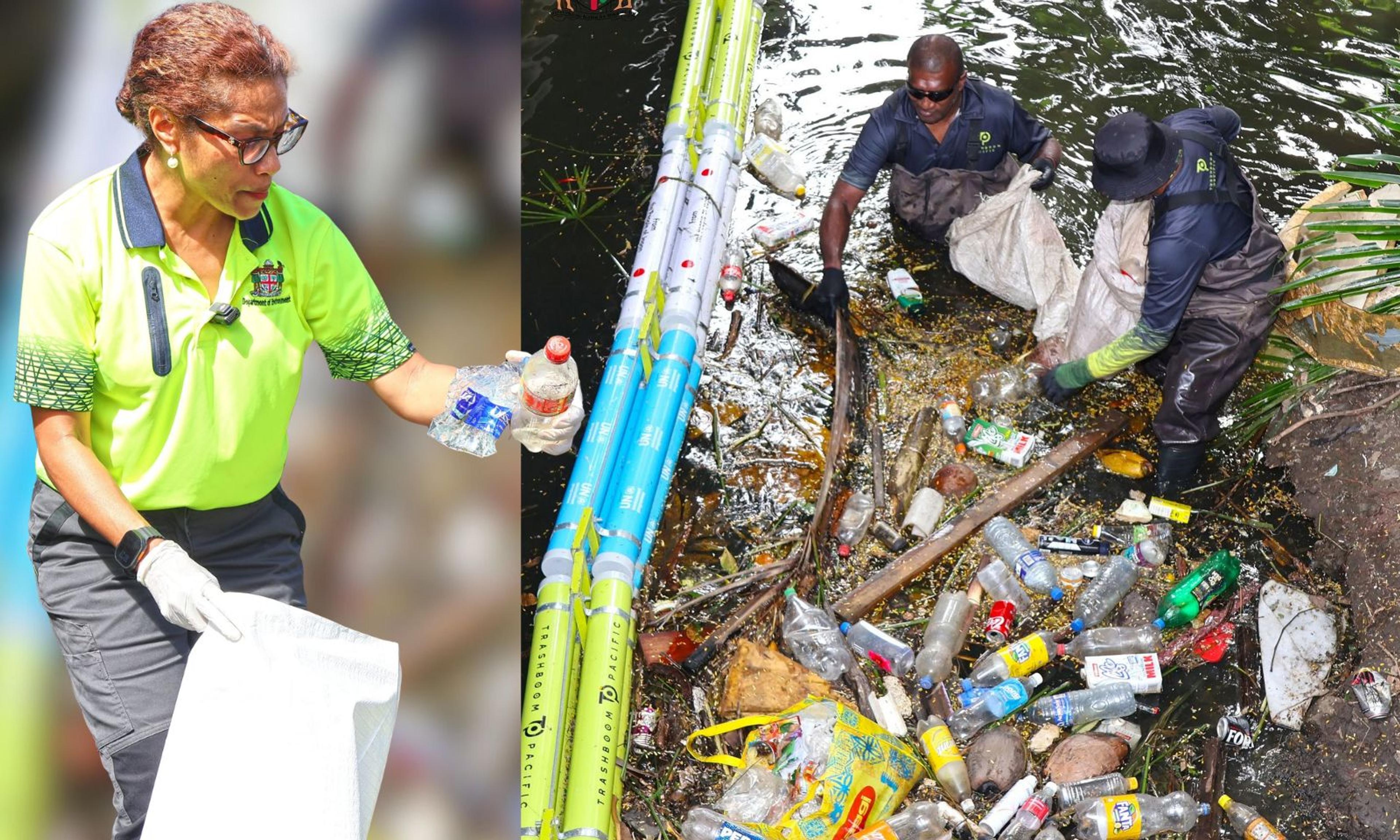
Lynda Tabuya says we cannot claim to be inspired by nature while we are slowly strangling it with our own waste. Photo/Trashboom Pacific
“We cannot talk about climate resilience while our rivers choke on discarded wrappers. We cannot promise a sustainable future while our marine ecosystems digest our negligence,” Tabuya says.
The minister adds, the Ministry will enforce stricter regulations, empower our municipalities, and fight for Fiji on the global stage, including in the context of the Global Plastics Treaty negotiations.
In return, she demands local accountability.
“Keep your waste with you until you find a bin. Refuse the plastic straw. Fix what you own instead of throwing it away. And never, ever look away when someone desecrates our land,” she says.
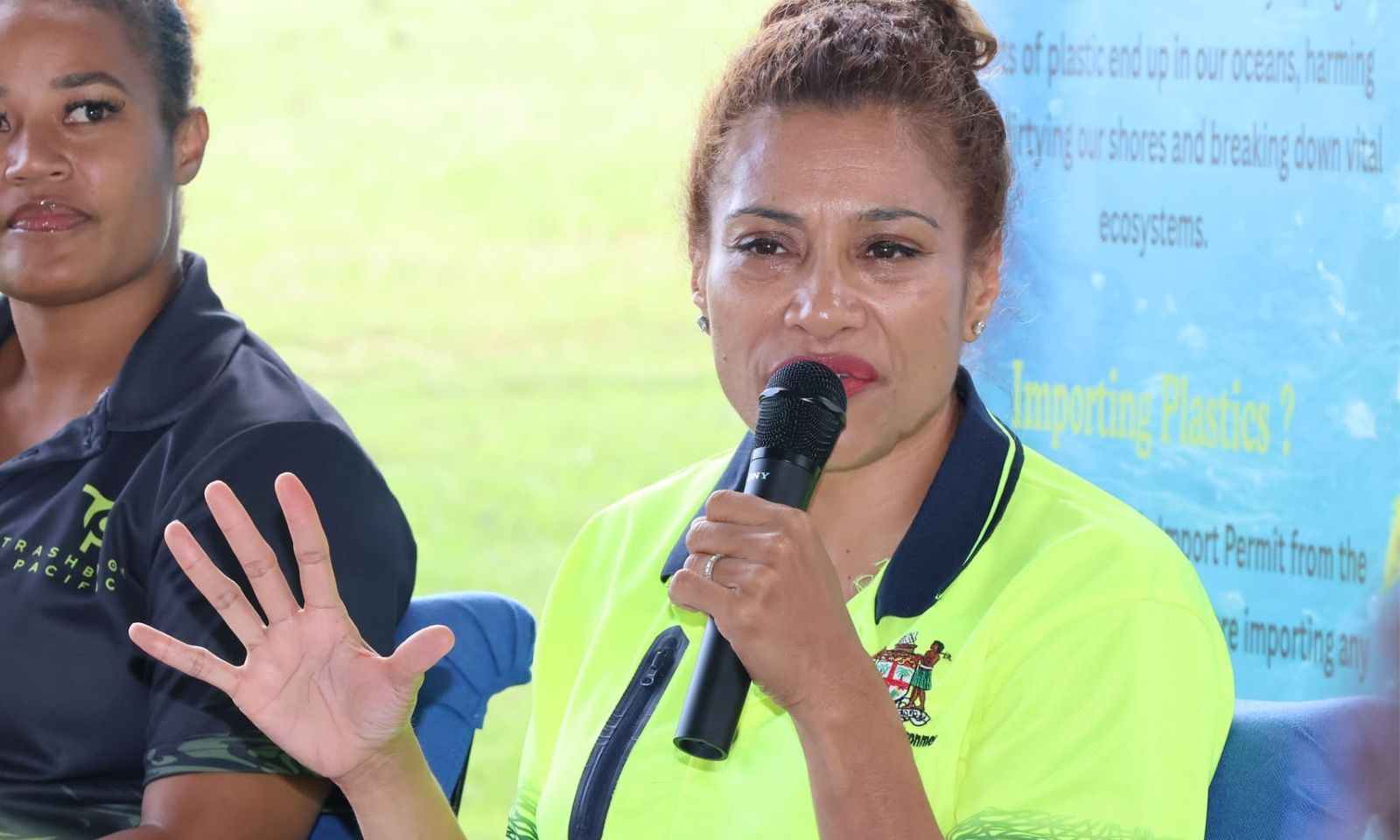
Tabuya is calling on all Fijians to treat the waste issue like the crisis that it is. Photo/Fiji goverment
“When we finally treat our waste issues as the crisis it is, we stop devaluating and dis-advantaging both our future and the lives of future generations.”
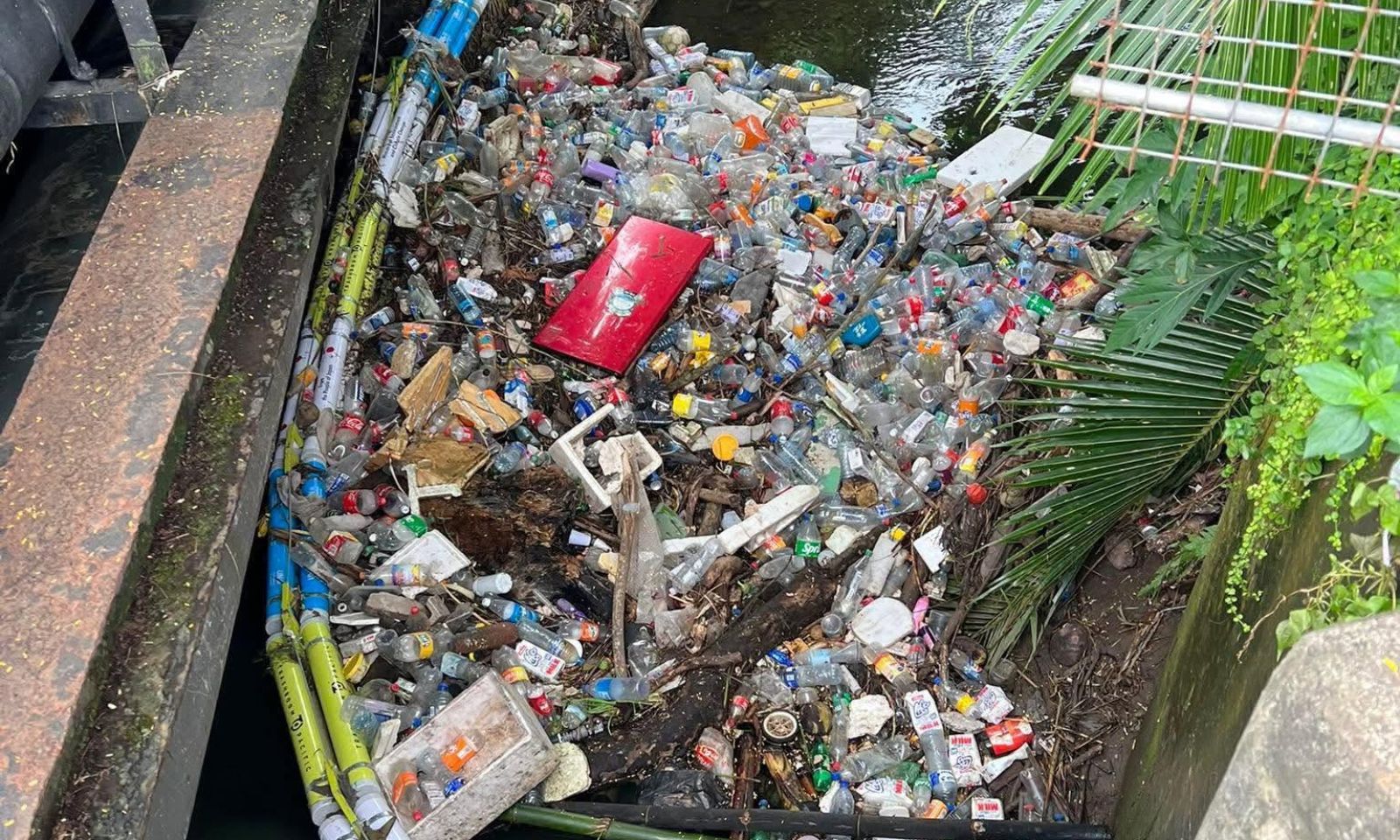
Trashboom Pacific, an environmental organisation that deploys floating barriers to intercept rubbish before it reaches the ocean, deals with the reality on the ground.
Founder and Director Wayne Fuakilau says since their inception in 2024, they have intercepted 14,000 kilograms of trash in their 13 systems installed in key rivers and waterways around the country.
“We have a waste crisis that has been neglected over the years,” he says.
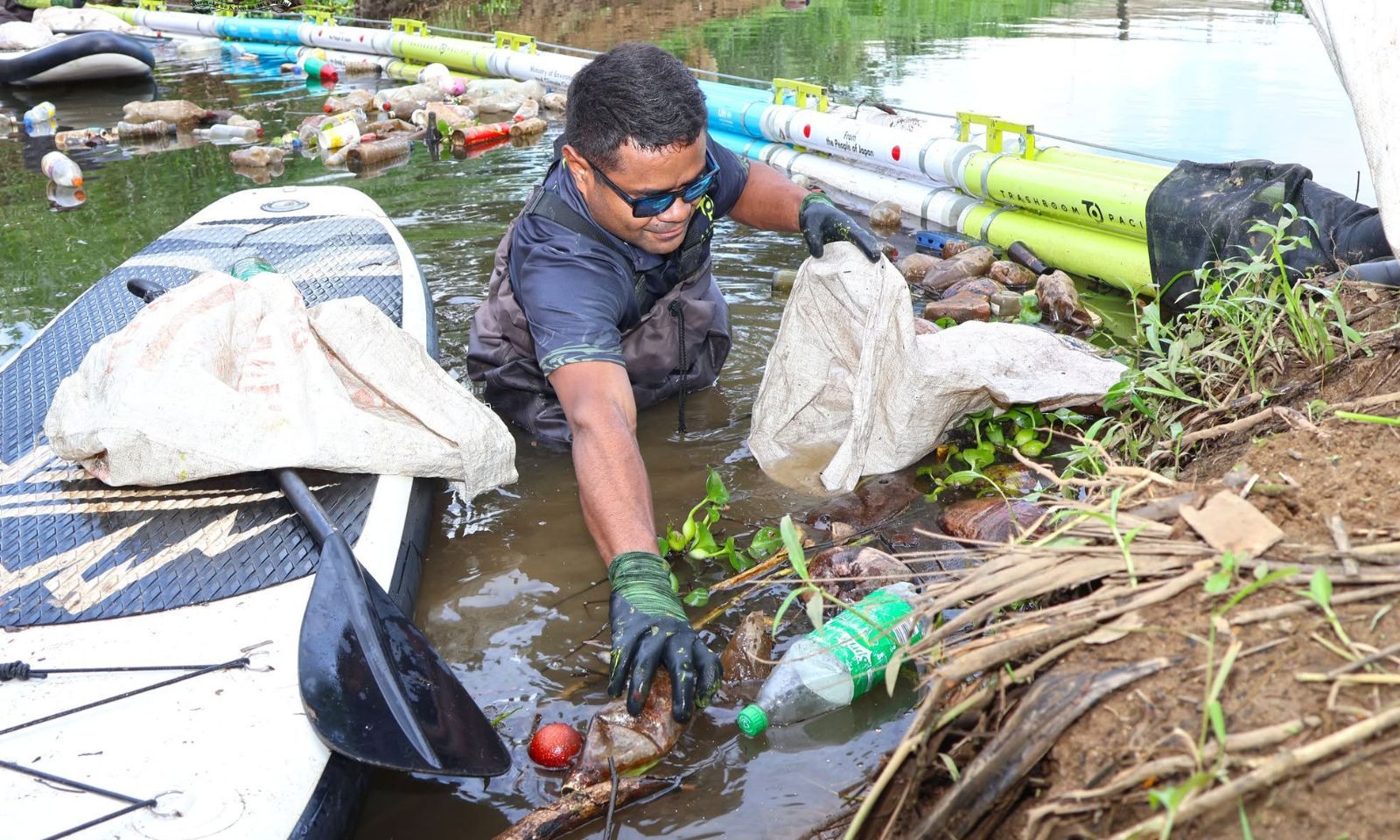
A Trashboom Pacific employee collecting trash intercepted by the trashbooms. Photo/ Trashboom Pacific
There's been focus on the water sector, electricity sector and other infrastructure but waste management has been neglected. Now, we're seeing the issue,” Fuakilau told PMN News.
He says plastic pollution continues to be the biggest problem in the waterways.
“One of the biggest issues we're facing now is soft plastics. Second to soft plastic is PET bottles,” Fuakilau says.
“We're also seeing all sorts of trash like washing machines, microwaves, old mattresses, tires and we are also intercepting needles, with a growing drug problem in Fiji.”
Watch Trashboom Pacific employees collect trash at one of their trashboom locations
Data collected from the systems is shared back to the municipal councils and the Ministry. PET bottles and beverage cans intercepted are diverted to the Return and Earn initiative, while other rubbish are taken to councils skip bins or dumpsites.
“Our bigger picture is really to reduce landfill and also to reduce what's going up to the marine ecosystem as far as to intercept trash upstream.”
Fuakilau says all stakeholders need to work together to see what they can do to improve the waste management infrastructure in the informal settlements, because right now it's a cause for worry.