
Trump's new tariffs spare Pacific but trade shock could still hit island economies
Christine RovoiThu, 26 Nov
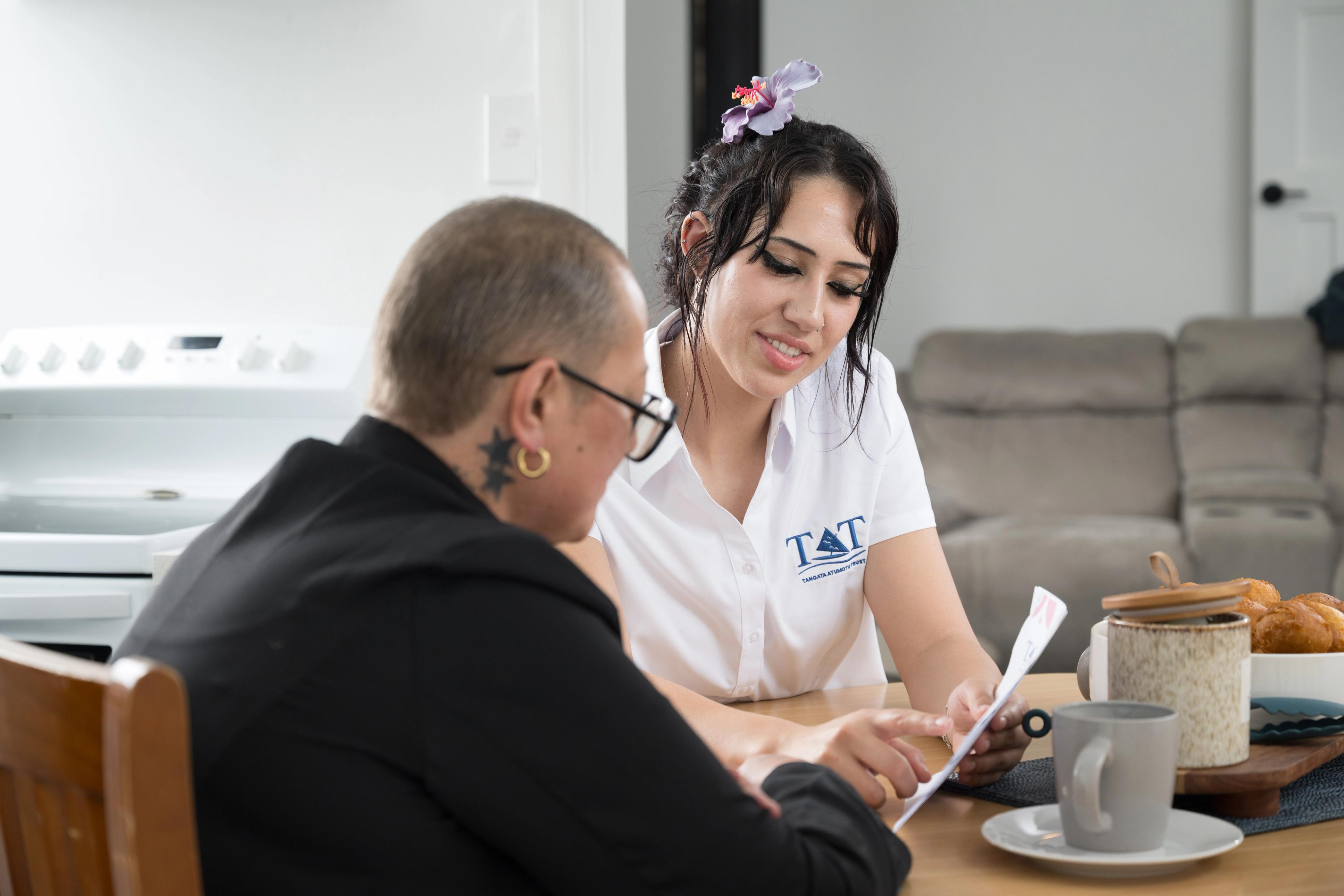
Tangata Atumotu Trust (TAT) and the Cancer Society have joined forces to establish a Pacific Cancer Care Coordinator role in Canterbury.
Photo/Supplied
A dedicated care coordinator is helping Canterbury patients and caregivers overcome access to treatment, financial hardship, and navigating a complex healthcare system.



Sponsored content
Pacific cancer patients in Canterbury now have dedicated support to access treatment and overcome barriers to care under a South Island-first service.
Tangata Atumotu Trust (TAT) and the Cancer Society have joined forces to establish a Pacific Cancer Care Coordinator role in response to longstanding inequities in cancer outcomes.
The free service helps patients and their families overcome language, financial and transport barriers while providing culturally appropriate support throughout diagnosis, treatment and recovery.
TAT chief executive Carmen Collie Tuipulotu says the partnership also aims to improve cancer awareness, encourage early detection and increase participation in screening programmes.
“This collaboration addresses disparities in health outcomes for our Pasifika communities by providing education to improve understanding of cancer prevention and treatment, navigation support to help families access hospital and community resources, and community engagement to raise awareness and encourage screening,” says Carmen Tuipulotu.
The free service helps patients and their families overcome barriers throughout diagnosis, treatment and recovery. Photo/Supplied.
The initiative comes against a backdrop of persistent inequities in cancer outcomes for Pacific peoples in Aotearoa.
A recent report by Te Aho o Te Kahu – Cancer Control Agency shows Pacific peoples are 19 per cent more likely to be diagnosed with cancer and 41 per cent more likely to die from it than European/Other populations.
Pacific peoples have also experienced the country's highest annual increase in cancer incidence since 2020.
Earlier research published in the New Zealand Medical Journal identified lung cancer as the leading cause of cancer deaths among Pacific peoples, averaging 72 deaths annually between 2007 and 2018.
Watch Olive Tuipulotu's full interview below.
Breast cancer was the most commonly diagnosed cancer among Pacific women, averaging 166 new cases annually between 2007 and 2019.
Speaking on Pacific Mornings, Cancer Care Coordinator Olive Tuipulotu says existing services have not been specifically targeted at Pacific communities.
“Just because they [services] exist in general doesn't mean that they're easy to access for our community. There can be transport barriers, cost barriers, language barriers.”
She says the new partnership combines the trust's community connections with the Cancer Society's expertise, moving away from a one-size-fits-all approach to cancer care.
Tuipulotu recalls supporting a family facing financial hardship after both the cancer patient and their caregiver had to give up work.
Alongside providing food parcels, she helped the family prepare questions for their clinical team to better understand the treatment plan.

Tuipulotu recalls supporting a family facing financial hardship after both the cancer patient and their caregiver had to give up work. Photo/Supplied.
Her role includes accompanying patients to appointments, explaining medical information and advocating on their behalf.
Eligible patients can also access transport and accommodation assistance, dietary supplements, wigs, turbans and temporary prostheses.
The service extends beyond patients to support family members and caregivers.
“It does take an emotional toll on people. That's why I think it's really important that we have these accesses to counselling for caregivers.”
Through Encompass Health, patients can access physiotherapy, nutrition and counselling services, with counselling also available to family members.
The initiative aims to improve cancer awareness, encourage early detection and increase participation in screening programmes. Photo/Supplied.
Community programmes include Look Good Feel Better, exercise groups and arts and crafts activities, helping reduce the isolation that can accompany cancer.
Tuipulotu is urging Pacific people to prioritise cancer screening and seek medical advice if they notice changes in their health, rather than wait for their next screening appointment.
“I think that screening is really crucial for our community to detect any signs of cancer early,” she says.
She encourages people to check with their GP whether they are due for bowel, breast or cervical cancer screening.
The free Cancer Care Support service is available to eligible Pacific peoples living in Waitaha (Canterbury).
Individuals and caregivers can request support for themselves or a loved one by calling 0800 727 434 or completing a referral form through the Tangata Atumotu Trust website at tat.org.nz.