
'Cheap as chips' but Pacific families face big barriers to treating gout
Thomas Tarurongo WynneThu, 08 Oct
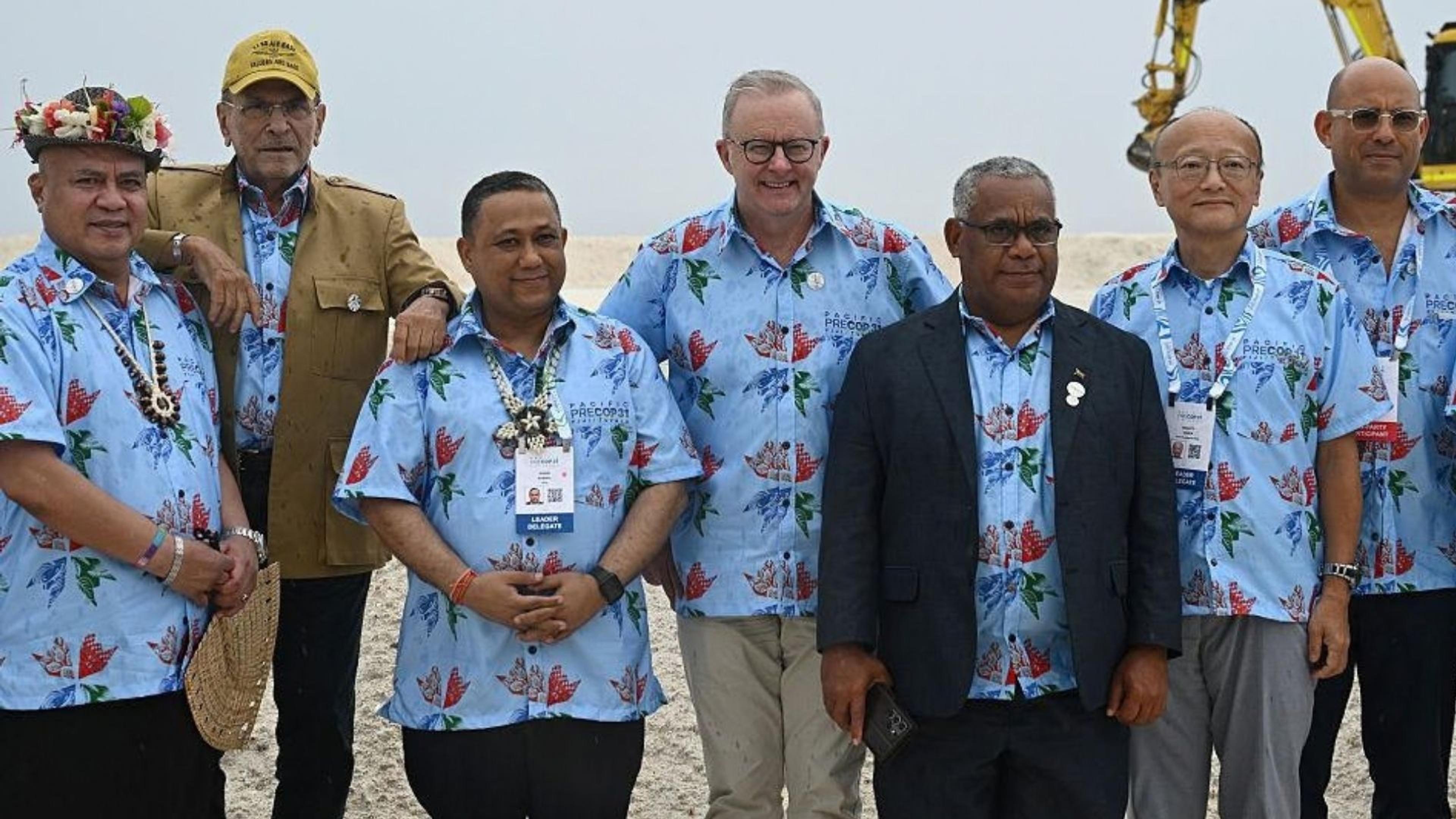
Pacific leaders and representatives gather in Tuvalu during a Pre-COP31 visit to see the impact of rising seas and climate change firsthand.
Photo/GCF/Tuvalu
Leaders say Tuvalu shows what climate finance can do before disaster strikes and the Pacific cannot wait years for money to reach vulnerable communities.

Pacific climate projects could be in line for another US$300 million (NZ$536.64 million) as the Green Climate Fund (GCF) pushes to get money into the region faster.
Mafalda Duarte, the Fund's Executive Director, told Pacific leaders at Pre-COP31 in Nadi that the GCF had doubled its Pacific investment in three years - from US$500m (NZ$894.39m) to US$1 billion (NZ$1.79 billion), unlocking US$2.4b (NZ$4.29b).
She said a further US$300m in Pacific financing is due to go before the GCF board later this month.
The announcement this week comes as Pacific leaders continue to push wealthy countries to put more money into climate resilience as island nations face rising seas, stronger weather events and limited access to international climate funds.
"This is the moment to invest," Mark Brown, Prime Minister of the Cook Islands, told delegates. "Your investment buys us time."
"More is needed now," Australian Prime Minister Anthony Albanese said. "Every investment now will make a difference and mean less cost of remediation tomorrow and in the future."
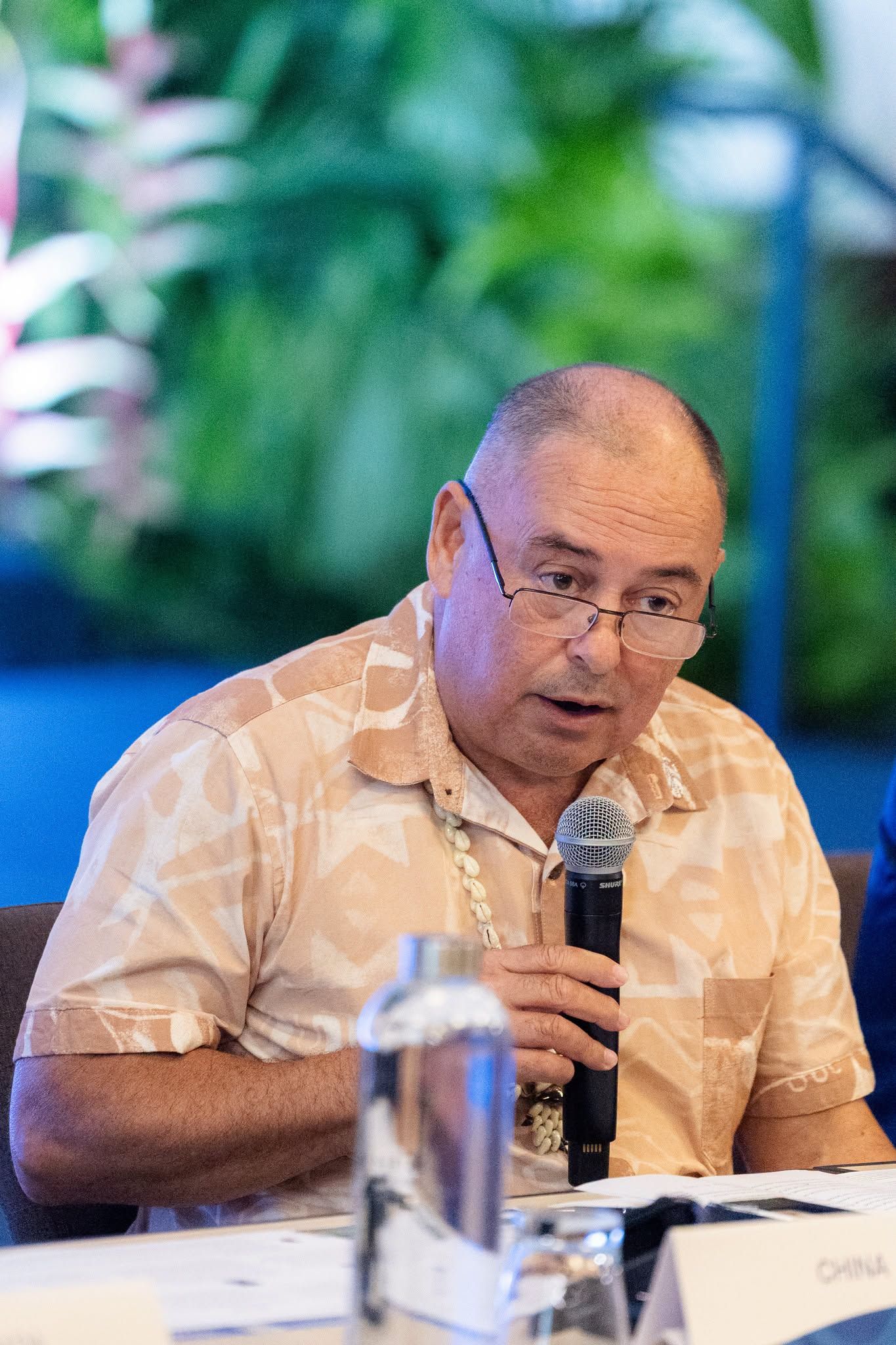
Cook Islands Prime Minister Mark Brown says investment in Pacific climate resilience can buy the region more time to respond to rising seas and other climate threats. Photo/Facebook/Pacific Islands Forum
Duarte said her recent visit to Tuvalu showed her the urgency in a way that scientific reports could not.
“There is a very big difference between reading scientific reports, hearing stakeholders talk about climate change and actually experiencing firsthand being in the islands.
"I have been in many countries and places around the world that have been impacted by climate change but I have never been in one where the existential risk was so alive,” she said.
Tuvalu is already using climate finance to create higher, safer land.
Duarte pointed to the Tuvalu Coastal Adaptation Project, which received GCF funding in 2016 and was completed in 2024.
The project has since been followed by two further phases expected to reclaim about 20 hectares of land.
She said the work showed why funding needs to reach communities before climate disasters hit.
“Climate finance works. It reaches people before a shock becomes a catastrophe. It protects the foundations of economies, food, water, health, education, energy and can unleash significant economic opportunities,” Duarte said.
She says that makes climate finance a matter of security than charity. “Climate finance is not charity. It is an investment in shared human and economic security."
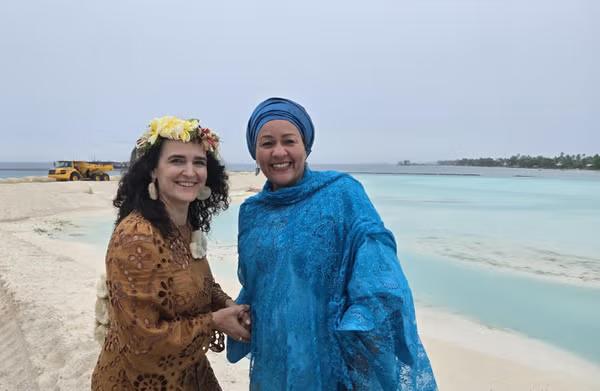
Green Climate Fund Executive Director Mafalda Duarte, left, and Amina J. Mohammed, Deputy Secretary-General of the United Nations, at a new site for land restoration in Tuvalu, building on GCF’s initial investment. Photo/GCF
She said governments were already finding huge sums for other priorities such as military spending and fossil fuel subsidies.
“If we can invest almost three trillion dollars globally in just one year in military spending and even more so in fossil fuel subsidies, we can certainly scale investments that are the only guarantee of energy, food and water security,” she said.
Duarte said the GCF was also changing how it works so funding can be delivered at the scale and speed Pacific communities need.
“We need ambition, we need scale of investments and we also need institutions that can deliver at that scale in a timely manner,” she said.
The push comes as the Pacific Resilience Facility, a fund owned by Pacific island governments, also seeks more international backing.
New pledges from Fiji, Ireland, the Netherlands, and Denmark have taken the facility to just under US$200m (NZ$357.76m). It is seeking US$500m following COP31, with a longer-term goal of US$1.5b (NZ$2.68b).
Duarte said the lesson from Tuvalu should not be ignored.
“Let us allow ourselves to be inspired by what we saw in Tuvalu and not allow the call from the elder lady and the girl or even the students here today go unheard and unanswered,” she said.
The Pre-COP31 discussions in Tuvalu and Fiji ended on Thursday. COP31 kicks off in Türkiye in November.