
Tongan artist puts women makers and ancestral knowledge at centre of new exhibition
Aui'a Vaimaila Leatinu'uWed, 25 Nov
Pacific countries are watching the latest US tariffs for possible flow-on effects through Asian supply chains, freight costs and household prices.
Photo/Supplied
Major Asian trading partners are among those targeted in the latest US duties, raising concerns about the flow-on effects for Pacific supply chains, freight and household costs.


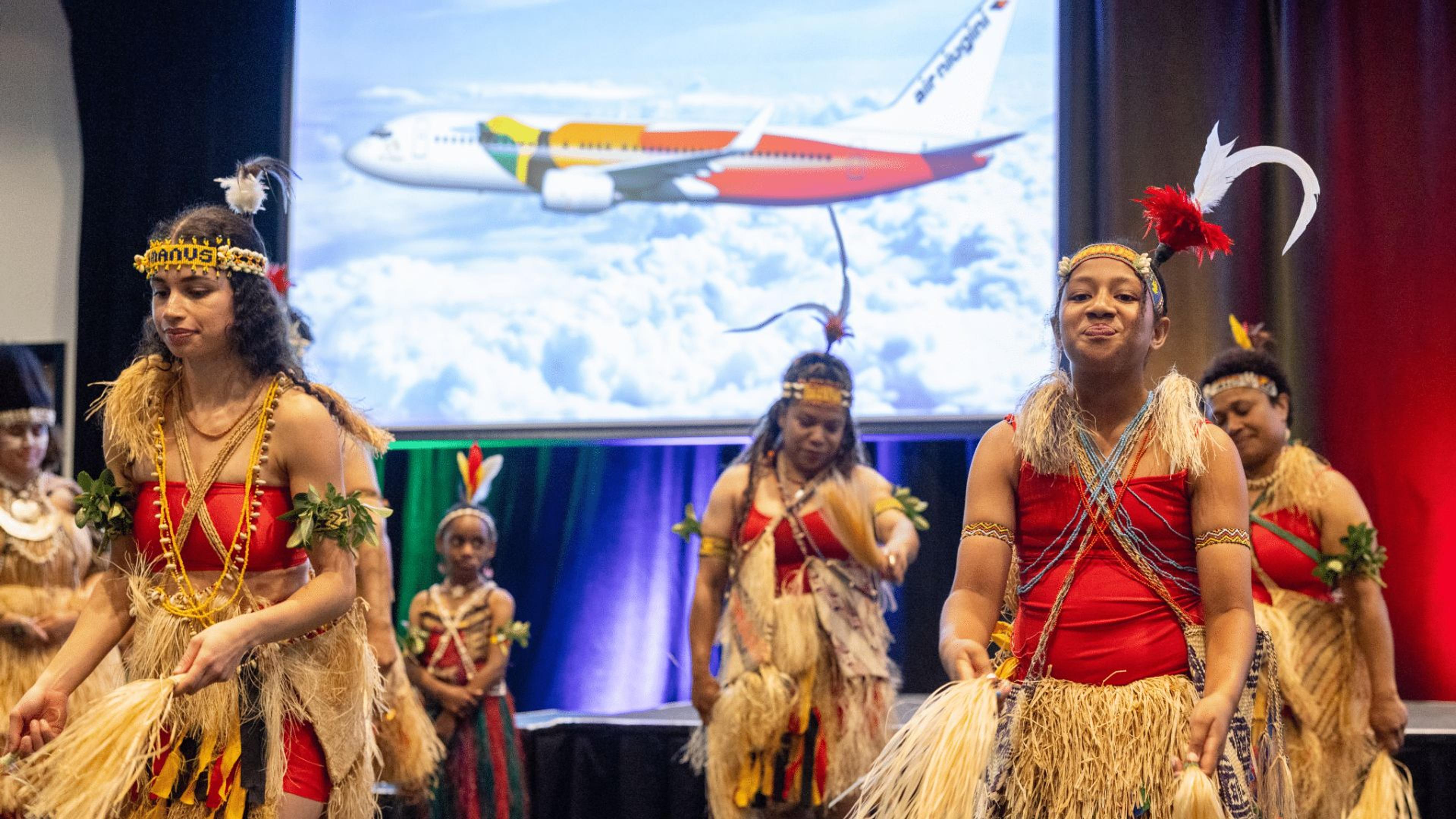

Pacific Island countries have been spared from the latest round of trade tariffs by the United States but experts warn the region could still feel the effects as higher costs move through Asian supply chains.
The new US duties target 14 major trading partners including China, India, Japan, South Korea, Singapore, Thailand, Vietnam and Malaysia - all key markets and trade routes for Pacific economies.
International law expert Professor Alexander Gillespie says the wider use of tariffs as economic pressure raises concerns for small countries, which can be vulnerable when larger powers use trade to pursue strategic goals.
“The thing that people need to hold on to is the importance of self-determination that the people can determine for themselves their own future and that decision cannot be taken away from them,” he told William Terite earlier this year on Pacific Mornings.
Gillespie said that principle applied equally across the Pacific, regardless of a country's size.
“Because the risk here would be if Mr Trump said to us, ‘I need the Cook Islands for defence, and unless you give it to me, I’m going to put a tariff on New Zealand and keep escalating that tariff until I get what I want.’”
Watch Al Gillespie's interview below.
Pacific analyst Dr Tess Newton Cain has said the economic impact could also reach countries that were not directly targeted.
“Even where Pacific Island countries are not the primary target, they get caught in the crossfire. Global trade disruption pushes up freight and input costs, and small, import-dependent island economies end up paying more at the checkout," she told the ABC.
The latest measures come after Pacific countries were directly affected by earlier US tariffs.

US President Donald Trump has announced a new round of tariffs targeting 14 major trading partners. Photo/PMN News composite
When Fiji faced a 32 per cent US tariff in April 2025, Fiji Commerce and Employers Federation chief executive Edward Bernard warned of wider effects on exporters and workers.
“We are concerned about the impact this will have on our exporters, particularly in the water and agricultural sectors, and the downstream effects on local jobs and small businesses that supply these industries,” he told The Fiji Times.
Fiji Prime Minister Sitiveni Rabuka also warned at the time that Pacific countries had little power to respond to a trade war.
“We cannot fight a war, a trade war particularly. We don't have anything to counter with. So we will have to weather the storm and roll with the punches.”
This time, Fiji and other Pacific Island countries are not among the countries directly targeted.
The latest US tariffs apply to goods from China, Bangladesh, Cambodia, the European Union, India, Indonesia, Japan, South Korea, Malaysia, Singapore, Switzerland, Taiwan, Thailand and Vietnam.
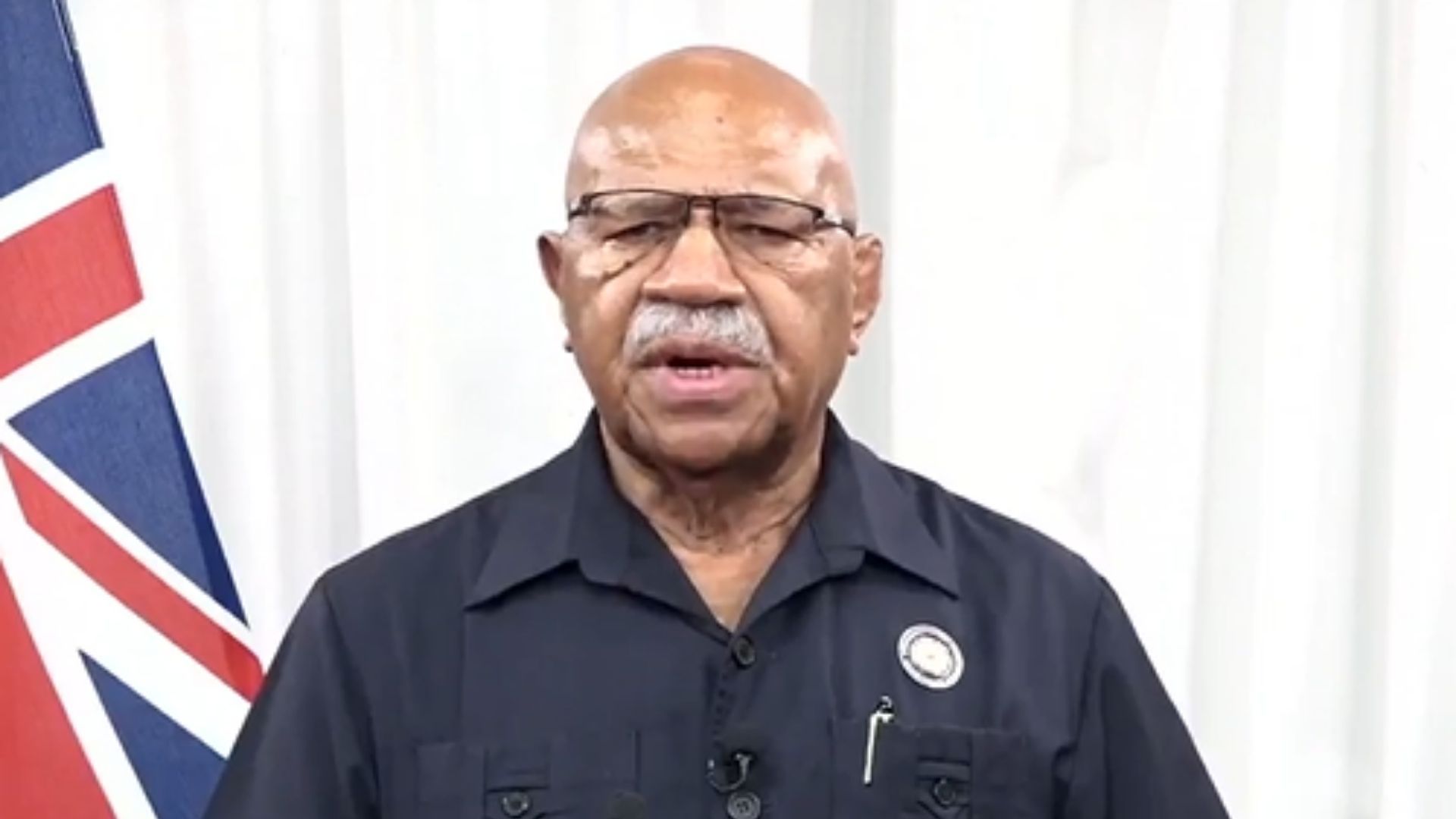
Fiji Prime Minister Sitiveni Rabuka previously warned that Pacific countries had little power to respond to a US trade war after Fiji was hit with tariffs in 2025. Photo/Fiji government
The new duties range from 10 to 18 per cent for most affected trading partners. Some Chinese goods face a new 20 per cent tariff on top of existing duties, which could take some total rates to 45 per cent, while Vietnam faces a 20 per cent tariff.
Brazil is also facing separate measures including a 10 per cent tariff on aircraft exports and increased duties on raw and refined sugar.
But officials in the Pacific say changes to global commodity markets could also matter.
Fiji has its own sugar industry and changes in the global sugar market following higher US duties on Brazilian sugar could affect competition although the direct impact on Fiji remains unclear.
Asian Development Bank president Masato Kanda says wider trade disruption is already affecting households across Asia and the Pacific.
“Neither country has any part in the conflict there. Yet when I visited each this year, I saw communities paying for it at the fuel pump and at the dinner table," he said in a statement this week.

Asian Development Bank President Masato Kanda says households across Asia and the Pacific are feeling the effects of global trade and economic shocks. Photo/Facebook/ADB
“Households across Asia and the Pacific are feeling the impact too, with inflation expected to rise to 4.2 per cent this year from 3.0 per cent last year.”
The new US tariffs are based on an investigation by the US Trade Representative into what Washington calls excess industrial capacity.
The US says this happens when countries can produce more goods than there is demand for, leading to overproduction and large or lasting trade surpluses.
The Trump administration has previously accused China of flooding global markets with products including steel, aluminium, electric vehicles, appliances and solar equipment.
China has rejected those claims, saying its exports reflect competitive advantages.
The latest tariffs also come after the US Supreme Court struck down Trump's use of emergency powers to impose some earlier duties. Other tariffs introduced under different US laws remain in place.
Watch award-winning screenwriter and director, and Pacific Islands Screen Artists founding member Jeremiah Tauamiti, on Pacific Mornings in May 2025.
Australia is not included in this latest round although the US imposed a 12.5 per cent tariff on Australian products in July under a separate measure.
The experts say the bigger concern for Pacific businesses and consumers may be what happens further down the supply chain. Higher costs for manufactured goods, components or shipping in Asia could eventually be passed on to Pacific importers and households.
US-affiliated Pacific territories such as American Sāmoa, Guam and the Northern Mariana Islands may also face higher costs on goods sourced from Asia although their customs and trade arrangements differ.
The latest tariffs are also facing political opposition in the United States, with a Reuters/Ipsos poll finding 62 per cent of respondents supported efforts to repeal the tariffs following the US midterm elections.
The latest US trade measures are another reminder that decisions made by major economies can have consequences far beyond the countries named in a tariff announcement.