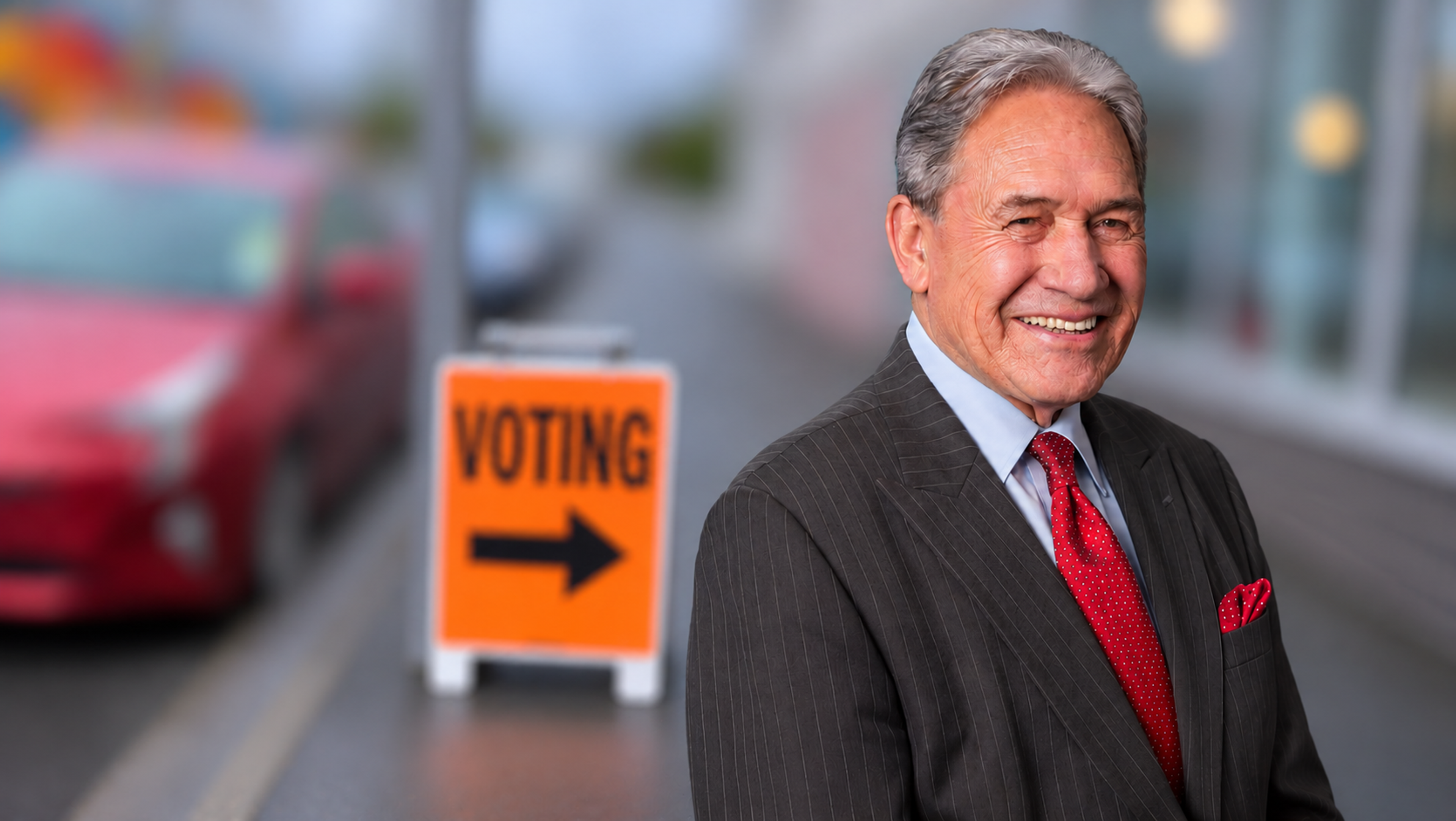
‘We are going to win’: Winston Peters rules out being in opposition days before election
Thomas Tarurongo WynneMon, 02 Nov
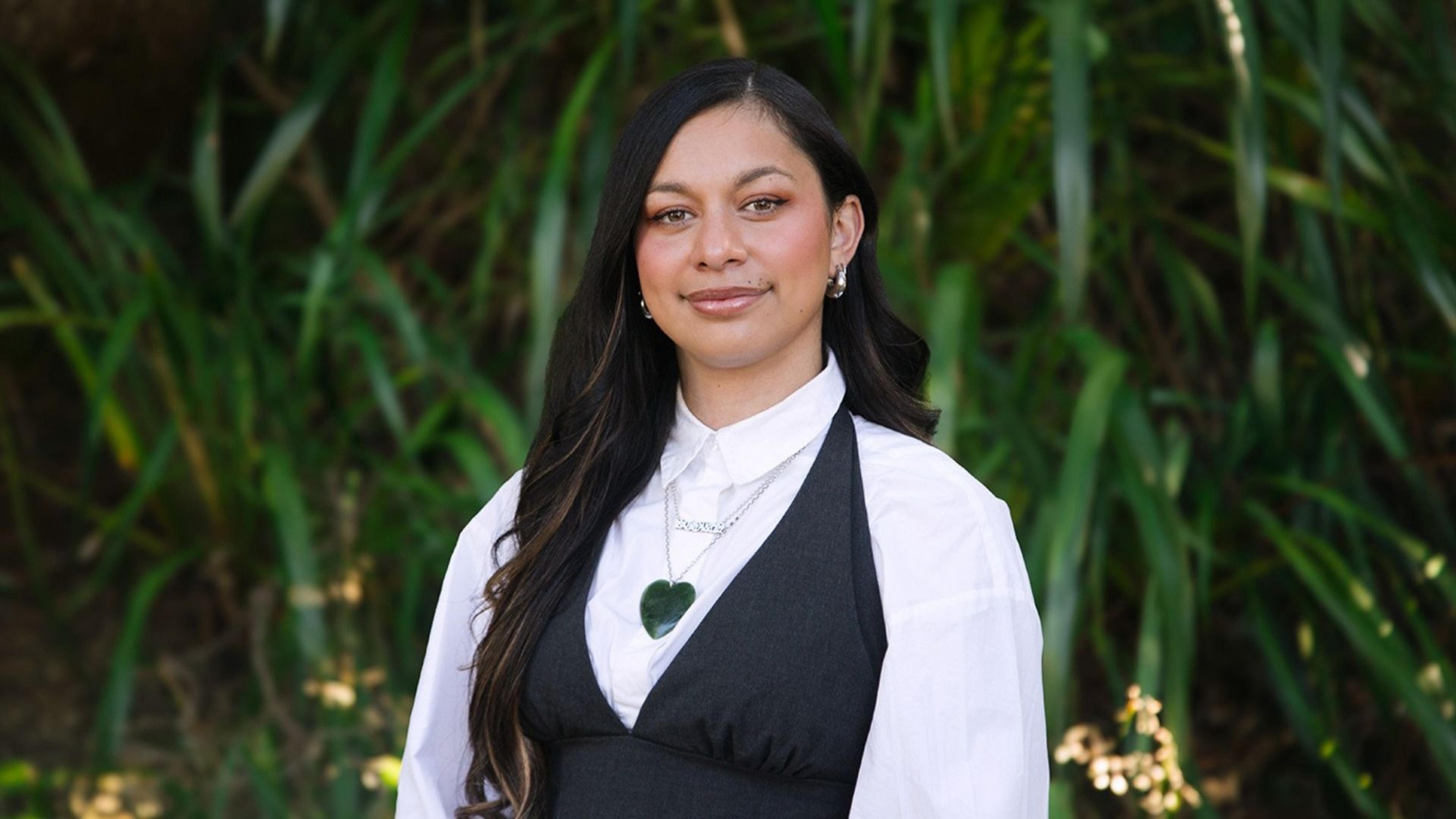
Green Party candidate Tamatha Paul says Pacific voters are ready for “bold transformation” as election day approaches.
Photo/greens.org.nz
"People want transformation". Wellington North candidate Tamatha Paul says voters are looking beyond traditional political loyalties.



The Greens are making a fresh pitch to Pacific voters in the final days of the election campaign, arguing that families facing rising costs want more than small changes from the major parties.
Wellington North candidate Tamatha Paul (Ngāti Awa, Waikato Tainui) says the party is seeing strong energy on the campaign trail, including from young Pacific voters who she says feel represented by the Greens.
“I think we're the only ones that are actually offering bold transformation," she told William Terite on Pacific Mornings.
Paul says working people are fed up with governments that promise change but leave the cost of living pressures untouched.
“Wealth has just concentrated so far in the hands of the wealthy and working people are just dirt broke.”
The pressure on Pacific households has also been raised by Labour deputy leader Carmel Sepuloni, who said earlier this year: “Our people are really struggling right now... Whether it be with retaining jobs, whether it be with getting paid enough, putting food on the table.”
Watch Tamatha Paul's full interview below.
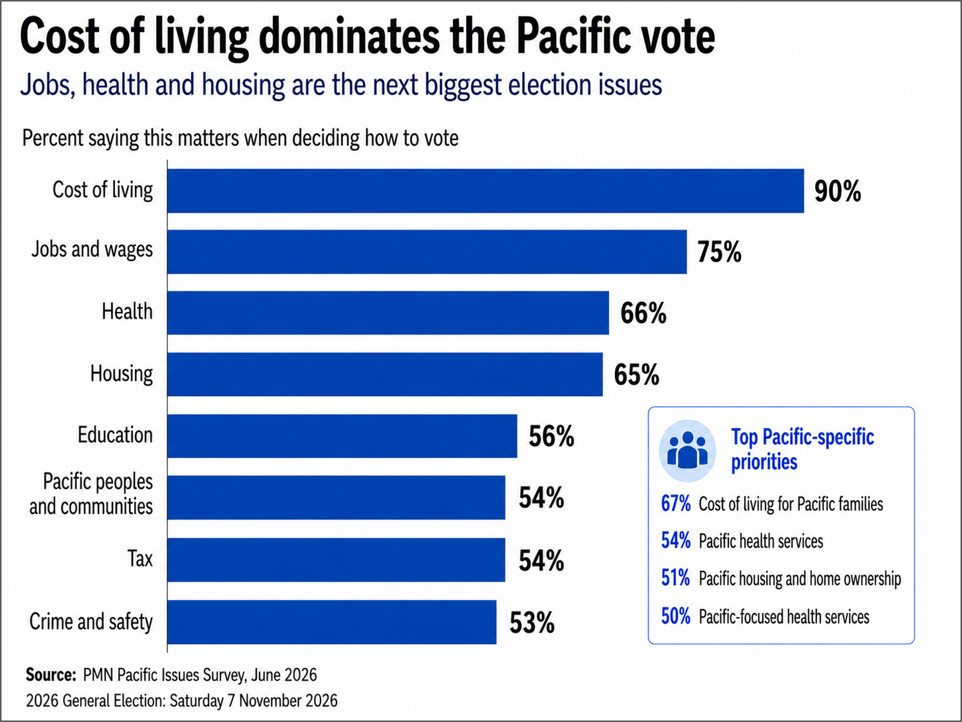
Paul’s focus on household budgets aligns closely with recent data. The landmark PMN News–Horizon Research Pacific Issues Election Survey revealed that the cost of living, healthcare, and wages are the overwhelming priorities dictating Pacific votes, with respondents warning that political parties risk losing community trust if they fail to deliver real financial relief.
Paul says that frustration is opening the door for smaller parties, including the Greens, as voters look for policies they believe will make a real difference to household budgets.
“I think that's what we're seeing here, is that people want transformation.”
Watch Carmel Sepuloni's full interview below.
But Sepuloni disputes the idea that the Greens have a monopoly on transformative policy.
“Oh, we've announced our capital gains tax. That's transformative. You can't say that three free GP visits and free prescriptions are not transformative. This is about trying to move our primary health care system to a place where it is free and you can access that for free.”
The cost of living pressure Paul points to is also being felt across Pacific communities.
Paul says one of the biggest issues for Pacific voters is pay equity especially for women working in care and support roles.
“Pay equity is the elephant in the room here, because it is Māori and Pacific but particularly Pacific women who are doing those jobs that are the lowest paid jobs in Aotearoa but are also the most important jobs.”
The Greens are proposing to reinstate pay equity for care and support workers and increase their pay by between $7 and $10 an hour.
Paul contrasts that with Labour’s proposed $4 increase. “These are the kind of policies that we're putting forward that will have an impact for Pacific people, for Pacific workers.”
The Greens are also campaigning on changes to the tax system, including making the first $10,000 earned tax-free, as well as a wealth tax targeting what Paul says would be the wealthiest four per cent of New Zealanders.
“The 96 per cent and the majority of New Zealanders will be better off financially under the Greens plan.”
Paul says the Greens have had their economic policies independently checked through Infometrics and wants a permanent independent unit to assess the cost of political parties’ policies before voters go to the polls.
She also says Pacific voters, who have traditionally supported Labour, may be looking at other options.
But political commentator and former Green Party member Richard Pamatatau says the Greens still face questions about how well they connect with Pacific communities.
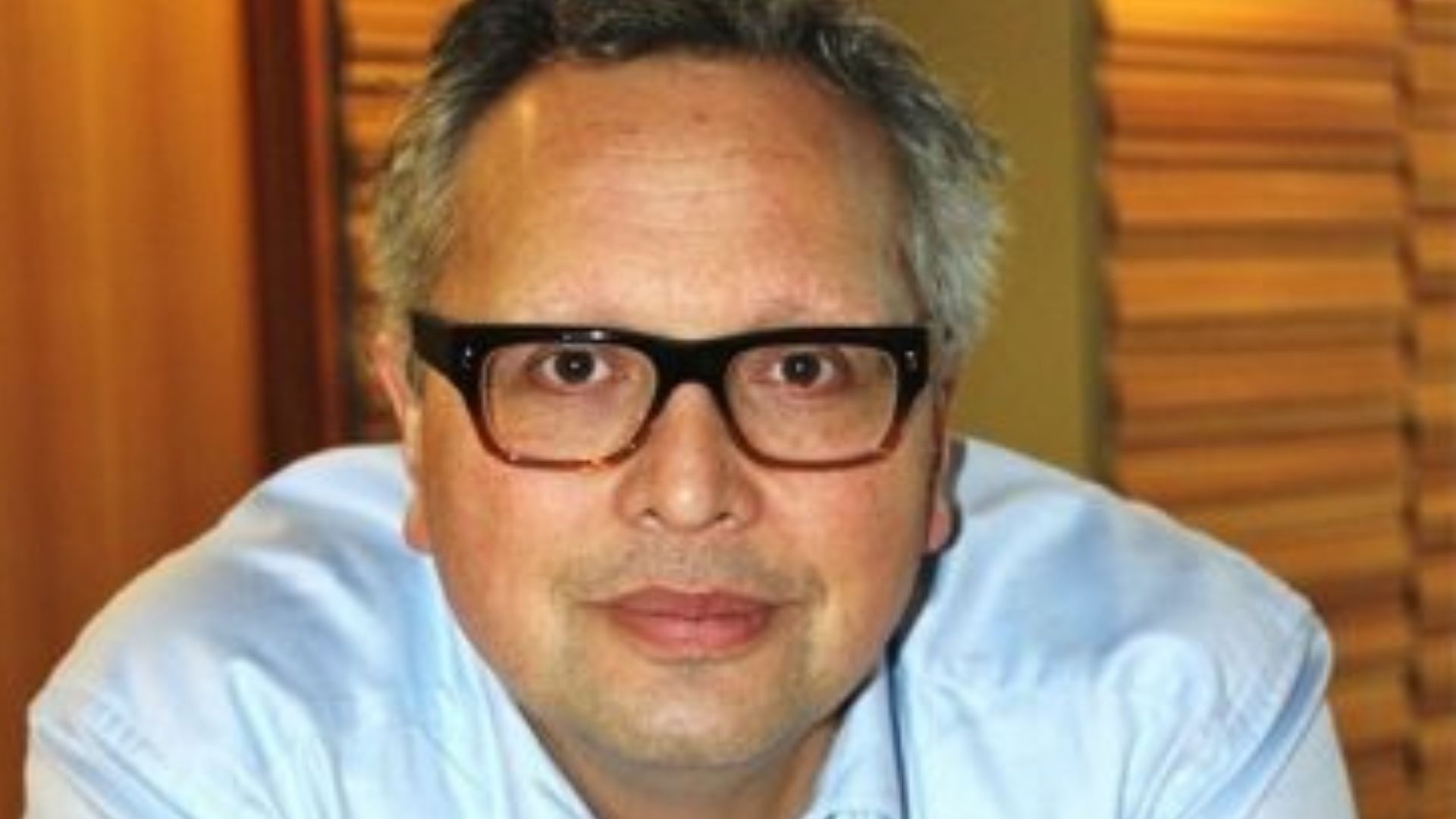
Richard Pamatatau says the Greens still have work to do to earn the trust of Pacific voters. Photo/Auckland University
Speaking on Pacific Mornings, he questioned whether the party has built the cultural foundations needed to earn long-term trust.
“If the Greens cannot get and cannot manage the behaviour of members, if it cannot be culturally safe and respectful to senior people from the Pacific population, that is not going to happen,” Pamatatau said.
One event Paul points to was a health forum in South Auckland attended by more than 1000 Pacific people, many working in care and support.
“Where were the other parties? If you don't want to show up into a room where there are a 1000 people who have voted for you for generations and you can't commit to them, why are you in Parliament?”
Paul says young people are also driving political change with rangatahi increasingly involved in protests and campaigning. “They understand that it's their future at stake.”
Her comments come as the Greens continue to poll strongly. The latest One News Verian poll puts the party on 15 per cent while Labour sits on 27 per cent.

New Zealanders head to the polls as election day draws closer. Photo/RNZ
Paul says Pacific voters considering New Zealand First should look closely at what the party has done while in government instead of its campaign promises.
“You've got to ask yourself, they might have rhetoric that appeals to you but have a good look at what they actually did with their power.”
She says the cost of living remains the biggest test. “Has your life gotten more affordable under National, NZ First and Act? No. It's gotten way more expensive.”
With voting already under way and election day on Saturday, Paul says the Greens want to offer Pacific voters a different choice - one based on economic change than keeping the current system in place.
“I think that would be because we're offering economic transformation, not just keeping things the way they are. Tinkering at the edges.”
Voting closes at 7pm on 7 November.