Labour and Greens clash over what's ‘transformative’ for NZ's Pacific voters
Thomas Tarurongo WynneWed, 14 Oct
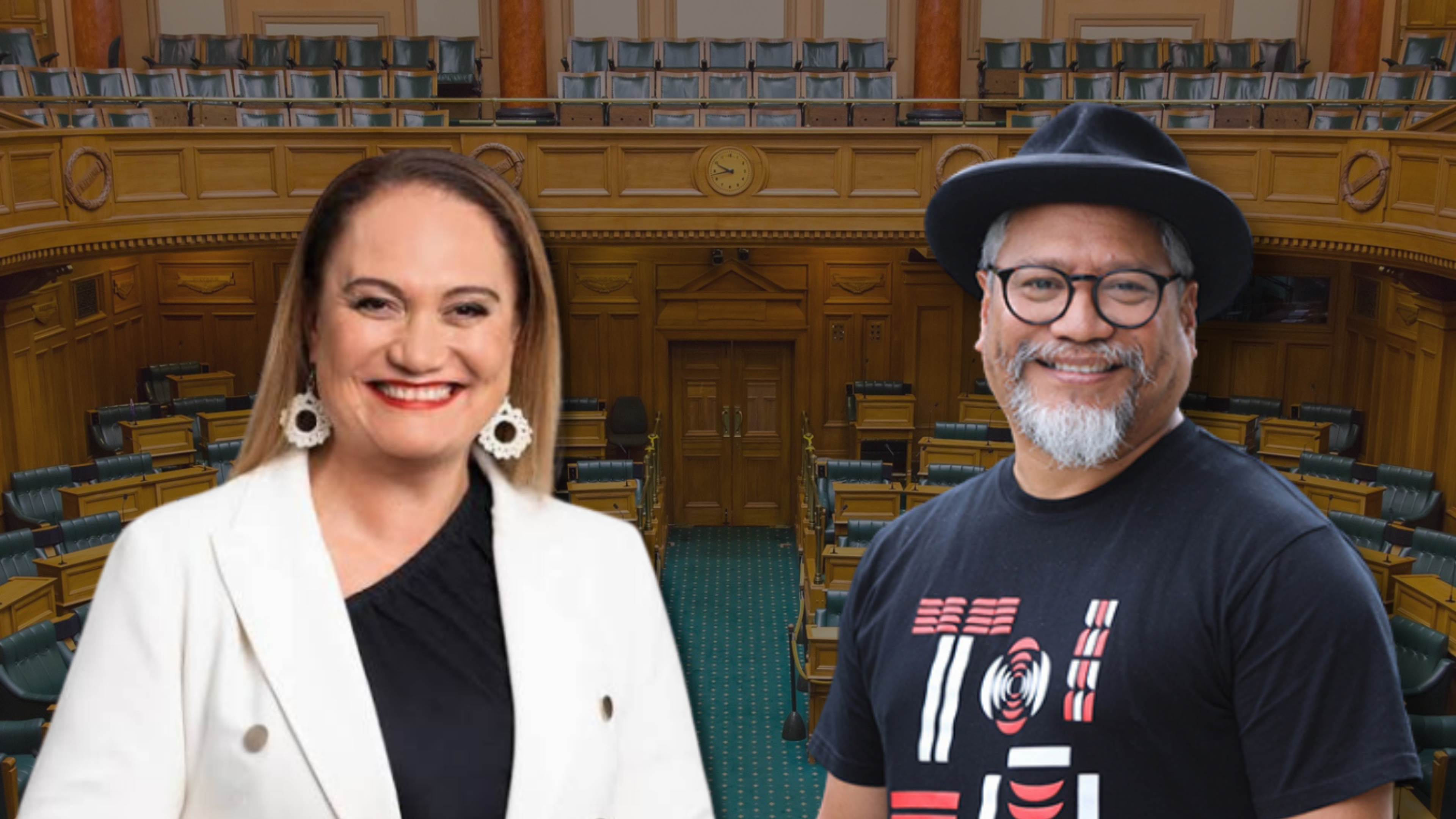
Labour deputy leader Carmel Sepuloni says her party’s plans for free doctors' visits and prescriptions, alongside cost-of-living measures, would make a real difference. Green MP Teanau Tuiono argues voters want bolder solutions.
Photo/PMN News/Composite
With cost of living set to influence nine in 10 Pasifika voters, the parties are offering different answers on health, taxes and jobs.

With 24 days until New Zealand’s general election, Labour and the Greens are making competing cases for how their policies would change life for families including Pacific households under pressure from rising costs.
Labour deputy leader Carmel Sepuloni says her party’s plans for free doctors' visits and prescriptions, alongside cost-of-living measures, would make a real difference. Green MP Teanau Tuiono argues voters want bolder solutions.
The debate comes as the latest 1News-Verian poll puts Labour and National level on 28 per cent and the Greens on 15 per cent.
Speaking on Pacific Morning, Sepuloni was asked by host William Terite where Labour's transformative policies were, the kind that would "light a fire" under voters.
"Oh, we've announced our capital gains tax. That's transformative," Sepuloni told Terite. "You can't say that three free GP visits and free prescriptions are not transformative. This is about trying to move our primary health care system to a place where it is free and you can access that for free."
The PMN-Horizon Research Pacific Issues Election Survey found nine in 10 Pacific respondents said the cost of living would influence their vote. Health and housing were also major concerns, identified by 66 per cent and 65 per cent respectively.
Watch Carmel Sepuloni's full interview below.
Tuiono was asked whether any party was offering truly transformational change.
"Except for us," Tuiono said to Terite. "People are looking for a bold policy. They are looking for solutions. That's what our policies do offer."
Sepuloni says Labour's package includes cheaper school uniforms, action on supermarket pricing, three free GP visits, free prescriptions and a $20-a-week fare cap in Auckland.

Political parties are promoting policies to tackle the cost of groceries at the supermarket. Photo/RNZ/Nate McKinnon
"One policy alone isn't going to make a difference, but the suite of policies that we have announced are going to make a difference to the cost of living for Pacific people," she says.
Asked whether Labour would reject the Greens' proposed super wealth tax in coalition talks, Sepuloni said the party was sticking to its own tax plan.
"Chris [Hipkins] has been very clear, we have one tax policy, and that's what we're campaigning on, and that's what we're planning on implementing."
Tuiono said the Greens expected their policies to be considered in any negotiations, arguing that New Zealand does not tax wealth properly.
Jobs are another point of difference. The Greens' youth jobs guarantee aims to get 32,000 people aged 16 to 24 into local jobs through the Mayors Taskforce for Jobs. National has questioned the proposal’s affordability, putting its cost at $4.86 billion over four years.
"Young people are looking for work. There's just no jobs out there," Tuiono said.
Listen to Teanau Tuiono's full interview below.
The debate has also turned to the cost of the parties’ plans. At a multi-party debate on Tuesday night, New Zealand First leader Vaovasamanaia Winston Peters said the Greens wanted an $88b increase in debt.
"Here we have this guy cosplaying like he's a friend of the workers. Well, he isn't," Tuiono said.
National has argued that big spending promises are the wrong approach in difficult economic conditions. Henderson candidate Angee Nicholas told PMN earlier in the campaign: "Grand ideas are not going to get us anywhere on the backdrop of really tough economic conditions."
Sepuloni rejected National's claim that Labour planned nine new taxes, saying its proposed capital gains tax would not apply to nine in 10 New Zealanders.
"There are not nine new taxes. It is disinformation," she says.
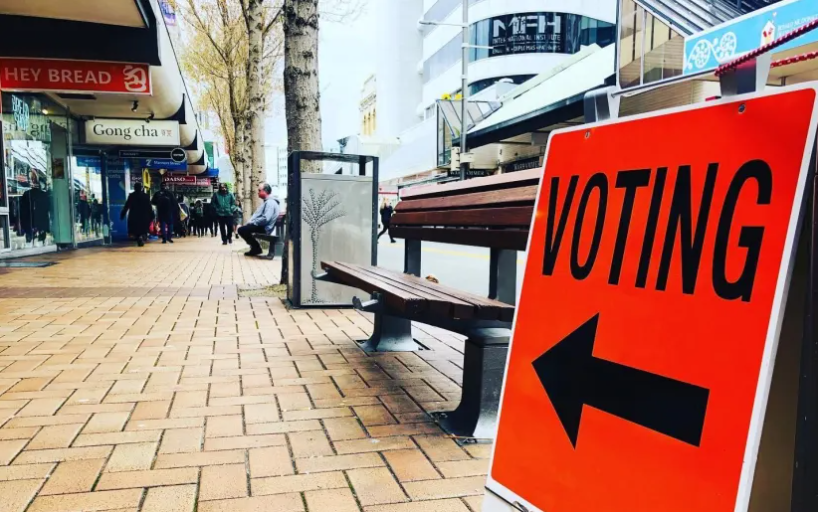
The final day to enrol to vote is 25 October. Advance voting runs from 26 October to 6 November, and election day is on 7 November. Photo/RNZ/Daniela Maoate-Cox
National's Louise Upston has said a Labour-led coalition would increase debt and introduce nine new taxes to fund its plans.
ACT leader David Seymour said at the multi-party debate: "You don't get higher wages from the government passing a law."
The final day to enrol to vote is 25 October. Advance voting runs from 26 October to 6 November, and election day is on 7 November.