
Sir Collin Tukuitonga and Filipo Katavake-McGrath discuss Pacific voter sentiment in this week's poll findings.
Photo/Composite
Election
Pacific voters asking tougher questions and parties need better answers, experts say
The PMN-Horizon Research Pacific Issues Election Survey suggests Pacific voters are looking beyond campaign promises, with experts saying parties now need to show how their policies will actually work.

Khalia Strong
Published
17 July 2026, 12:06pm
Share
Copy Link
Top stories
From Ōtara, NZ to Los Angeles: David Liti lifts up the next generation
Elton Lonaratha JnrMon, 19 Oct
Washington warnings mount as four Pacific nations risk loss of US aid
Christine RovoiTue, 20 Oct

'Watch out': Silver Ferns issue clear warning to Diamonds ahead of Christchurch clash
Brooke FonotiMon, 19 Oct
Top stories
From Ōtara, NZ to Los Angeles: David Liti lifts up the next generation
Elton Lonaratha JnrMon, 19 Oct
Washington warnings mount as four Pacific nations risk loss of US aid
Christine RovoiTue, 20 Oct
'Watch out': Silver Ferns issue clear warning to Diamonds ahead of Christchurch clash
Brooke FonotiMon, 19 Oct
Pacific voters are becoming more demanding of political parties and experts say this year’s election could mark a turning point in how Pacific communities engage with politics.
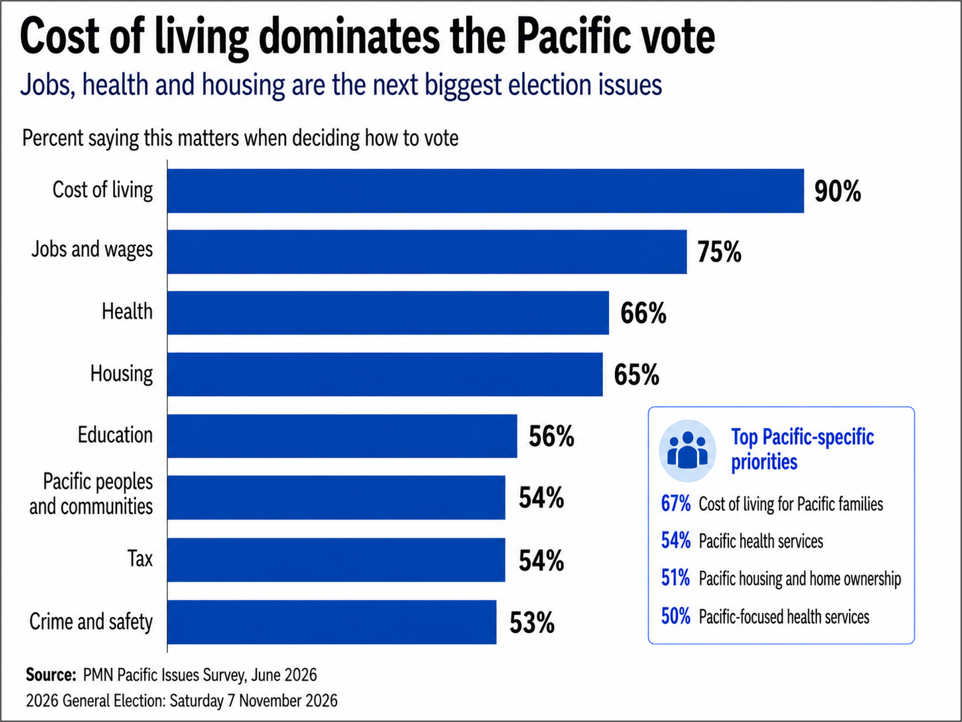
The latest PMN-Horizon Research Pacific Issues Election Survey shows cost of living remains the biggest concern for Pacific voters, followed by housing, health, crime and employment.
But economist Filipo Katavake-McGrath says the findings point to something bigger than a list of promises.
Speaking with William Terite on Pacific Mornings, Katavake-McGrath says Pacific voters are increasingly questioning whether political promises are realistic and deliverable.
"This also might just be the moment where we finally get the complexity of our thinking and also we are speaking for ourselves this time."
He says the survey suggests Pacific communities are no longer satisfied with headline announcements and want parties to explain exactly how they will improve people’s lives.
Watch Filipo Katavake-McGrath's full interview below.
"There is a community of people who said weekly income must become more sufficient."
Katavake-McGrath says many of the policies announced during the campaign still leave important questions unanswered.
"My question is, where are you going to get the GPs from?" he says of Labour's proposal to fund three free GP visits each year.
He also questioned how other parties planned to pay for and deliver their promises. "All of these bright, shiny things that the parties are talking about today don't make any sense."
The survey found cost of living remains the biggest election issue for Pacific voters, with 90 per cent identifying it as a priority. Housing followed at 67 per cent, health at 66 per cent, crime at 58 per cent and employment at 56 per cent.
Sir Collin Tukuitonga, Associate Dean Pacific at the University of Auckland, says the strong focus on health reflects the reality many Pacific families experience.
"I'd be surprised if it wasn't an issue," Tukuitonga told Terite. “People are having bad experiences with the health sector, shortage of nurses, shortage of doctors.
“There are always unfortunate events in the news, people waiting in the emergency department, those kinds of things.”
Listen to Sir Collin Tukuitonga's full interview below.
While acknowledging concerns about whether enough GPs are available, Tukuitonga says long-term investment in primary care and prevention would help ease pressure across the health system.
"If you spend the money at the early end - prevention, getting people to look after themselves, early primary care, minimise the financial barriers at the front end - theoretically, you should reduce the pressure on emergency departments and hospital treatments."
Katavake-McGrath believes the survey is important beyond this year’s election because it provides, for the first time, a clear benchmark of Pacific political opinion.
"The Pacific vote has been consolidated into a set of viewpoints that can now be scored, tracked, and responded to, which is the first time this has happened,” he told Terite.
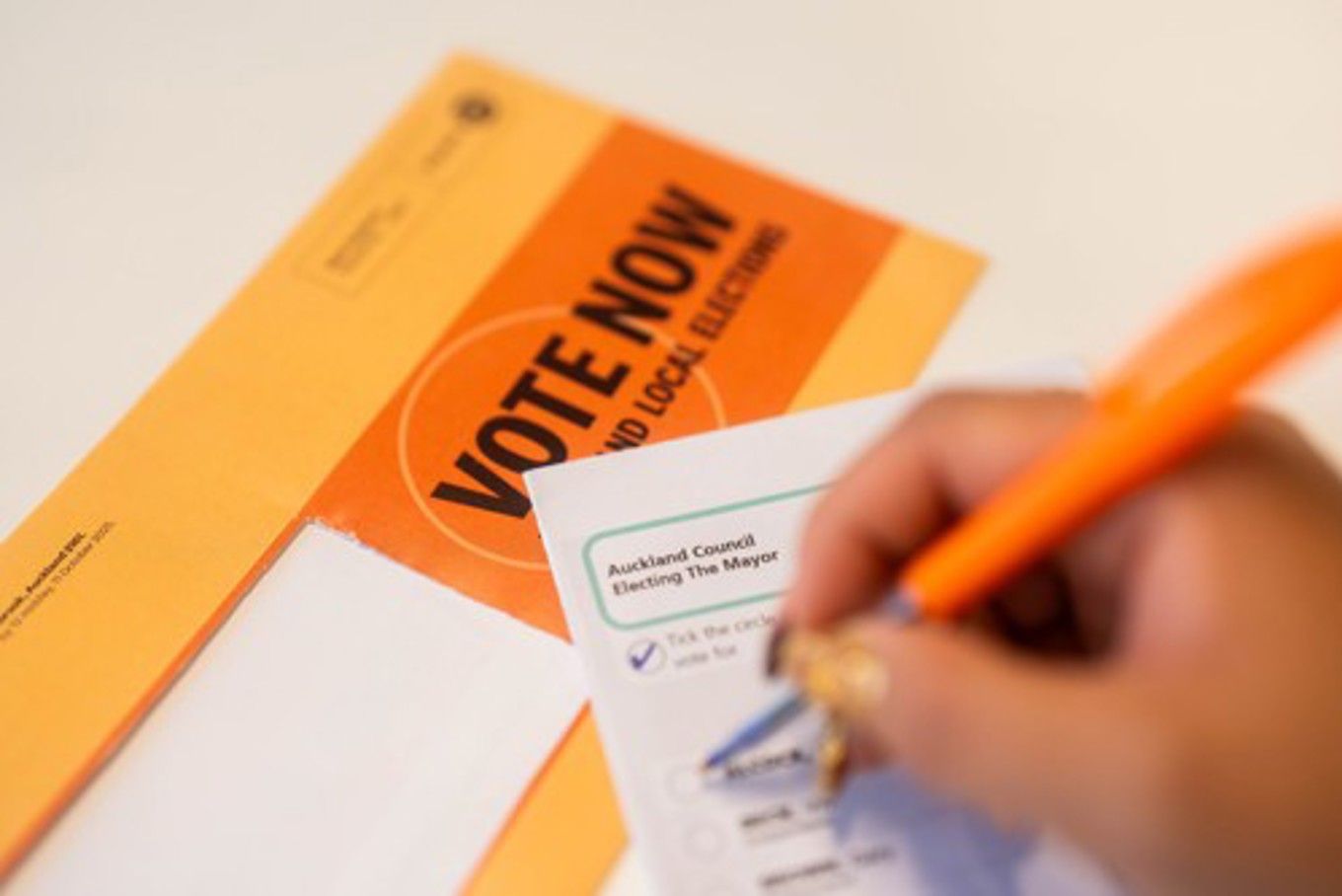
Voters will decide the nation's future leadership at the polls in November. Photo/File
He says that gives political parties a clearer picture of what Pacific communities expect and creates a way to measure whether those expectations are being met over time.
With New Zealanders heading to the polls on 7 November, both experts say Pacific voters have made their priorities clear. The challenge now is for political parties to show not just what they promise but how they will deliver.
Senior National Party leaders, including Prime Minister Christopher Luxon, have been invited to appear on Pacific Mornings to respond to the survey and discuss the issues raised by Pacific voters.
The invitations have not been accepted. PMN News continues to offer all major parties the opportunity to respond to the survey findings.