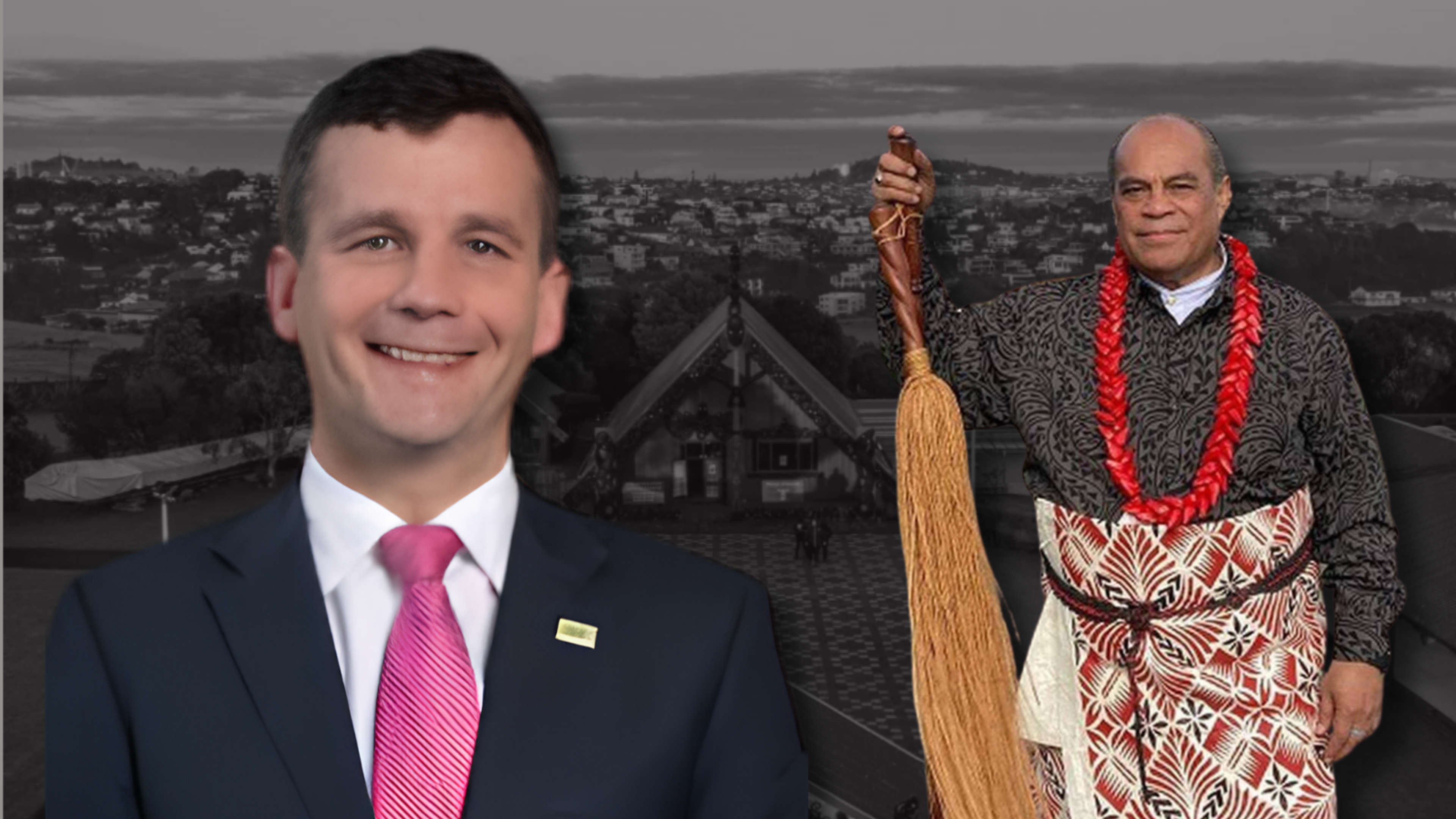
Seymour targets office karakia as Aupito warns of a ‘culture war’
Thomas Tarurongo WynneFri, 23 Oct
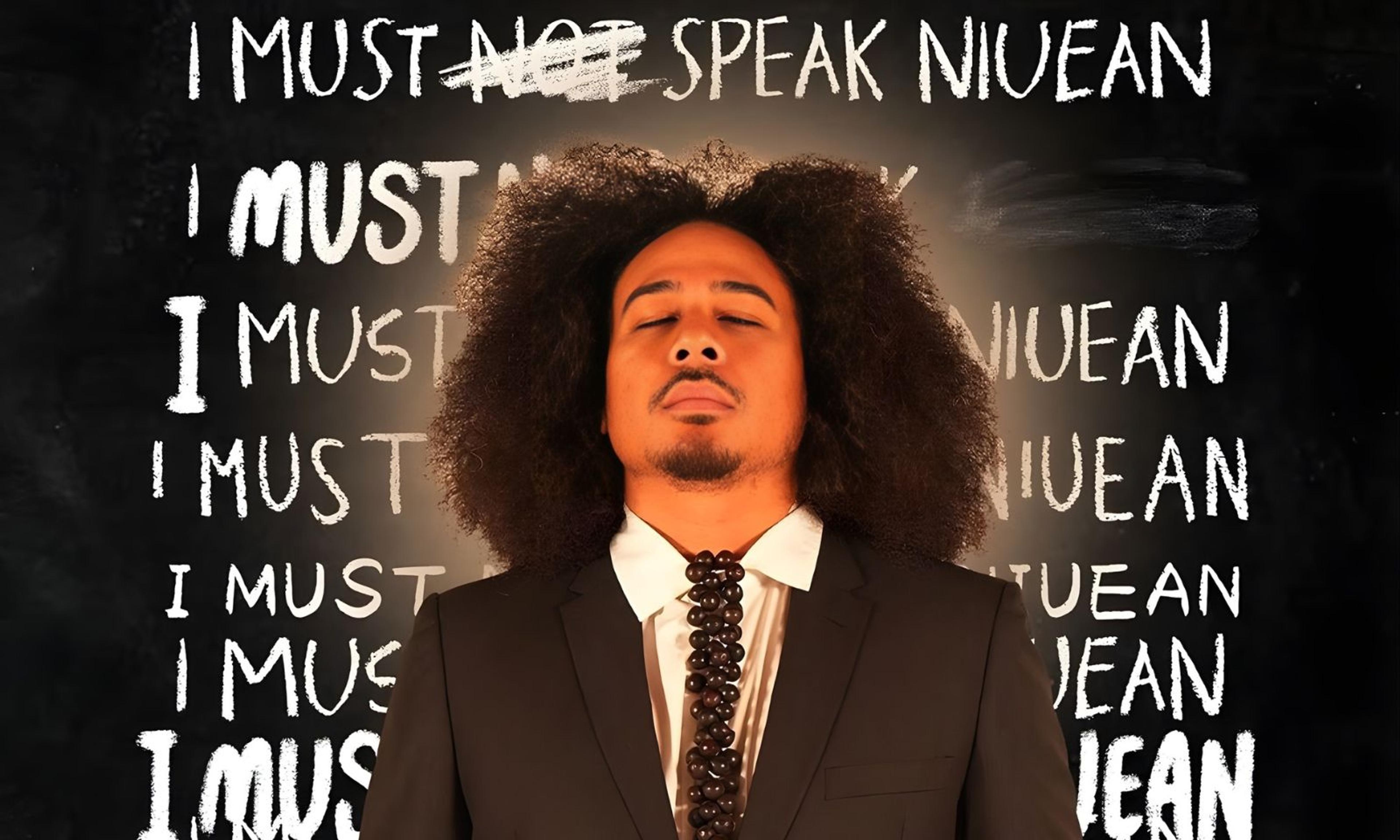
I MUST NOT SPEAK NIUEAN - is a compelling call to action, Starring Haanz Fa'avae Jackson. PhotoSupplied
A new theatre work confronts the silence around Niuean language loss and a new generation ready to break it.

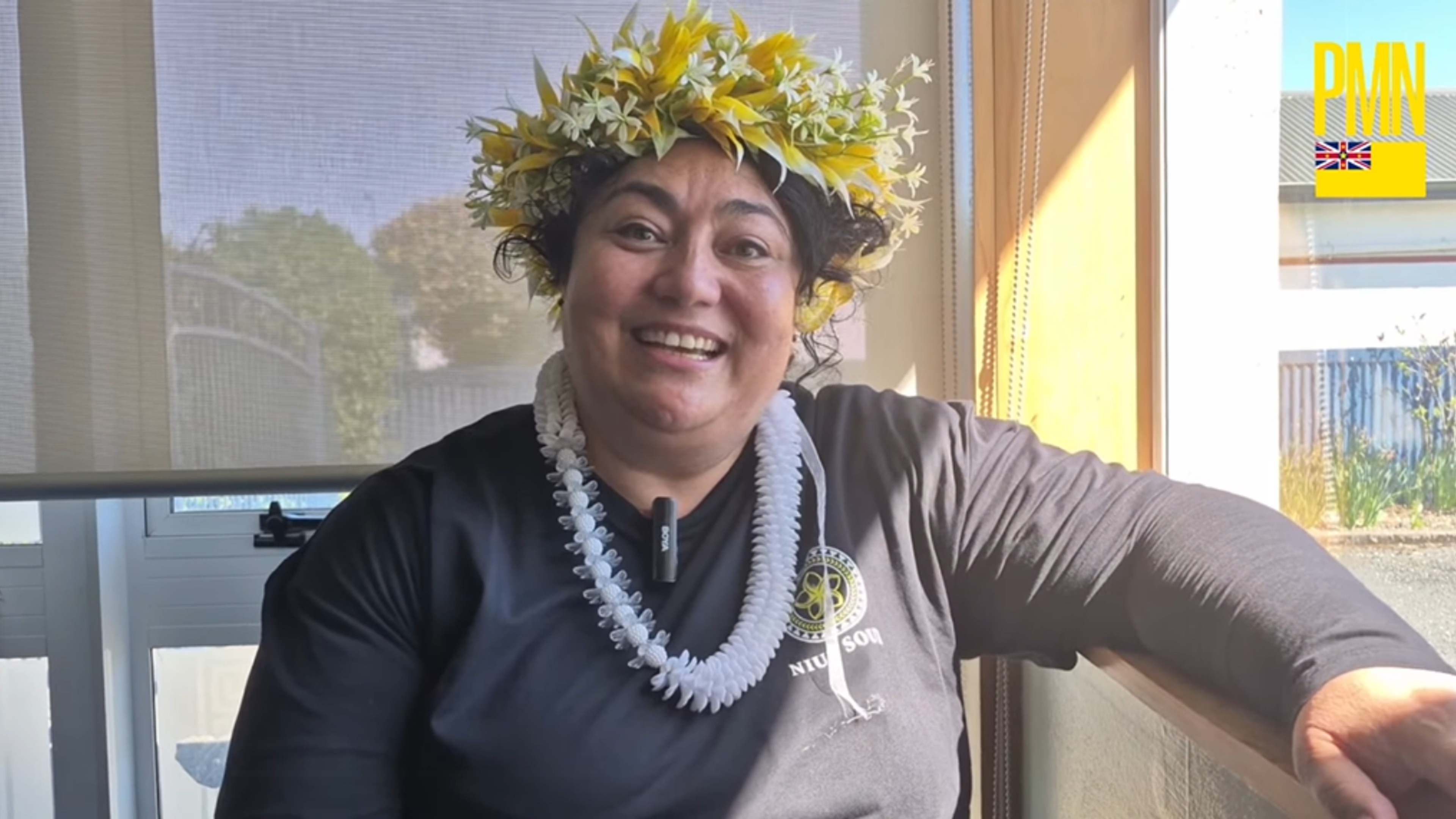
To read this article in Vagahau Niue, click here.
For many young Niueans in Aotearoa, the question “What does it mean to be Niuean?” carries both pride and heartbreak.
It is a feeling shaped by a history their parents rarely talk about - a history where thousands of Niuean children were punished for speaking their own language.
Now, two Niuean creatives are bringing that truth to the stage.
Playwright Leki Jackson-Bourke and award-winning actor Haanz Fa'avae Jackson are leading a new creative project that confronts the painful legacy of colonial schooling.
In an interview with PMN Niue, the pair say it’s time to break the silence that has influenced Niuean families for decades.
‘’Vagahau Niue is so important to us because we didn't grow up in Niue,’’ Jackson-Bourke says. “Those of us who were born in New Zealand are longing for a connection back to Niue, and the main connection that we have is the language.’’
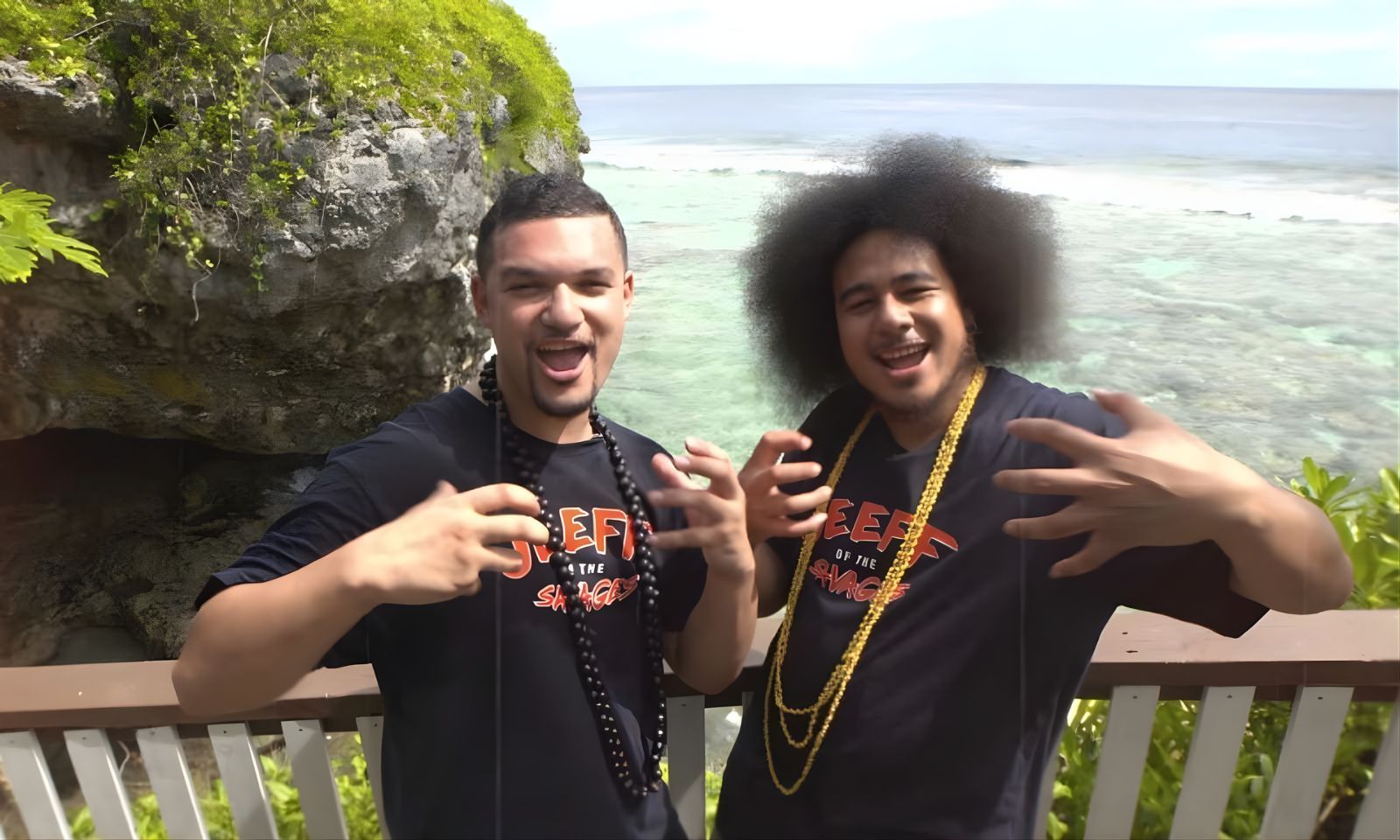
Playwright Leki Jackson-Bourke (Left) and award-winning actor Haanz Fa'avae Jackson (Right). PhotoSupplied
Their upcoming play, I must not speak Niuean, is the result of an eight-year journey.
Jackson-Bourke says he held off releasing it because the subject was so sensitive for older Niueans, many of whom still find it too painful to talk about.
‘’I kept it for about three years, and then Covid hit, and now it's time to bring it out,’’ Jackson-Bourke says.
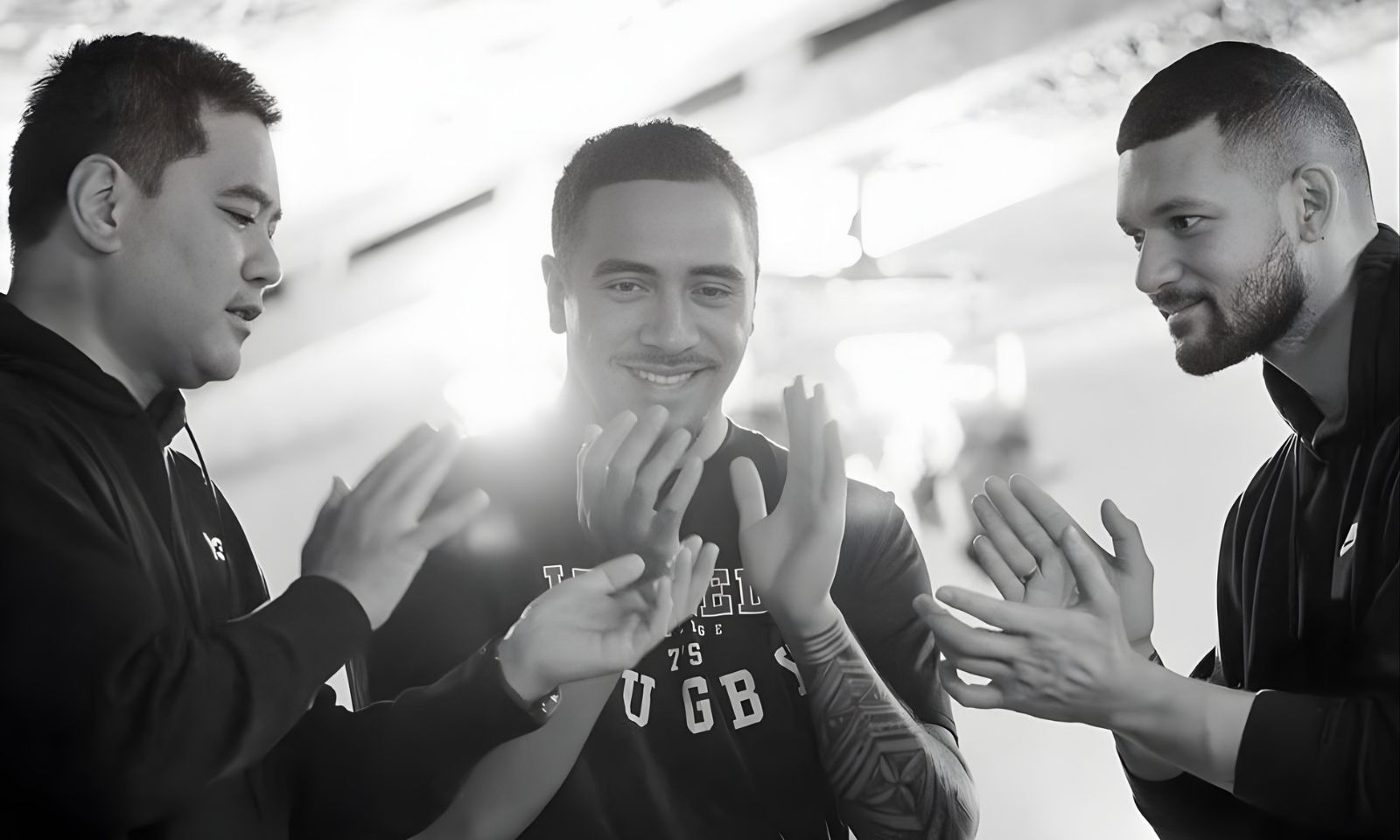
Company B - Rage Rage showcase preparations with collaborators Leki Jackson-Burke (far left), Saale Ilaua (middle) and Company B actor (Right). PhotoSupplied.
From the 1970s through to the 1980s, Niue’s education system, like many across the Pacific, followed a colonial model where English was seen as the key opportunity.
Speaking Niuean at school could result in punishment.
Tifaole Ioane, chairperson of the Niuean Language Commission, previously told RNZ shared how she was forced to write “I must not speak Niuean” over and over as a child.
"In my own time, you know, having gone to school here, I can remember having to be punished for speaking Niuean and having to write lines "I must not speak Niuean. I must not speak Niuean..."
That silence didn’t end in the classroom. It followed families to New Zealand. It shaped how children were raised, how identity was spoken about and how it wasn’t.
Jackson-Bourke says the silence explains why so many young Niueans today cannot speak their language.
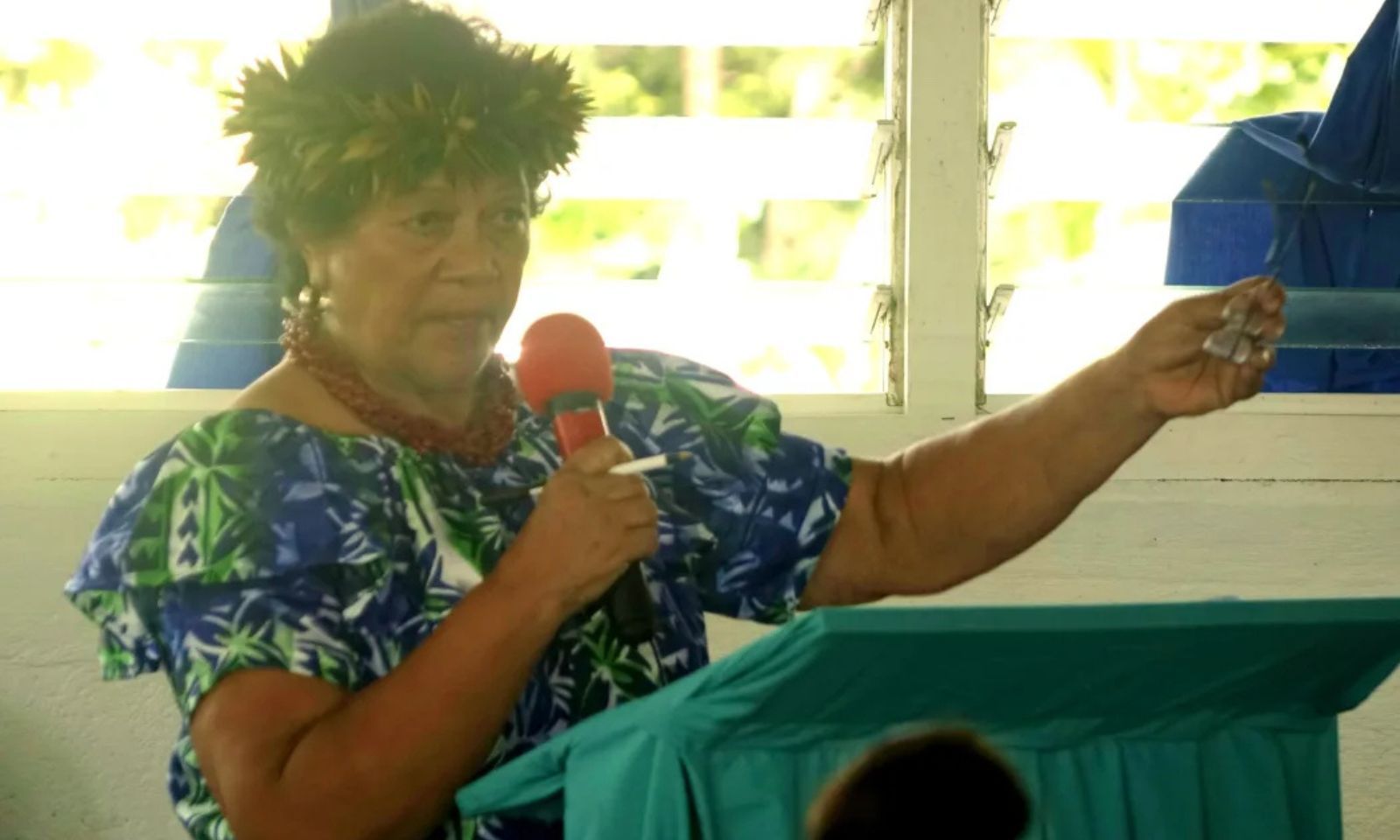
Tifaole Ioane is the chairperson of the Niuean Language commission. Photo RNZIIndira Stewart
‘’It might be triggering and confronting for some people, but if we don't talk about it, it just gets swept under the rug like everything else. “We’re not trying to say one way is right or one way is wrong. We’re just trying to shine light on what happened and where we can problem-solve for the future.”
Fa’avae-Jackson, recently named Creative New Zealand’s Emerging Pasifika Artist of the Year, sees the same struggle in the students at Manurewa High School.
“We see our neighbouring cousins thriving and speaking strongly in their languages,” he says.
“But it’s always that pocket of Niueans who don’t know where they come from.”
He says the show is not about blaming previous generations but about reconnecting them.
For Fa’ave-Jackson, performing as a Niuean on stage brings both responsibility and pride. ”It's always a special moment to be kissed by a Niuean person, on a performance stage.’’
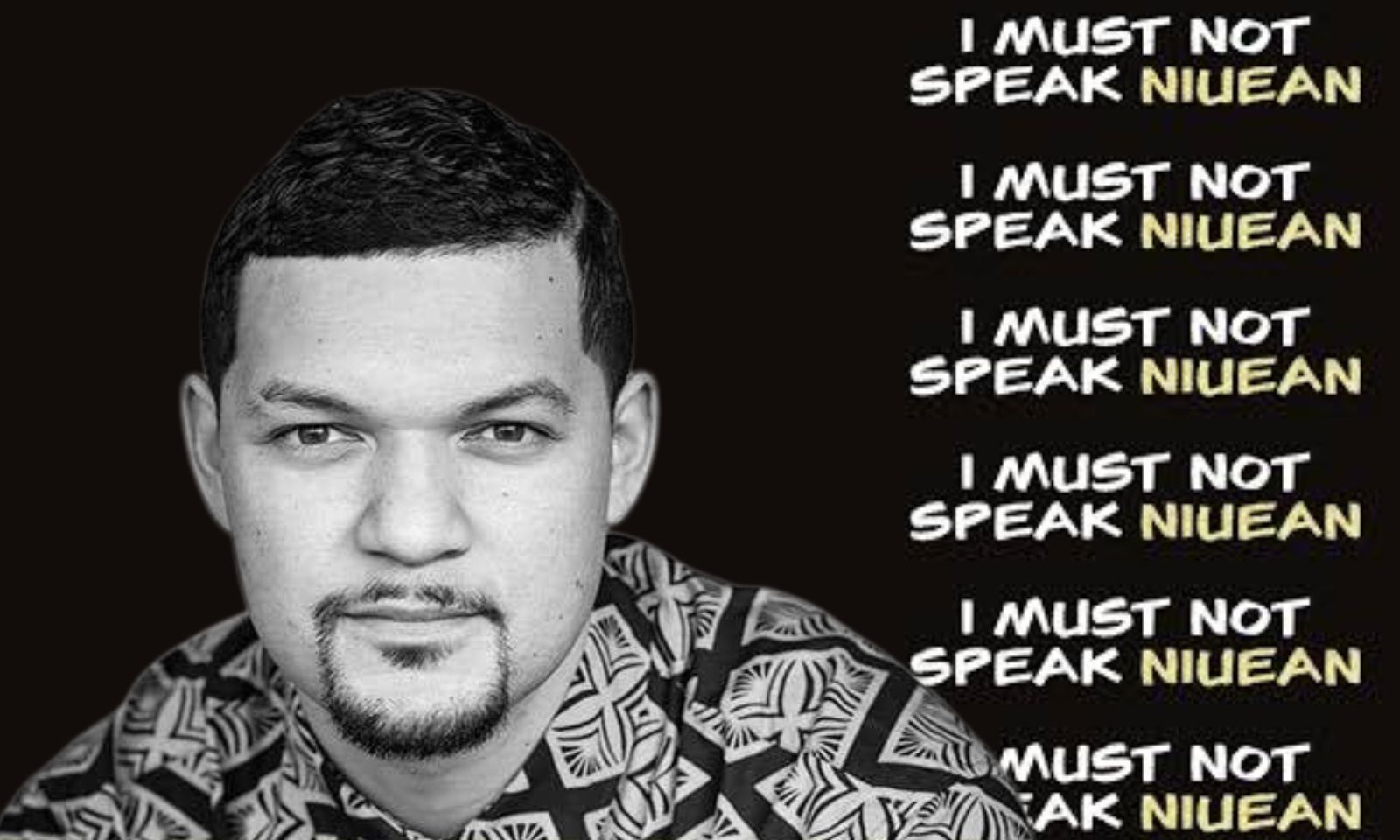
I MUST NOT SPEAK NIUEAN - is a compelling call to action, Playwright Leki Jackson-Bourke. PhotoSupplied.
I Must Not Speak Niuean will be performed at the Māngere Arts Centre - Ngā Tohu o Uenuk on 12 and 13 December.
More than a theatre piece, it is a moment of cultural resistance, a chance for Niueans to reclaim what was almost lost, and for younger generations today: we know who we are, and we’re taking our language back.
Jackson-Bourke hopes the work helps families start conversations they’ve held inside for too long. “It’s time to open it up, heal, and move forward together.”
Watch the full interview on PMN Niue