
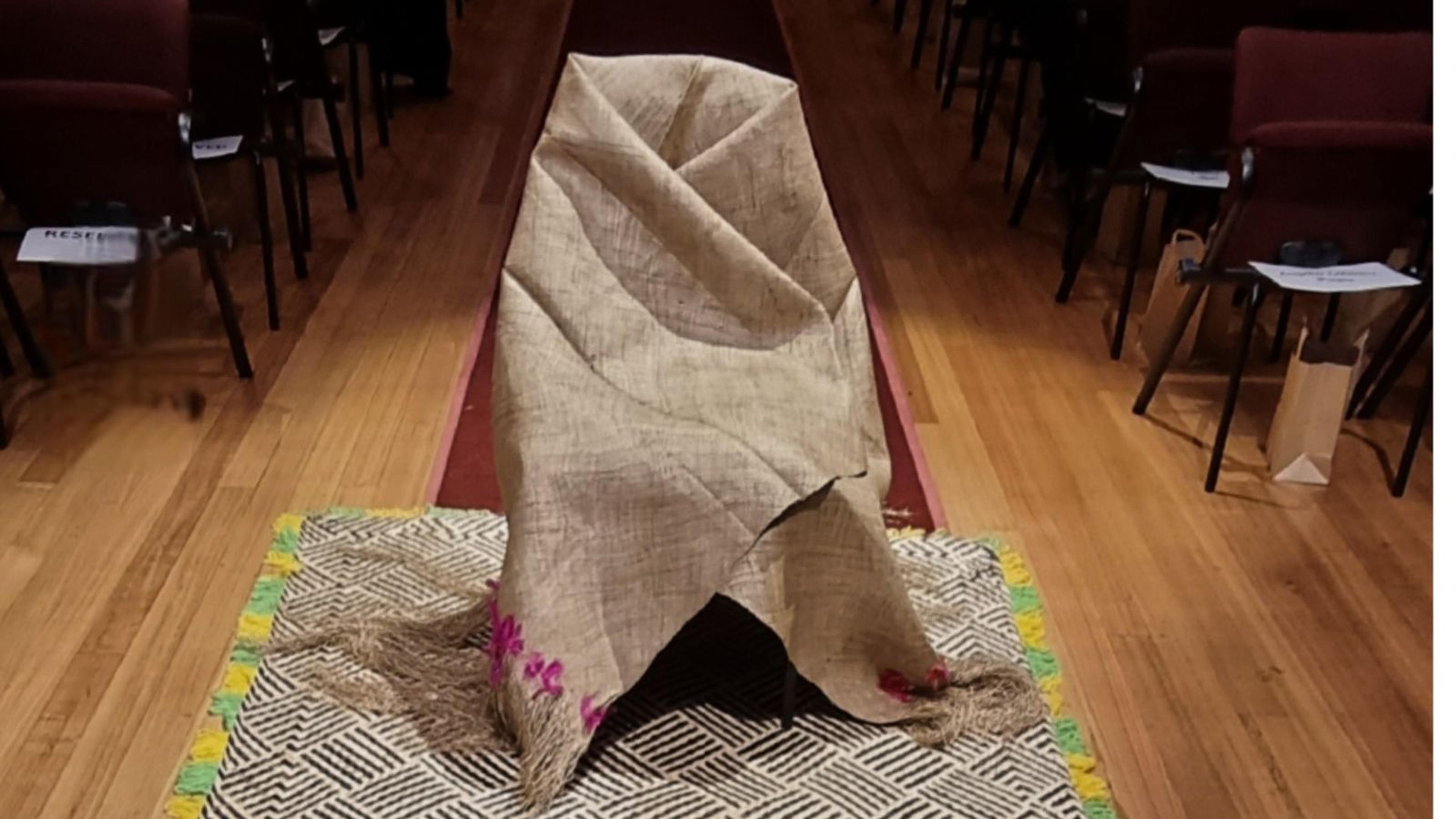
An empty seat and mat, at the Dawn raids apology 2021 awaits then Prime Minister Jacinda Ardern.
Photo/Thomas Tarurongo Wynne
Opinion
Opinion: From the Apology Mat to the Welcome Mat, it's repairing the Vā
Can the same Pacific hands and feet that have cleaned, dusted and polished the visa-free welcome lines at our airports for decades hope to join that welcome line in the next election?

Thomas Tarurongo Wynne
Published
18 September 2026, 1:53pm
Share
Copy Link
Top stories
'Don't count yourself out': Porirua by-election candidate’s push for voter participation
Taelegalolo'u Mary AfemataFri, 09 Oct
Top stories
'Don't count yourself out': Porirua by-election candidate’s push for voter participation
Taelegalolo'u Mary AfemataFri, 09 Oct
In 2021, Princess Mele Siu'ilikutapu Kalaniuvalu Fotofili stood at the Dawn Raids apology and said: "I am very grateful for your Government for making the right decision to apologise to right the extreme, inhumane, racist and unjust treatment specifically against my community in the dawn raids era." Accepting that some of her people, were also on the wrong side of the law at that time.
Then turning to Prime Minister Jacinda Ardern, she said, "However, the vā could be better, and complete, should the Government promptly respond to the immigration-related needs of our community."
With those words she pointed to something deeper than legislation, or government policy. She spoke of the vā, the sacred space between people that connects them, and that needed to be better, and complete again.
Sāmoan writer and scholar Albert Wendt described vā as "the space between, not empty space, not space that separates, but space that relates, that holds separate entities and things together in the Unity-that-is-All."
Tongan scholar Tevita Ka'ili describes it as the space between social relations, or space that relates. Neither was writing about visas. Both were describing the kind of relationship Princess Mele was pointing to.
The Dawn Raids started in 1974 under Norman Kirk's Labour government. Immigration Minister Fraser Colman announced an end to the raids that year, calling them "alien to the New Zealand way of life", but enforcement visits later resumed. Under Robert Muldoon’s National government, the raids intensified. Pacific people were disproportionately affected and the raids were met with resistance from groups including the Polynesian Panthers.
It took until 2021 for the New Zealand Government to formally apologise for the Dawn Raids. But less than two years later, Pakilau Manase Lua, a Tongan community leader, told a public meeting: "We are crying for our dawn raiders, we are still being dawn raided.".
An independent review found that New Zealand's enforcement practices had not been properly aligned with the Government's apology. Immigration Minister Andrew Little said he was : "very regretful” that action had not been taken to change the relevant guidelines”.
That history matters when the argument moves to today's visa rules.
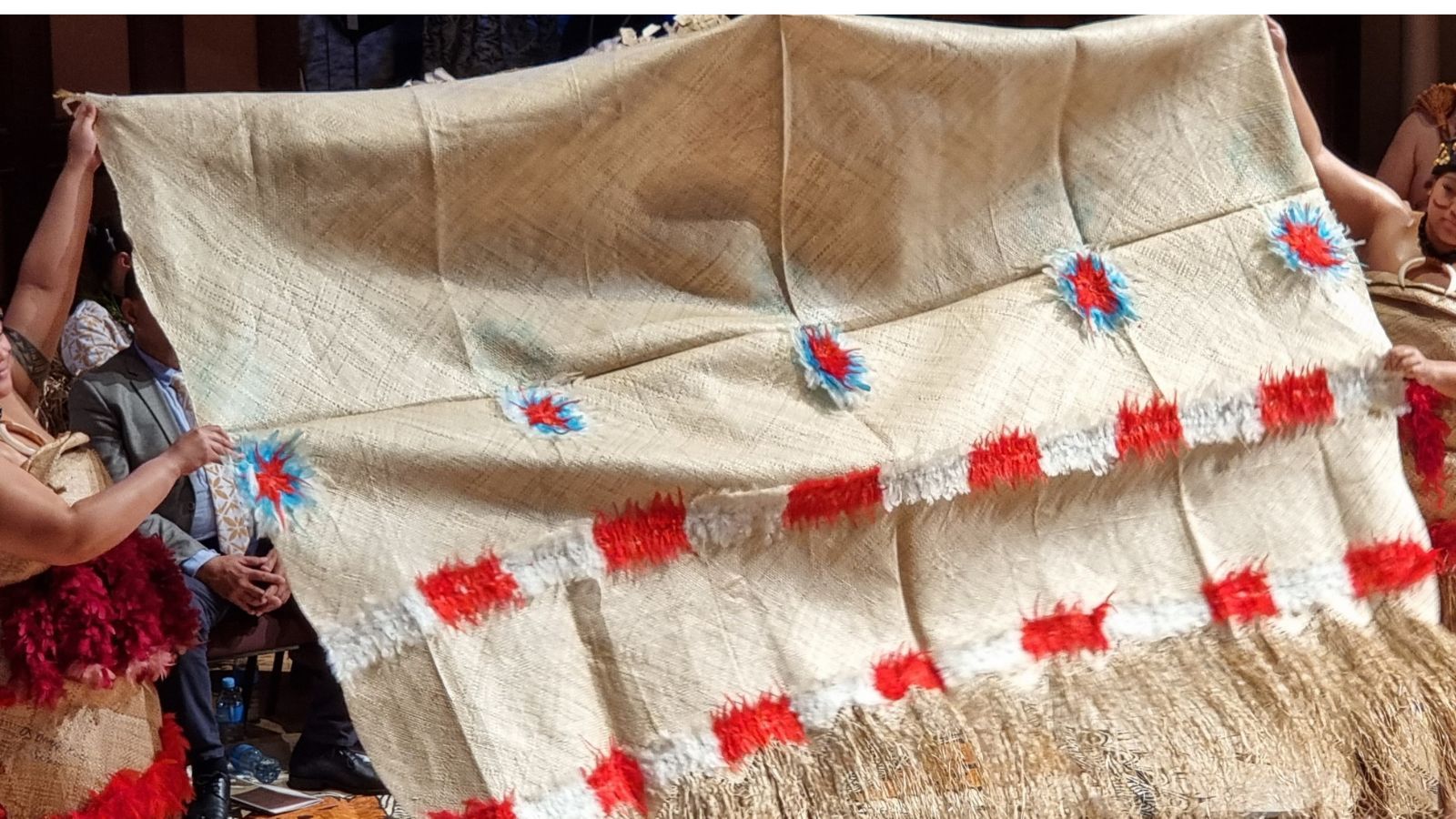
Gifts and fine mats, were given by government at the Dawn Raid apology in 2021. Photo/Thomas Tarurongo Wynne
New Zealand does not currently provide general visa-free travel to Pacific Islands Forum nationals. But since November 2025, eligible Pacific passport holders travelling from Australia have been able to use an NZeTA rather than apply for a visa for short visits, subject to conditions. The Government has also reduced Pacific visitor visa fees for a 12-month period.
Now the issue has moved back into the election debate.
Labour deputy leader and Pacific spokesperson Carmel Sepuloni has announced that, if elected, Labour would expand visa-waiver travel to Pacific Islands Forum countries, allowing eligible visitors to use the NZeTA system for short-term travel.
The Government and other parties have raised immigration compliance and border-management concerns. Prime Minister Christopher Luxon has pointed to the need for “good risk management around your immigration system” while ACT MP Parmjeet Parmar has said the party wants an "evidence-based approach" before deciding whether to back visa-free travel.
The latest overstayer figures add another layer to that debate.
Immigration New Zealand estimates 19,153 people were overstaying their visas as of 1 July 2026, with Pacific nationals making up about 26 per cent of the total. Tonga had an estimated 2,541 overstayers and Samoa 1,462.
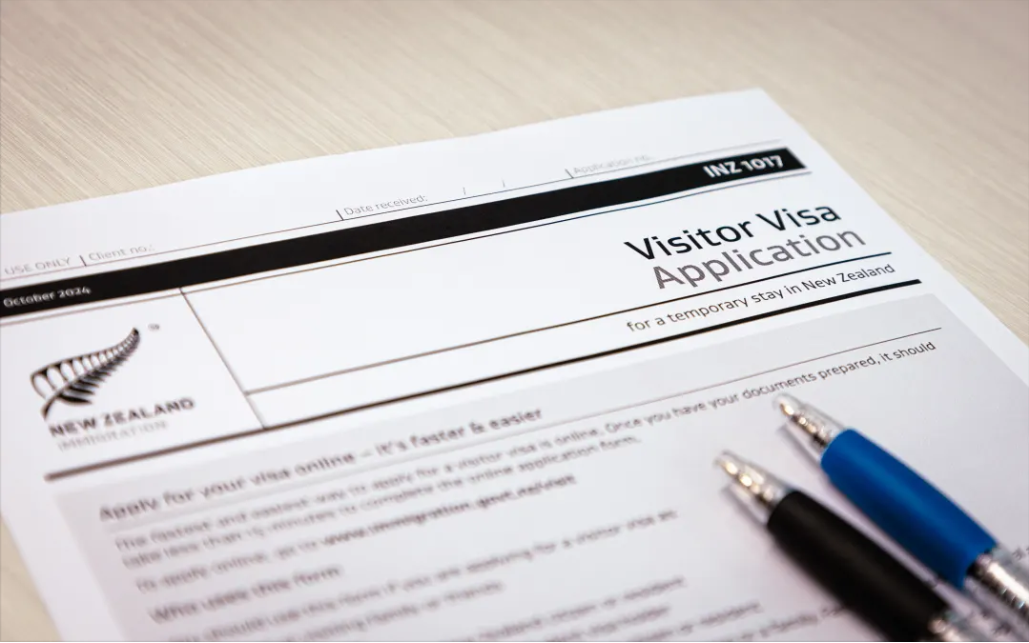
The argument over immigration risk is real. So too is the argument over relationships. Photo/RNZ/Yiting Lin
But raw numbers need context. Among temporary visa arrivals between July 2023 and June 2026, the overstay rate was 2.14 per cent for Tongan nationals and 1.25 per cent for Samoan nationals, compared with 0.13 per cent across all nationalities. The United States had a lower rate of 0.10 per cent.
So the argument over immigration risk is real. So too is the argument over relationships.
Can the same Pacific hands and feet that have helped build, clean, dust, service and welcome people through Aotearoa’s airports hope to see a welcome line extended in the other direction?
One where, as Princess Mele proposed five years ago, the vā, can be made better and more complete: not by ignoring immigration rules or the need for border management, but by asking whether those rules can better reflect the depth of the relationship between Pacific people and New Zealand.
That is the space between the apology mat and the welcome mat. And it is a space the next government will have to decide how to tend.