

NZ First leader Winston Peters says buying back the Bank of New Zealand will bring costs down.
Photo/Composite/File/RNZ Nate McKinnon
Politics
Could NZ-owned banking help Pacific families build future, generational wealth?
Winston Peters says bringing BNZ back under New Zealand ownership and expanding KiwiSaver could help families build long-term wealth.

Khalia Strong
Published
19 May 2026, 12:58pm
Share
Copy Link

Winston Peters says bringing the Bank of New Zealand (BNZ) back under New Zealand ownership could keep more money in the local economy and improve long-term financial outcomes for families including Pacific communities.
The New Zealand First leader says merging BNZ with Kiwibank would challenge the dominance of Australian-owned banks and reduce profits flowing offshore.
“First of all, they will not be being ripped off by Aussie banks all the time,” Peters told William Terite on Pacific Mornings.
“We know the Aussie banks are making more in New Zealand with a smaller market than they're making with them in a market five times bigger than Australia.”
The proposal is part of NZ First’s wider economic package ahead of the 2026 election. It also includes automatic KiwiSaver enrolment from birth with a $1000 government contribution for every child.
Peters says both ideas are aimed at building wealth for families over time.
Watch Winston Peters' full interview below.
“Let's break through the generation gaps here, start everybody on day one with a thousand dollars when they're born as a New Zealand citizen on KiwiSaver,” he said. “It'll compound, it'll set them on a different career path going forward. Break the cycle.”
Peters says stronger state involvement in banking and savings could help address long-term financial inequality.
For Pacific communities, where home ownership and average wealth levels remain well below the national averages, the debate carries particular weight.
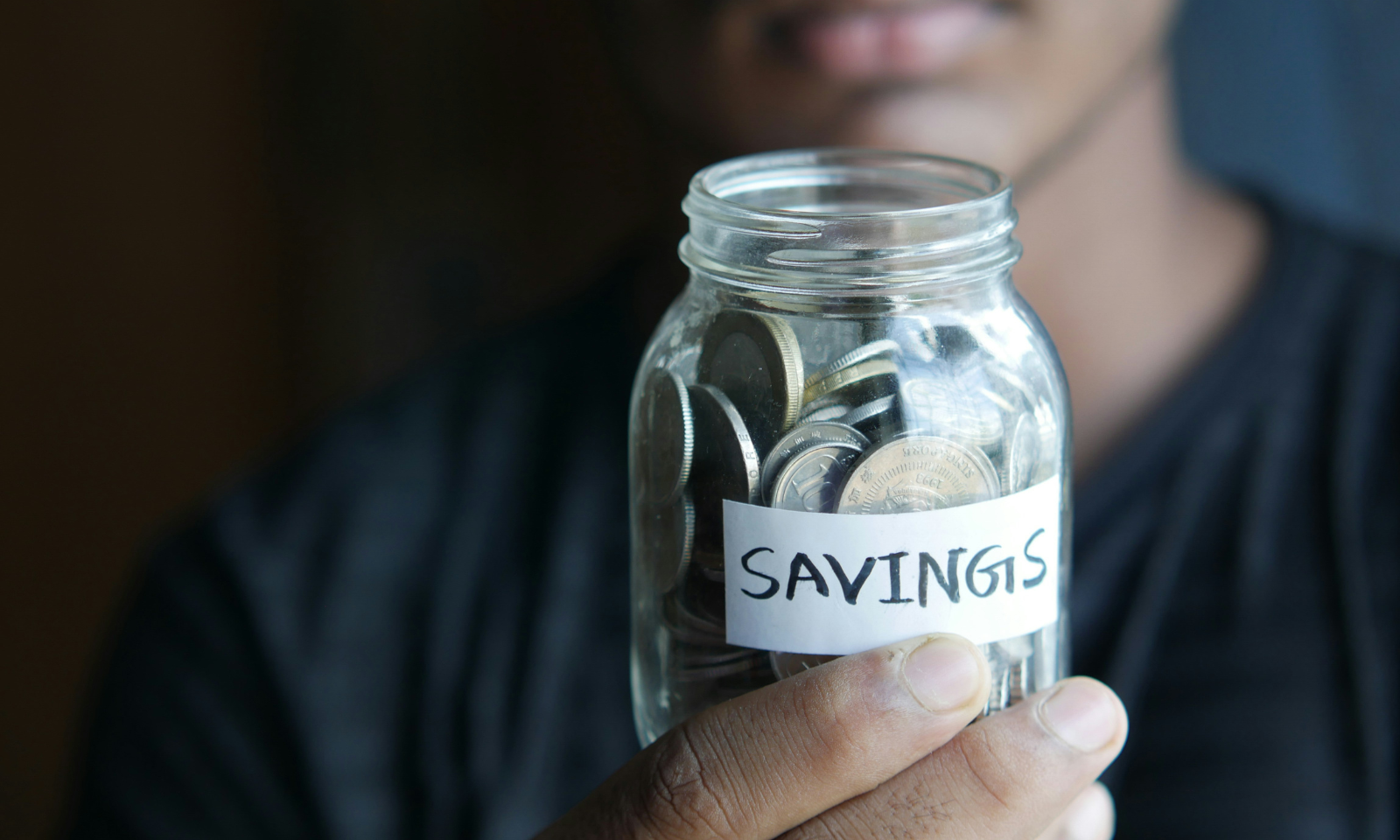
A children's KiwiSaver may help Pacific families build wealth. Photo/File
Max Rashbrooke, Research Director at the Institute for Democratic and Economic Analysis (IDEA), supports the idea of boosting children’s KiwiSaver accounts, especially for low-income families.
Speaking to PMN News in an earlier interview, Rashbrooke said small government contributions could build meaningful long-term savings.
“It could be that the government puts in $200 or $500 a year into those children's accounts… and match what families are able to contribute. If parents were putting in as little as $2 to $5 a week, you could still have children hitting 18 with $10,000 to $20,000 in their accounts.”
“For Pacific and low-income families, this could have a really significant impact because median wealth for Pacific peoples is only $26,000.”
Retirement Commission data shows Pacific workers contribute less to KiwiSaver on average, putting in under $2000 a year, with lower median earnings of $43,000 and a 3.5 per cent contribution rate.
Census figures from 2023 show home ownership among Pacific people sits at 16.8 per cent, compared to 42.1 per cent nationally - a gap that continues to shape wealth and reitrement outcome.
Economist Shamubeel Eaqub says New Zealand still has work to do in building stronger long-term savings systems compared to other countries.
“Australia has had its current superannuation system since the early 1990s… in countries like the Netherlands, it’s more like 18 per cent contribution,” he told Terite.
Professor Robert MacCulloc, Business lecturer at the University of Auckland, says NZ First’s proposal to buy back BNZ “will never happen”.
“It’s an empty, clickbait proposal to trick people into believing NZ First will take on the monopolists. The government doesn't even have the money,” he says in a statement.
Peters also points to Singapore and Norway as examples of countries with greater state involvement in strategic assets and built stronger long-term wealth systems.
“Are you telling me that Lee Kuan Yew in Singapore was stupid? Are you telling me that Norway, the biggest sovereign country in the world, is stupid?”

A KiwiSaver plan for children could significantly help towards a first home deposit. Photo/File
Singapore is a major global financial hub using state-linked investment companies, while Norway channels oil and gas revenue into a sovereign wealth fund designed to preserve wealth for future generations.
Peters says these models show governments can take a more active role in shaping economic outcomes.
“We've had a gutful of the idea that this is as good as it gets. We're fed up with decades of this ideology giving us the lousy status quo we got now and we know we can do better.”
The debate over banking ownership and retirement savings is expected to continue ahead of the election, with questions over whether these changes would materially shift outcomes for Pacific families and other lower-income communities.