
Māori and Pacific youth will bear the brunt of 'more of the same', economist warns
Thomas Tarurongo WynneMon, 09 Nov
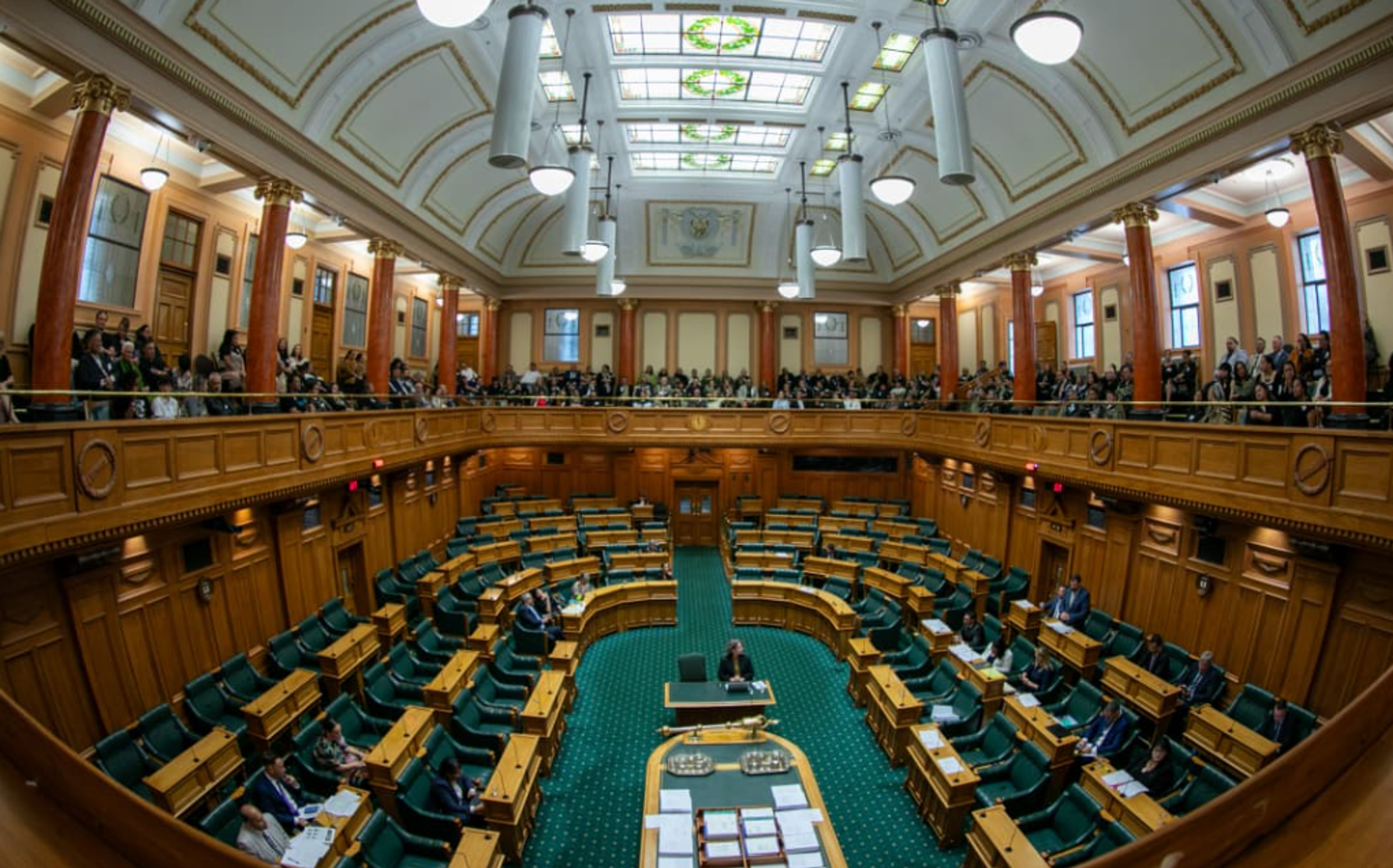
Labour wins more party votes than National, yet National is projected to have six more MPs and the reason is the overhang. So what's an overhang?
Photo/RNZ/Louis Collins
Eleven extra seats and the special votes that could change them. Parliament grows from 120 to 131, and it may not stop there.

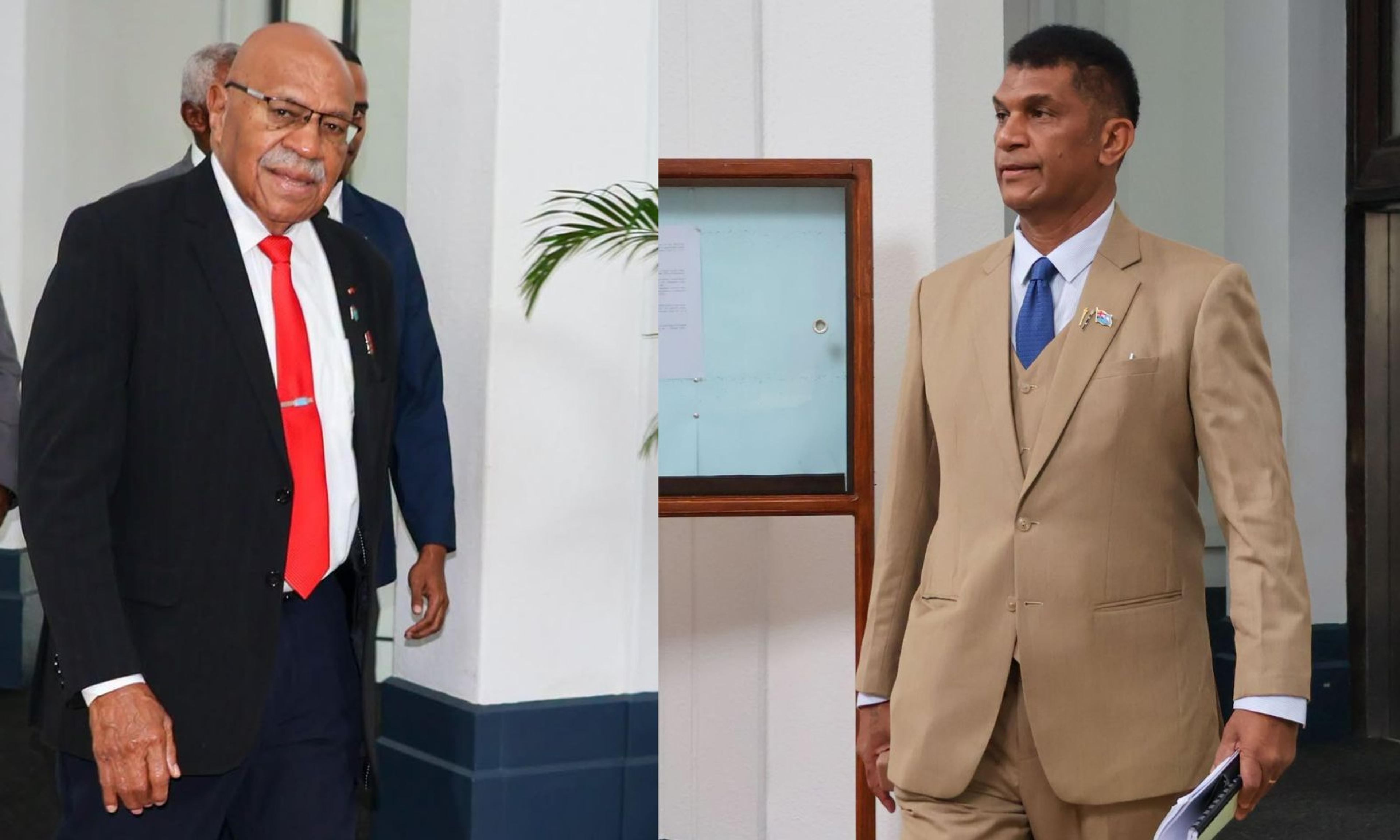
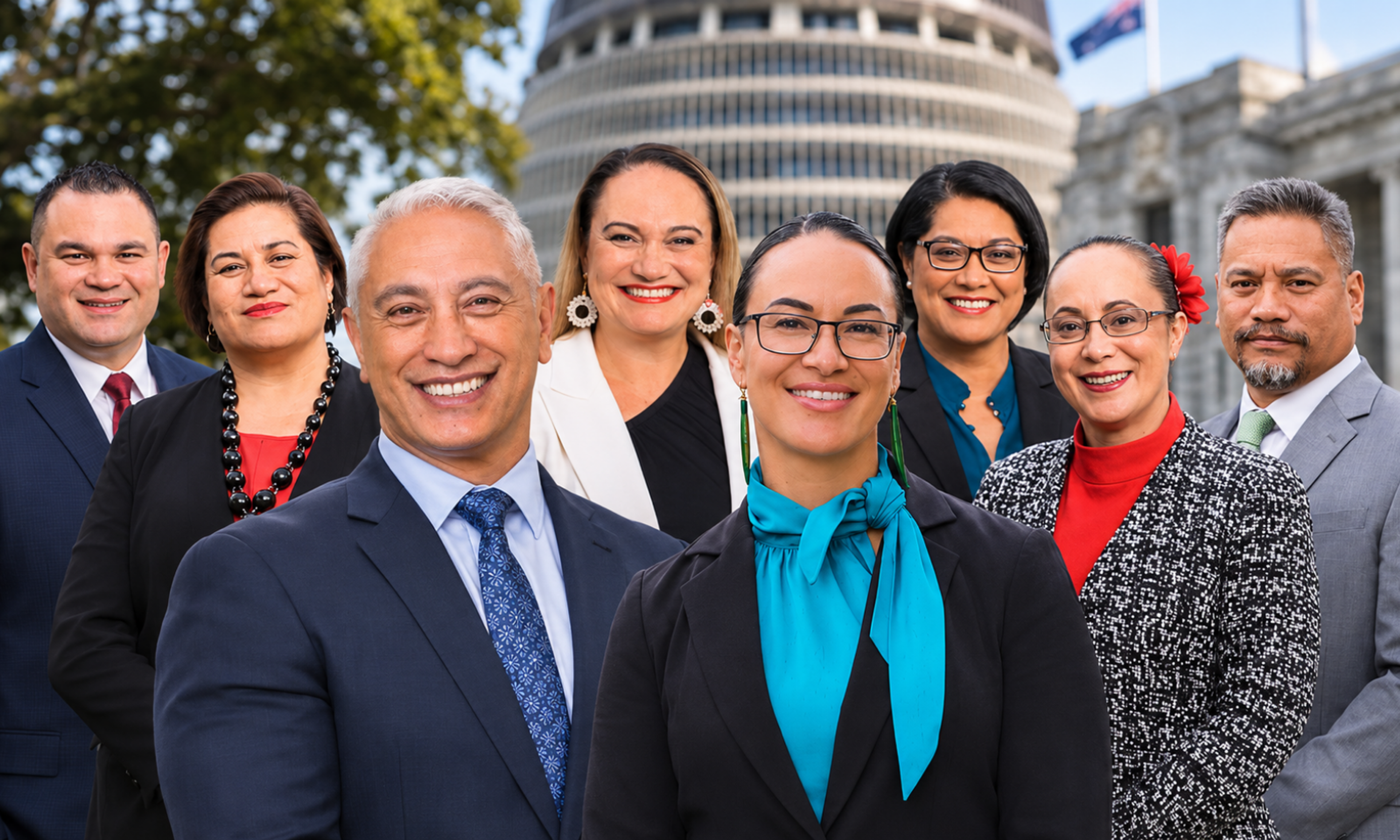

Labour wins more party votes than National, yet National is projected to have six more MPs and the reason is the overhang.
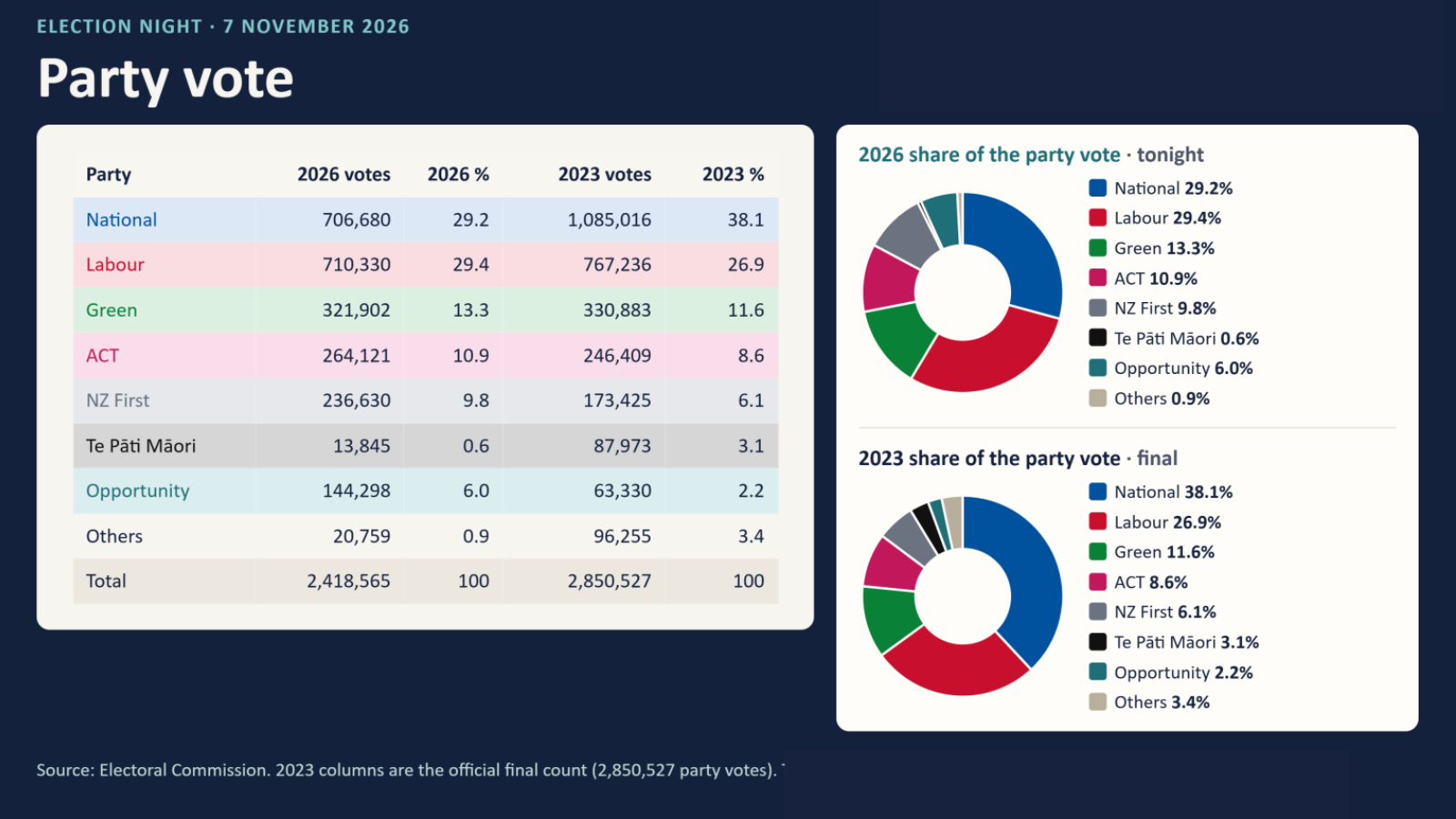
On preliminary results, Labour takes 29.4 per cent of the party vote, just ahead of National on 29.2 per cent, a gap of 3650 votes. National is projected to have 42 MPs to Labour's 36.
Overhangs on both sides of the House are set to expand Parliament from 120 to 131 MPs, and that number could still change when special votes are counted.
Under the Mixed Member Proportional (MMP) system, each voter has two votes.
The party vote decides how many of Parliament's 120 seats each party is entitled to. The electorate vote decides who represents each of the country's electorates.
The party vote sets the overall shape of Parliament.
Only parties that win at least 5 per cent of the party vote, or win at least one electorate, share in the allocation of seats or party seats. Photo/PMN News
Only parties that win at least 5 per cent of the party vote, or win at least one electorate, share in the allocation of seats.
The Electoral Commission then divides the 120 seats between those parties in proportion to their party vote, using a formula known as the Sainte-Laguë method.
Each party's electorate wins are counted first. List MPs, taken in order from the party's ranked list, fill the rest of its entitlement.
An overhang happens when a party wins more electorates, or candidate seats than its party vote entitles it to. Photo/PMN News
For example, a party entitled to 40 seats that wins 25 electorates brings in 15 list MPs.
An overhang happens when a party wins more electorates than its party vote entitles it to.
The party keeps every electorate it wins. No other party loses seats to make room. Instead, Parliament grows by the number of extra seats.
Because every electorate seat is already a seat in Parliament, a party in overhang also brings in no list MPs.
This election produces overhangs on both sides of the House.
National wins 42 electorates, but its party vote entitles it to about 35 seats. That creates seven extra seats on the right.
Te Pāti Māori wins five of the seven Māori electorates on 0.57 per cent of the party vote, enough for about one seat. That creates four extra seats on the left.
Te Pāti Māori has used the overhang before. Its candidates win Māori electorates while many of its supporters give their party vote to other parties. At the 2023 election, the party won six electorates on a party vote that entitled it to four seats, creating two overhang seats.
This year the strategy produces four extra seats, but National's seven extra seats on the right are larger.
Together the two overhangs add 11 seats, expanding Parliament from 120 to 131 MPs.
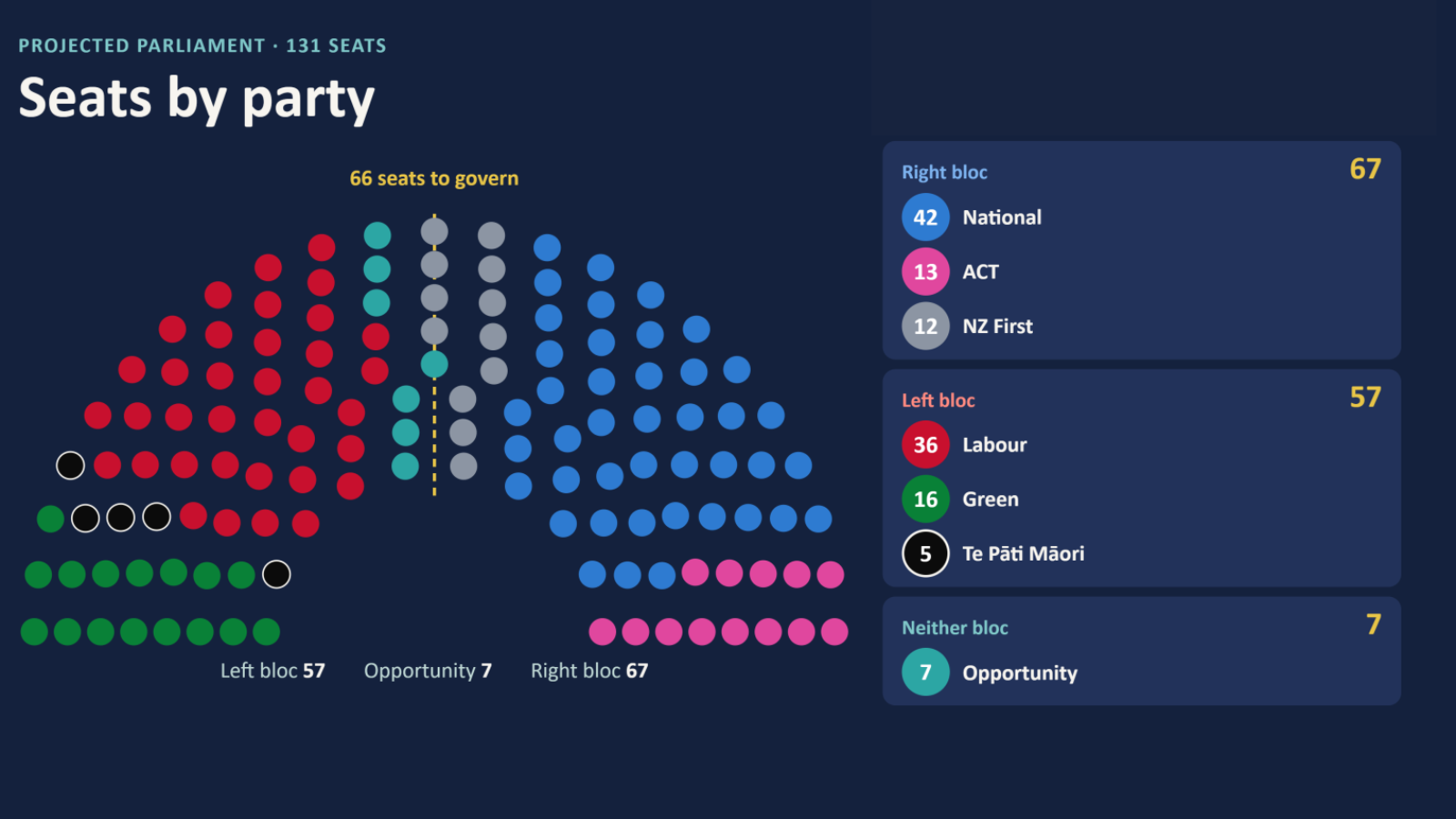
A bigger Parliament also raises the bar to govern. With 131 seats, a party or coalition needs 66 for a majority.
National, ACT and NZ First hold 67 seats between them, one more than needed. Labour, the Greens and Te Pāti Māori have 57, and The Opportunity Party enters Parliament for the first time with seven.
Without the overhang seats, preliminary numbers would leave the two blocs on 60 seats each.
About 399,365 special votes, including those from overseas, are still to be checked and counted.
Special votes can change who wins close electorates and can shift each party's share of the party vote. Both can change the size of the overhang.
If National loses an electorate or its party vote share rises enough to earn more seats, its overhang shrinks. If it wins a further electorate without a matching rise in party vote, its overhang grows.
The same applies to Te Pāti Māori. Each Māori electorate it wins or loses on the final count adds or removes an overhang seat. That means Parliament could end up larger or smaller than 131 MPs, and the number of seats needed to govern would move with it.
The Electoral Commission is due to release official results on Friday, 27 November.