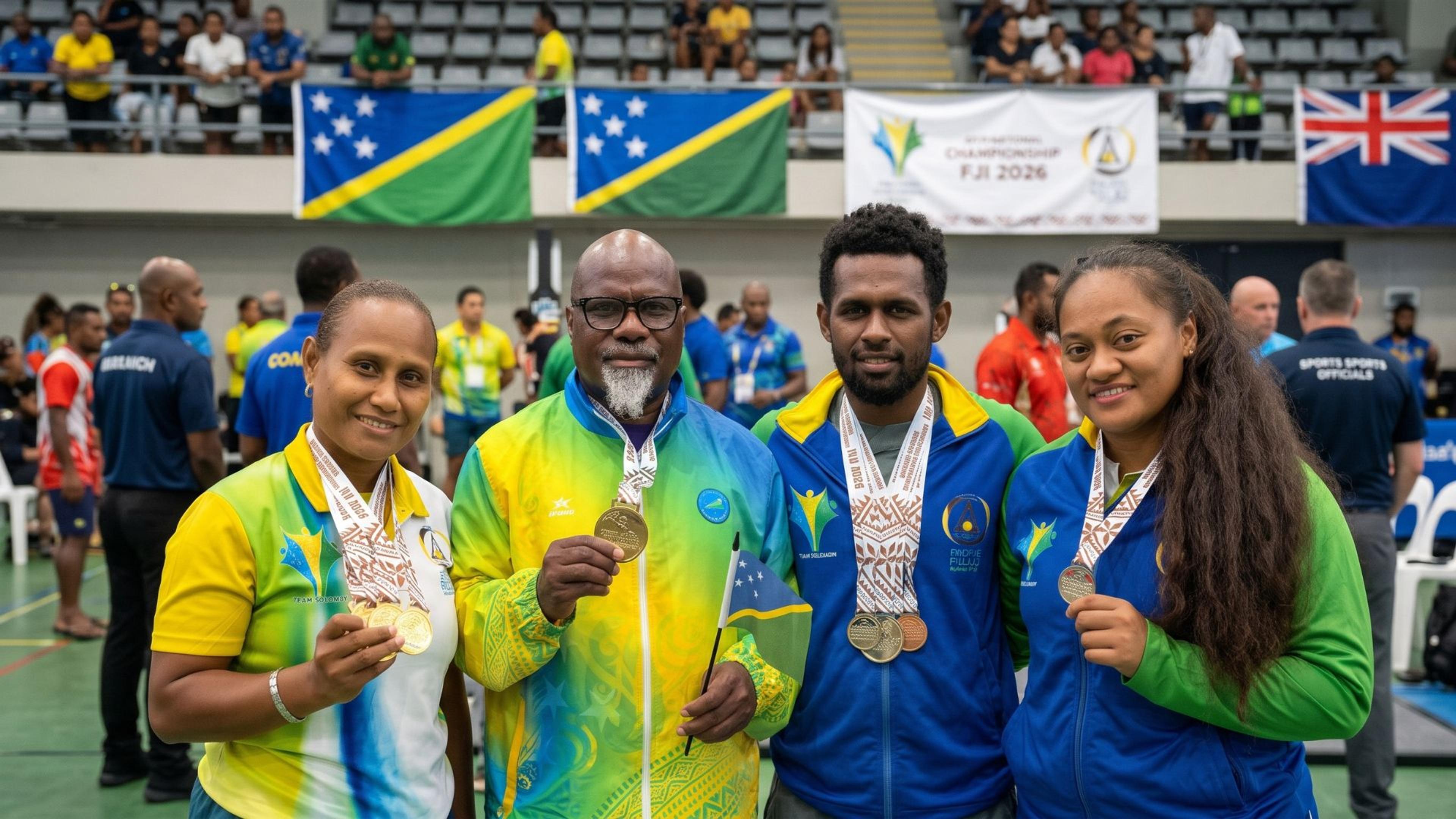
Solomons powerlifters claim gold and silver in Oceania championship
Elton Lonaratha JnrFri, 06 Nov
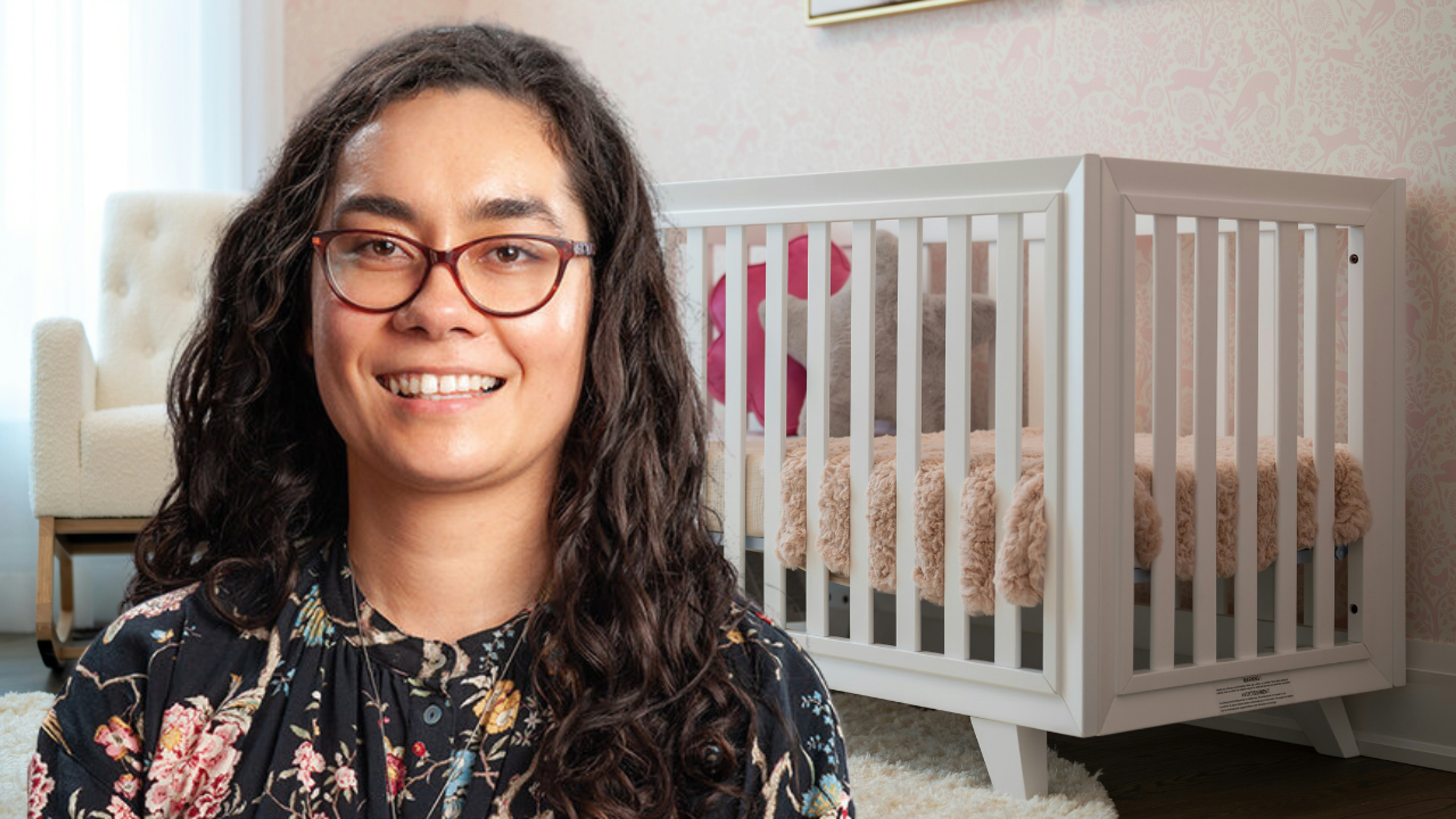
Dr Zaramasina Clark says stereotypes about big Pacific families can impact access to fertility treatment.
Photo/Supplied/Unsplash
A groundbreaking symposium is bringing Pacific communities and health experts together to address gaps in infertility research and barriers to treatment.




Pacific women have some of the highest rates of infertility, but a stereotype that Pacific people are naturally fertile can make the issue harder to talk about.
A first-of-its-kind symposium in Wellington this week aims to bring those experiences into the open, with researchers, clinicians and Pacific communities coming together to discuss infertility, fertility treatment and reproductive health.
Dr Zaramasina Clark, Senior Lecturer at Te Herenga Waka Victoria University of Wellington, says there are significant gaps in research about Pacific experiences of infertility.
“When we first started this work, we were really surprised and concerned about this idea that Pacific peoples are maybe hyperfertile or have no issues with fertility …the data actually shows that that isn't true.”
Research published in 2021 found infertility affected 22.2 per cent of Pacific women, compared with 12.6 per cent of European women. For Pacific men, the rate was 18.9 per cent, more than double the European rate of eight per cent.
Clark says misconceptions about Pacific fertility can contribute to stigma, while expectations around having children can add to the pressure.
Watch Dr Zaramasina Clark's full interview below.
“People are expecting things to happen along a certain timeline, right? And then if they don't, you get a lot of questions.”
Dame Valerie Adams is no stranger to this, and says cultural expectations were a factor in her fertility journey.
The shot put champion used in-vitro fertilisation (IVF) to conceive both of her children, and told Women’s Health Week infertility is not talked about in some families.
“In Polynesian culture, if you don't have a baby, it's like … your family's cursed, or you've done something wrong, or your parents have done something wrong.
“I had endometriosis, and my mum also suffered along in this area, it's just a fact of life.”
Research published in April by Clark and University of Otago researcher Dr Edmond Fehoko explored the experiences of 13 Pacific people who had experienced infertility or accessed assisted reproductive technology.
One participant, Leah, spoke about feeling she had let her parents down: “I feel like a disappointment to my parents because I'm the oldest trying to give grandchildren ... and then when you can't, that's really disappointing.”
Another participant, Losana, described the pain of wanting children but not being able to talk openly about it.
“No one knows the cries of our hearts, that we're dying to have kids.”

A struggle to have children can be a hidden issue for some Pacific couples. Photo/Unsplash
Clark says that pressure can leave couples and individuals feeling isolated, particularly when people around them are having children. She says another barrier is simply knowing when and where to seek help.
In Aotearoa, couples who have been trying to conceive unsuccessfully for a year can seek medical advice about infertility.
Clark says other barriers include the cost of fertility treatment, including BMI requirements for publicly funded treatment.
The symposium will also explore traditional healing approaches, including work with traditional healers in Fiji, and consider fertility as part of a person's wider health and wellbeing.
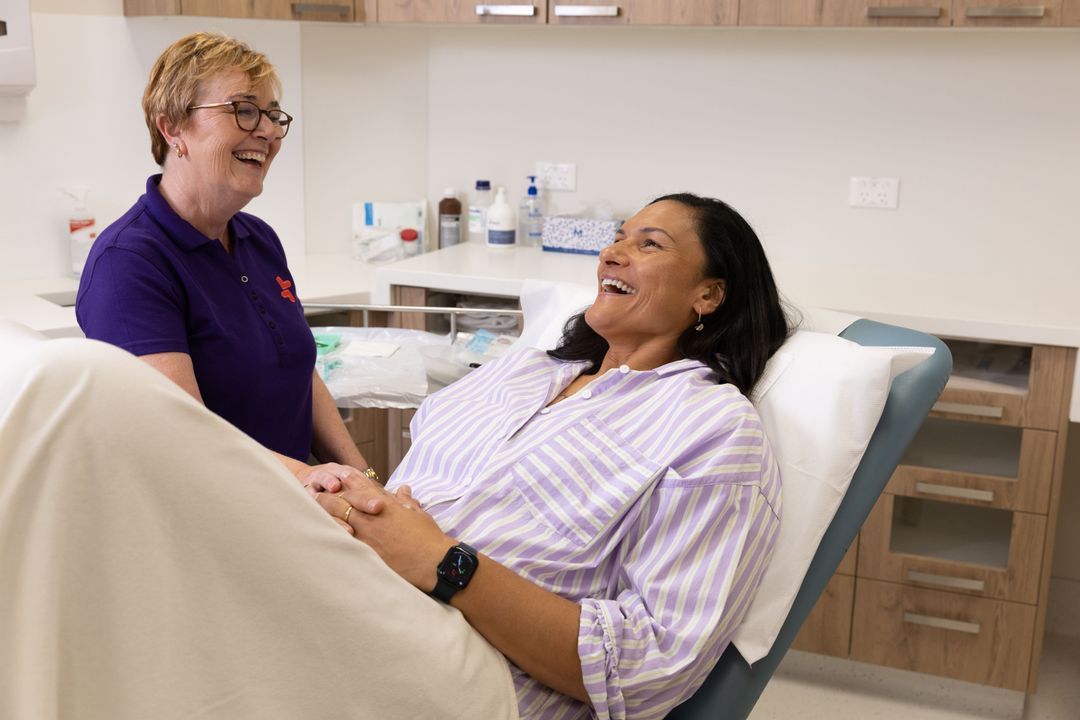
Dame Valerie Adams has openly shared her fertility journey. Photo/Women's Health Week
“What do we want and need out of the system?” Clark says. “We're hoping that we have all of the different expertise to start putting together these ideas and these plans to actually action those aspirations and make them a bit more of a reality.”
There are hopes the forum will help shift the conversation away from individual responsibility and toward a community approach, with Pacific people helping shape what equitable fertility care should look like.
Pacific Infertility and Fertility Treatment Research Symposium is on 12-13 November at Te Papa in Wellington. Register here.