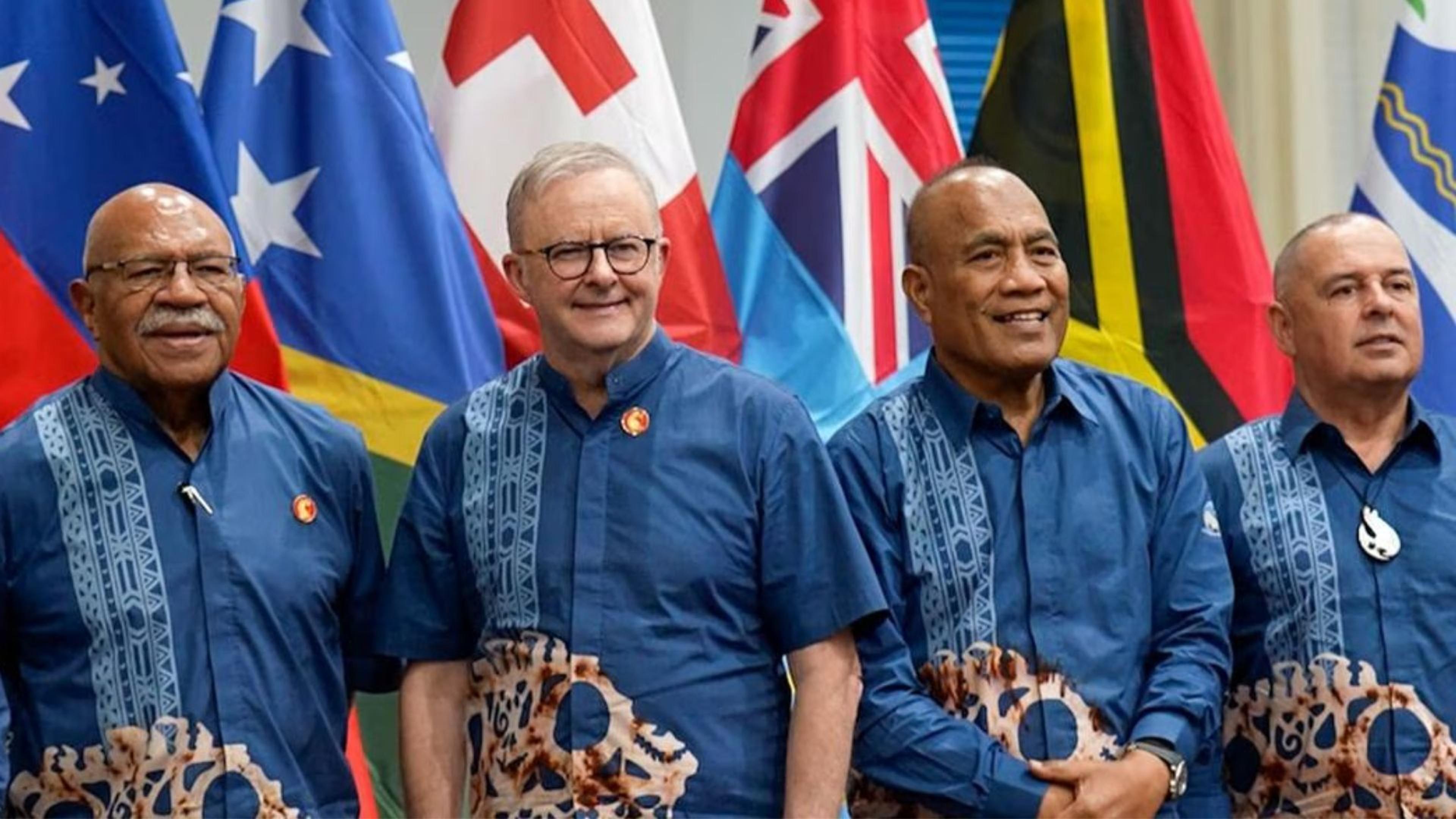
Pacific leaders and Australian Prime Minister Anthony Albanese, second from left. COP31 is underway in Antalya, Türkiye, with the Pacific region pushing for stronger action on climate change, climate finance and keeping the 1.5°C target within reach.
Photo/Supplied/file
Environment
Pacific puts Australia on notice as COP31 opens in Türkiye
As Australia takes charge of the climate negotiations in Antalya, Pacific countries are demanding action on fossil fuels, climate finance and the 1.5°C target.

Christine Rovoi
Published
10 November 2026, 10:28am
Share
Copy Link
Top stories

Pacific infertility symposium aims to break silence and improve access to care
Khalia StrongMon, 09 Nov
Labour wins the party vote, National wins the seats: NZ's election overhang explained
Thomas Tarurongo WynneMon, 09 Nov
Radio New Zealand faces 58 job cuts after $11.8m budget blowout
Craig McCulloch - Deputy Political Editor, RNZMon, 09 Nov
Top stories
Pacific infertility symposium aims to break silence and improve access to care
Khalia StrongMon, 09 Nov
Labour wins the party vote, National wins the seats: NZ's election overhang explained
Thomas Tarurongo WynneMon, 09 Nov
Radio New Zealand faces 58 job cuts after $11.8m budget blowout
Craig McCulloch - Deputy Political Editor, RNZMon, 09 Nov
The Pacific has arrived at the 31st Conference of the Parties to the United Nations Framework Convention on Climate Change with a clear message for Australia: the region needs more than promises.
As two weeks of climate negotiations begin in Antalya, Australia is taking the lead inside the negotiating rooms with Climate Change Minister Chris Bowen serving as President of Negotiations.
Under a joint Australia-Türkiye arrangement, Türkiye is hosting COP31 while Australia leads the formal negotiations.
For Pacific countries, the stakes could hardly be higher.
Palau's Ambassador Ilana Seid, chair of the Alliance of Small Island States, says the voice of small island nations must remain central to the talks.
“The voice of SIDS must always remain the 'moral anchor of this COP process'."

Litiana Lagibalavu says Australia’s COP31 leadership will be judged by its actions on climate change at home. Photo/Facebook/The Climate Reality Project - Australia & Pacific
Pacific voices are already making clear that Australia's leadership will be closely watched as Canberra continues to approve coal and gas projects.
Litiana Lagibalavu, spokeswoman for the Alliance for Future Generations Fiji, says Pacific countries want Australia to use its position to push for stronger climate action, more accessible finance and protection of the 1.5°C target.
But she says Australia's credibility will ultimately come down to what it does at home.
"Yes, Australia can position itself and has positioned itself as a president of negotiations at this COP but it is their actions back home that will reflect whether that leadership is of merit, is of substance and is genuine, or whether it's just performative," she told AAP.
The warning comes as the world faces a growing risk of temporarily exceeding the 1.5°C warming threshold as Pacific countries push for the overshoot to be as small and short as possible.
Tagaloa Cooper, Director Climate Change Resilience at the Secretariat of the Pacific Regional Environment Programme (SPREP), says there is no room for the Pacific to accept a future beyond 1.5°C as inevitable.
"The possibility of a 1.5 overshoot, in any amount, is catastrophic for our people, our region, and our communities," Cooper said.
"The magnitude and duration of an overshoot must be minimal for many of our communities to have a liveable future. We have to come back to 1.5C rapidly and we have the technologies and capacity to do so. We just need the political will."
Pacific countries are also pushing for climate finance that is easier to access, more predictable and delivered mainly through grants.
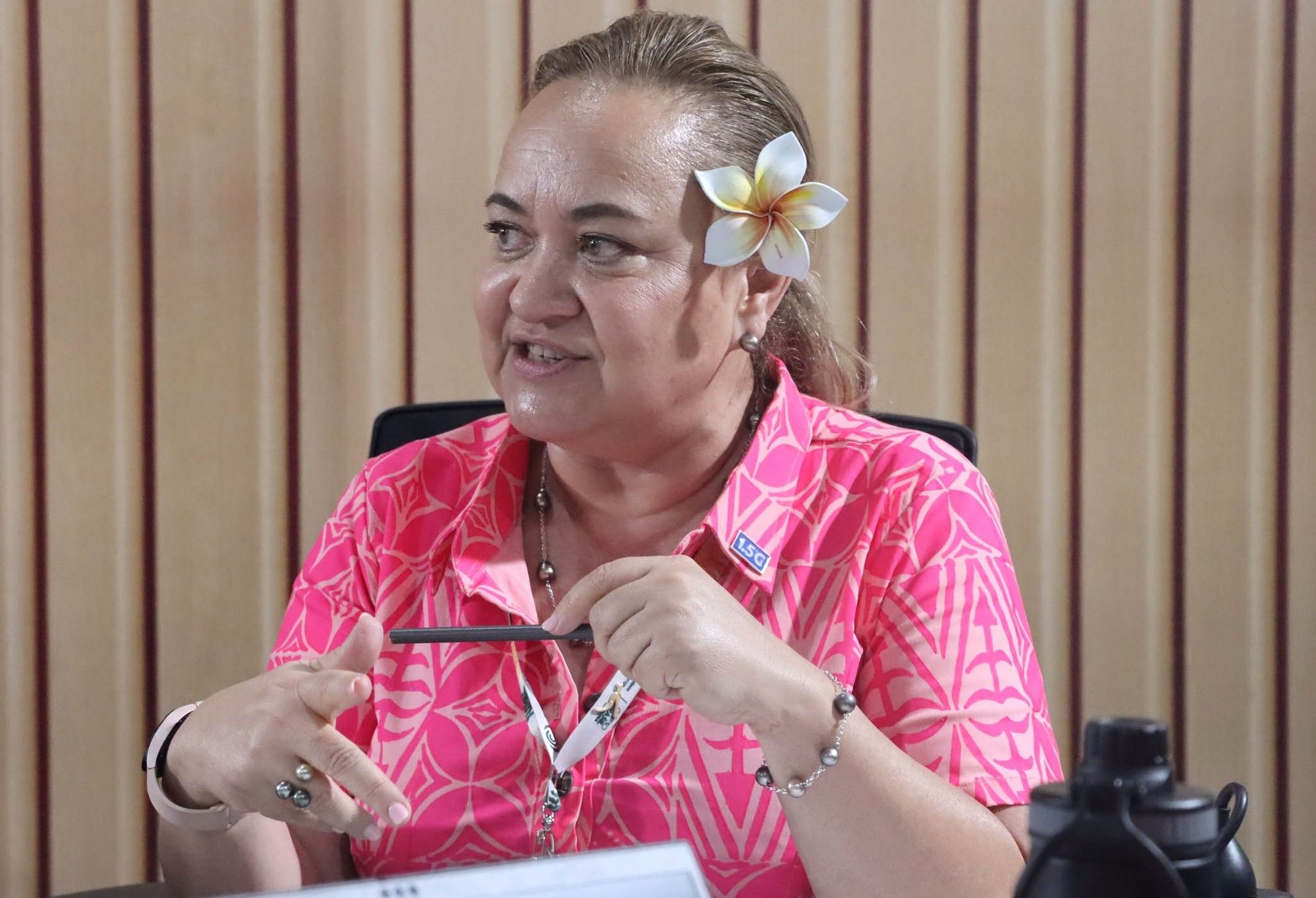
Tagaloa Cooper says any overshoot of the 1.5°C warming target could be catastrophic for Pacific communities. Photo/SPREP
At the same time, they want the ocean to have a bigger place in climate talks, reflecting the central role it plays in Pacific life and the region's wider climate system.
Lagibalavu says the Pacific's priorities are not limited to the traditional image of small island states.
"The world likes to call us small island developing states but we like to think of ourselves as large ocean states," she said. "Our Pacific Ocean makes up a third of the planet and our ocean regulates the climate of the planet."
Australia faces a difficult balancing act. The government says it wants to build agreement around electrification, climate finance and the clean energy transition.
Bowen has also acknowledged the scale of the task ahead, with nearly 200 countries expected to negotiate a range of issues.
"Reaching consensus among nearly 200 countries will not be easy but cooperation remains essential. No country can solve climate change alone and we achieve more when countries work together," he told a media briefing.
But environmental and Pacific groups say Australia's domestic fossil fuel decisions could undermine its role at the talks.
Australia's coal and gas exports have become a major focus with critics pointing to new and expanded projects approved in recent years.
Dr Sindra Sharma, International Policy Lead at the Pacific Islands Climate Action Network (PICAN), says Pacific countries have already made their position clear.
"The Pacific has been clear about what we need from the world. We need urgent action to keep 1.5°C within reach, a just and equitable phaseout of fossil fuels, and decisions grounded in the best available science."
For the Pacific, she says COP31 is therefore about more than another round of international promises. It is about whether those promises reach communities already dealing with rising seas, extreme weather, damage to livelihoods and the growing cost of adapting to a crisis they contributed little to creating.
The Pacific heads into the negotiations with three key priorities: keeping 1.5°C within reach, securing climate finance that reaches communities, and putting the ocean at the centre of climate action.

Dr Sindra Sharma says Pacific countries need urgent action to keep 1.5°C within reach and a just transition away from fossil fuels. Photo/PICAN
Australia now has a powerful role in deciding how far those priorities travel inside the negotiating rooms.
The United Nations Conference of the Parties (COP31) ends on 20 November.