
Full-circle homecoming as Isaako joins Kiwis' historic RLWC clash against Cook Islands
Brooke FonotiTue, 20 Oct
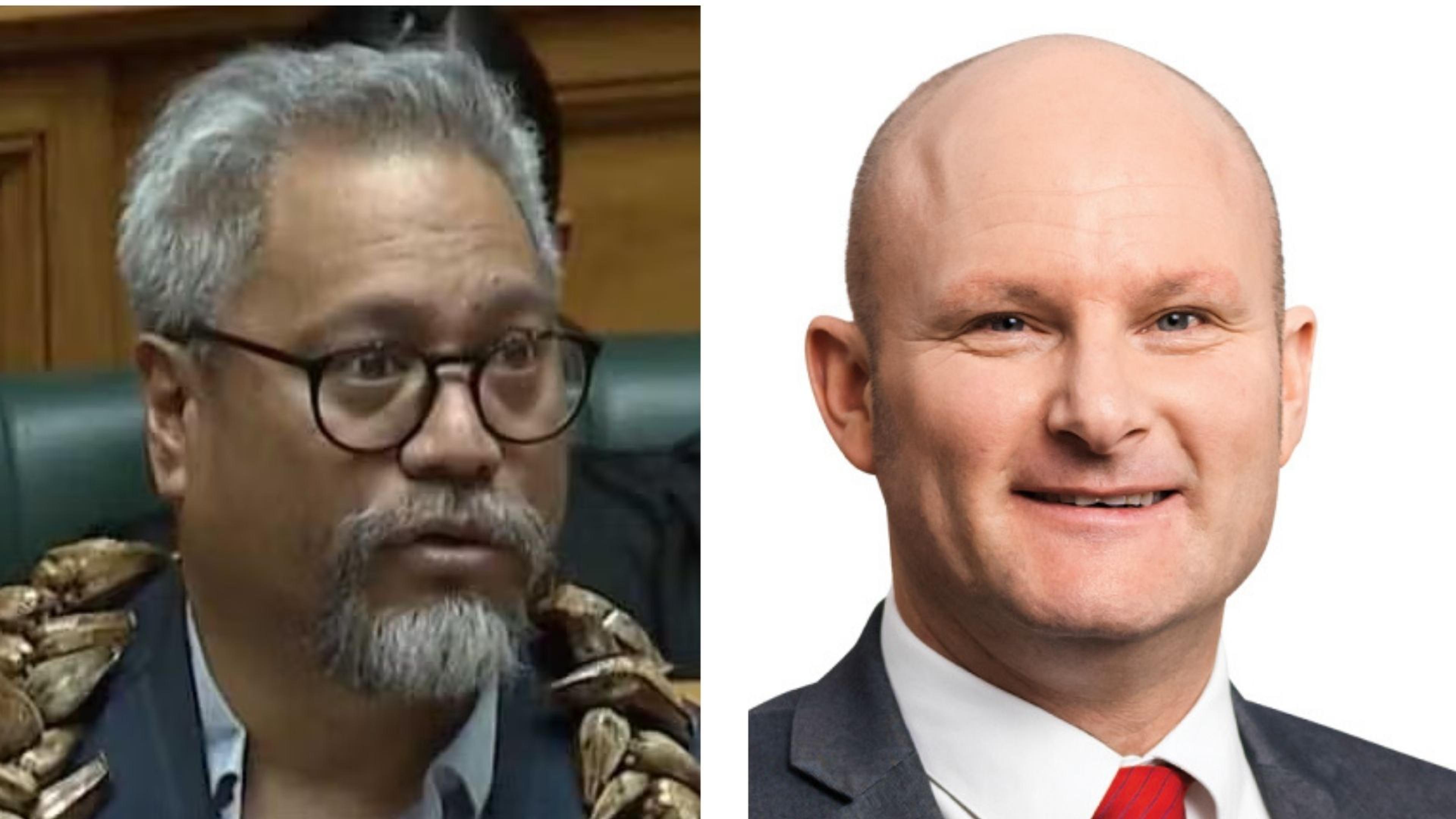
Green MP Teanau Tuiono, left, and Labour MP Dan Rosewarne have differing views on the Government’s proposed four-per cent council rates cap.
Photo/Supplied
Labour is open to capping council rates but wants other funding options while the Greens say an arbitrary cap could put local services at risk.

Opposition Pacific MPs are split over the Government’s proposed four per cent council rates cap.
Labour says it is open to the idea while the Greens warn it could leave councils struggling to pay for basic services.
The Government says councils will be required to keep annual rates increases within an initial target range of two and four per cent as it looks to ease pressure on households and businesses.
For Pacific households already feeling the squeeze, the issue comes as cost of living remains the biggest election concern.
A PMN News-Horizon Research survey found nine in 10 Pacific respondents identified it as an important issue.
In an interview with Pacific Mornings host William Terite, Labour MP Dan Rosewarne says his party is not ruling out the cap but councils need other ways to pay for services.

The Government is proposing a four-per cent cap on council rates increases as households face continued cost-of-living pressure. Photo/Econowaste
“Yeah, we're actually open to rates caps, William. No one likes seeing their rates bill go up year after year. But you can't just cap rates and pretend the costs will disappear.”
Rosewarne, of Sāmoan heritage, says councils still need to maintain roads, replace pipes, collect rubbish and run community facilities.
“And if central government wants councils to charge less, then it needs to be part of the solution and provide councils with other ways to fund those services.”
Watch Dan Rosewarne's full interview below.
He says the risk is that households could end up paying in other ways through higher fees or reduced services. “The costs simply get shifted around.”
In published analysis of the proposed cap, Westpac NZ senior economist Satish Ranchhod says councils would still face difficult choices over how to pay for infrastructure and services.
“Rates caps would still leave councils with the challenge of how to fund planned infrastructure investment and operational spending, and there could also be tough choices about which services and amenities councils can provide.”
Ranchhod says some of the savings for households could also be offset if councils turn to charges for services.
“However, some of those potential savings for households could be offset if councils shift to ‘user-pays’ systems to fund some activities.”
Green MP Teanau Tuiono, of Cook Islands Māori heritage, says the answer is not to put an arbitrary limit on what councils can raise.
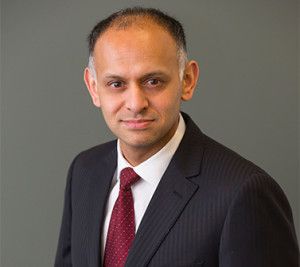
Westpac NZ senior economist Satish Ranchhod says a rates cap could force councils to make difficult choices over infrastructure, services and how they raise revenue. Photo/Supplied
“You know, they've got to be able to make their own decisions and all of a sudden there's a cap on there and then they can't, aren't able to, for example, fund the construction of their libraries, et cetera, et cetera, et cetera,” he tells Terite.
Tuiono says the Greens are concerned about the wider impact on local infrastructure and services.
“Our Pacific community, we love going to local pools, we love going to local libraries.”
Asked whether the cap could put those services under pressure, Tuiono says: “I think it will. I think it will put those things under pressure, the ability to make sure that you take care of basic infrastructure, et cetera, et cetera, like the pools and libraries and stuff like that so that it isn't a good idea.”
Listen to Teanau Tuiono's full interview below.
The two MPs also weighed in on the proposed ban on social media for under-16s, a major election issue after the Government introduced its Online Safety Bill.
The Greens do not support the ban in its current form.
Tuiono says social media companies need to carry more responsibility for harmful content and algorithms while young people also need better tools to spot misinformation.
“I would advocate having something like that here along with taking a more punitive approach to the social media companies who seem to be getting away with everything.”
Tuiono also acknowledged that social media can provide important connections for young people, including Pacific families separated across Aotearoa and the islands.
“I mean, there is some benefit to that.”

Labour is campaigning on a targeted capital gains tax, which the party says would help fund health services including three free GP visits a year. Photo/moneyhub.co.nz
Rosewarne also defended Labour’s proposed targeted capital gains tax, rejecting National’s claim that a Labour-led government would bring in a raft of new taxes.
“Labour has announced one tax policy, a targeted capital gains tax. That's it.”
He says the policy would help fund health services, including three free GP visits a year.
For Pacific communities, Rosewarne says health and the cost of living remain the issues he hears about most. “And what we're hearing from our communities is health, health, health. It's a huge issue, cost of living.”
Both MPs also discussed the possibility of their parties working together after the election but Tuiono says the Greens have not ruled out any arrangement. “Every option is actually possible.”
New Zealanders head to the polls on 7 November.