
Singing toddlers and CVs: How libraries have adapted over decades
Taelegalolo'u Mary AfemataFri, 20 Nov
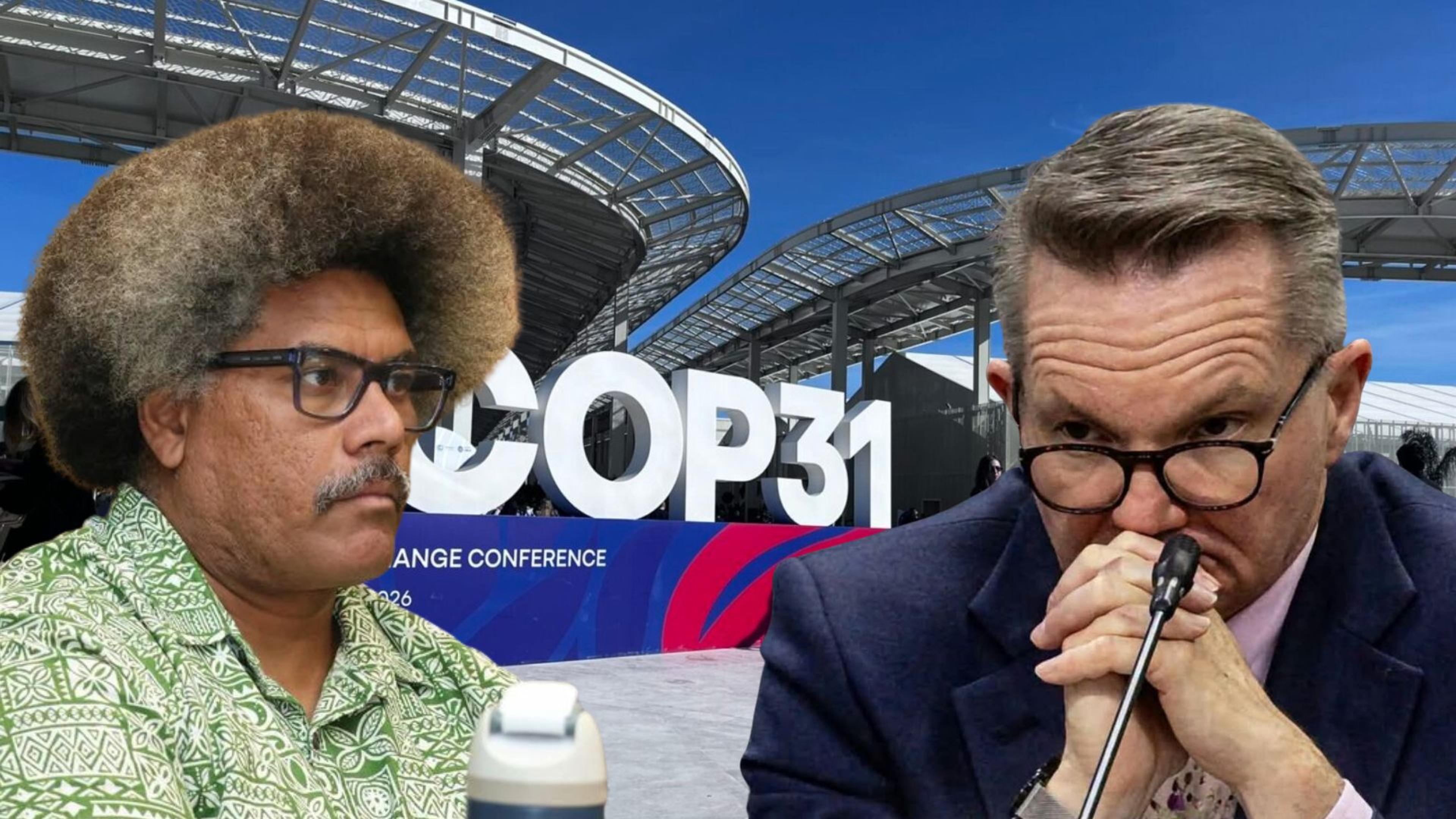
Pacific advocate Fenton Lutunatabua and Australian Climate Change and Energy Minister Chris Bowen take opposing views on the outcome of COP31 after talks ended without agreement on fossil fuels.
Photo/PMN News composite
Fenton Lutunatabua says communities were promised stronger action on fossil fuels but COP31 ended without a clear pathway away from coal, oil and gas or stronger climate finance.



A Pacific climate campaigner says Australia has let the region down after a United Nations climate conference (COP31) ended without agreement on fossil fuels or stronger financial support for countries facing the worst impacts of climate change.
Fenton Lutunatabua, Pacific lead for 350.org, says Australia had promised the region it would stand with them but failed to deliver a clear plan to move away from fossil fuels.
“Australia told Pacific nations, we have your back. But with no clear exit plan for coal, oil, and gas, Australia has stabbed us in the back.”
COP31 in Antalya, Türkiye, ended last weekend after more than 44 hours of talks beyond the scheduled finish with countries unable to agree on a final deal.
The proposed text did not include a clear commitment to move away from fossil fuels while developing countries also criticised the lack of stronger climate finance.
Lutunatabua says the failure is serious for Pacific communities already dealing with rising seas, stronger weather events and damage to homes, food supplies and livelihoods.
“Our islands face an existential threat, but the countries responsible for this crisis have failed to commit to the one thing that can stop it.”
He also criticised attempts to include carbon capture and storage in the negotiations without stronger commitments to reduce fossil fuel use.
“You cannot claim to protect the future while allowing the fossil fuel industry to destroy it.”
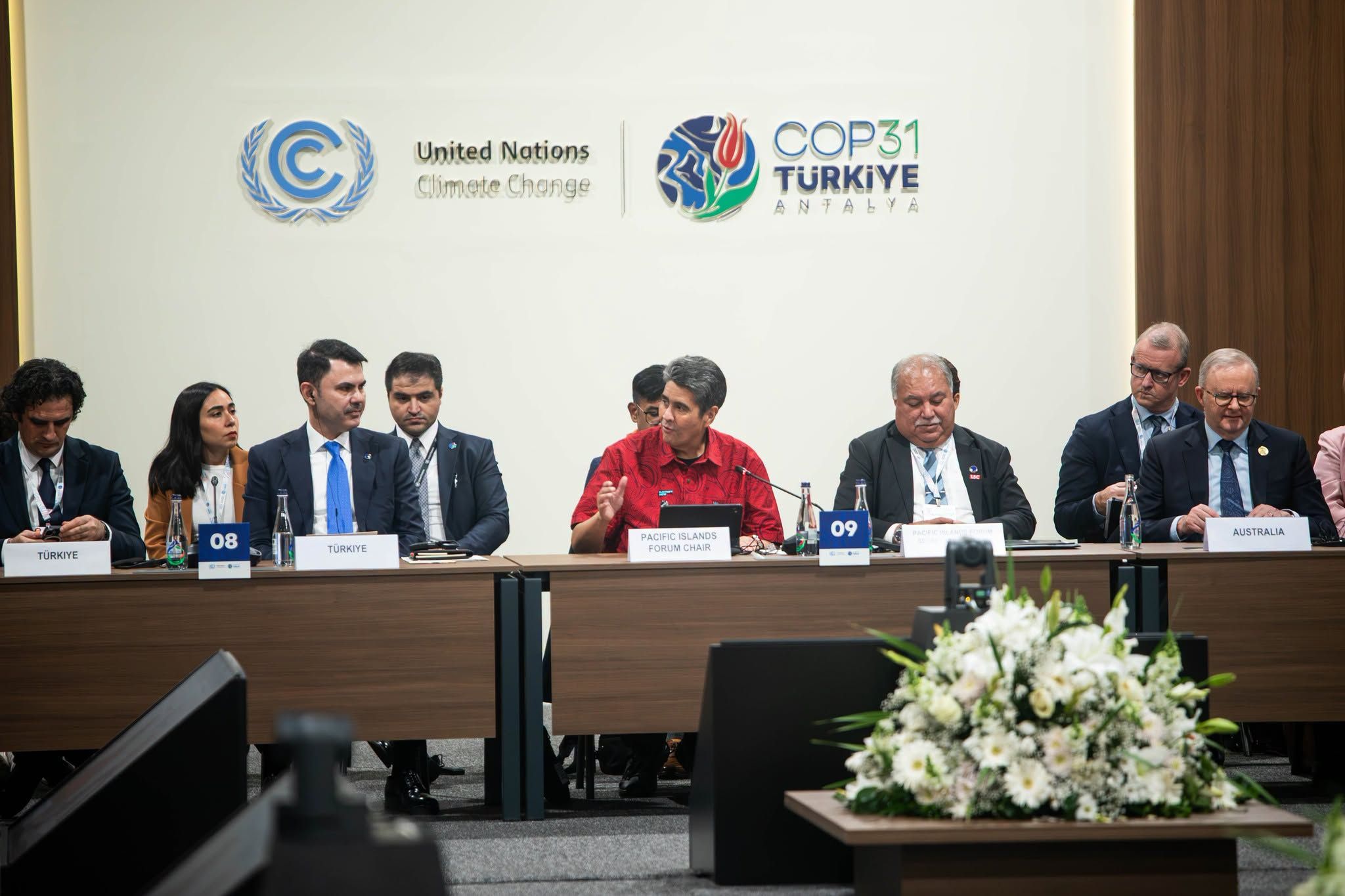
Pacific leaders led Forum chair and Palau President Surangel Whipps Jr (red), PIF secretary-general Baron Waqa, and Australian Prime Minister Anthony Albanese, far right, at COP31. Photo/Facebook/Pacific Islands Forum
The talks were held under a joint Turkish-Australian presidency with Australian Climate Change and Energy Minister Chris Bowen leading negotiations for Canberra.
Bowen said the lack of an agreement was disappointing but defended Australia's efforts to find a deal.
“Ultimately, looking back, many parties who are people of good faith had very strong red lines on a couple of key issues, and, despite many, many attempts ... those red lines were not able to be met.”
Bowen is also facing growing political pressure at home over the cost of Australia's COP31 role, with the opposition attacking the reported AU$150 million (NZ$182.05 million) price tag after the talks ended without a deal.
Watch Tuvalu's Minister for Home Affairs, Climate Change and Environment, Dr Maina Vakafua Talia, speak to media at COP31.
The final proposal faced opposition from oil-producing countries, mainly in the Middle East, that did not want fossil fuels mentioned in the agreement.
Several countries, including members of the European Union, also rejected the final proposal because it did not include fossil fuels.
COP decisions require almost unanimous agreement between the participating countries.
For Pacific countries, Lutunatabua says the failure comes after a year of pushing for stronger climate action, including at the pre-COP meeting in Tuvalu.
He says governments now need to turn their promises into action outside the annual UN talks.

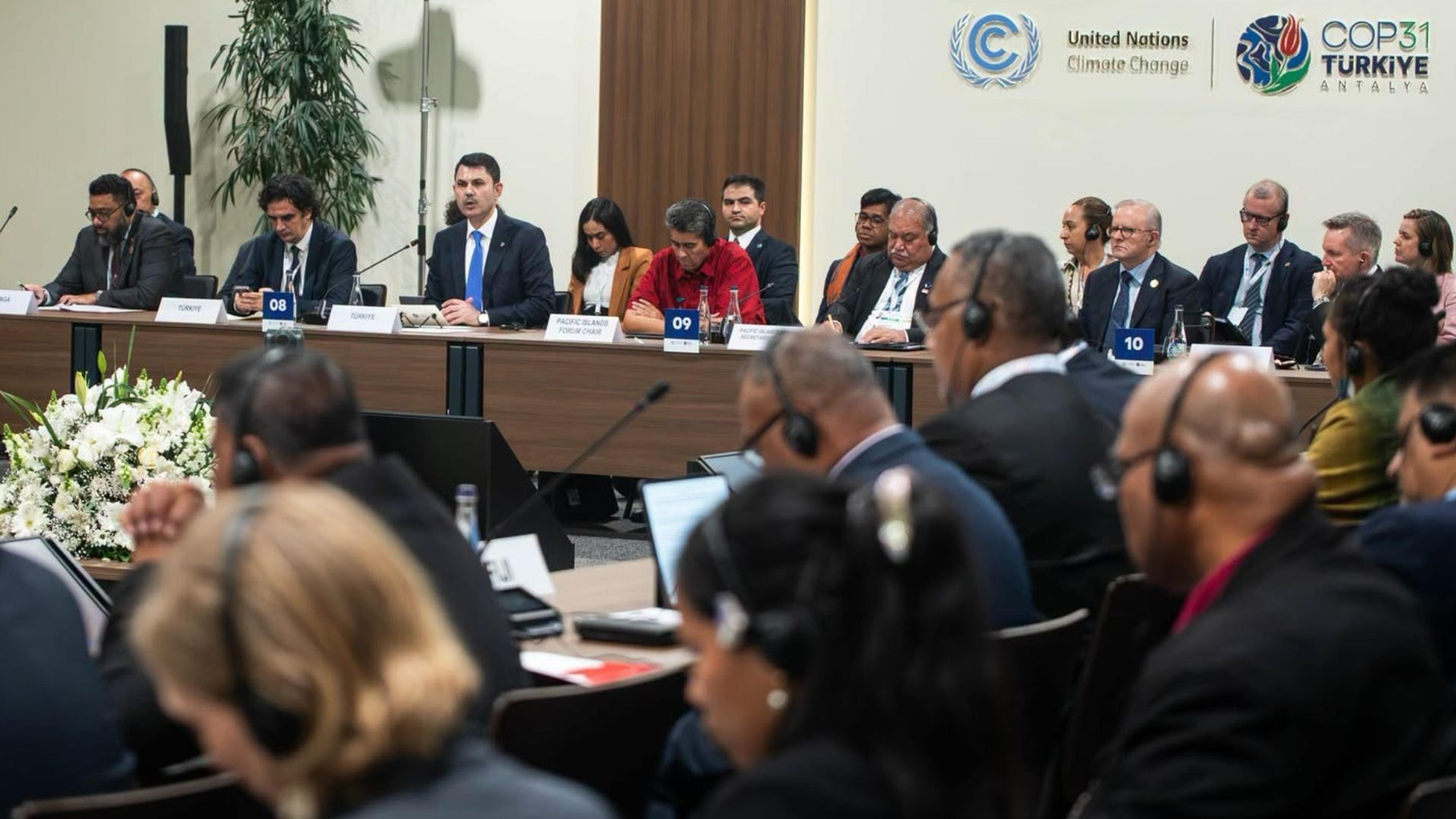
Pacific delegates attend COP31 in Antalya, Türkiye, where countries failed to agree on key climate action and finance commitments. Photo/Facebook/Pacific Islands Council
The lack of agreement also leaves climate finance unresolved despite Pacific countries repeatedly calling for funding that is easier to access and sufficient to help vulnerable communities prepare for climate impacts.
The collapse of the talks does not end the climate negotiations, Lutunatabua says, but it leaves countries facing another round of work before the next major summit.
He says the urgency has not changed: communities are already living with the consequences while governments continue to debate how quickly to move away from the fuels driving global warming.
COP31 ended on 20 November.