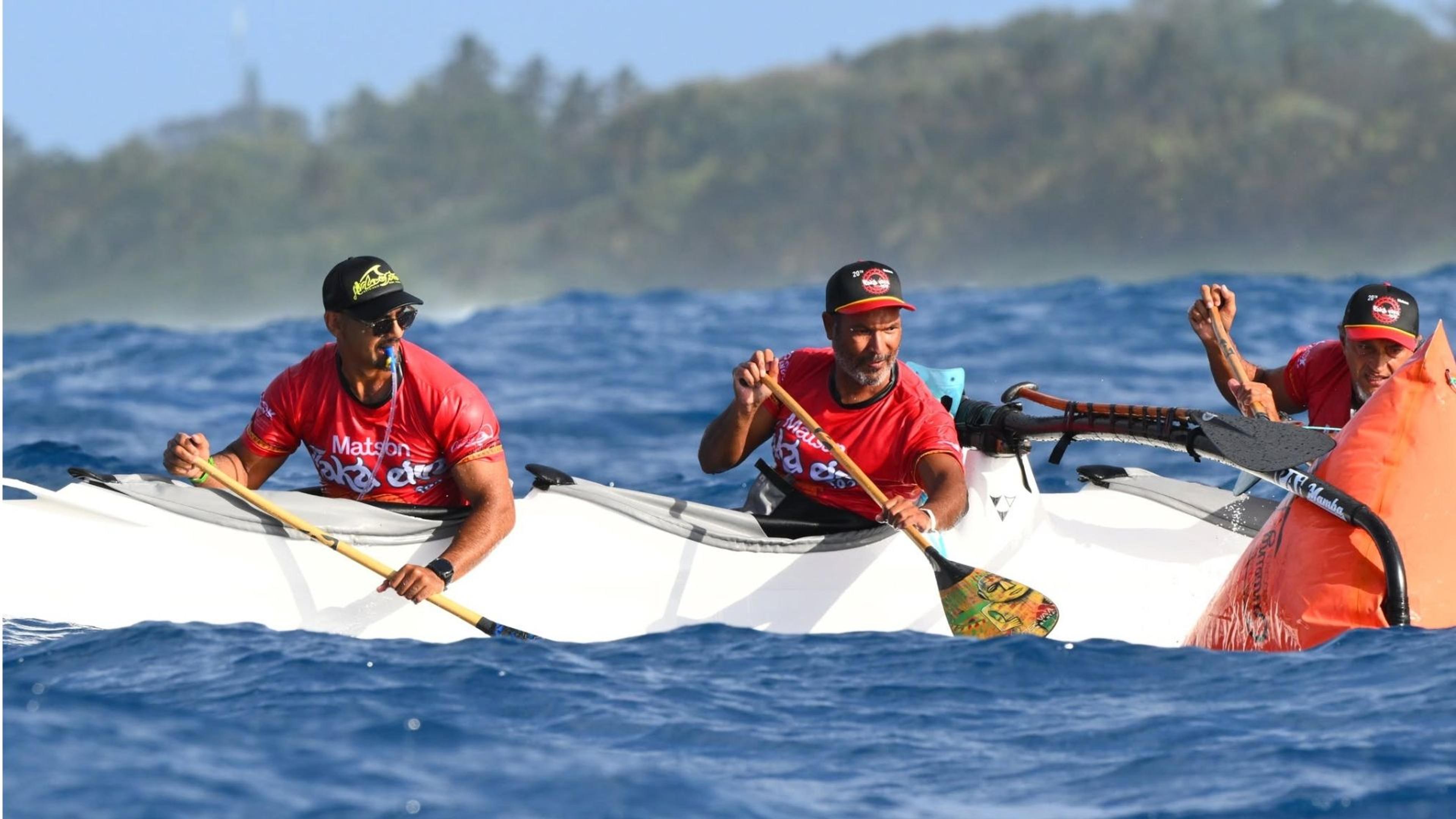
The Vaka Eiva rowing competition gets underway at Avarua Harbour as the Cook Islands begins to recover from Tropical Cyclone Xavier.
Photo/Facebook/Vaka Eiva
Pacific Region
Cook Islands recovers as Cyclone Xavier's remnants bring rough weather to Sāmoa
The cyclone has weakened to a low while its remaining weather impacts are moving west towards the Sāmoan region, authorities say.

PMN News
Published
24 November 2026, 11:00am
Share
Copy Link
Top stories

Tuilaepa says he invited Kennedy to Sāmoa to boost tourism and not change vaccine policy
Christine RovoiTue, 24 Nov

Pacific diabetes burden puts traditional foods back into spotlight
Aui'a Vaimaila Leatinu'uMon, 23 Nov
Singing toddlers and CVs: How libraries have adapted over decades
Taelegalolo'u Mary AfemataFri, 20 Nov
Top stories
Tuilaepa says he invited Kennedy to Sāmoa to boost tourism and not change vaccine policy
Christine RovoiTue, 24 Nov
Pacific diabetes burden puts traditional foods back into spotlight
Aui'a Vaimaila Leatinu'uMon, 23 Nov
Singing toddlers and CVs: How libraries have adapted over decades
Taelegalolo'u Mary AfemataFri, 20 Nov
The Cook Islands is moving into clean-up and recovery after Tropical Cyclone Xavier weakened to a remnant low while its remaining weather impacts are moving west towards the Sāmoan region.
Cook Islands Prime Minister Mark Brown says the cyclone caused mainly coastal damage and there were no injuries or major structural damage reported across the northern islands.
“The situation on the ground is much better than it was last week. So Tropical Cyclone Xavier has more or less cleared our waters and the tropical cyclone warning has been cancelled,” he told William Terite on Pacific Mornings.
Xavier reached Category 5 strength before weakening to Category 1 as it moved away from the Cook Islands.
Brown says the system passed about 200 to 300 kilometres from the islands, sparing them the full force of the storm.
“Most of the damage that occurred has been on foreshore erosion. We're very fortunate that the winds didn't reach the expected speeds of a Category 5 with the cyclone being away from the islands by about at least 200 to 300 kilometres.”
Listen to Mark Brown's full interview below.
He says people across the affected islands are safe and the focus is now on clearing debris and repairing coastal areas. “The phase now that we're moving into is a clean-up phase.”
Emergency supplies are already being sent north including generators, spare parts and other equipment for Pukapuka and Nassau.
A barge is also expected to deliver food and other supplies to Pukapuka and Nassau before travelling on to Manihiki and Rakahanga. Another vessel is due to take supplies to Tongareva.
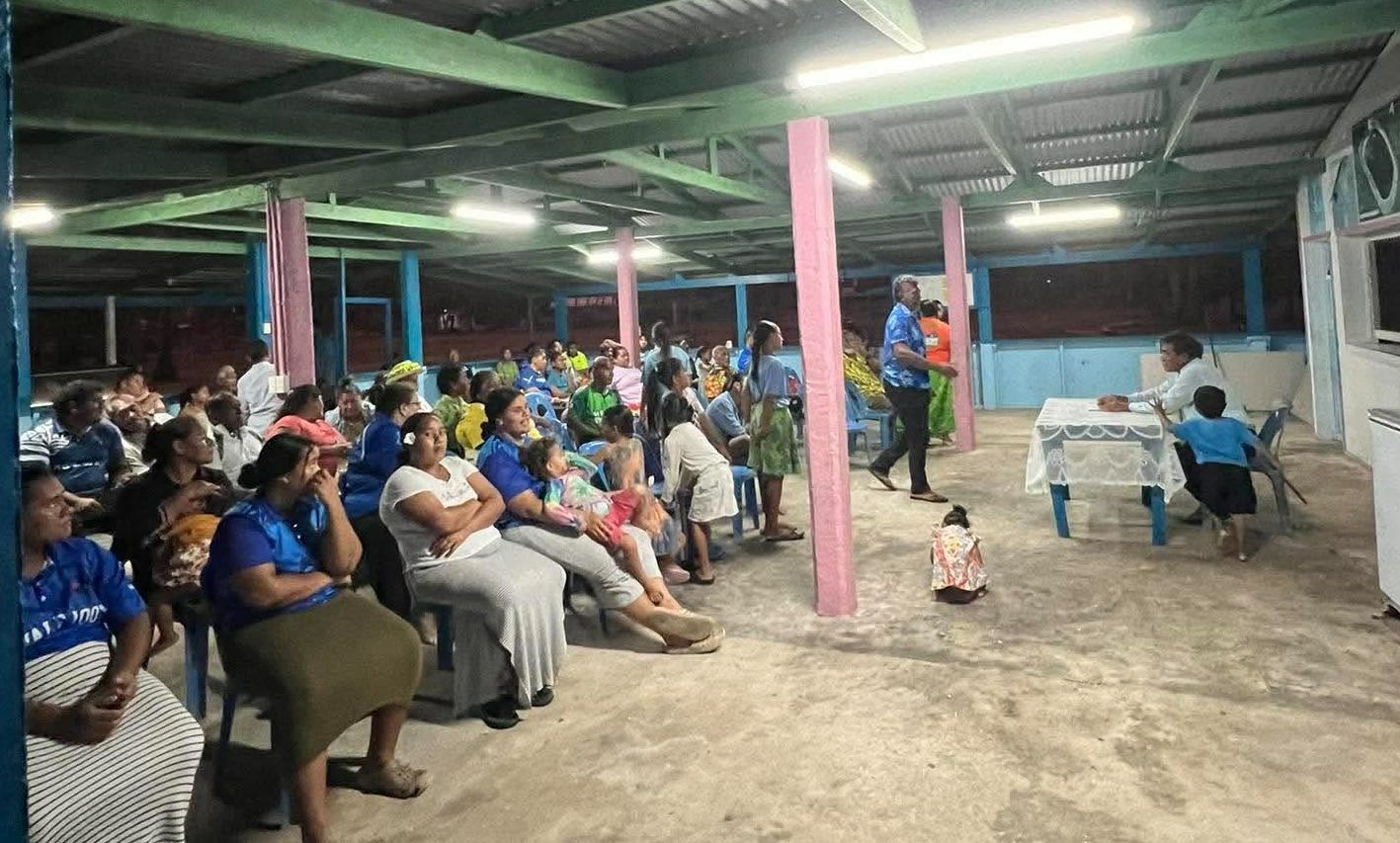
Nassau residents remain safe as the Cook Islands begins clean-up and recovery after Tropical Cyclone Xavier. Photo/Cook Islands News/Kiteia Manila
Power remains a concern in Manihiki where the main generator was damaged by fire months before Xavier arrived.
Brown says the island has been relying on renewable energy but cloudy conditions during the cyclone have reduced the effectiveness of its solar systems.
The government is using generators and fuel to support power supplies while a longer-term upgrade of battery systems across the Northern Group is worked on.
New Zealand has also sent more than five tonnes of emergency supplies by Royal New Zealand Air Force C-130 aircraft.
The supplies, delivered last Friday from New Zealand's Ministry of Foreign Affairs and Trade, included family hygiene kits, mother and baby kits, shelter tool kits, tarpaulins, water containers, agriculture tool kits, generators and chainsaws.
"New Zealand is pleased to help support the Cook Islands’ Government response to Tropical Cyclone Xavier," Foreign Minister Vaovasamanaia Winston Peters said on X.
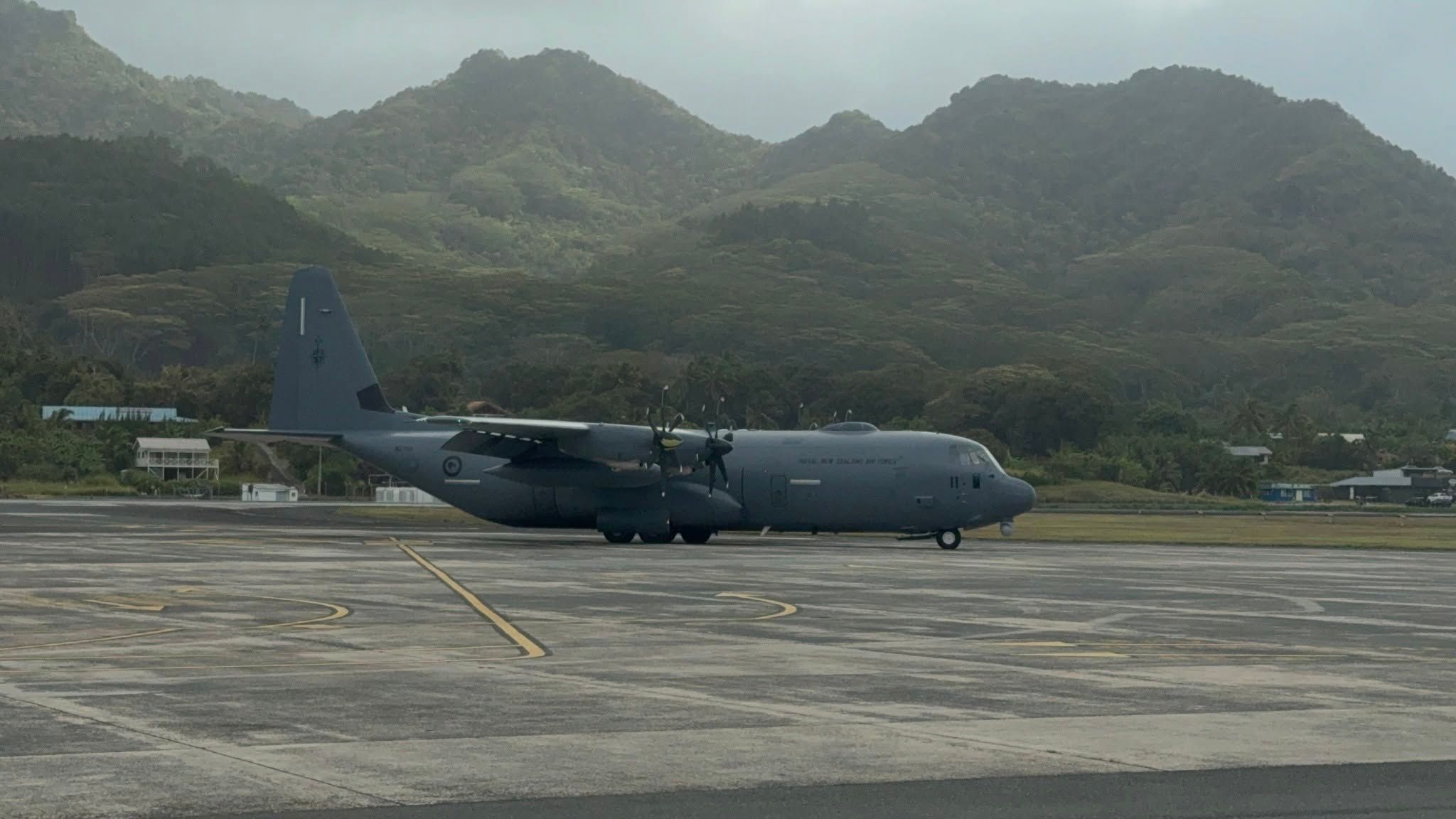
New Zealand Defence Force relief supplies arrive in Rarotonga following Tropical Cyclone Xavier. Photo/Office of the Prime Minister, Cook Islands
"We have deployed two people from the NEMA Rapid Response Team to support Emergency Management Cook Islands. The NZDF will also undertake aerial surveillance and deliver relief supplies donated by New Zealand. Our thoughts remain with those impacted."
Brown says the assistance was quickly organised after the Cook Islands activated its emergency response arrangements.
“The engagement with New Zealand was seamless through the New Zealand Defence Force and New Zealand Ministry of Foreign Affairs to get help very, very quickly on the ground.”
Xavier weakens as remnants bring hazardous weather to Sāmoa
Xavier has weakened into a remnant low-pressure system and is no longer forecast to reach Sāmoa as a full-strength cyclone but its remnants are still bringing hazardous weather across the region.
The Joint Typhoon Warning Center issued its final warning on 23 November, with winds dropping to around 45 to 55km/h.
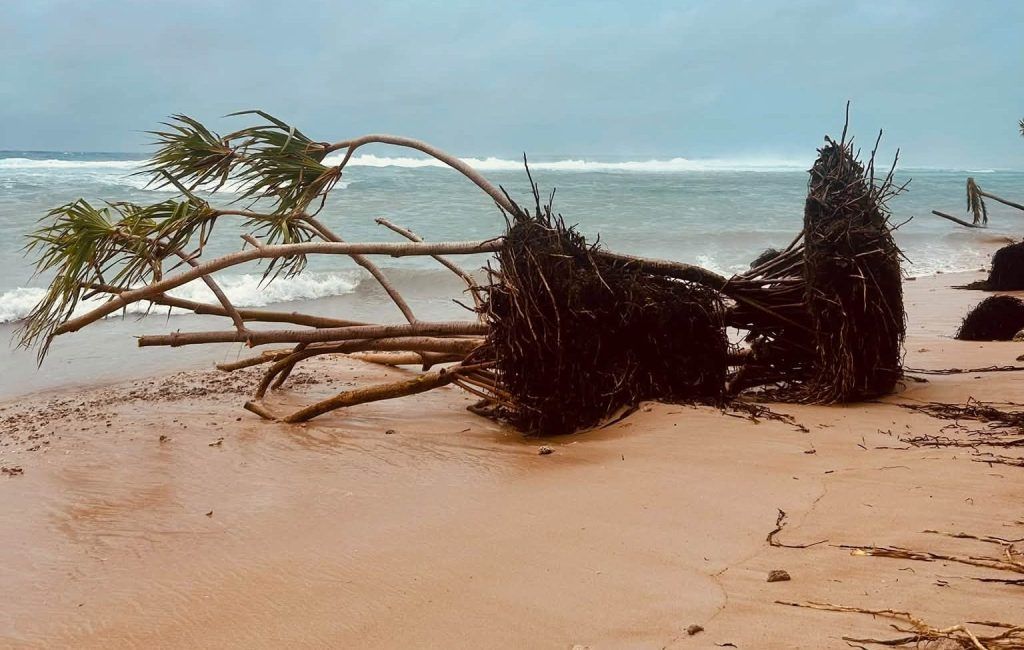
Foreshore erosion is among the main damage reported in the Cook Islands following Tropical Cyclone Xavier. Photo/Cook Islands News/Kitea Boaza
The remnant circulation was last tracked about 346km north-east of Pago Pago in American Sāmoa and moving slowly west to west-southwest.
Sāmoa's Meteorological Service and the National Weather Service in Pago Pago have warned of heavy rain, gusty winds and rough seas as the system passes nearby.
Flood watches remain in place because of the moisture associated with the system while wind and tropical storm advisories have been issued for areas affected by strong gusts.
Marine conditions are also a concern with rough seas and dangerous swells expected around Sāmoa and American Sāmoa.
The system is expected to continue weakening as it moves west but people in affected areas are being urged to follow local weather and marine warnings.
Niue has remained well south of Xavier's path. The Niue Meteorological Service's latest advisory placed the system about 803km north-northeast of the island and tracking west-southwest away from Niue.
Brown says the Cook Islands was fortunate that Xavier threaded between its islands and did not pass directly over them.
The cyclone has now weakened considerably but rough seas, heavy rain, strong winds and coastal flooding remain possible as the system moves west.
Brown says the immediate focus is on getting supplies to the northern islands, restoring power where needed and clearing the damage left behind.