

Health New Zealand estimates 365,867 people in Aotearoa New Zealand had diabetes in 2025.
Photo/Diabetes NZ
Health
Pacific diabetes burden puts traditional foods back into spotlight
New figures show Pacific people have the highest diabetes rate in the country with a Sāmoan scientist calling for food traditions to be part of the response.

Aui'a Vaimaila Leatinu'u
Published
23 November 2026, 3:09pm
Share
Copy Link
Top stories

Top stories
About 45,000 Pacific adults in New Zealand are living with type 2 diabetes, according to the latest Health New Zealand figures.
A Sāmoan scientist says families can look to traditional foods as part of a healthier way forward.
Amy Maslen-Miller, known as the Sāmoan Scientist, says the scale of the problem should not lead Pacific families to believe diabetes is part of getting older or their genetics.
“The rate of type 2 diabetes among Pacific adults is more than double the New Zealand average. So that's why we need to look at ways to improve our health that are relevant to us and our Pacific families,” she tells Carolanne Toetu’u on Pacific Days.
The Health New Zealand Health’s Annual Update estimates 365,867 people in Aotearoa New Zealand had diabetes in 2025, with an age-standardised prevalence of 48.6 per 1000 people, up from 34.3 in 2011.
Pacific people had the highest rate at 139.8 per 1000, followed by Indians at 105.7, Māori at 83.4 and European or other groups at 34.4.
Watch Amy Maslen-Miller’s full interview below.
Maslen-Miller, a PhD candidate at the University of Auckland researching traditional Sāmoan diets and modern food environments, says the figures show the need for solutions that make sense for Pacific families.
“The good thing is that type 2 diabetes can be prevented, can be delayed or the complications can be reduced. That comes back to the basics of eating nourishing food, having regular movement.”
She says families are also facing a flood of different diet and treatment messages, making it harder to know where to start.
“But… there are so many diets [and] programmes. We have conversations around ozempic, peptides and it's very overwhelming. But diabetes still continues to affect a lot of families.”
Maslen-Miller says traditional foods should not automatically be blamed for poor health.
“The other myth around island foods is that a lot of my generation say that our foods are automatically unhealthy. ‘When I eat those foods, I want to fall asleep and they are responsible for making us bigger’.”
“So it puts the blame on our culture where it doesn't really consider our whole food environment. With my work, when I talk about traditional foods, it's talking about nutritional, nourishing whole foods from the land and the sea.”
She says the food eaten by Sāmoan ancestors was largely based on what came from the land and sea including taro, yam, coconut, banana and fish, alongside a highly active way of life.
Her message is not to abandon modern life but to bring more of those foods back into everyday meals.

Amy Maslen-Miller suggests incorporating the old with the new in our dietary intakes. Photo/File
For families on tight budgets, she suggests options such as frozen vegetables, canned fish, taro and local community gardens.
She is also encouraging Pacific families to add more traditional food to a meal this week, whether that means replacing some rice with taro or eating more seafood.
But food is only part of the challenge.
Ruana Taito, a diabetes community coordinator at Diabetes New Zealand, tells Pacific Days that shame and fear of judgement can stop Pacific people from speaking openly about the conditions, visiting the doctor or seeking help.
“People feel like if some people, or if whānau or family members or church members do know that they have the condition, they can look upon them as bad luck. They can look upon them as a curse, or you are less fortunate,” Taito says.
Watch Ruana Taito's full interview below.
Taito says some relatives also mock dietary changes at family meals.
Diabetes New Zealand says 80 per cent of people with diabetes face blame, shame or judgement while up to53 per cent say they have been treated differently because of their condition.
Maslen-Miller says that stigma also needs to change, especially the idea that Type 2 diabetes is an unavoidable part of age.
“It really shocks me because I keep hearing this myth that type 2 diabetes is just a normal part of getting older. That is completely false. Type 2 diabetes is not inevitable. It can be prevented or it can be delayed.”
For Maslen-Miller, bringing traditional food back to the table is one way Pacific families can reconnect with food that is familiar, affordable and part of their heritage while taking practical steps towards better health.
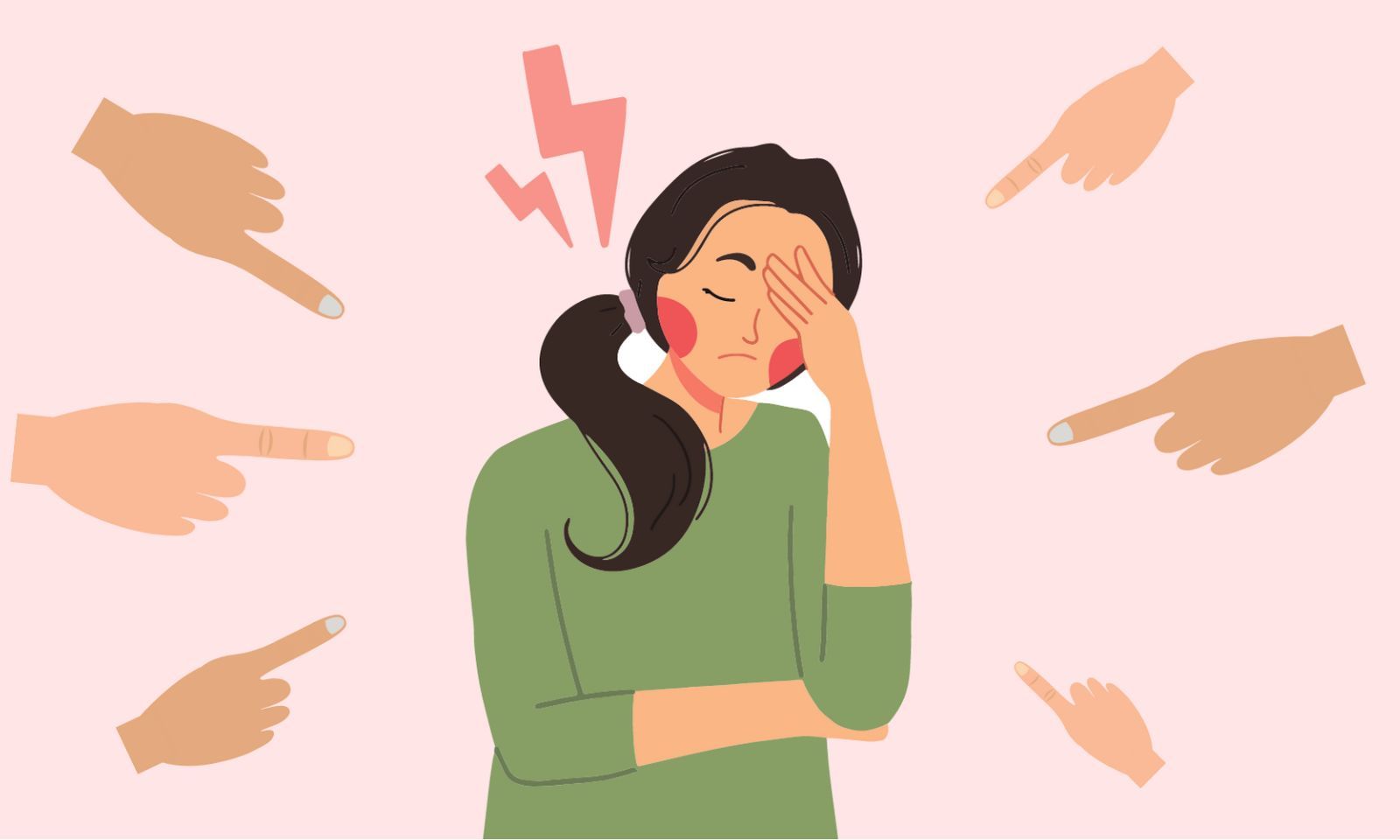
According to Diabetes NZ, 80 per cent of those living with diabetes face blame, shame or judgement, and up to 53 per cent have been treated differently because of their condition. Photo/Type1Better