
Tofiga Fepulea’i brings the laughs while taking top honours at Arts Pasifika Awards
Aui'a Vaimaila Leatinu'uFri, 23 Oct
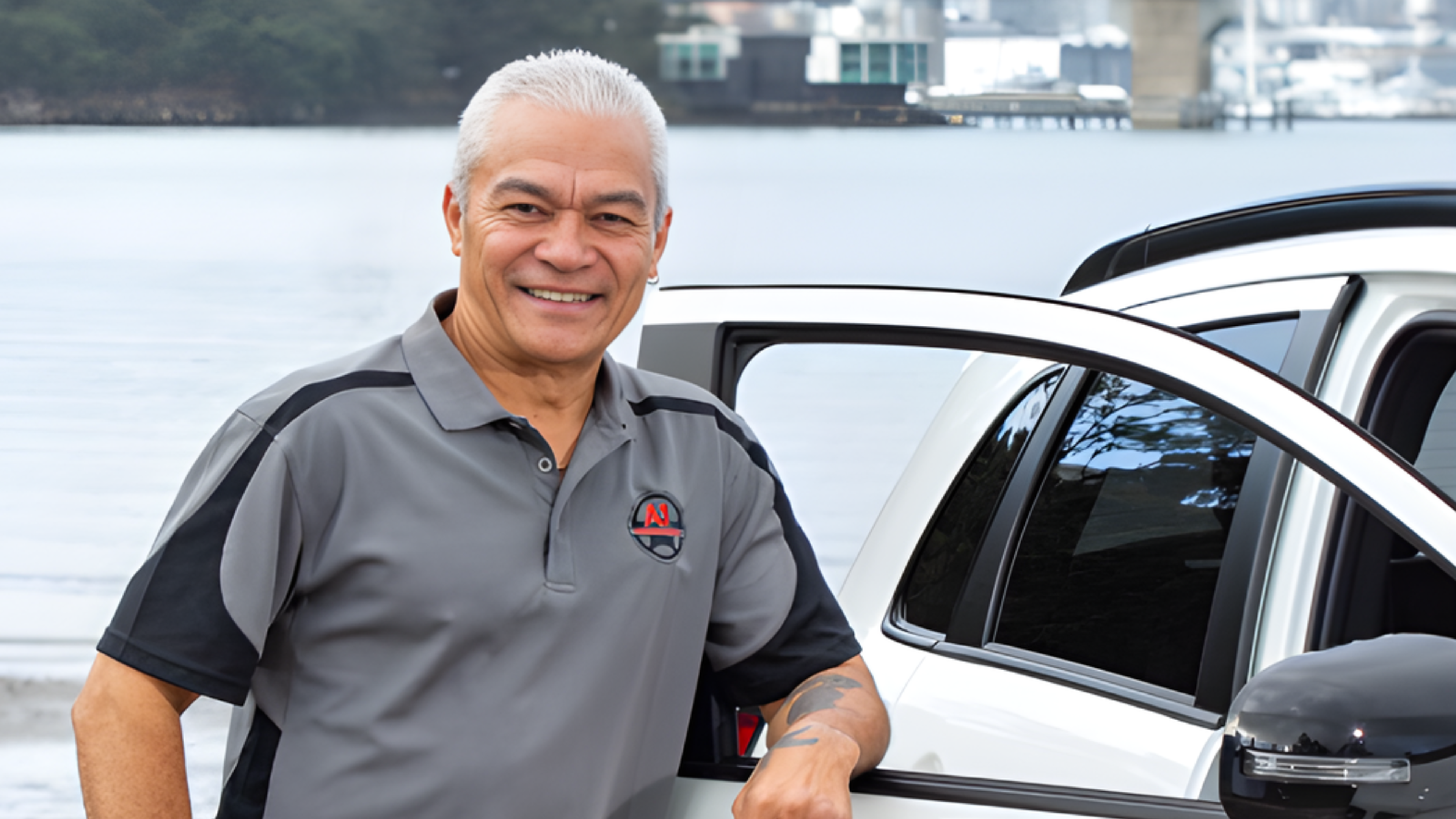
James Fungavai says some of the upcoming moves are positive, but questions other changes.
Photo/A1 Driving School
Thousands of Pasifika have spent years stuck on learner licences. From 2027, rule changes could make getting a full licence cheaper and simpler.


For many Pacific drivers, holding a learner licence for years, even decades, has been a quiet but common reality.
From January 2027, changes to New Zealand’s driver licensing system could finally make moving to a full licence easier.
An Auckland driver, who asked not to be named, held a learner licence for more than 10 years before passing their restricted test four months ago, aged 37.
“I was one of many Pacific people who unfortunately had my learner licence for a very, very long time,” they told PMN News.
“The biggest barrier for me was price, but also the fear of failing, having to redo it, and the shame around that.”
Under the overhaul, drivers will no longer need to sit a practical test to move from a restricted to a full licence.
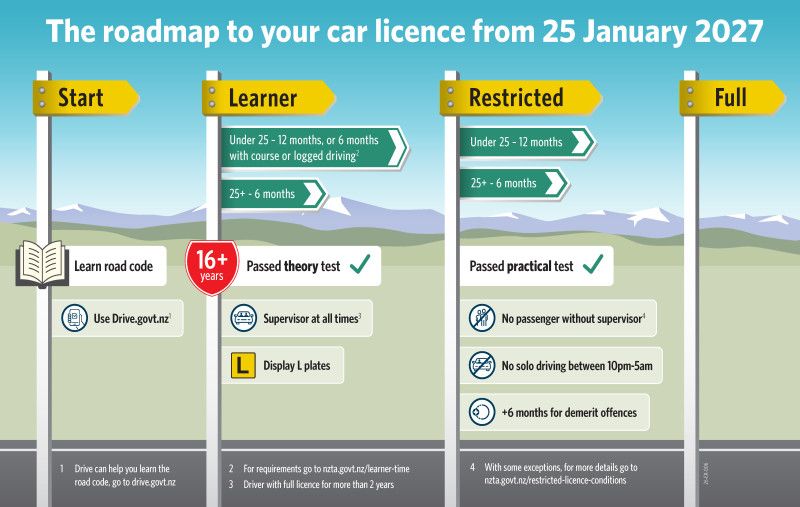
The driver licence changes for 2027. Image/NZTA
The driver says removing the final test would “100 per cent” encourage more people to finish the process.
Figures from 2021 show just 40 per cent of the eligible Pacific population in Aotearoa hold a full licence, compared with 80 per cent of Europeans. This highlights long-standing access barriers.
“Particularly in South Auckland. I don't know if that's a gross generalisation, but we all were on our learners,” the driver says. “However, on the flip side of that, I also had a lot of friends who got their learner’s as soon as they hit 16.”
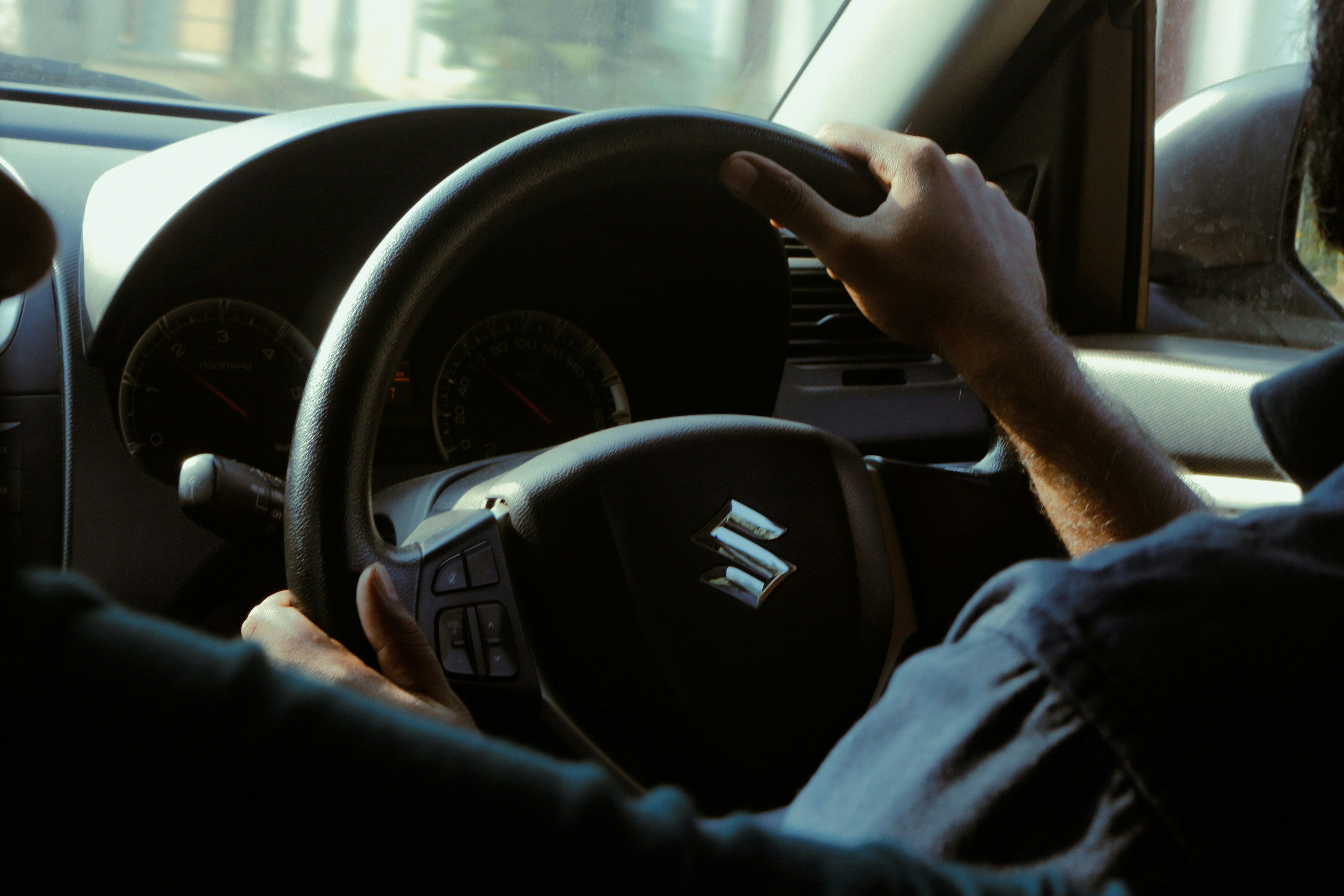
Drivers over the age of 25 will have a shorter length of time on learner and restricted licences. Photo/Unsplash
From 25 January 2027, New Zealand’s class 1 car licence system will be reworked to make progress through the stages easier.
The full licence practical test will be removed. Drivers under 25 will need to hold a learner licence for 12 months, up from six.
That time can be reduced to six months by completing an approved course or logging up to 60 hours of supervised driving.
James Fungavai, an instructor with A1 Driving School, says the extra learner time could help drivers who have never had regular access to a car or supervisor.
“Some people have never touched the steering, never been on the road before,” Fungawai says. “Maybe [their] mum and dad don’t want to smash their car. So we start from the beginning, in a quiet space with no traffic lights, to build their confidence.”
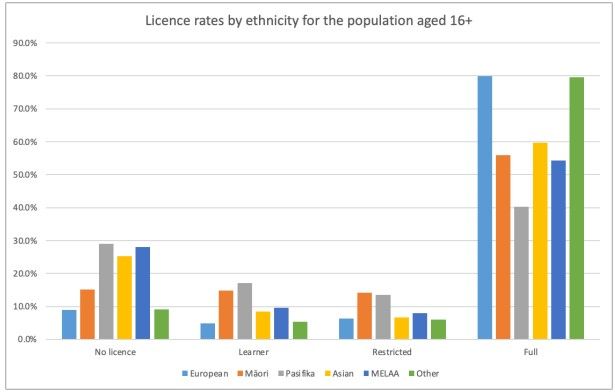
Pacific communities have higher instances of no licence, and lower amounts of fully licenced drivers. Image/Motu Research 2021
Safety and costs
Restricted licences for drivers under 25 will be shortened from 18 to 12 months. The restricted practical test will also place more emphasis on identifying hazards.
“The extra focus on safety is good,” Fungavai says. “If you’re confident, you know how to drive, what’s the problem? If you’re not confident, there’s no point going for the test.”
Licence fees will also drop. Changes to restricted and full licence fees will save drivers around $80 across both stages, easing a cost barrier many Pacific families face.
A zero alcohol limit will apply to all learner and restricted drivers, regardless of age, a move Fungavai supports: “If you drink, don’t drive. Doesn’t matter one glass, don’t touch the steering.”
Political response
Transport Minister Chris Bishop says the current system is “expensive and outdated” and that the changes strike a balance between safety and access.
Labour’s transport spokesperson, Damien O’Connor, has raised concerns, saying learner and restricted drivers are more likely to be involved in serious crashes, particularly younger drivers with higher-risk behaviour.
For Pacific drivers who have spent years stuck at the first step, the changes could finally shorten the road to full driving independence and make driving a realistic option, not a distant goal.