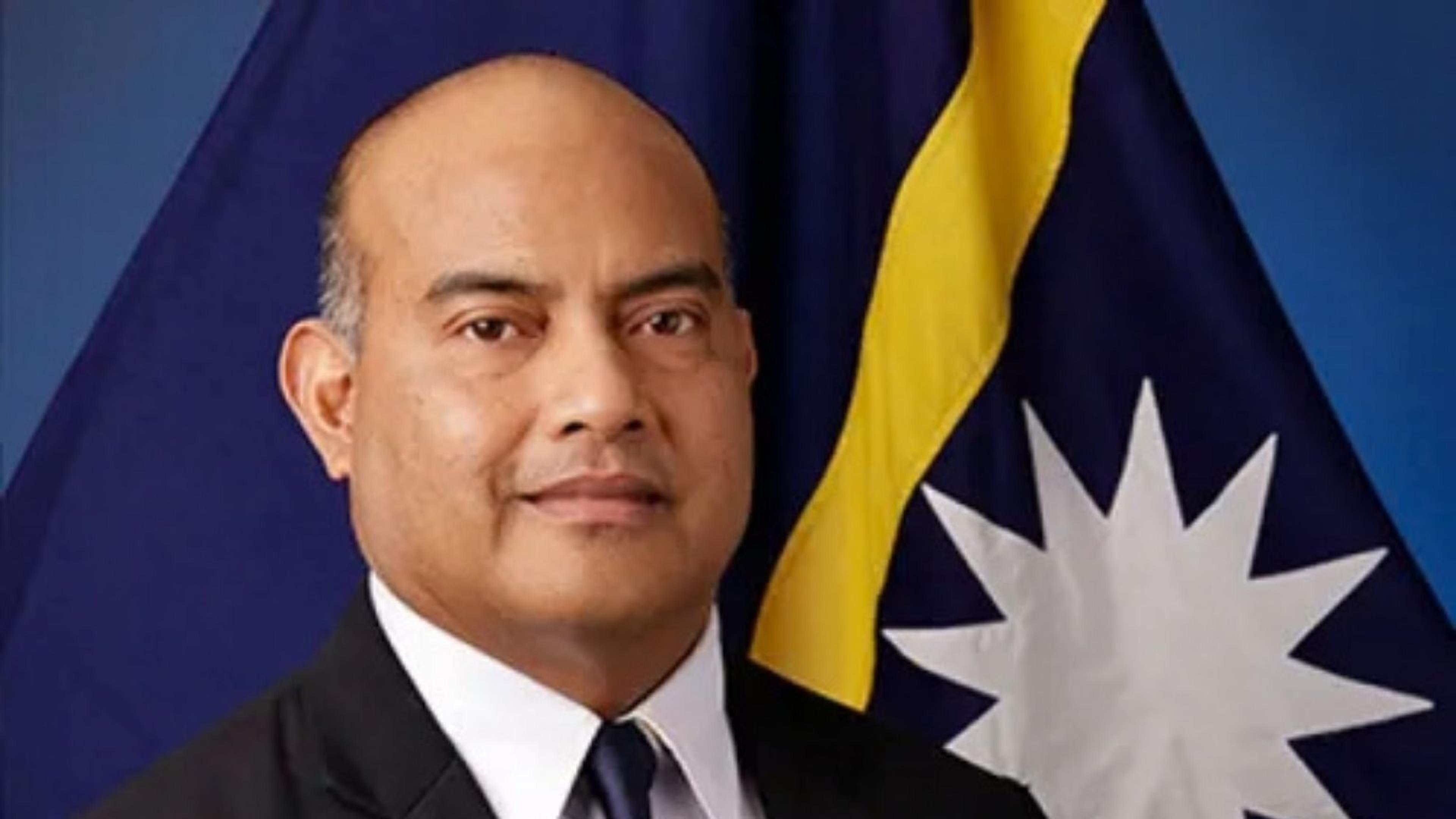
Naoero President David Adeang addresses the 81st session of the United Nations General Assembly in New York on 22 September 2026. Adeang announced Naoero would withdraw from the International Criminal Court.
Photo/Naoero government
Pacific Region
US welcomes Naoero withdrawal from international court
Washington backs President David Adeang's decision but Amnesty International warns the move could weaken human rights protections in the region.

Christine Rovoi
Published
30 September 2026, 6:00am
Share
Copy Link

The United States has congratulated Naoero, formerly Nauru, after President David Adeang announced at the United Nations that the Pacific nation would withdraw from the International Criminal Court (ICC).
US Assistant Secretary of State for East Asian and Pacific Affairs, Michael DeSombre, met Naoero’s Deputy Foreign Minister Russ Kun in New York following the announcement.
DeSombre praised Naoero for what Washington described as standing up for its sovereignty.
“Naoero joins a growing number of nations standing up for their sovereignty against the ICC’s illegitimate overreach,” DeSombre said in a social media post by the US Embassy in Fiji.
Adeang made the announcement during the 81st session of the UN General Assembly in New York last week.
He said Naoero would deposit its withdrawal documents with the Rome Statute repository.
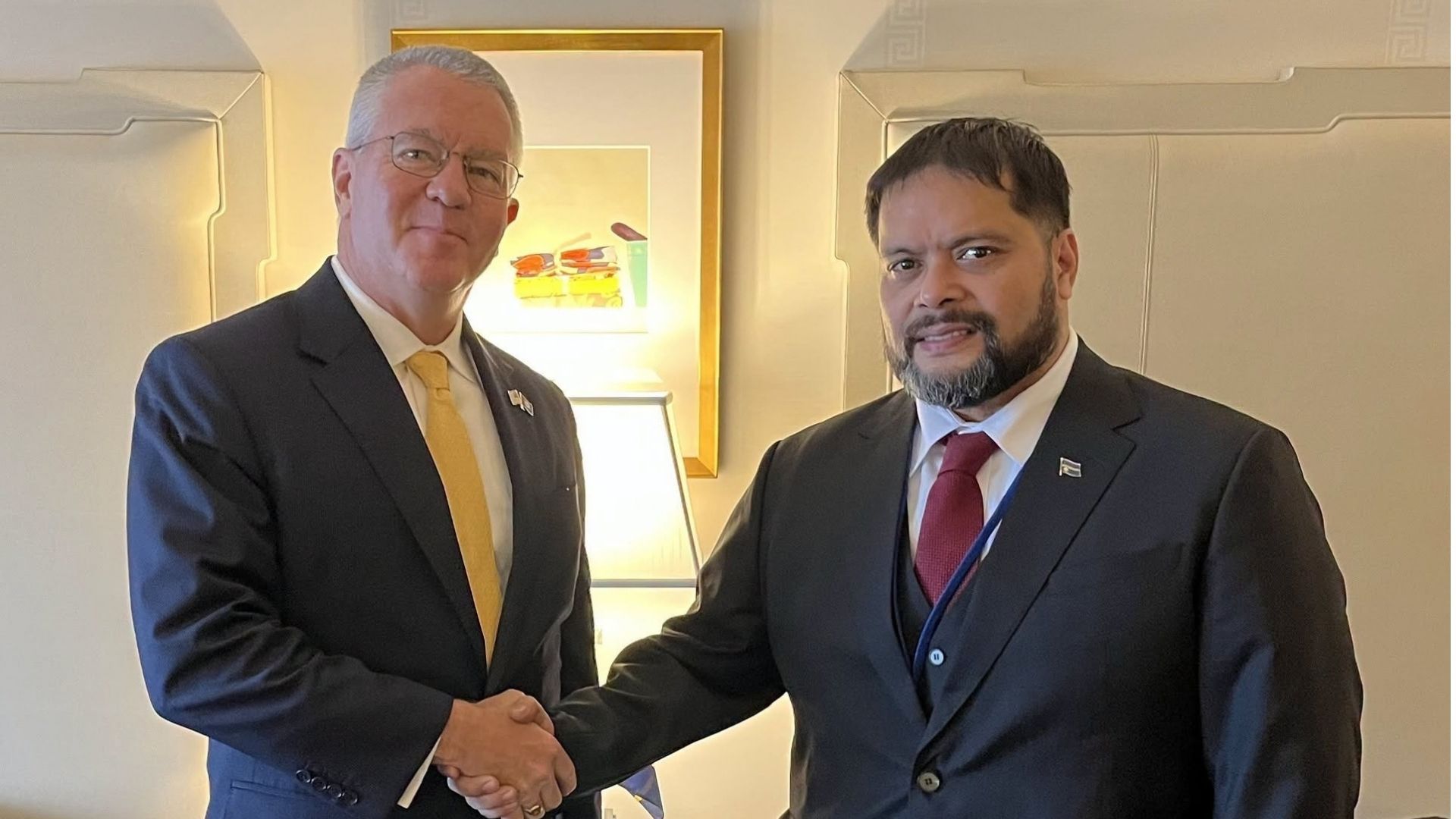
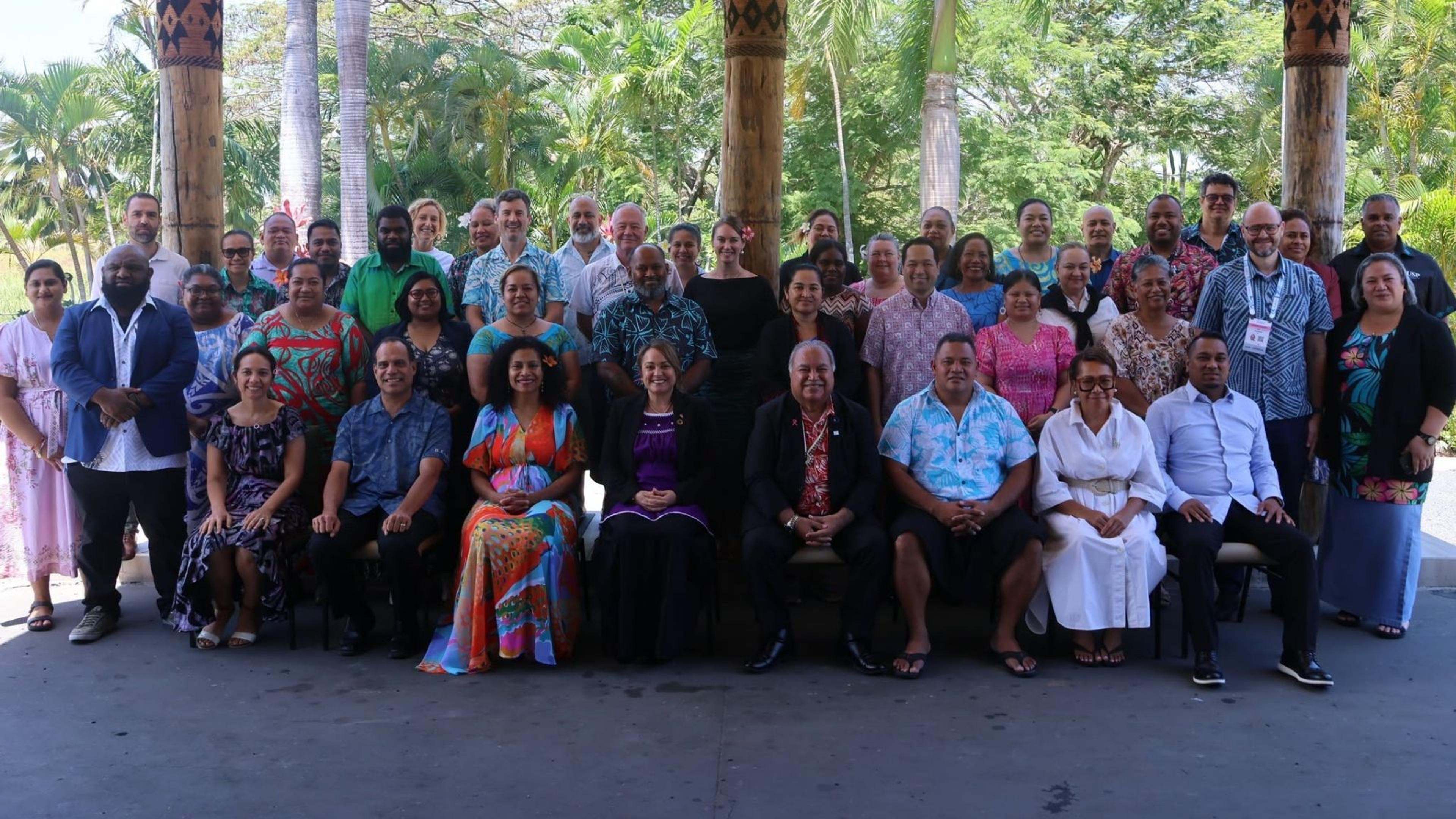
US Assistant Secretary of State for East Asian and Pacific Affairs, Michael DeSombre, left, meets Naoero Deputy Foreign Minister Russ Kun in New York following Naoero’s announcement that it would withdraw from the ICC. Photo/Facebook/US Embassy, Fiji
“A multilateral agency with which we see of increasing irrelevance to the Naoero, namely the International Criminal Court, is one which calls for Nauru to end its participation and to revoke its membership,” Adeang said.
“Before I depart New York, Naoero will be depositing our instruments of withdrawal with the Rome Statute repository.”
His announcement came shortly after US President Donald Trump called on countries to leave the ICC, describing it as “evil” and “a rogue institution”.
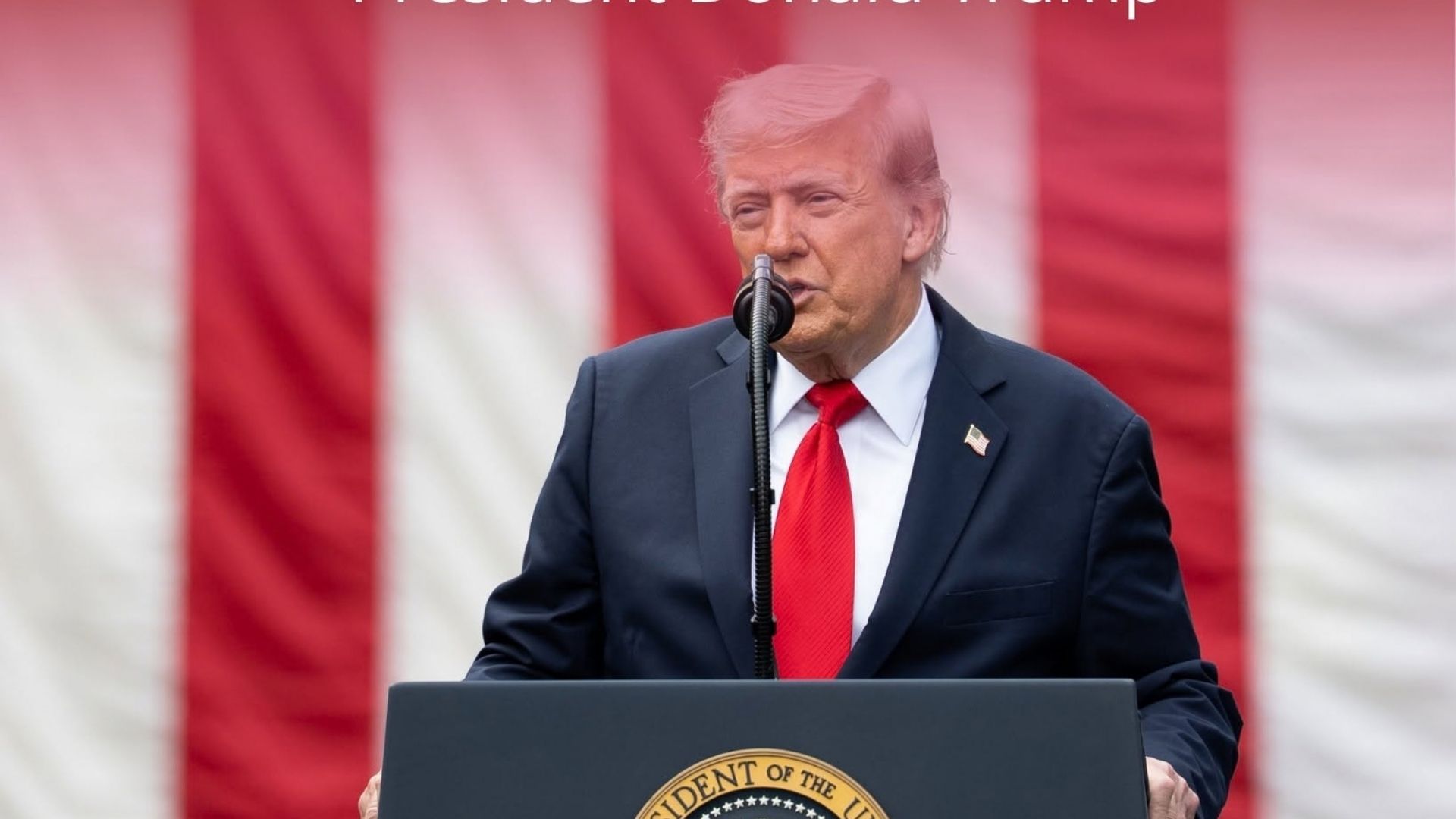
US President Donald Trump addresses the 81st United Nations General Assembly in New York, where he called on ICC member states to leave the court. Photo/Facebook/US Embassy, Fiji
The ICC has previously rejected the wider US campaign against the court. In August, it said new US sanctions were an attempt to interfere with its work.
The ICC's Presidency of the Assembly of States Parties said the measures only sought to impede the court and its staff from investigating and prosecuting serious international crimes.
The ICC is a separate international court based in The Hague that investigates and prosecutes individuals accused of serious crimes. This includes genocide, war crimes and crimes against humanity.
Naoero’s decision has drawn concern from human rights groups in the region.
Kate Schuetze, a Pacific researcher at Amnesty International, said the move could put Naoero out of step with many of its regional partners and risk weakening human rights protections.

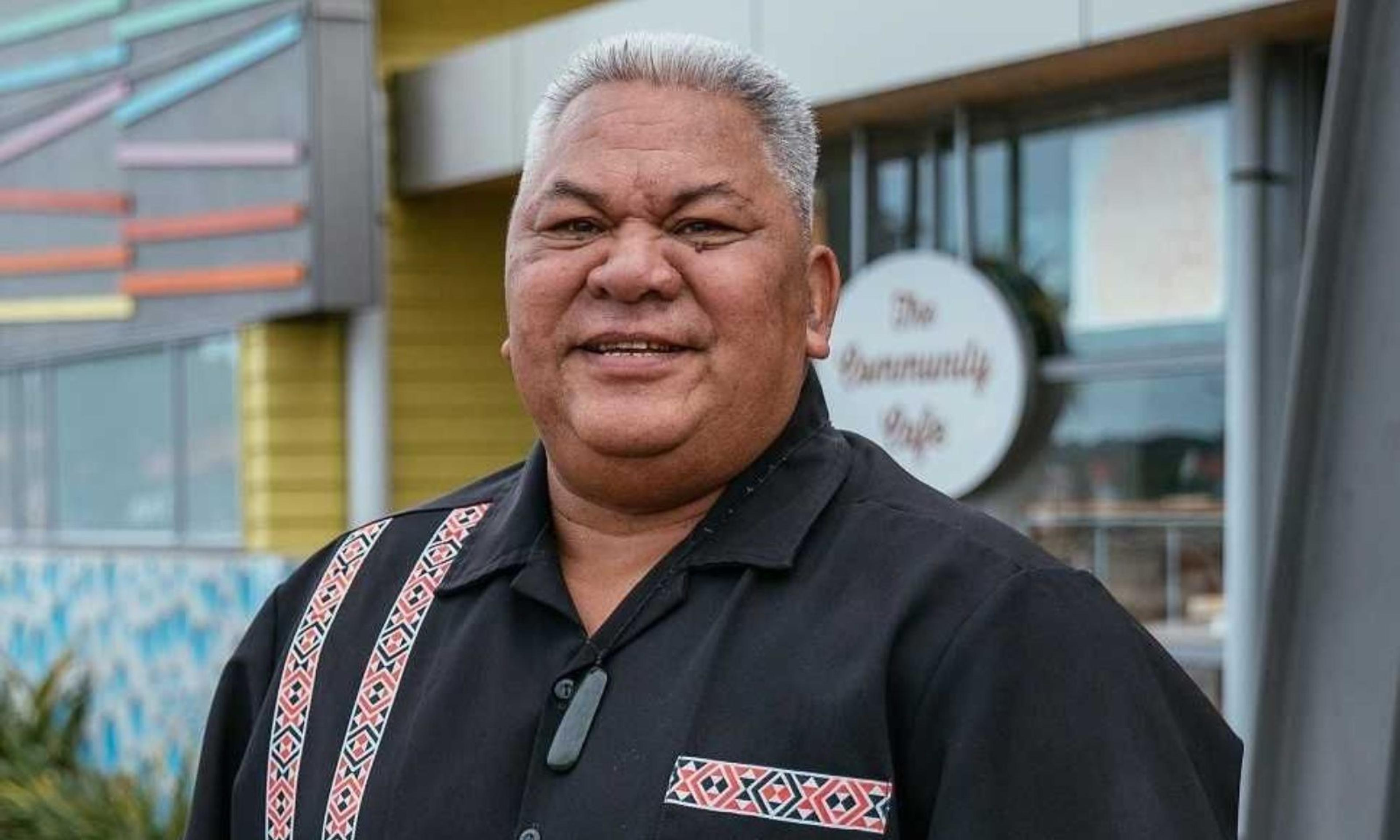
Amnesty International Pacific researcher Kate Schuetze says Naoero’s decision to leave the ICC risks weakening human rights protections in the Pacific.
“Naoero is shunning the international community but also asking to be taken seriously as a major player,” Schuetze told media.
“Naoero stepping away from that signifies that it doesn't see itself as deeply intertwined with that global accountability fabric.”
The decision comes as Pacific leaders use international forums to push for stronger action on issues including climate change, sea-level rise and the rights of small island states.
The UN’s high-level meeting on sea-level rise this month specifically focused on protecting vulnerable countries and strengthening international cooperation.
Naoero has also been strengthening its ties with Israel and has increasingly aligned with Washington on some international issues.
The country was among a small number of states to establish its embassy in Jerusalem and not Tel Aviv.
Adeang also used his UN address to push for greater recognition of the concerns of small island states.
The withdrawal announcement does not mean Naoero immediately ceases to be bound by the Rome Statute. Formal withdrawal takes effect under the treaty process after the required notice period.
For now, Naoero’s move places the Pacific nation at the centre of a wider international debate over the future of the ICC and the role of global institutions in holding states and individuals to account.
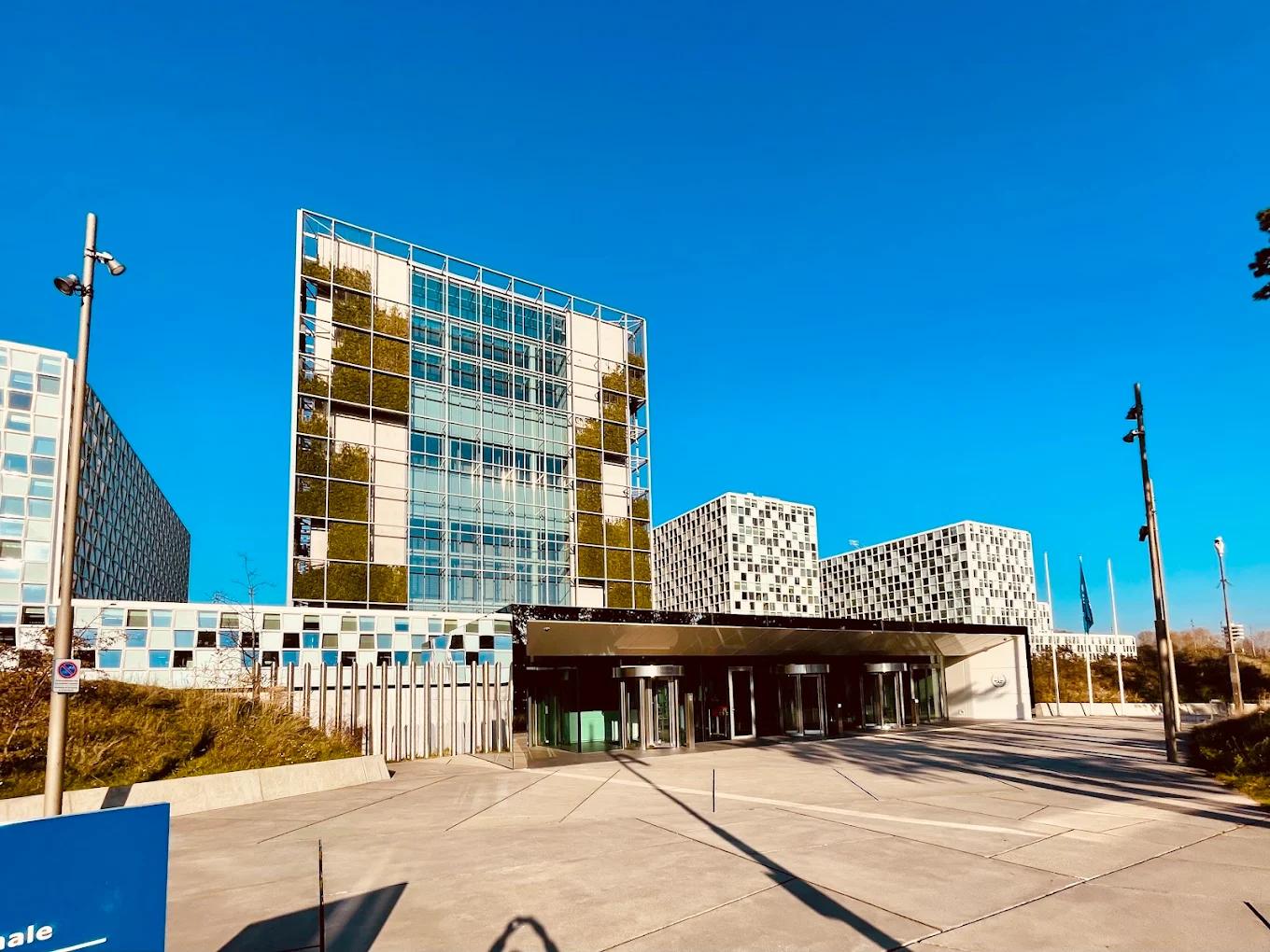
The International Criminal Court in The Hague has faced growing pressure from the US administration, which has imposed sanctions on ICC officials and criticised the court’s jurisdiction. Photo/gambiaj.com