
NZ's billionaires and beneficiaries: Bashing a path to the ballot box?
Thomas Tarurongo WynneFri, 09 Oct

(left to right) Green Party MP Ricardo Menéndez March, Immigration Minister Erica Stanford and academic Lupematasila Misatauveve Dr Melani Anae.
Photo/Supplied
A Cabinet paper warns new powers could have a disproportionate impact on Pacific communities, sparking debate among MPs and academics.




A Cabinet paper released by the government on the Immigration (Enhances Risk Management) Amendment Bill warns Pacific nationals are historically more likely to be liable for deportation.
The paper also notes that expanding immigration officers’ powers to request identification “may be liable for disproportionate impact” on Pacific people.
The document highlights this risk because groups more likely to be subject to immigration enforcement may be more affected by the proposed changes.
The bill passed its first reading in Parliament on Thursday. Academic and Polynesian Panther, Lupematasila Misatauveve Dr Melani Anae, says the move reflects a troubling continuity in the way Pacific people are framed in immigration politics.
“The overstay crisis of the 1970s reveals how immigration can become a powerful symbolic issue in national politics,” Lupematasila told PMN News. “What I'm really wanting to focus on is trying to demolish the stigma of the Pacific overstayer.”
The Cabinet paper, dated June 2025, sets out six key proposals for the bill. This includes giving immigration officers the power to request identification from suspected overstayers, extending deportation rules, and increasing penalties for migrant exploitation.
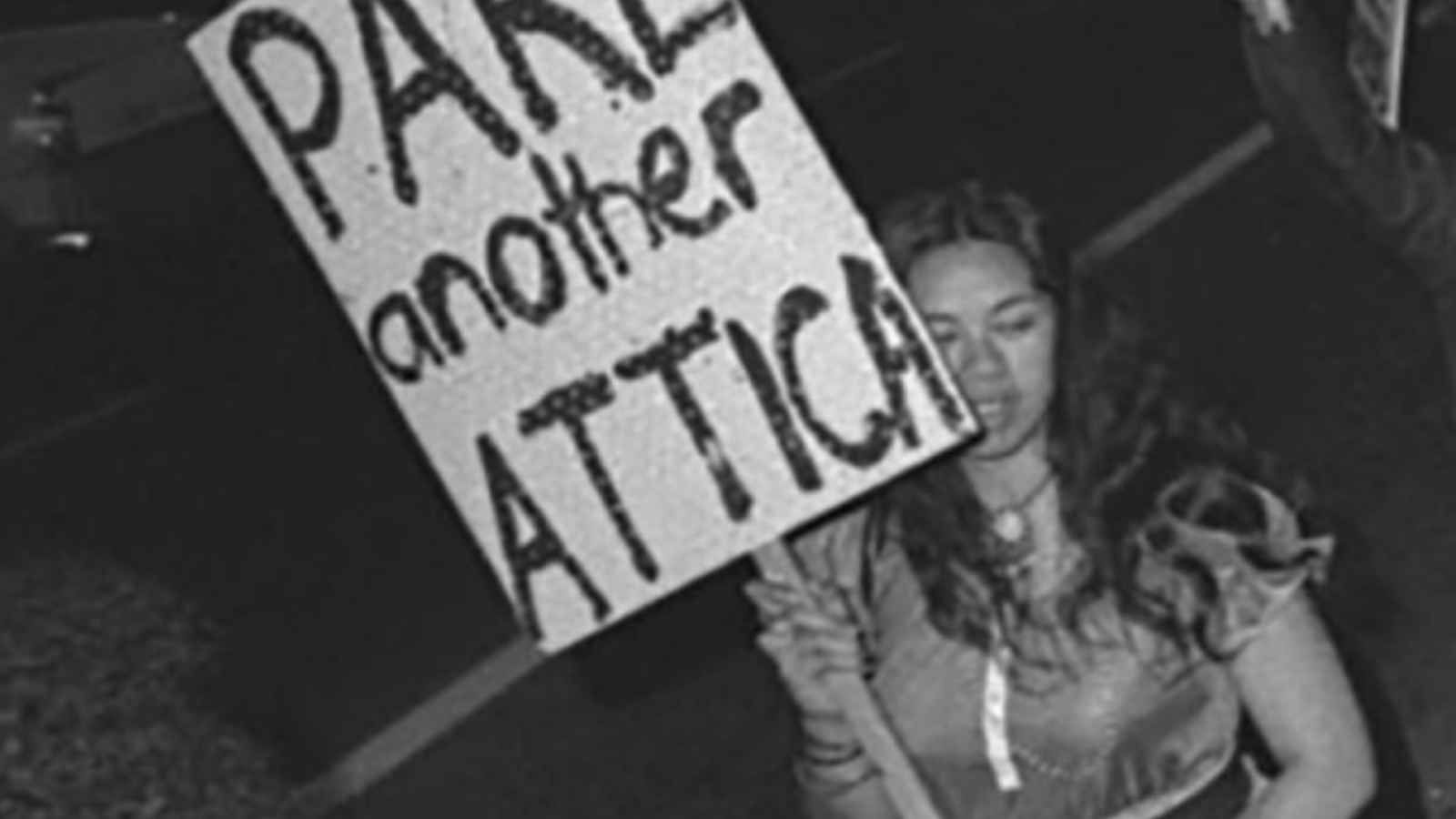
Lupematasila Misatauveve Dr Melani Anae, QSO is Associate Professor in Pacific Studies at the University of Auckland. Photo/Supplied
The paper says it would make it easier for officers to seek identity information in “situations of concern”, including during site visits.
The paper adds the expanded powers could therefore fall disproportionately on Pacific people.
Immigration Minister Erica Stanford rejected the idea that the bill targets Pacific communities. She described it as a “really small technical change”.
Listen to Anae Arthur Anae's interview following the government's cutting of visitor visa fees below.
“We have immigration officers who are going about their daily business, they will come across people who are hiding, who are jumping out windows or escaping at the moment, they technically are unable to ask them for their identification documents,” Stanford says.
“This is not about randomly stopping people on the street or targeting them because of their ethnicity. This is a particular behaviour in a particular situation and it was a request from immigration officials for that change.”
Stanford said safeguards had been strengthened under her watch, including requiring warrants for out-of-hours compliance visits and she welcomed scrutiny through the select committee process where the bill will now be examined in more detail.
But Green Party MP Ricardo Menéndez March described the bill as scapegoating migrant communities, including Pacific people who still carry the intergenerational legacy of the Dawn Raids.
“The government is taking a Trump-like approach to immigration by targeting undocumented migrants, including our Pacific communities who have already faced the intergenerational damage of the dawn raids,” March told PMN News.
“We need to dump this bill and focus on honouring the human rights of our migrant communities.”
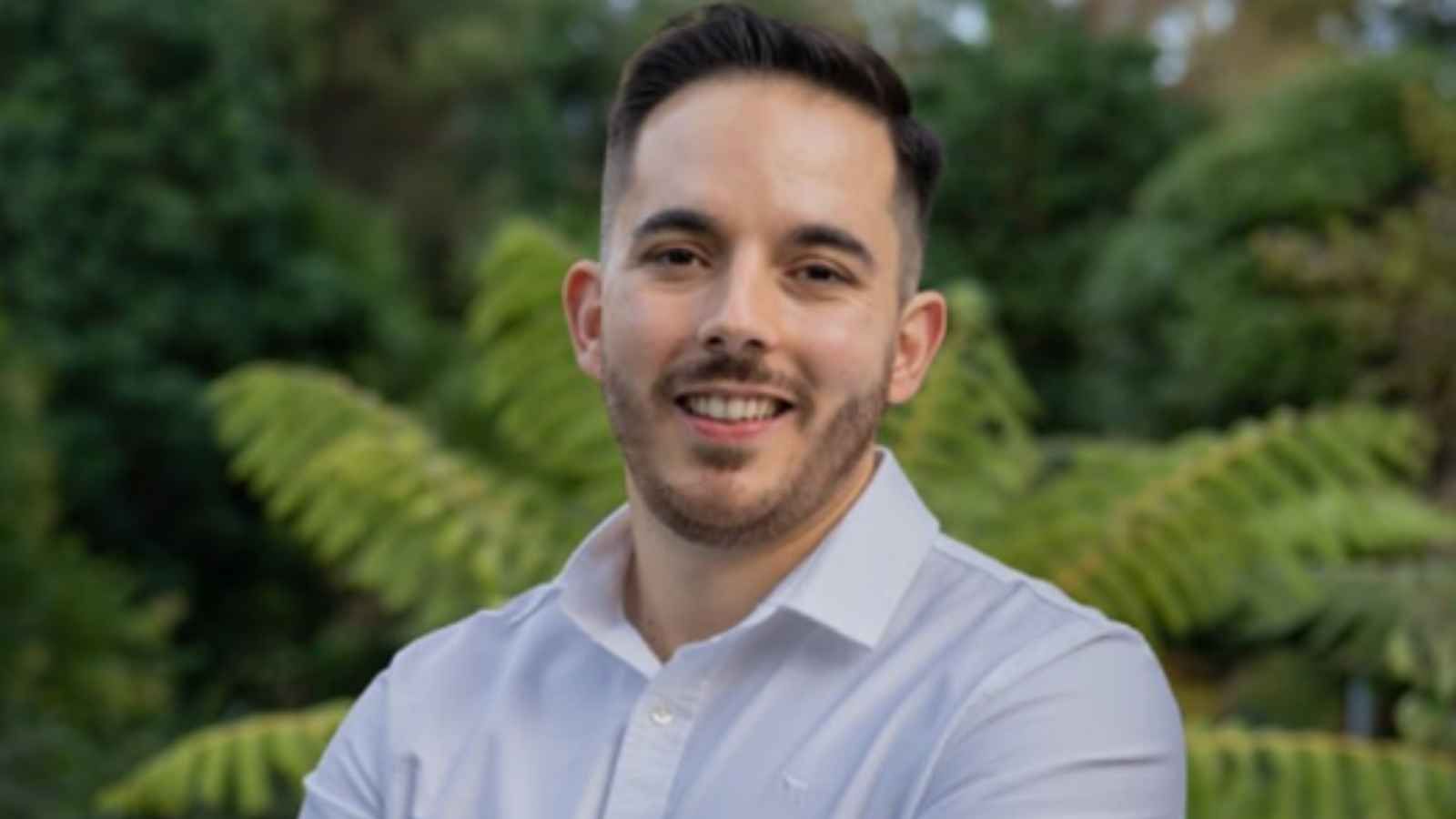
Ricardo Menéndez March is the Green party's spokesperson for immigration. Photo/Supplied
He also rejected political claims suggesting overstayers are straining schools and hospitals.
“Luxon needs to take a history book and learn about our history,” he said. “The dawn raids were a shameful part of our New Zealand history.
“We need to do better than to try and copy Trump-like approaches to immigration that have divided communities and separated families.”
Lupematasila pointed to the 2021 Heron Report, which dismantled the old rationale for aggressive immigration crackdowns.
“Its findings are unequivocal,” she told PMN News. “Overstaying in contemporary Aotearoa is neither large in scale nor concentrated within Pacific communities.
“Those who do overstay are overwhelmingly low risk and their non-compliance is typically administrative and short-term.”

A review by senior lawyer Mike Heron was launched in May 2023 after it was revealed out-of-hours immigration visits were still being used and targeting Pacific overstayers, despite an official apology less than two years earlier. Photo/Supplied/RNZ/Samuel Rillstone
For Lupematasila, the first reading should now serve as a call for Pacific communities to engage with the select committee process and challenge the assumptions underlying the legislation.
“Racism lives in legislation,” she said. “So this is one example of how the apology, the dawn raid apology, was toothless because the legislation didn't follow.
“Nothing's changed. Institutional racism still exists until we change the laws and policies which are harmful to some groups of people.”