High blood pressure a silent killer, Solomon Islands calls for stronger action
Lachlan EddieFri, 23 Oct
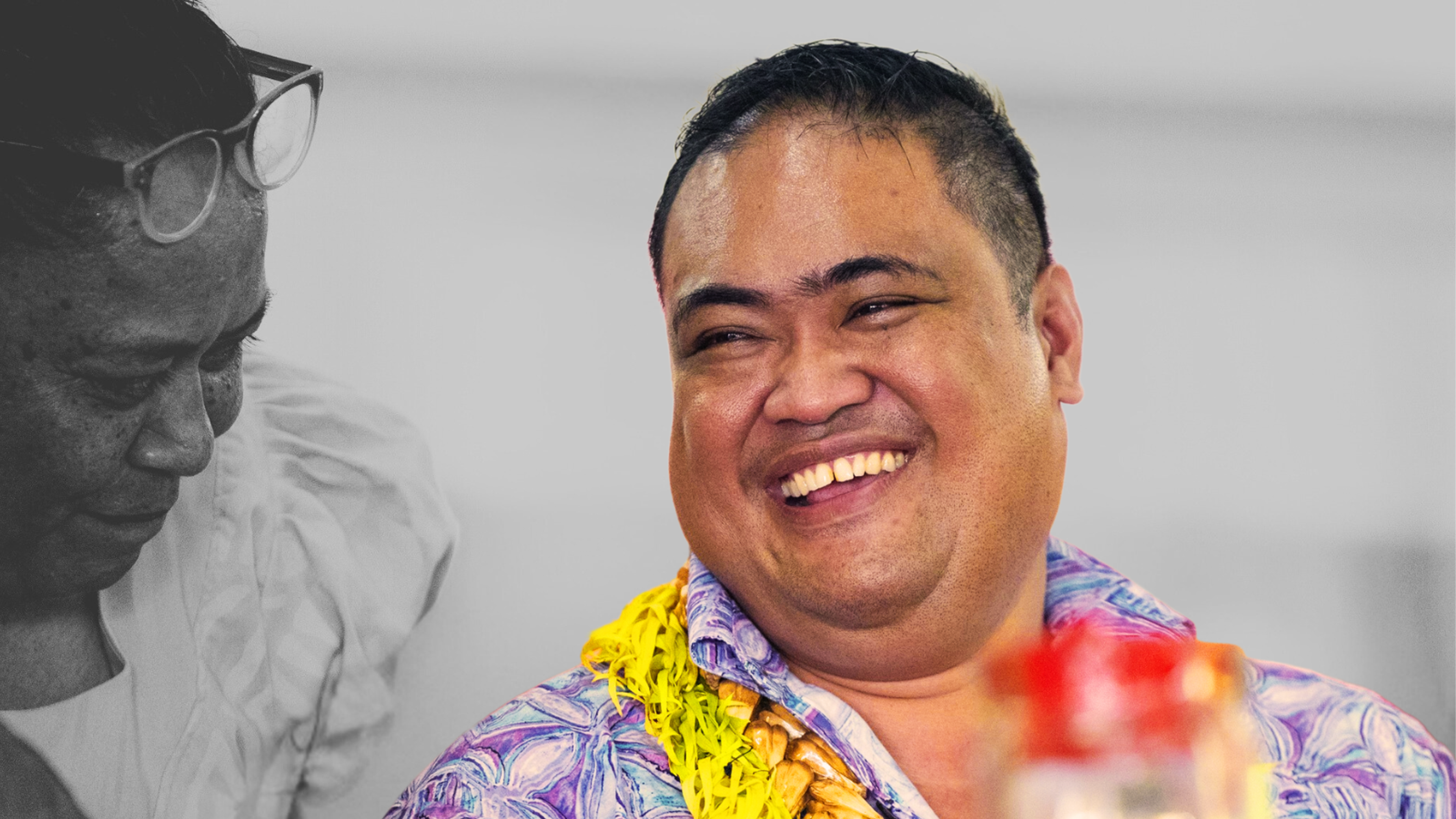
Minister of Women, Community and Social Development, Moefaauouo Julius Ah Kui Tafunai has defended the selection process for chairpersons for the Fono Fa'avae.
Photo/Government of Sāmoa
Critics warn reforms to the Fono Fa’avae risk sidelining local voices as the government defends its appointments.
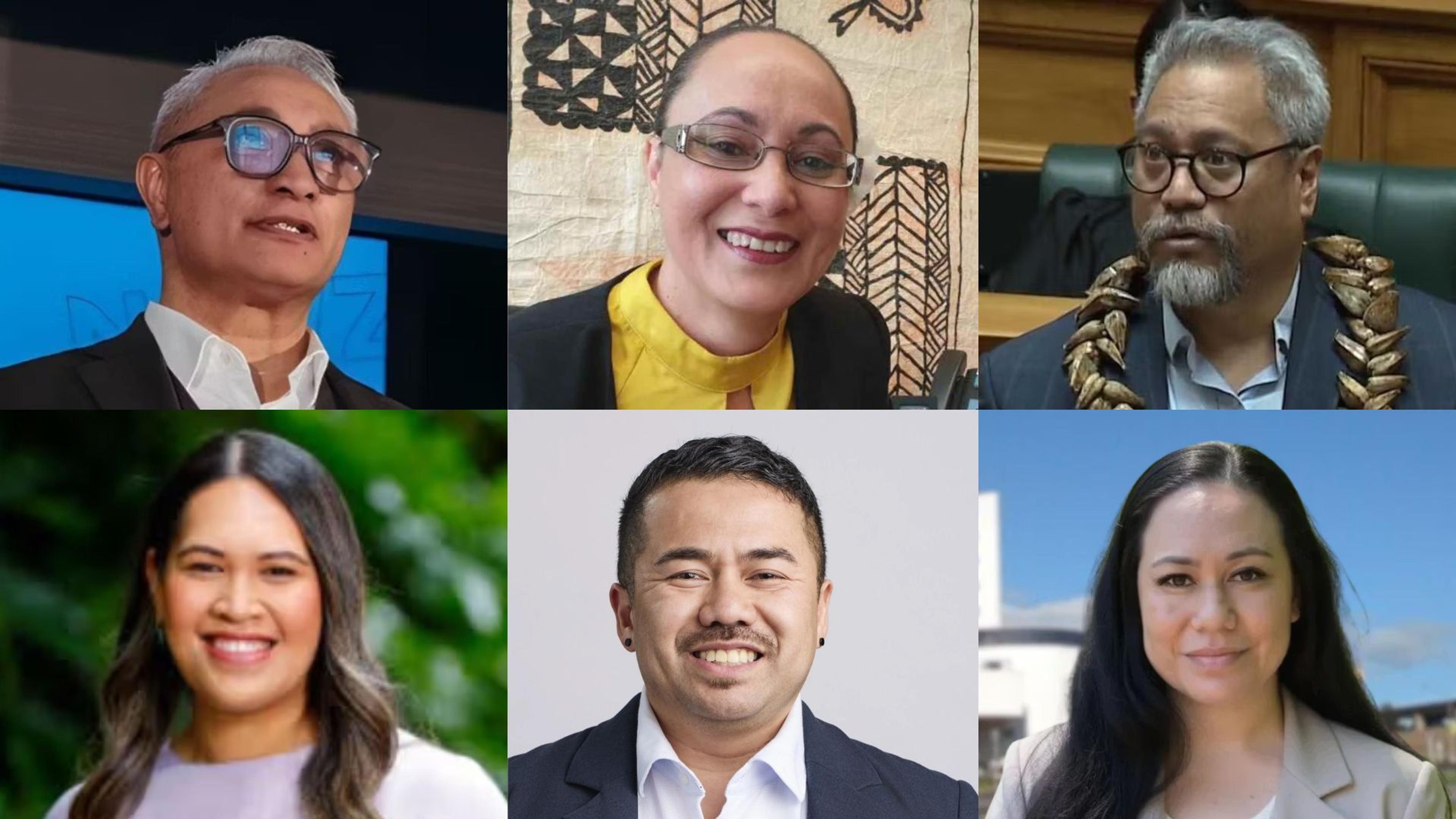


A growing dispute over Sāmoa’s District Development Programme (DDP) or Fono Fa’avae has revealed a deeper struggle over authority, as the government, opposition MPs, and village leaders offer sharply different accounts of who controls decision-making at the district level.
At the centre is the Fono Fa‘avae, which manages NZ$1.1 million (ST$1.8m) for each of Sāmoa’s 51 districts and plays a key role in grassroots development.
The Faatuatua i le Atua Sāmoa ua Tasi (FAST) government says changes to district chair appointments aim to protect public money and strengthen accountability.
Opposition MPs and some village councils argue the reforms centralise power in Cabinet and sideline district consent.
Village councils (Alii ma Faipule) are recognised under Sāmoan custom and the Constitution. They are not statutory bodies but play a central role in local leadership and collective decision-making alongside national law.
The dispute became public in January when village chiefs from Fa‘asaleleaga II challenged Prime Minister Laaulialemalietoa Leuatea Polataivao Schmidt over appointing former MP Magele Sekati Fiaui as district chairperson.
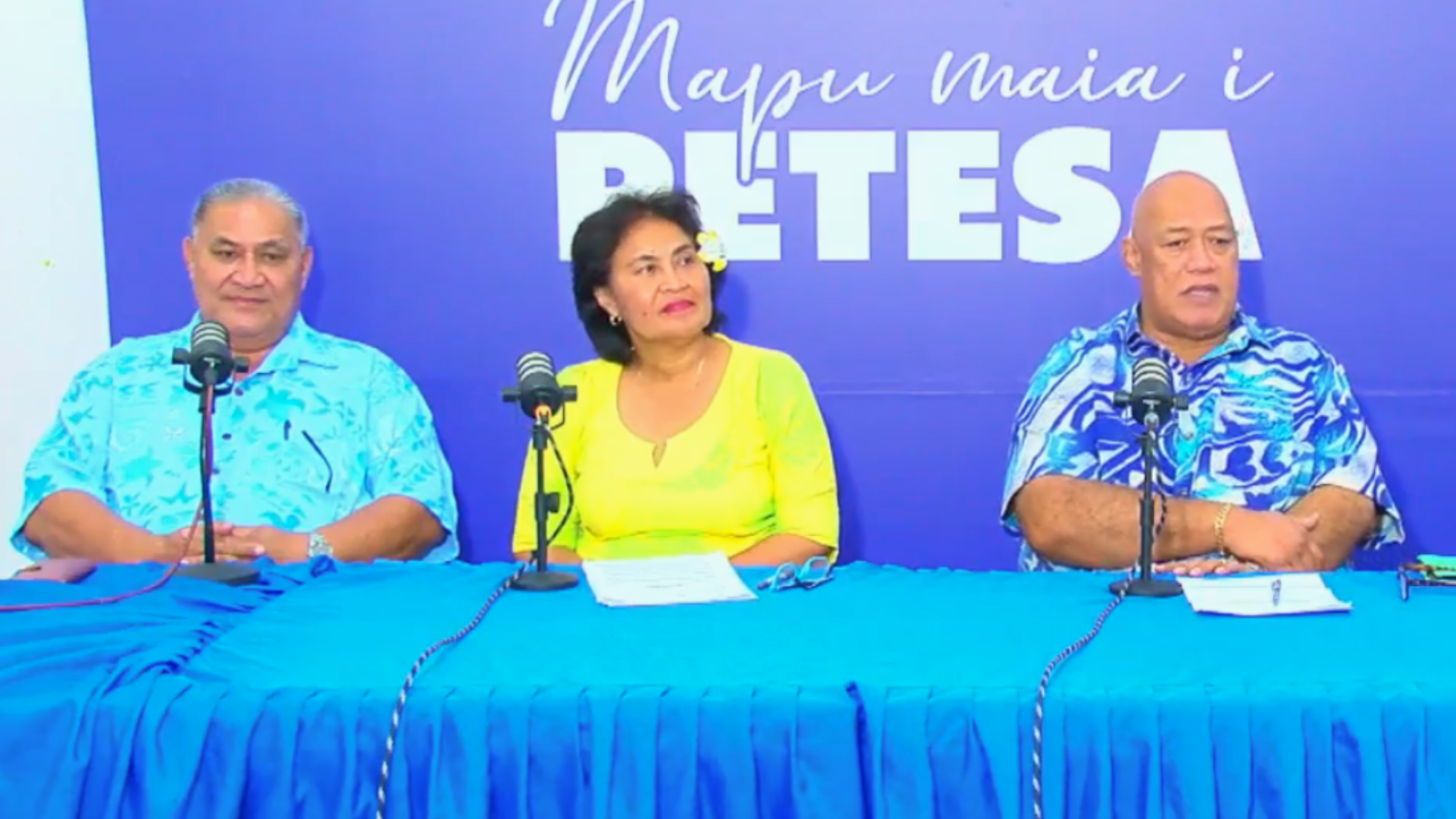
HRPP MPs (L-R) Vaaelua Senetenari Samau, Aeau Tima Leavai, Lealailepule Rimoni Aiafi. Photo/Facebook
The chiefs cited a lack of district consent and undermined village authority.
Minister for Women, Community and Social Development, Moefaauouo Julius Ah Kui Tafunai, rejected allegations of wrongdoing and warned that district resistance would not halt the programme.
Speaking to local media on Monday, Moefaauouo said the ministry held no records of Magele committing a criminal offence, distinguishing this from the electoral court’s findings in November 2025 that Magele breached electoral law by using Fono Fa‘avae funds to induce voters during the August general election. The court found his conduct classified as bribery under electoral legislation.

Former MP of Faasaleleaga II, who is also the current chairperson for the district's Fono Fa'avae - Magele Sekati Fiaui. Photo/FAST
“There is no record in this ministry of Magele having broken the law,” Moefaauouo told reporters. “The comments about him having improperly used Fono Fa‘avae funds are wrong. It was just the timing of his use of the funds under the programme.”
He acknowledged governance gaps around district funds and office closures during elections and said remedial measures are now being introduced.
Moefaauouo was clear that authority ultimately lies with the government. He warned funding could be suspended if opposition continued, which would affect more people than just those opposing.
Opposition MPs from the Human Rights Protection Party (HRPP) disputed the minister’s characterisation on a Facebook livestream.
Party secretary Lealailepule Rimoni Aiafi said several HRPP MPs applied for the chairperson role and attended interviews, questioning whether the panel had real authority and describing the Prime Minister’s final decision as improper.
Watch (Sāmoan) Minister Moefaauouo's statement about the Fono Fa'avae below:
Falealupo MP Aeau Tima Leavai disputed the minister’s claim that she had only submitted a curriculum vitae (CV), saying she wanted to correct the record amid growing tension in her district.
Fa‘asaleleaga II MP Vaaelua Senetenari Samau confirmed he applied and attended an interview, describing his district’s situation as unique due to opposition to the appointed chairperson.
He said Magele remained banned from the district but had started duties remotely. “There were other applicants,” Vaaelua said. “As far as I can tell, the district would probably take any one of the other applicants over Magele.”
The dispute has escalated beyond political debate. HRPP leader Tuilaepa Sailele Malielegaoi announced last week that the party is pursuing legal action over the Fono Fa‘avae appointment process.
As district funding awaits disbursement, the fight over chairperson appointments has become a test not just of policy but of power: who decides, who consents, and who ultimately controls development at the district level in Sāmoa.
This ongoing clash highlights tensions between national authority and village governance with real consequences for local communities.