
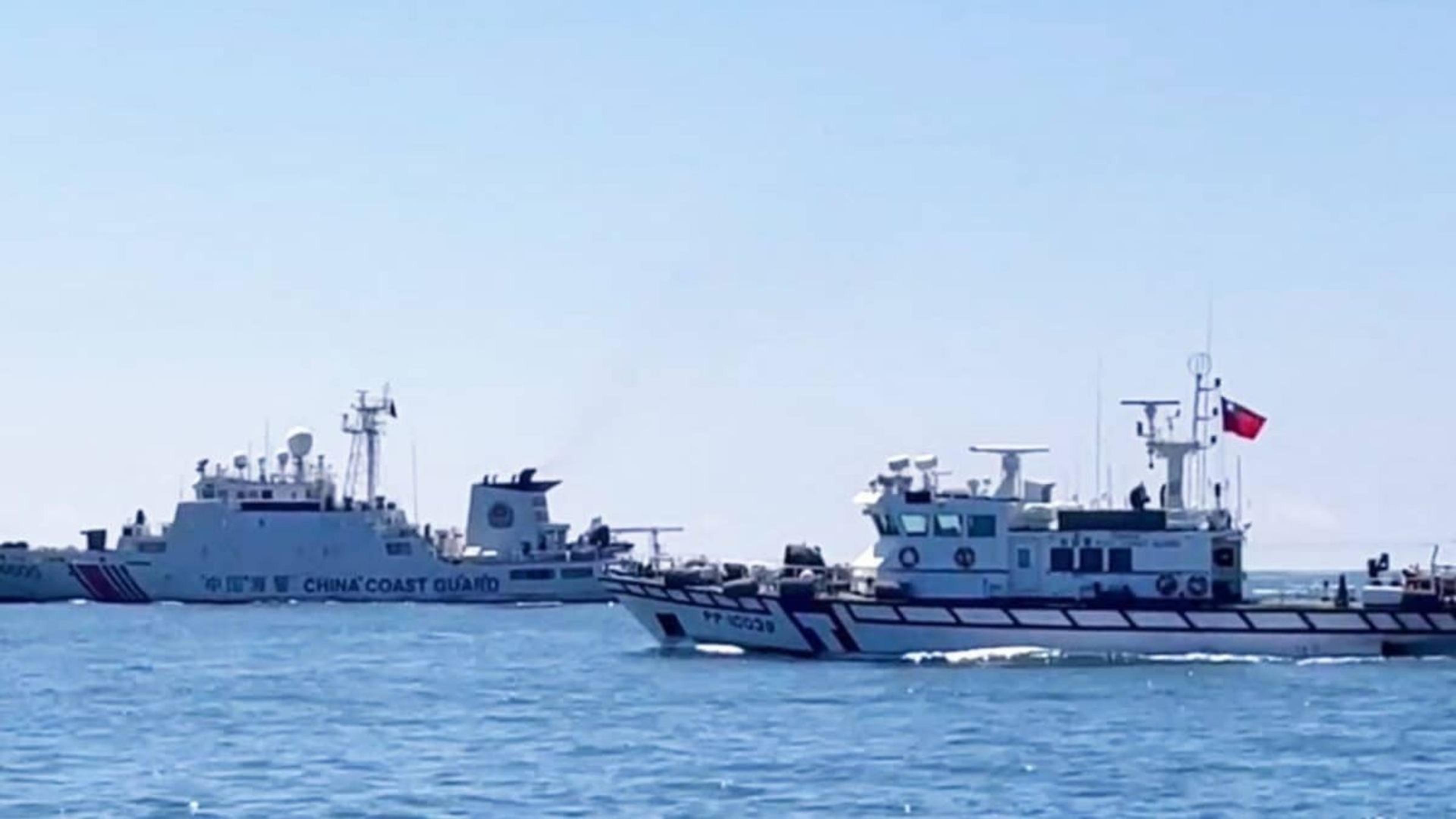
A handout photo from the Taiwan Coast Guard shows a Taiwan Coast Guard patrol vessel, right, sailing near a China Coast Guard ship in waters south of Kinmen.
Photo/Taiwan Coast Guard
Politics
China building coast guard presence in Pacific waters east of Taiwan, analysts say
Repeated Chinese Coast Guard patrols are bringing increased attention to key sea lanes linking Taiwan with the Philippines and the wider Pacific.

Christine Rovoi
Published
16 September 2026, 10:52am
Share
Copy Link
Top stories

World Vision warns children will pay for aid cuts beyond the Pacific
Thomas Tarurongo WynneMon, 12 Oct

Mate Ma’a Tonga’s 40-year legacy lives on through generations
Elton Lonaratha JnrMon, 12 Oct

David Seymour wants tougher welfare rule as Labour targets hidden costs in 2026 election
Thomas Tarurongo WynneFri, 09 Oct
Top stories
World Vision warns children will pay for aid cuts beyond the Pacific
Thomas Tarurongo WynneMon, 12 Oct
Mate Ma’a Tonga’s 40-year legacy lives on through generations
Elton Lonaratha JnrMon, 12 Oct
David Seymour wants tougher welfare rule as Labour targets hidden costs in 2026 election
Thomas Tarurongo WynneFri, 09 Oct
China is building what analysts say could become a lasting coast guard presence in the Pacific waters east of Taiwan.
This comes as new Chinese vessels have been rotating into the area about once a month since June.
The latest patrol began in early September and continues a pattern that has seen pairs of Chinese Coast Guard ships replaced roughly every four weeks.
Beijing says the patrols are routine law enforcement aimed at protecting navigation and Chinese maritime interests.
But Taiwan and regional security experts see the growing presence as part of a wider effort to increase China's control over waters around Taiwan.
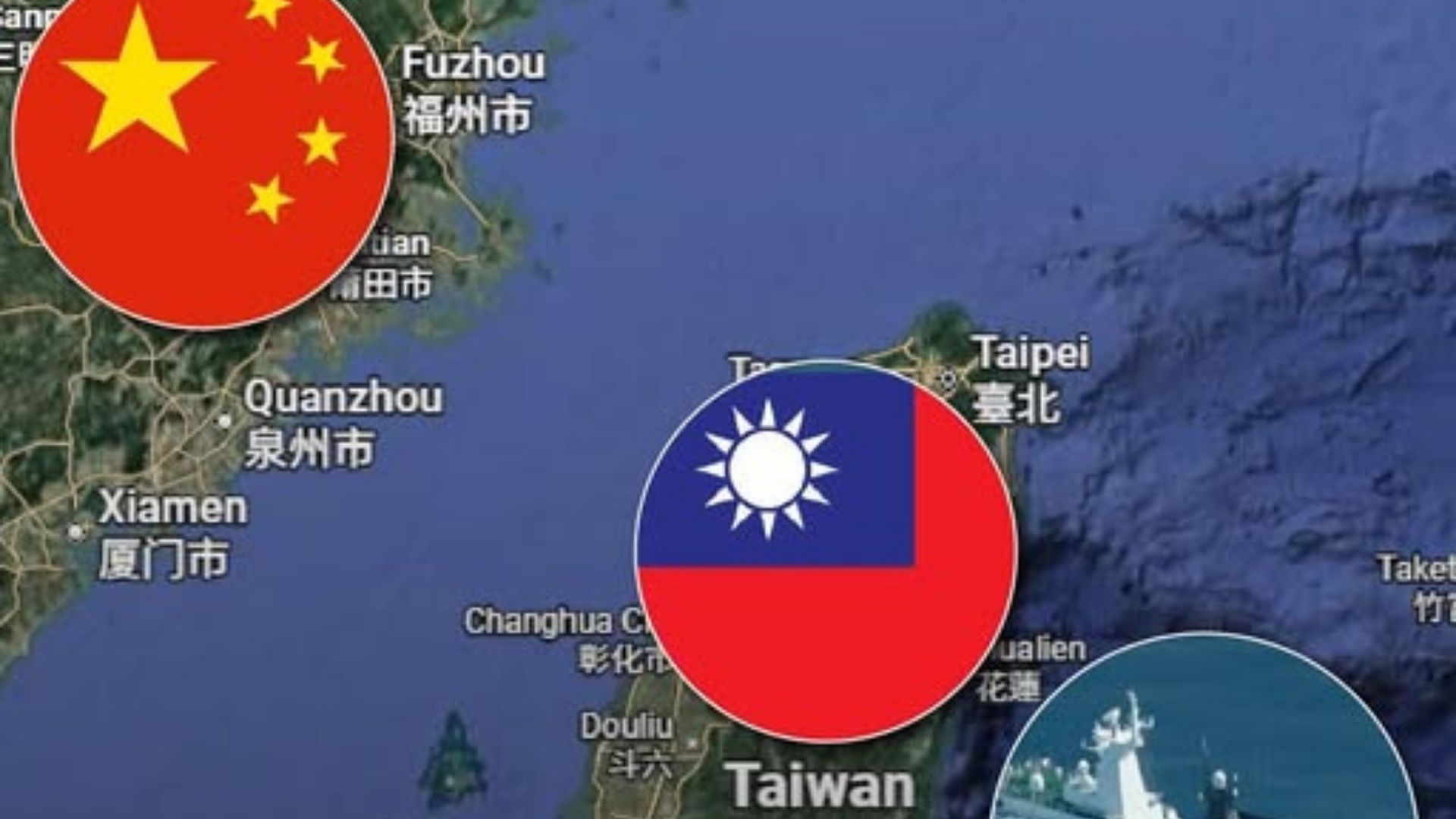
The waters are important well beyond Taiwan. They form a maritime link towards the Philippines and the wider Pacific with major shipping routes carrying oil, gas, iron ore and agricultural products.
Photo/Facebook/AsiaOne
The issue is also being watched closely by Pacific leaders. At the Pacific Islands Forum Leaders Meeting in Palau earlier this month, China’s growing regional influence and its rivalry with Taiwan were among the tensions surrounding the summit.
Beijing objected to Taiwan’s participation and warned of “consequences”, while Pacific leaders stressed the importance of keeping the Forum focused on the region’s own priorities.
The meeting also came as Pacific governments were grappling with wider security concerns including how the region should respond to China’s recent ballistic missile test in the Pacific.
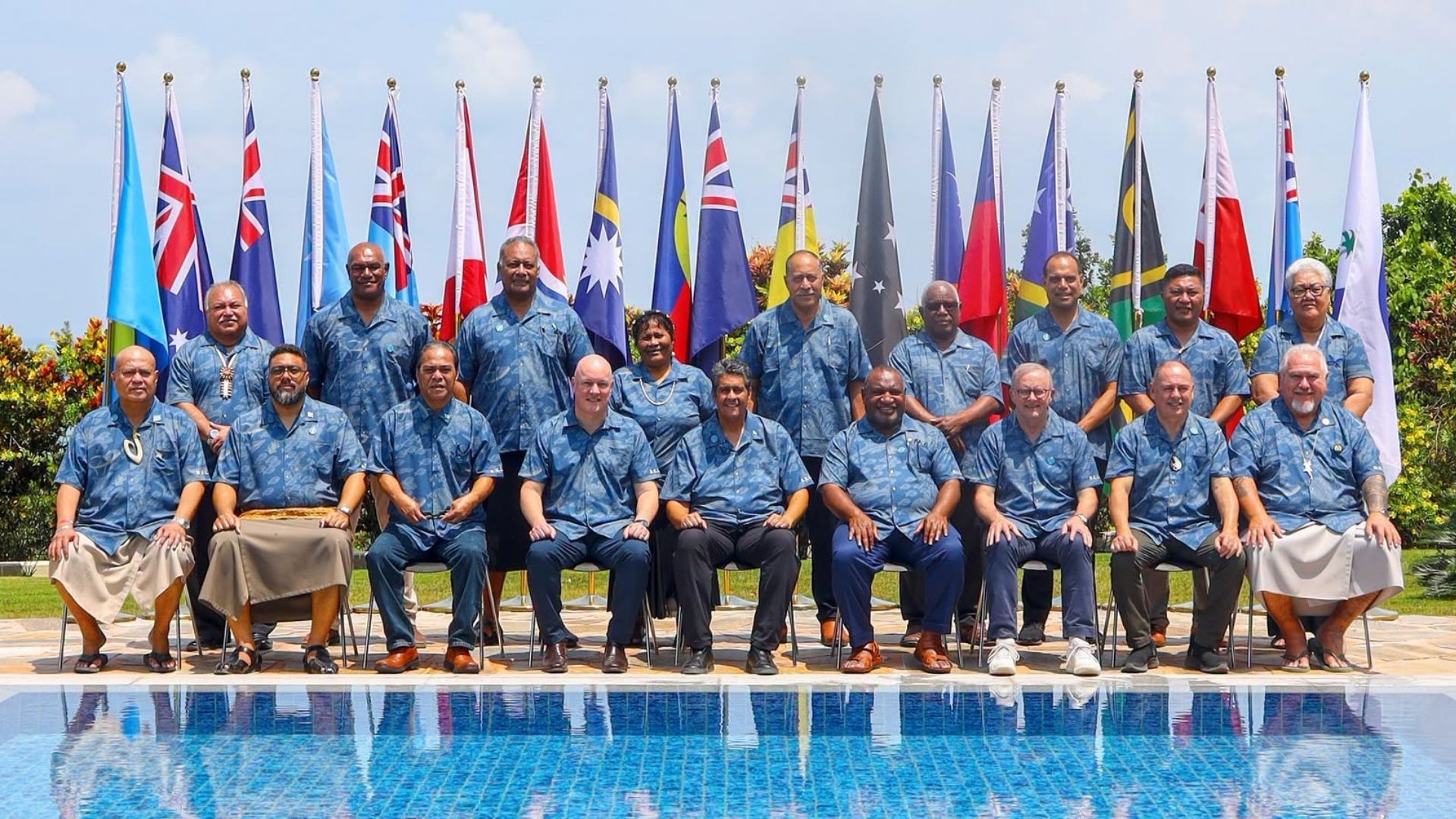
Pacific leaders meet in Palau earlier this month, with regional security and the growing influence of China among issues shaping the wider regional debate. Photo/Pacific Islands Forum
Foreign ministers had failed to reach agreement on a joint response before the leaders met in Palau.
In June this year alone, 527 commercial vessels travelled through waters east of Taiwan, more than the 420 recorded through the generally busier Taiwan Strait, according to MarineTraffic data.
The patrols have covered about 27,100 square nautical miles, an area more than twice the size of Taiwan.
Chinese ships have remained outside waters claimed by Taiwan but have operated as close as 55 kilometres from its eastern coast.
“If the Taiwan Strait is the front door, the eastern waters have often been treated as the back door,” Jing Ge, an instructor at Florida International University, said in a Bloomberg report.
“Beijing wants to demonstrate this back door is no longer uncontested."
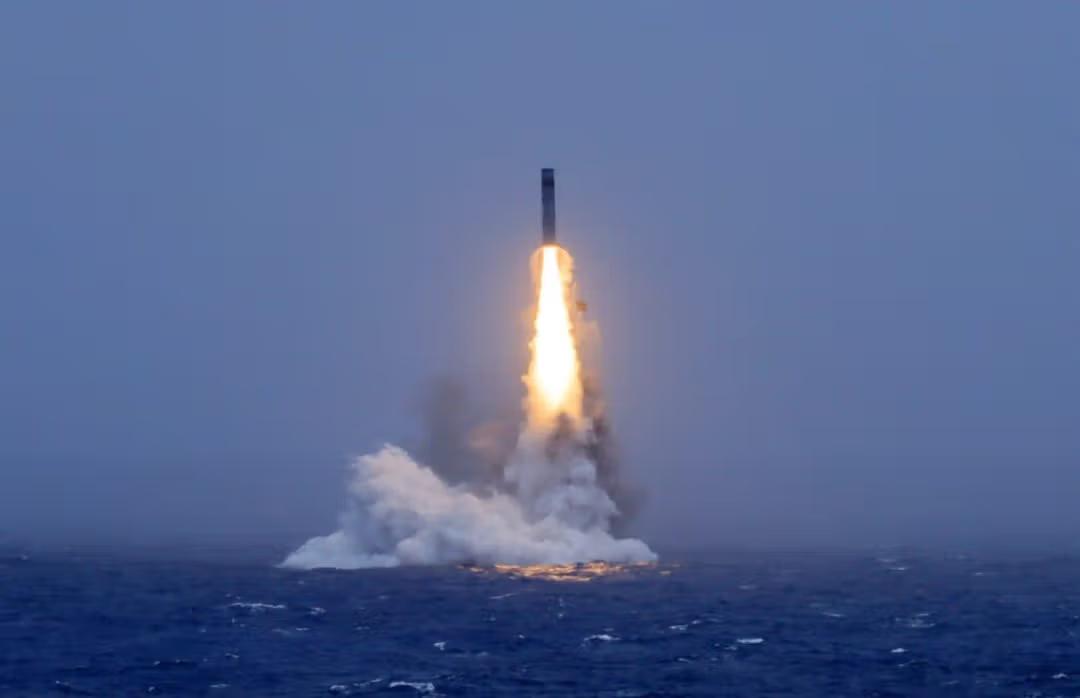
China’s ballistic missile test in the Pacific drew concern from Pacific leaders at the Pacific Islands Forum in Palau, with leaders calling for greater transparency and advance notice of future missile tests. Photo/Instagram
The latest activity follows Japan and the Philippines announcing plans to negotiate their maritime boundary in the region.
China has opposed those talks, saying they interfere with its maritime claims.
“Beijing is using the joint statement issued by Japan and the Philippines as a pretext for greatly expanding its presence in these waters,” Ryan Martinson, assistant professor at the China Maritime Studies Institute of the US Naval War College, told Bloomberg.
But the increased presence goes beyond coast guard patrols.
Chinese research and law enforcement vessels have also been operating east of Taiwan, with a Chinese research ship conducting a seabed survey in August while the coast guard patrolled nearby. Taiwan objected to the activity and sent vessels to monitor the movements.
During a five-day operation in June, Chinese law enforcement vessels also questioned foreign commercial ships travelling along Taiwan's Pacific coast.
Watch Associate Professor of Pacific Studies at Auckland University, Dr Gordon Nanau's interview on Pacific Mornings below.
Chinese state media said 198 vessels were “inspected” although it was not clear what those inspections involved.
Zack Liao, a political risk analyst at the China Strategic Risks Institute, said the concern was what could happen if those interactions became normal.
“If those interactions become routine, the next question is whether Chinese authorities begin to request more information,” he said in the report. “After that, whether they issue navigational instructions.”
China's Coast Guard Law, introduced in 2021, gives the agency broad powers to protect what Beijing defines as Chinese sovereignty, including authorising “all necessary measures, including the use of weapons”.
The United States has described China's actions as “deeply destabilising”.
The wider concern for the Pacific is whether China's repeated presence begins to change how ships and countries operate around one of the region's key maritime routes.
That concern comes as Pacific countries face growing strategic competition from larger powers seeking to strengthen their position in the region.
International law expert Al Gillespie told William Terite on Pacific Mornings that the Pacific risks becoming an area of competition between countries rather than a region able to set its own course.
“It’s also all the other countries in the region that have an interest in trying to maintain a dominance or get position,” he said.
He said the wider goal should be to keep the Pacific from becoming a place where competing powers build up their military presence.
“The goal, as I've always argued, is that we should be trying to demilitarise and make the Pacific neutral. It's in no one's benefit that it ends up being pieces on a chessboard,” Gillespie said.
His comments come as military drones and other security incidents are increasingly testing the boundaries between states.
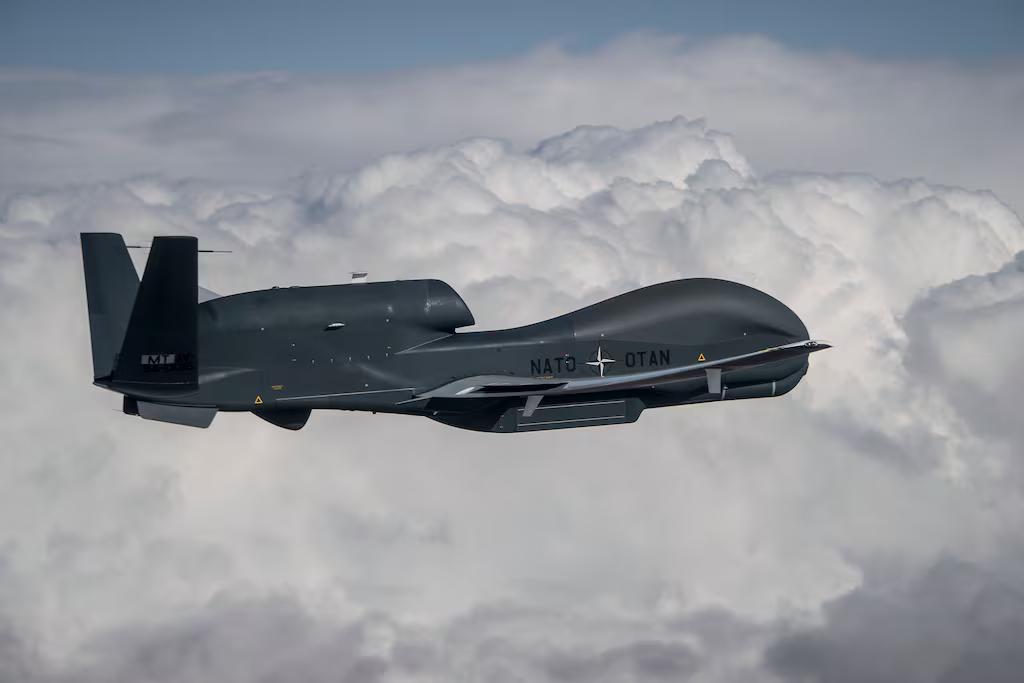
A NATO fighter jet pictured during a military exercise. NATO has stepped up air patrols after a drone entered Lithuanian airspace. Photo/NATO
A North Atlantic Treaty Organization (NATO) fighter jet shot down a drone in Lithuanian airspace this week after it entered from Belarus, while Lithuania said the drone was likely carrying explosives.
Gillespie says incidents like these show the need for clearer international rules around drones.
“It's part of a pattern which would suggest escalation, but it's carefully orchestrated so it should not result in conflict. But it's definitely testing the boundaries.”
“But what you need to be focusing on is to ensure that there are much stronger rules so that you don't accidentally fall into conflict.”
He says existing rules covering aircraft and vessels do not adequately address the growing use of drones.
“We have rules with regards to air to air incursions with regards to pilots and boats to boat, but we need more rules with regards to drones.”
Listen to Al Gillespie's full interview below.
“What Beijing is testing east of Taiwan is whether it can gradually rewrite expectations about who governs navigation and maritime order in the Western Pacific,” Liao said.
“That means the response should also be international.”
The latest patrol continues a pattern of Chinese Coast Guard vessels operating in the waters east of Taiwan since June.
This story has been updated to include Al Gillespie's comments on the NATO drone incident in Lithuania airspace this week.