Online vault aims to return Pacific research to the community
Aui'a Vaimaila Leatinu'uWed, 21 Oct
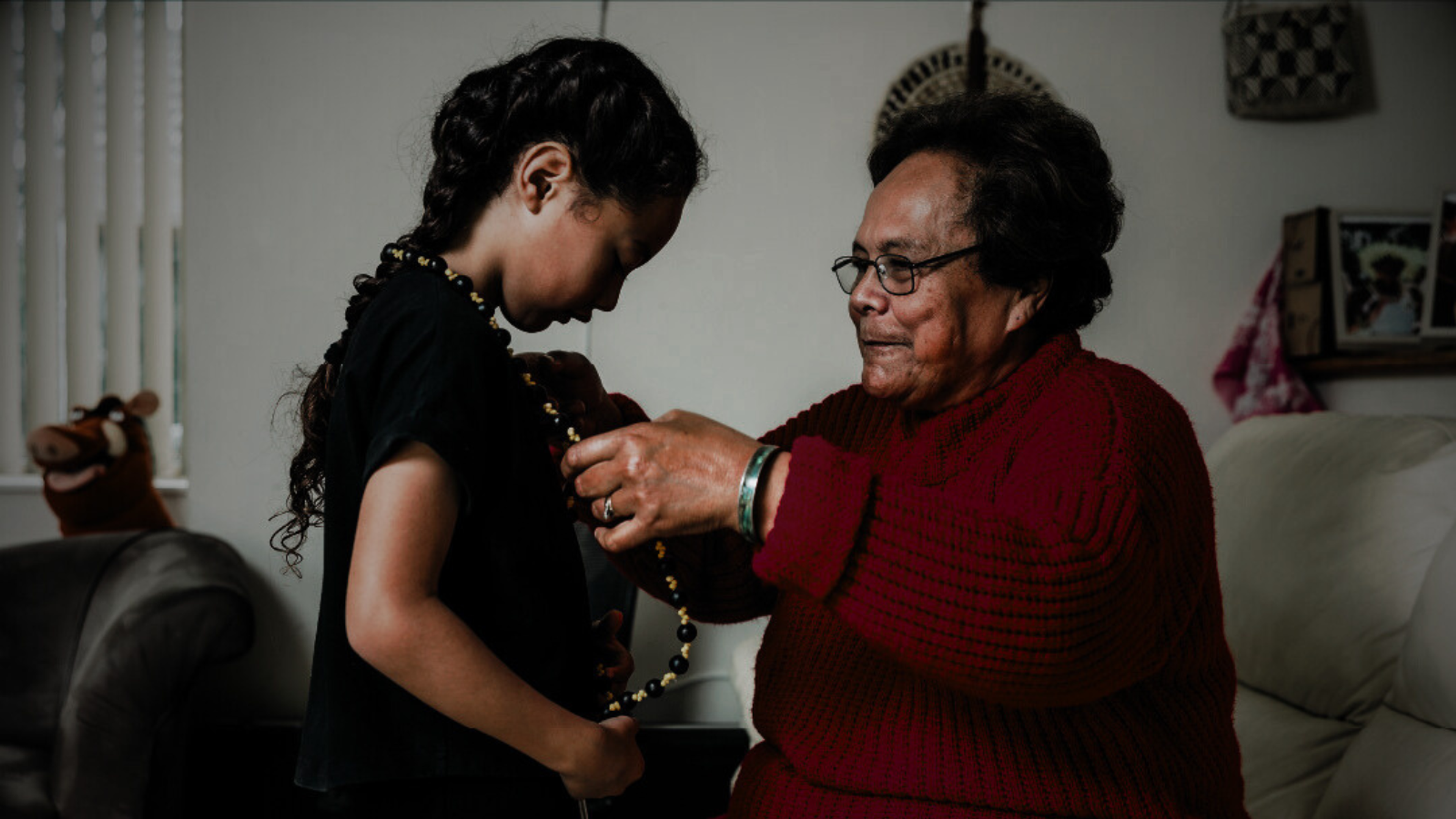
Health and community leaders say Budget 2026 still leaves Māori, Pacific and low-income families carrying the pressure of rising living costs, housing stress and stretched health services.
Photo/Supplied/file
Health and community leaders warn the Government is investing too late while communities continue to struggle with housing, healthcare, and food insecurity.




Health and community groups say the Government’s Budget 2026 has missed a major chance to invest in prevention and long-term support for families already under pressure from the rising cost of living.
While organisations welcomed some targeted support announced by Finance Minister Nicola Willis in Parliament on Thursday, they say Māori, Pacific, rural, and low-income communities are still being left to carry the heaviest burden.
Māori public health organisation Hāpai Te Hauora says the Budget focuses too much on responding to crisis instead of stopping problems before they grow worse.
Jacqui Harema, its chief executive, says communities have spent the past year calling for stronger investment in prevention, warm homes, safe sleep support, healthy food, and Māori-led solutions.
“Solutions already exist and communities across Aotearoa are leading them every day,” Harema says in a statement. “What’s missing is a Budget that will back them.”
The organisation welcomed funding for frontline services, climate resilience and extended postnatal hospital stays for new mothers, saying these could help strengthen early support for whānau through safe sleep planning, breastfeeding support and kaupapa Māori antenatal education.
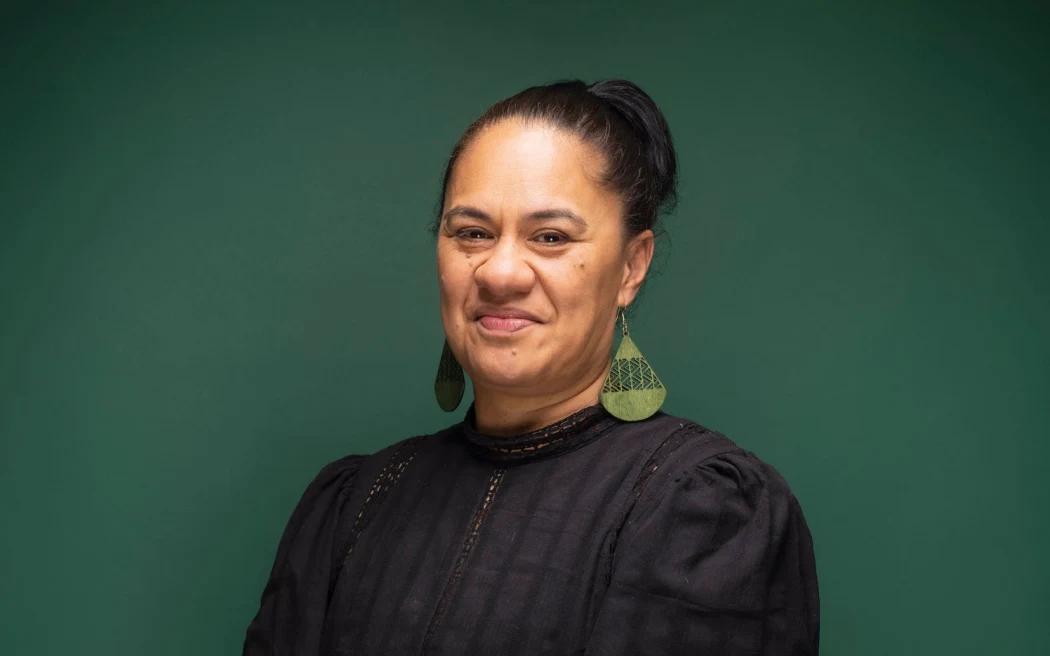
Hāpai Te Hauora chief executive Jacqui Harema says Budget 2026 focuses too heavily on responding to crisis instead of backing long-term prevention and Māori-led solutions. Photo/Supplied
Hāpai Te Hauora also supported the continuation of healthy school lunches especially as many families continue to struggle with food costs.
But Harema says the Budget still falls short where it matters most.
“We heard about investment in frontline services," she said. "But critical gaps remain. Without funding the preventative measures that keep people out of those services in the first place, what is being treated are symptoms, not causes.”
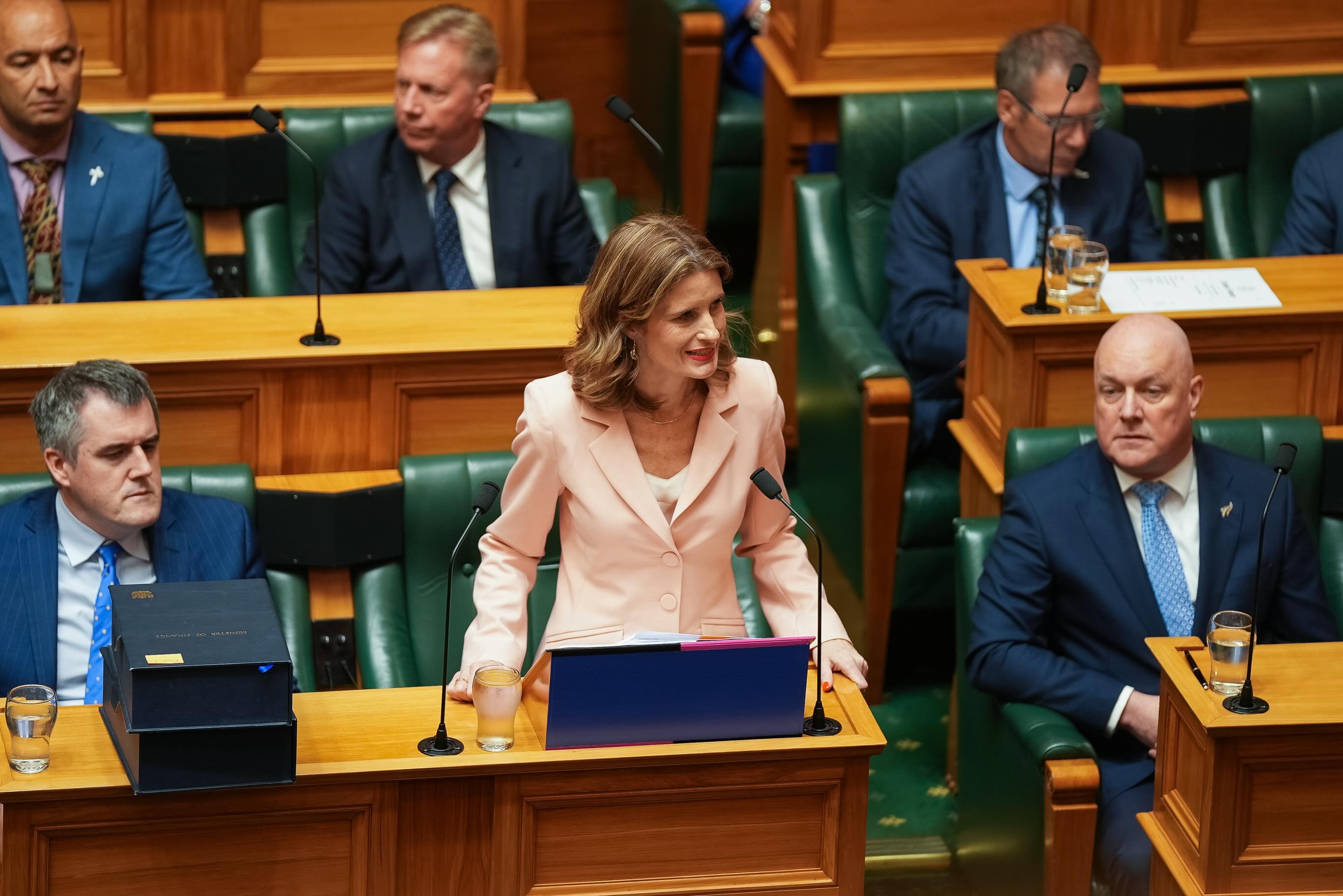
Finance Minister Nicola Willis unveiled Budget 2026 on Thursday, with community groups warning more investment is needed in prevention and frontline support. Photo/Facebook
The organisation says homelessness, unsafe housing and growing pressure on the health system continue to hit Māori and Pacific communities hard.
“Budgets reflect priorities,” Harema says. “If prevention, whānau wellbeing and Māori-led solutions are continually under-prioritised, communities feel that in very real ways.”
In the South Island, WellSouth Primary Health Network says rural communities have again been overlooked.
Andrew Swanson-Dobbs, WellSouth chief executive, says most of the new health funding has gone into hospitals and specialist care instead of local GP clinics and frontline primary care services.
“For Otago and Southland, where rural general practice makes up more than half, that imbalance is not just a funding question - it is a matter of access,” his statement read.
“A Budget like this means longer waits, longer distances, more barriers, worse outcomes.”

WellSouth chief executive Andrew Swanson-Dobbs says rural communities will face longer waits and growing barriers to healthcare if primary care continues to be underfunded. Photo/WellSouth NZ
Swanson-Dobbs says rural clinics are often the first and most accessible point of care for families, including Pacific communities living outside the main centres.
He welcomed the removal of the $5 prescription fee for Community Services Card holders and plans for 53,000 extra GP enrolments but warned there may not be enough healthcare workers to meet demand.
“Access means nothing if no one is available to see you!”
Meanwhile, Health Coalition Aotearoa says the Government’s decision to fund school lunches for only one more year creates ongoing uncertainty for schools, providers, and families relying on the programme.
The coalition says too many children are still going hungry with child hardship levels remaining unchanged.
Professor Boyd Swinburn, the coalition's co-chair, says only about 40 per cent of children living in food-insecure households are currently receiving free school lunches.
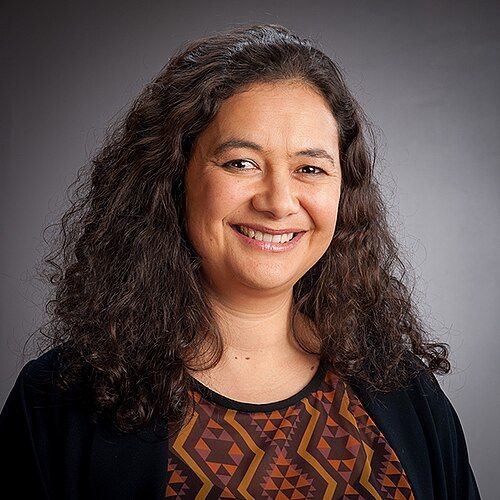
Health Coalition Aotearoa co-chair Professor Lisa Te Morenga says children deserve healthier and more nutritious school lunches delivered with dignity and long-term certainty. Photo/Victoria University of Wellington/Gerry Keating
“It is good that the Healthy School Lunch programme has not been stopped because it is a powerful tool for improving food security, child nutrition and educational outcomes,” her press release stated.
“But kicking the can down the road on permanent funding is bad news for schools and food providers.”
Professor Lisa Te Morenga, another coalition official, says the current lunches are failing many students.
“The lunches are so bad that tamariki say it’s embarrassing to be seen to be desperate enough to eat them,” she says.
Watch Pacific economist Filipo Katavake McGrath's full interview on the Budget below.
“Yet, bad as they are, plenty of students are asking, in private, at the end of the school day, to take the leftovers home.”
She says children deserve better. “You don’t grow an economy by starving its future workers.”
The reactions add to growing concern from health and community groups that Budget 2026 does not go far enough to ease the pressure facing Māori, Pacific, and low-income families already struggling with housing, healthcare, and the rising cost of living.