
New Zealand First's Winston Peters and the Greens Teanau Tuiono are at odds over the new Employment Leave Bill; Tuiono accused NZ First of "cos-playing" being pro-worker.
Photo/PMN Composite
Politics
New rules could leave Pacific workers with less time off - union
New Zealand’s leave system has passed into law but critics say the changes could hit Pasifika hardest because many are in part-time and casual jobs.

Andre Fa'aoso
Published
30 July 2026, 5:43pm
Share
Copy Link
Top stories
From Ōtara, NZ to Los Angeles: David Liti lifts up the next generation
Elton Lonaratha JnrMon, 19 Oct

Washington warnings mount as four Pacific nations risk loss of US aid
Christine RovoiTue, 20 Oct
'Watch out': Silver Ferns issue clear warning to Diamonds ahead of Christchurch clash
Brooke FonotiMon, 19 Oct
Top stories
From Ōtara, NZ to Los Angeles: David Liti lifts up the next generation
Elton Lonaratha JnrMon, 19 Oct
Washington warnings mount as four Pacific nations risk loss of US aid
Christine RovoiTue, 20 Oct
'Watch out': Silver Ferns issue clear warning to Diamonds ahead of Christchurch clash
Brooke FonotiMon, 19 Oct
Changes to New Zealand’s leave system could leave thousands of workers with fewer paid days off, with Pacific workers among those most affected, according to the Public Service Association.
On Wednesday, the government replaced the 2003 Holidays Act with the new Employment Leave Bill. The change means annual leave will now be accrued over hours, instead of days.
Extra and casual hours will no longer increase annual or sick leave entitlements; instead, employers will pay a 12.5 percent leave top-up on those hours.
The government says the new system will make leave rules simpler, but the Public Service Association (PSA) says it could create financial pressure for workers who are already struggling with the cost of living.
In an interview on Pacific Mornings, PSA spokesperson Grace Millar said the changes could effectively mean a pay cut for some workers and make it harder for people to take time off.
"A lot of people aren't going to be able to afford to take leave. And what that's going to mean is that people are going to go to work sick because they will get paid less if they go on leave, she said.
Watch the full interview with PSA spokesperson Grace Millar below.
Millar said Pacific workers could be hit harder because many are employed in industries where part-time and casual work is common.
"Pacific workers will be particularly hard hit because they do work in areas that are most likely to be affected,” she said.
The PSA estimates about 200,000 workers could be affected by the changes, which will be introduced over a two-year transition period.
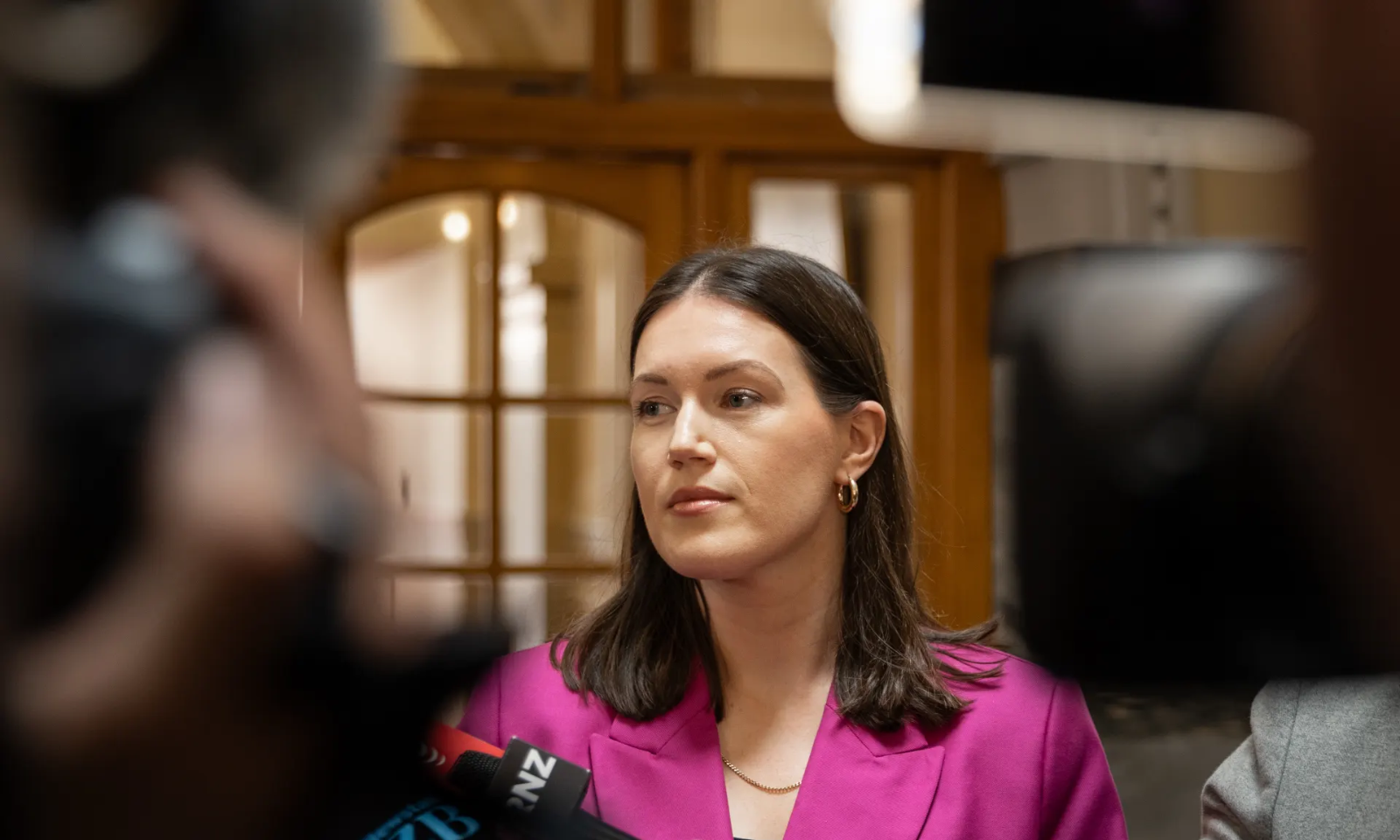
Brooke Van Velden defended the Employment Leave Bill saying it will make leave entitlement calculations simpler for employers. Photo/RNZ
Green Party MP Teanau Tuiono said the new rules would unfairly impact Pacific communities where many workers are in jobs with irregular hours.
"This is a completely anti-work government. And in this case, they're punishing part-time workers and casual workers.
"The Employment Leave Bill will disproportionately impact Pacific workers. It just will. Many of our people in our communities are in those part-time jobs, are in those jobs with casual hours, which will be impacted."
Tuiono also criticised New Zealand First, accusing the party of presenting itself as supportive of workers while backing the government’s changes.
"You have New Zealand First, in particular, cosplaying as pretending that they're here to support workers. Well, they have not demonstrated that at all," he said.
Workplace Relations and Safety Minister Brooke Van Velden defended the changes, saying the new system delivers a long-overdue overhaul of New Zealand’s leave laws.
Listen to the full interview with Teanau Tuiono
Speaking in Parliament, Van Velden said the Holidays Act 2003 had become too complex and difficult for workers and employers to navigate.
"With this bill, we are delivering long-overdue reform to one of the most complex and problematic areas of our employment law: the Holidays Act 2003," she said.
Van Velden said the new system would simplify how leave is calculated by replacing multiple calculations with a single hourly rate based on a worker’s current wage.
"Instead of multiple overlapping calculations, a single hourly rate based on the employee’s current base wage will apply across all leave types. This removes unnecessary complexity and ensures that people can be confident that they’re being paid correctly," she said.
New Zealand First leader Winston Peters rejected Tuiono’s criticism, saying opponents did not understand the issue.
"They wouldn't know a worker if they tripped over him. So I'm not concerned with what Teanau says," Peters said.
Watch the full interview with Winston Peters below.
He said workers and unions should wait until after the election when he added changes could still be made..
"We've said to the people and the workers and in the unions, look, hang on until after the election. We can fix a lot of this stuff up,” Peters said.
“We've even had some of these laws deferred coming into place until April next year, giving us enough time to fix it after the election if we get people's votes."
The Employment Leave Bill has a two-year lead-in time so businesses and payroll experts can prepare for the changes to employment procedures.