‘Being gay was wrong but being fakaleiti wasn't’: Survivor on conversion practices
Khalia StrongTue, 13 Oct
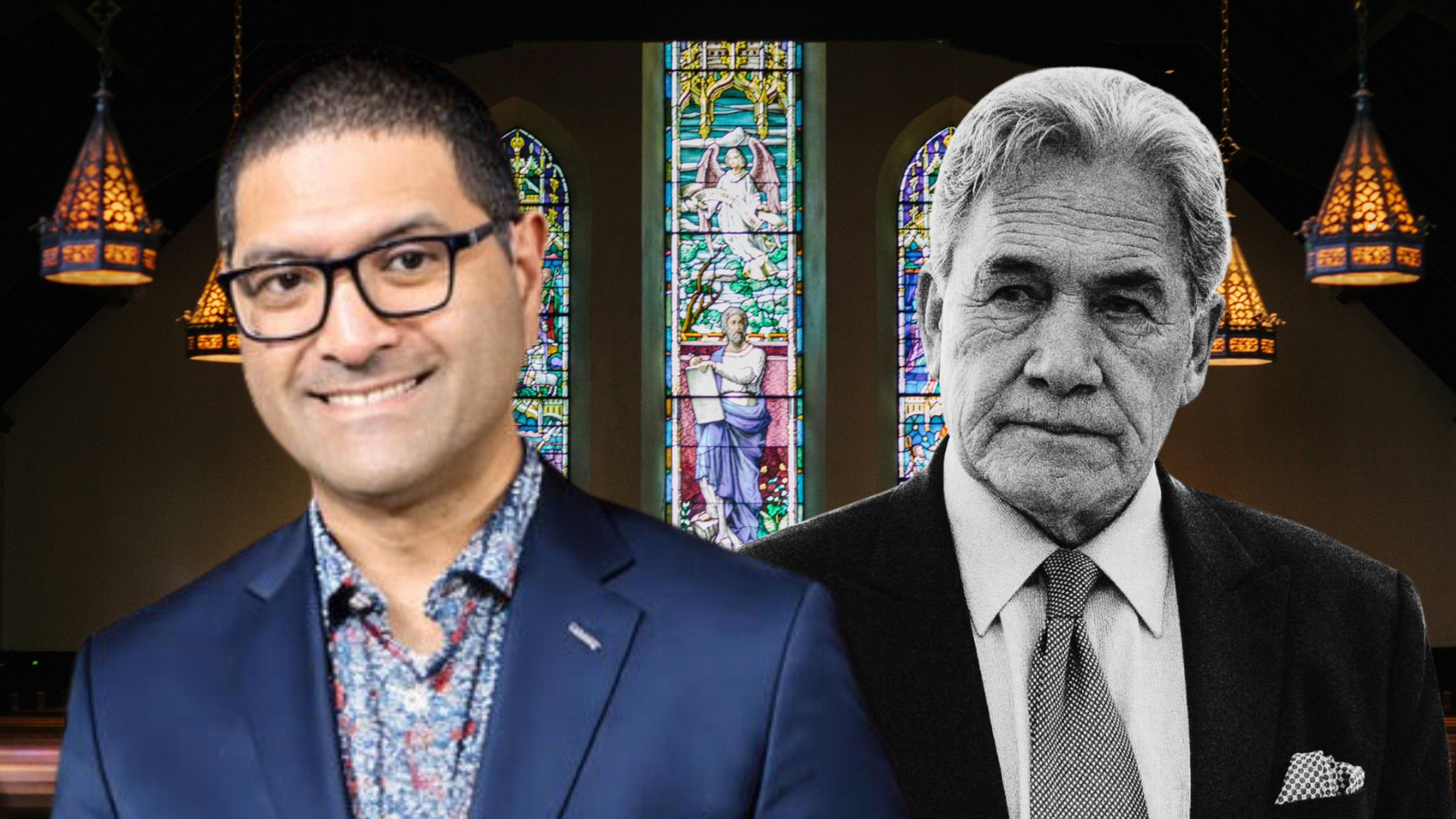
Filipo Katavake-McGrath responds to Winston Peters' plan to revisit the ban on conversion therapy.
Photo/Composite/Supplied/File/Unsplash
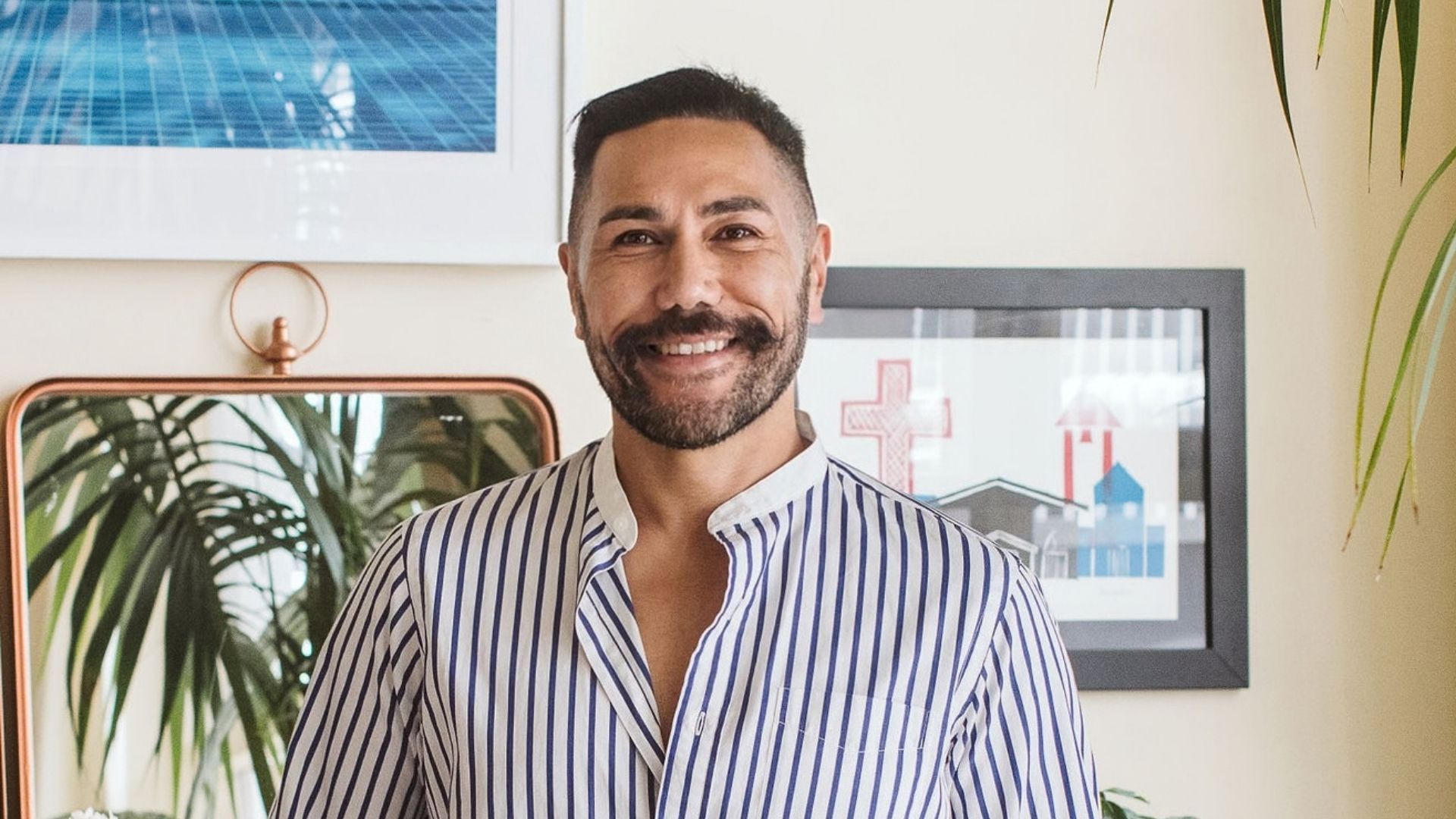
Filipo Katavake-McGrath says the religious rituals he experienced as a child failed to recognise his Pacific identity as debate over New Zealand’s conversion practices law returns.


Filipo Katavake-McGrath was younger than 10 when he was taken into a room at an Invercargill church and subjected to prayers intended to change him.
The Tongan survivor says the experience exposed a clash between Western religious teachings about sexuality and his understanding of fakaleiti, a Tongan identity that challenges conventional ideas about gender.
He recalls being taken into a room with a church elder and someone referred to as a doctor, who began “speaking in tongues” and praying “at” him, without discussing his identity or cultural background.
"I was being told that it was wrong to be gay, but no one was telling me that being fakaleiti was wrong … this was all a palangi male-female thing."
His account comes as New Zealand First leader Winston Peters raises the possibility of revisiting the 2022 ban on conversion practices.
Speaking to Family First's Bob McCoskrie last week, Peters says his party would have opposed the legislation had it been in Parliament at the time.
Listen to Filipo Katavke-McGrath's full interview below.
The law, passed in 2022, prohibits practices intended to change or suppress a person's sexual orientation, gender identity or expression.
Katavake-McGrath says he underwent the practices twice before turning 10 and twice more as a teenager, alongside other forms of childhood abuse.
He describes the judgement and anger directed at him. "Months and months of people telling me how wrong I was, how I was putting things in people's faces, and that they were very angry about this affront to them and to God and to the community".
Filipo Katavake-McGraph says conversion practices are based on Westernised views of gender. Photo/Unsplash
At 16, he was homeless, living in a Honda Civic while completing his schooling.
"When a politician talks about a moral issue, they have never lived in the backseat of a car in a Southland winter,” he says.
"That is the privilege of the well-fed, because some of us had to do our exams living in the backseat of cars."
Speaking with William Terite on Pacific Mornings on Tuesday, Peters said the law should be reviewed to "see whether things are working or not".
He also raised the prospect of young people taking legal action against governments over decisions made during childhood.
"There will be young people in the future, I'm certain, who are going to line up and sue governments for allowing things to happen to them when they were young and too young to make up their mind, and that permanently affected their lives."
Watch Winston Peters' full interview below.
While Peters did not specify which decisions he meant, NZ First has previously claimed credit for restrictions on new puberty blocker prescriptions for transgender young people, although enforcement of those restrictions is suspended pending judicial review.
Asked about Katavake-McGrath's experience, Peters describes it as a "serious worry".
"Don't come to the issue prejudiced before you start. Let's find out the facts. That's all I said."
A 2025 Counting Ourselves report found 14 per cent of 2631 trans and non-binary survey participants had experienced conversion practices. Two per cent of participants were Pasifika.
Andre Afamasaga, Sāmoan human rights advocate and former pastor,, who helped establish the Human Rights Commission's conversion practices response service, has also spoken about his experience.
Speaking to 1News when the law passed in 2022, Afamasaga described the impact of religious and societal expectations.
Andre Afamasaga is a human rights advocate, who also experienced conversion practices. Photo/Supplied
"Just from reading my Bible and the messages that I was hearing from the people around me, society - the message sent to me was that I wasn't good enough. So I subjected myself to those practices for 15 years, and some people, unfortunately, never make it out the other side."
Both National and Labour have ruled out revisiting the legislation.
For Katavake-McGrath, the debate is also about who gets to define Pacific identities and how faith can coexist with them.
"There is nothing stopping us from maintaining our spiritual connections or growing our spiritual connections in ways that reflect who we are as Pacific people."
Support is available: If you’ve been affected by conversion practices, call or text 1737, free of charge, any time to speak with a trained counsellor. RainbowYOUTH also offers support and information.The Human Rights Commission has a free, confidential service for questions or complaints about conversion practices.