
I once called my partner ‘a fat pig’: How I used to hide abuse and what ultimately changed me
Aui'a Vaimaila Leatinu'uFri, 22 May
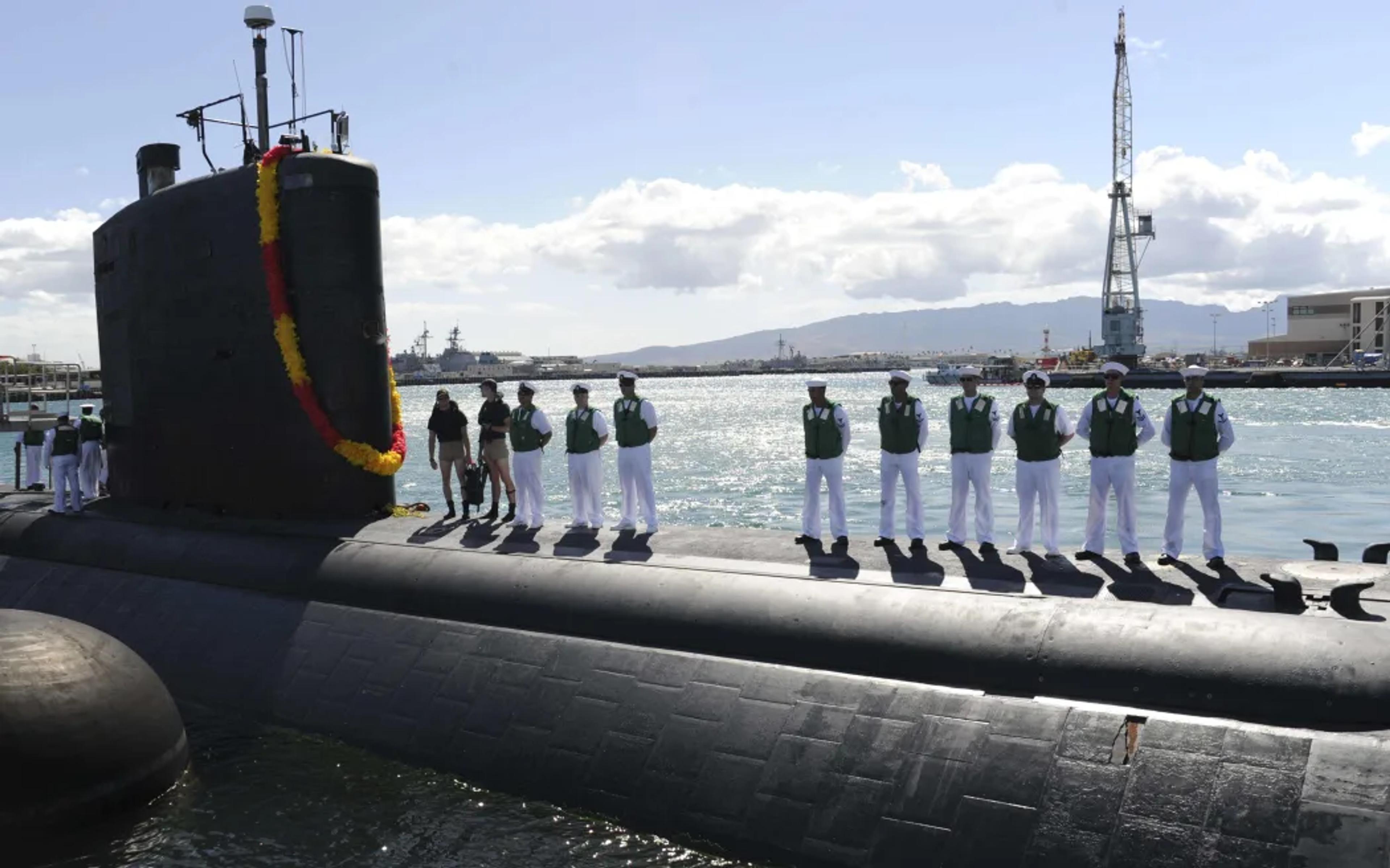
Australia signed a pact with the US and UK in 2021, which was expected to further their ambition to get a fleet of nuclear-powered US-built submarines.
Photo/US Navy
From Canberra to Suva and Honiara, doubts are growing that the landmark security pact with the United States and United Kingdom will ever deliver the nuclear subs Australia was promised.




When the Australia, United Kingdom, and United States (AUKUS) security alliance was announced in 2021, it was billed as a bold response to rising tensions in the Indo-Pacific region.
Australia would acquire nuclear-powered submarines, backed by British and American technology, giving allies a long-term edge under the sea.
Five years on, that promise looks far less certain and Pacific nations are watching closely.
Recent media reports suggest the deal may unravel slowly and not collapse suddenly. The delays and shortfalls potentially leave Australia without the submarines it was promised, despite committing vast public funds.
Under the “optimal pathway” agreed in 2023, Australia was meant to buy second-hand US Virginia-class submarines in the 2030s, then help design and build a new SSN-AUKUS submarine with the UK.
But former Australian defence officials now warn that neither step is guaranteed.
Photo/Pearls and Irritations
Retired Rear Admiral Peter Briggs told The Saturday Paper that Australia risks becoming a cash source for struggling foreign submarine industries.
“Neither the US nor the UK will pull the plug until the last possible moment because the deal is too good for them,” he said. “They’ve been given cash, real money, for not doing anything, basically.”
Former Australian Prime Minister Malcolm Turnbull was even blunter, describing Australia as a “rich dummy”, paying billions upfront while taking on most of the risk.
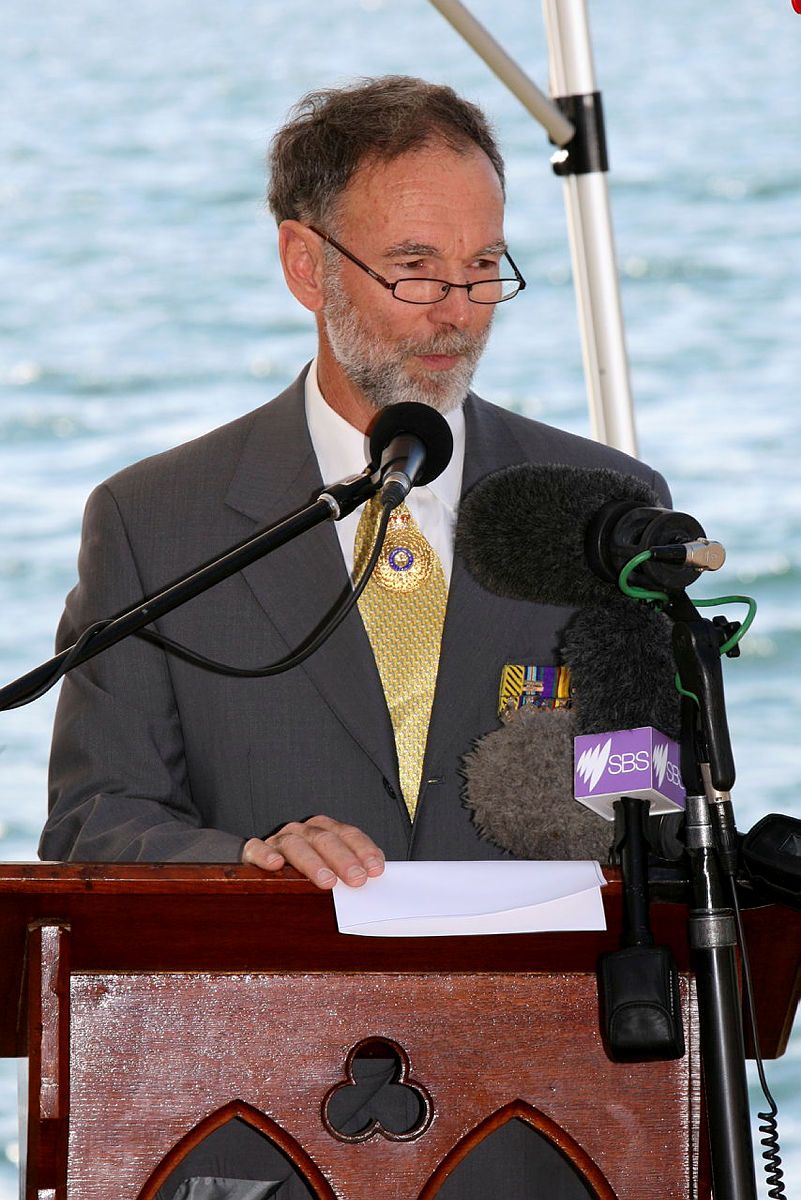
Retired Rear Admiral Peter Briggs, former head of Australia's submarine force, warns that AUKUS could leave Australia funding foreign defence projects while taking most of the risk. Photo/defence.gov.au
Defence analyst Hugh White warned AUKUS could fail “in stages”: first through delays in keeping Australia’s ageing Collins-class submarines running, then through a shortage of US boats, and finally through the possibility that the new joint submarine is never built at all.
For Pacific island countries, these warnings matter. AUKUS was sold as a stabilising force, yet its troubles raise questions about whether it will actually strengthen deterrence in the region or simply deepen uncertainty.
As one Solomon Islands civil society leader has previously said during regional security debates, “Big powers make plans, but it is small countries who live with the consequences.”
Regional political analyst Tess Newton-Cain told Pacific Mornings host William Terite that delays to Australia receiving US Virginia-class submarines were not surprising.
She says large defence projects often run over time and over budget.
The Australian government remains committed to AUKUS, but Newton-Cain says the setbacks are likely to sharpen debate within the country’s security community.
She adds the agreement was entered into with limited public or parliamentary oversight.
From a Pacific perspective, Newton-Cain said the optics of the deal matter. She says it is easy to see why some might perceive Australia as subsidising foreign defence industries.
She warned delays could also mean US and UK military assets spend more time or even remain permanently in Australia. This raises questions about sovereignty and control of dual-use bases.
Newton-Cain warns if these assets are nuclear-armed, Australia could risk breaching the Treaty of Rarotonga, a cornerstone of the Pacific’s nuclear-free identity.
But not everyone agrees AUKUS is failing. Writing for the Australian Strategic Policy Institute, naval expert Jennifer Parker argues that Britain’s submarine challenges, including workforce shortages and underinvestment, do not spell the end of the pact.
AUKUS was designed to rebuild industrial capacity over decades, and training, basing, and cooperation are already underway.
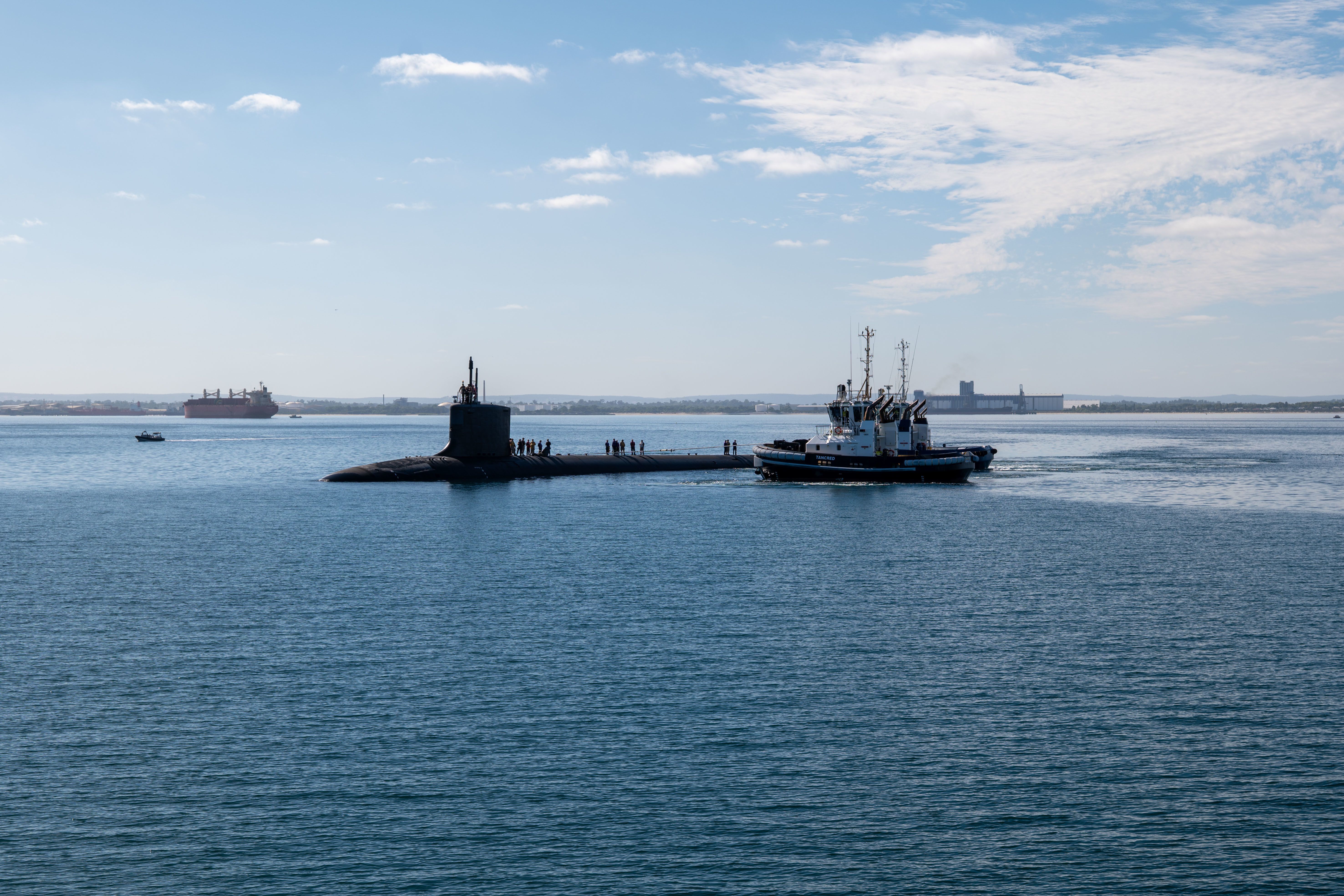
The USS Minnesota (SSN‑783) arriving at HMAS Stirling in Western Australia on 25 February 2025. Photo/US Consulate, Perth
Still, even supporters accept the timetable is fragile. For the Pacific, promises may be made faster than they can be delivered.
New Zealand’s position highlights that tension. Wellington is not a member of AUKUS and has ruled out joining the nuclear-powered submarine pillar because of its long-standing nuclear-free policy.
But Christopher Luxon's government has shown interest in parts of the second pillar, focusing on advanced technologies such as cybersecurity, artificial intelligence, and undersea surveillance.
Aotearoa frames this as a practical step, not a shift in values. But critics in the Pacific warn that even limited involvement ties New Zealand more closely to a military bloc whose direction remains uncertain.
For many island states, New Zealand’s cautious approach reflects a wider dilemma: how to work with powerful partners without being locked into strategies that may not deliver.
Pacific leaders have long argued that security should be defined more widely than military hardware alone.
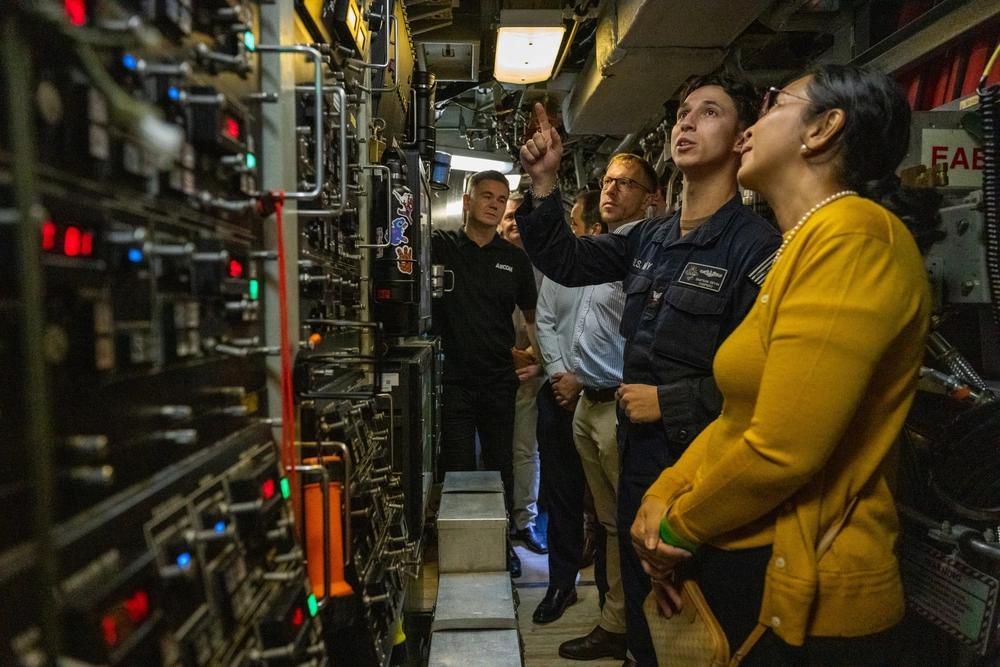
Torpedoman’s Mate 2nd Class Devin Simpson leads a tour of the torpedo room aboard USS Minnesota (SSN‑783) during its visit to HMAS Stirling, highlighting the operational capabilities being shared under the AUKUS partnership. Photo/US Defense Visual Information Distribution Service (DVIDS)
Climate change, economic resilience, and human security remain higher priorities for many communities than nuclear submarines that may not arrive for decades, if at all.
AUKUS may still succeed but from the Pacific, the view is increasingly wary. If the deal falters, it will be a setback for Australia, Britain, and the United States.
It will also test trust across a region that has seen many grand strategic promises come and go, often leaving small nations to manage the fallout.