
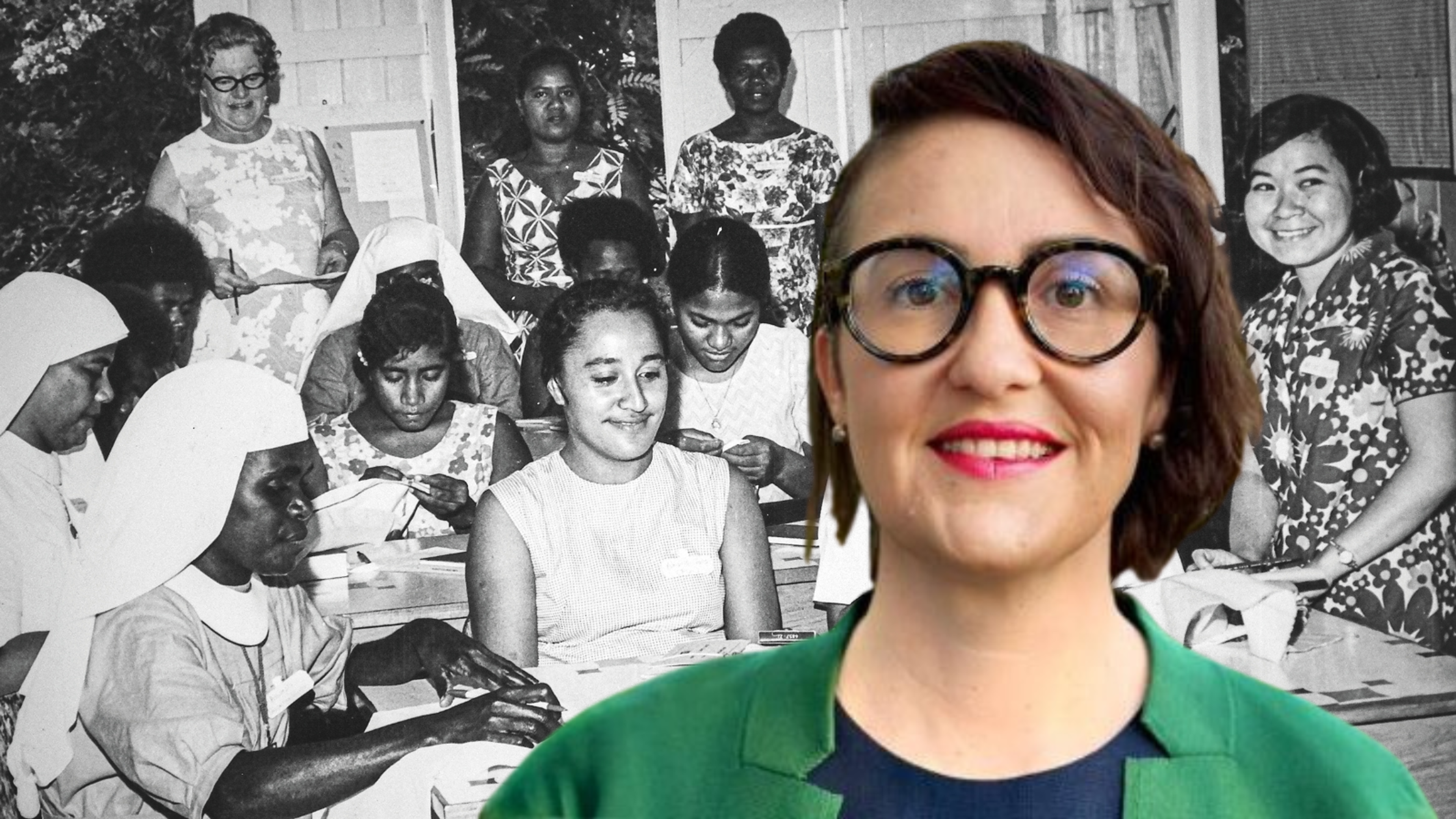
Lisa Kingsberry, SPC, says there are thousands of photos and film from storage that will be digitised, then made available to countries to decide on their use.
Photo/The Pacific Community (SPC)
Pacific Region
Voices of the Pacific: Preserving stories for generations to come
A major Pacific-led project is saving thousands of historic recordings and returning them to the communities they belong to.

Khalia Strong
Published
19 January 2026, 11:32am
Share
Copy Link
Top stories

Emergency savings gap highlights need for stronger financial protection for Pasifika
Aui'a Vaimaila Leatinu'uThu, 06 Aug
Top stories
Emergency savings gap highlights need for stronger financial protection for Pasifika
Aui'a Vaimaila Leatinu'uThu, 06 Aug
For decades, they sat quietly - old tapes, films, and reels holding the voices, faces, and stories of the Pacific.
Now, time is running out to save them.
A new regional project is working to protect thousands of rare recordings that capture Pacific life, culture and history before they are lost forever.
More than 10,000 historic Pacific recordings are being preserved and digitised under a long-term programme led by the Pacific Community (SPC).
The project, called Pacific Echoes, includes audio and films dating back nearly 80 years.
Many of the recordings are stored on ageing formats such as eight-millimetre film, 16-mm reels, VHS tapes, and MiniDV, which are slowly breaking down.
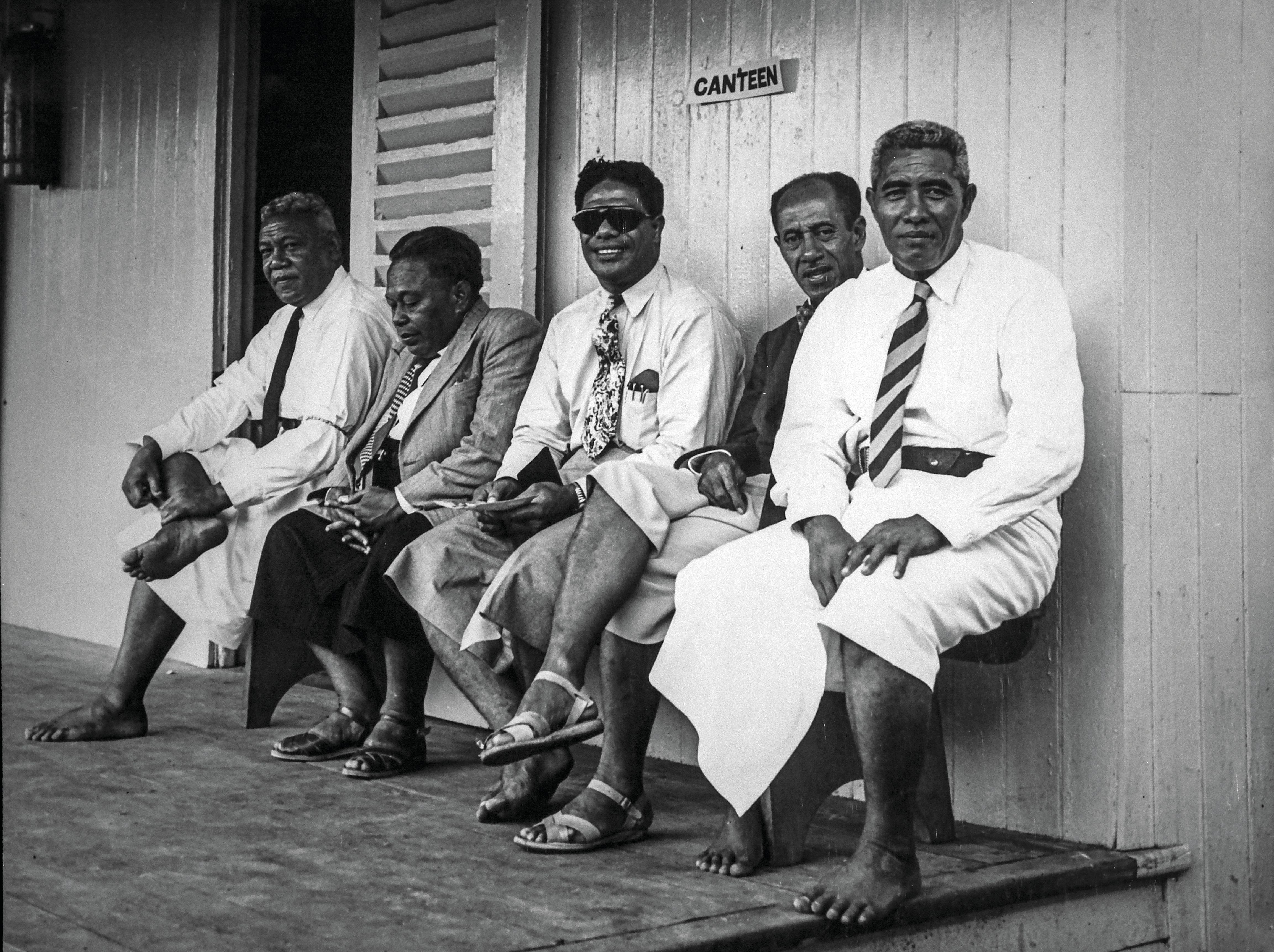
Men sitting outside a canteen. Photo/SPC Not for reproduction
Lisa Kingsberry, SPC’s Director of Strategic Communications, Outreach and Engagement, says the archive came to light when staff discovered boxes of undocumented material in storage.
“What we found was completely groundbreaking,” she says. “If we don’t digitise now, we’re going to lose it.”
The collection captures everyday Pacific life and key moments in regional history. There is footage of traditional food preservation, kava preparation, and community gatherings, alongside important political footage.
Among the material is film from a 1956 meeting of the South Pacific Commission, chaired by Ratu Sir Kamisese Mara, who would later become Fiji’s first Prime Minister.
Kingsberry says the emotional power of the archive became clear last year when a small selection of digitised footage was shown at SPC’s ministerial meeting in Tonga.
“One Tongan representative spoke up and said there was family in the footage, and that he hadn’t heard some of their voices before,” she says. “Generationally, these are stories people connect to. They’re theirs.”
At the same meeting, Palau’s chief of Foreign Affairs and Trade, Shelley Remengasau, said the programme would help protect Pacific history while strengthening how it is shared and protected.
“While we hold in high regard the impressive manner in which much of our history and cultural knowledge has been conveyed through oral traditions, Palau believes a digitisation programme will further enhance the value of these traditions.”
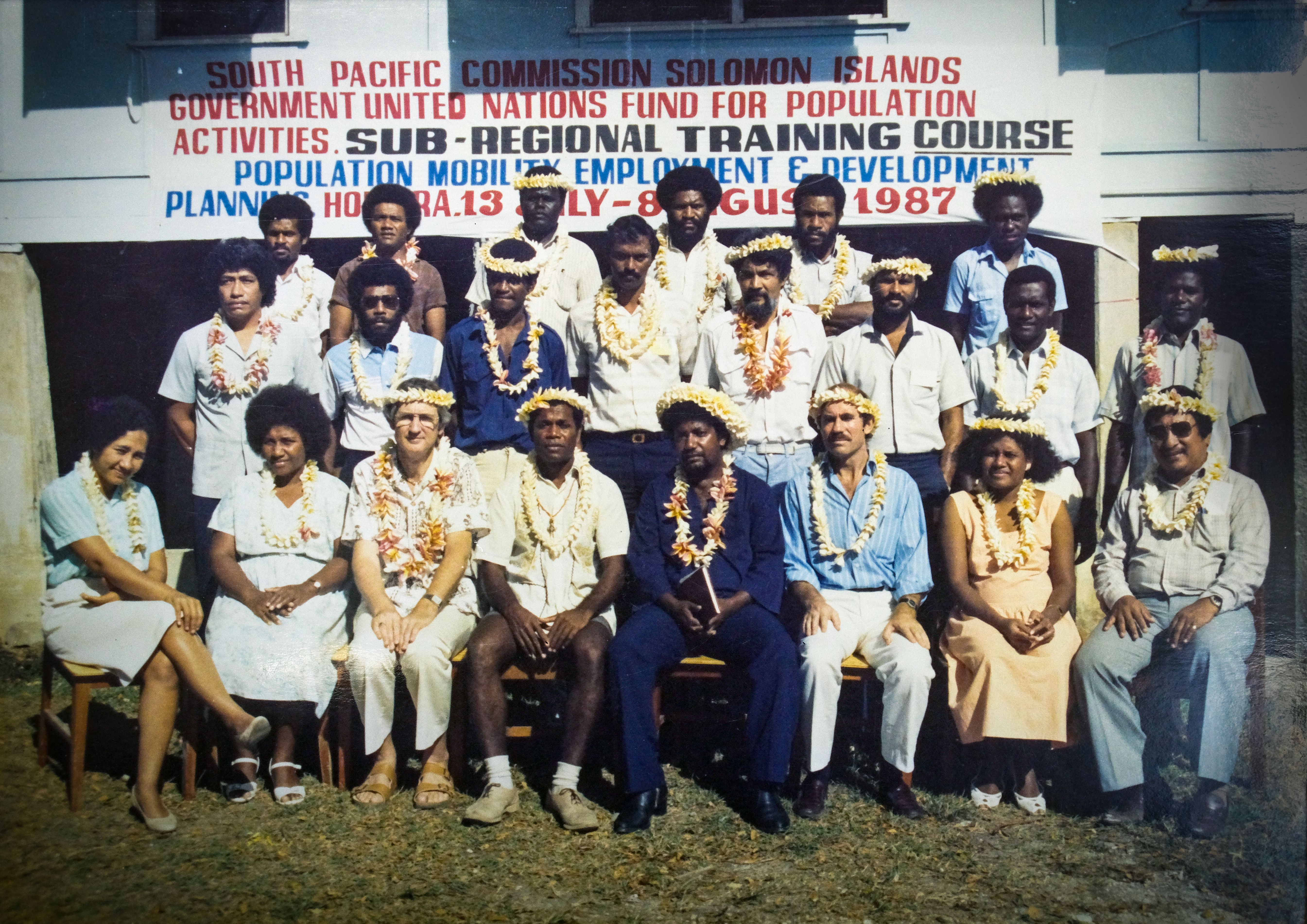
Attendees at at Sub-Regional Training Course in the Solomon Islands, 1987. Photo/SPC Not for reproduction
Keeping Pacific stories in Pacific hands
Funding from France, Wallis and Futuna, French Polynesia (Tahiti), New Caledonia, and Australia means the full digitisation process is now underway. The work is expected to take up to two years.
But turning old tapes into digital files is only part of the task.
Another key challenge is deciding who owns each recording, what it contains, and who should be allowed to see it, particularly when material includes sensitive cultural knowledge or indigenous practices.
SPC will act as a caretaker of the archive, not a copyright holder. Decisions around access and use will be led by Pacific countries, communities, and knowledge holders.
Governance of the archive will sit with the Council of Pacific Arts and Culture, made up of national cultural leaders from across the region.
Emile Kairua, Secretary to the Cook Islands Ministry of Cultural Development and Chair of the council, says protecting cultural memory is essential for future generations.
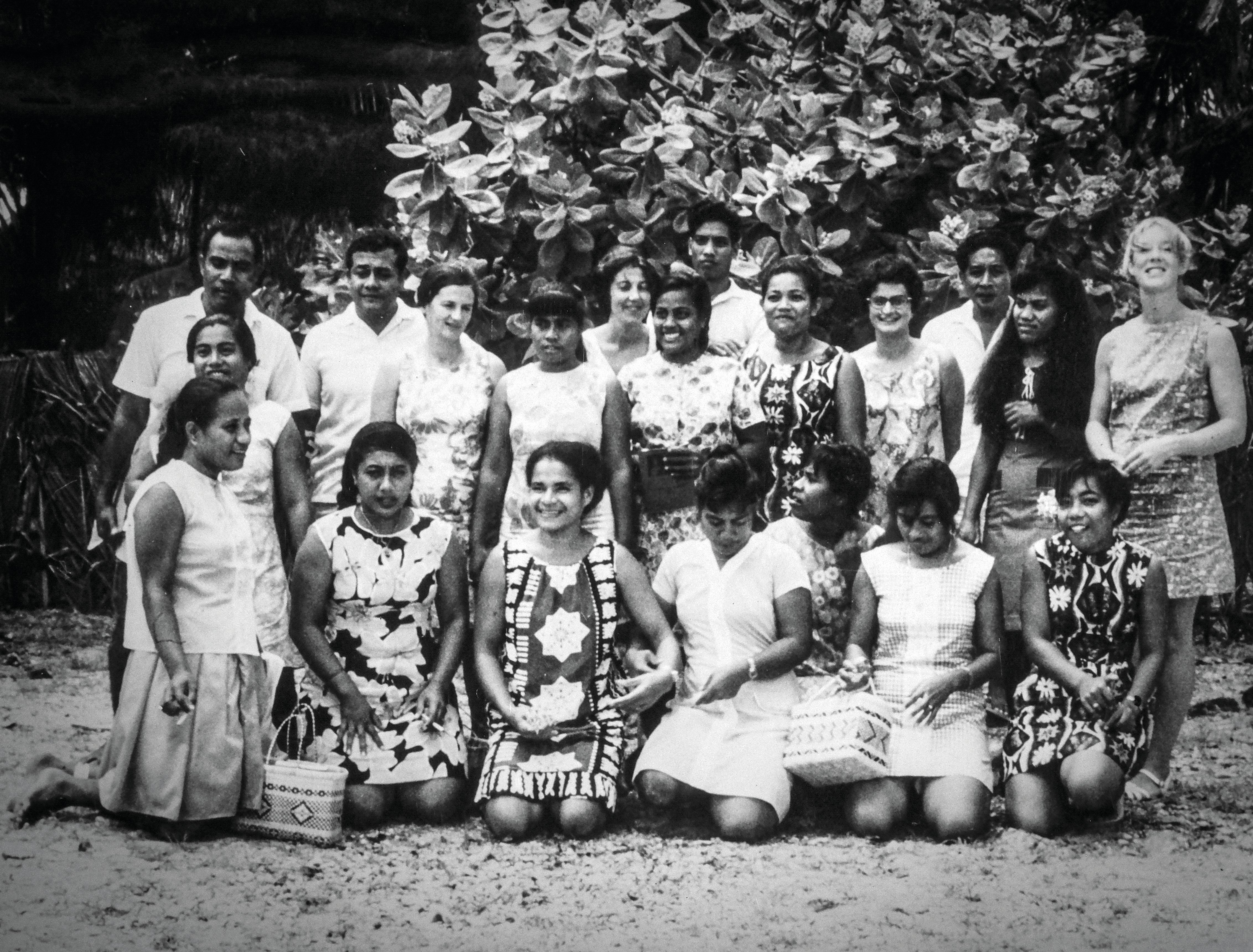
Men and women pose for a photo on the beach. Photo/SPC Not for reproduction
“For you to know where you’re going, you need to know where you’ve come from,” he says.
The programme also looks beyond preservation. Later this year, SPC plans to offer grants to Pacific filmmakers, artists, and youth to support new storytelling alongside the historic archive.
Support for academic research is also planned. Kingsberry says the goal is to ensure Pacific stories remain in Pacific hands.
“We don’t want this to just be about the past,” she says. “It’s about protecting Pacific stories for future generations, and making sure they’re not left sitting in boxes.”
Watch Lisa Kingsberry's full interview below.
A sample of other photos from the Pacific Echoes programme:
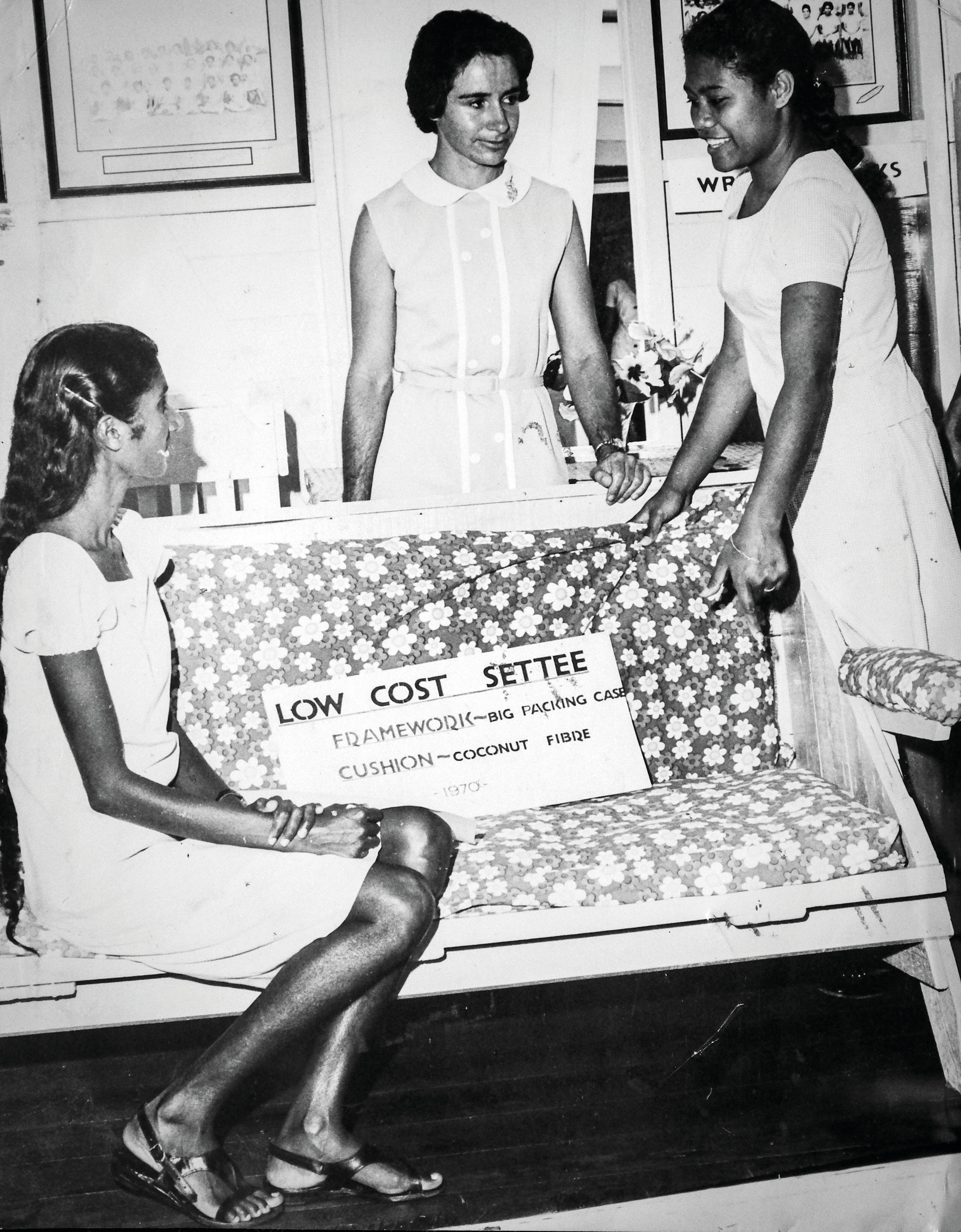
Women shopping for a couch. Photo/SPC Not for reproduction
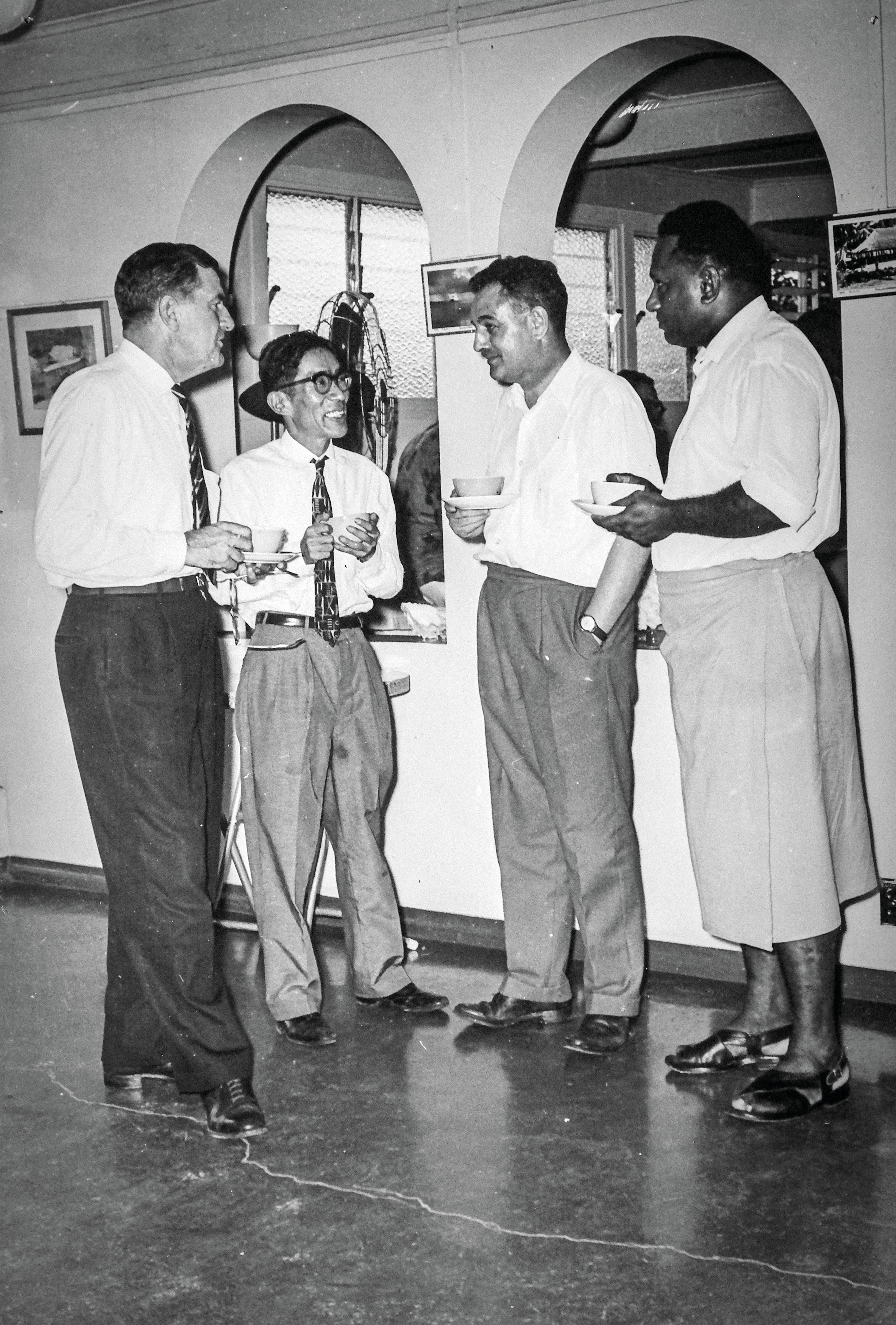
Gentlemen talking over a cup of tea. Photo/SPC Not for reproduction
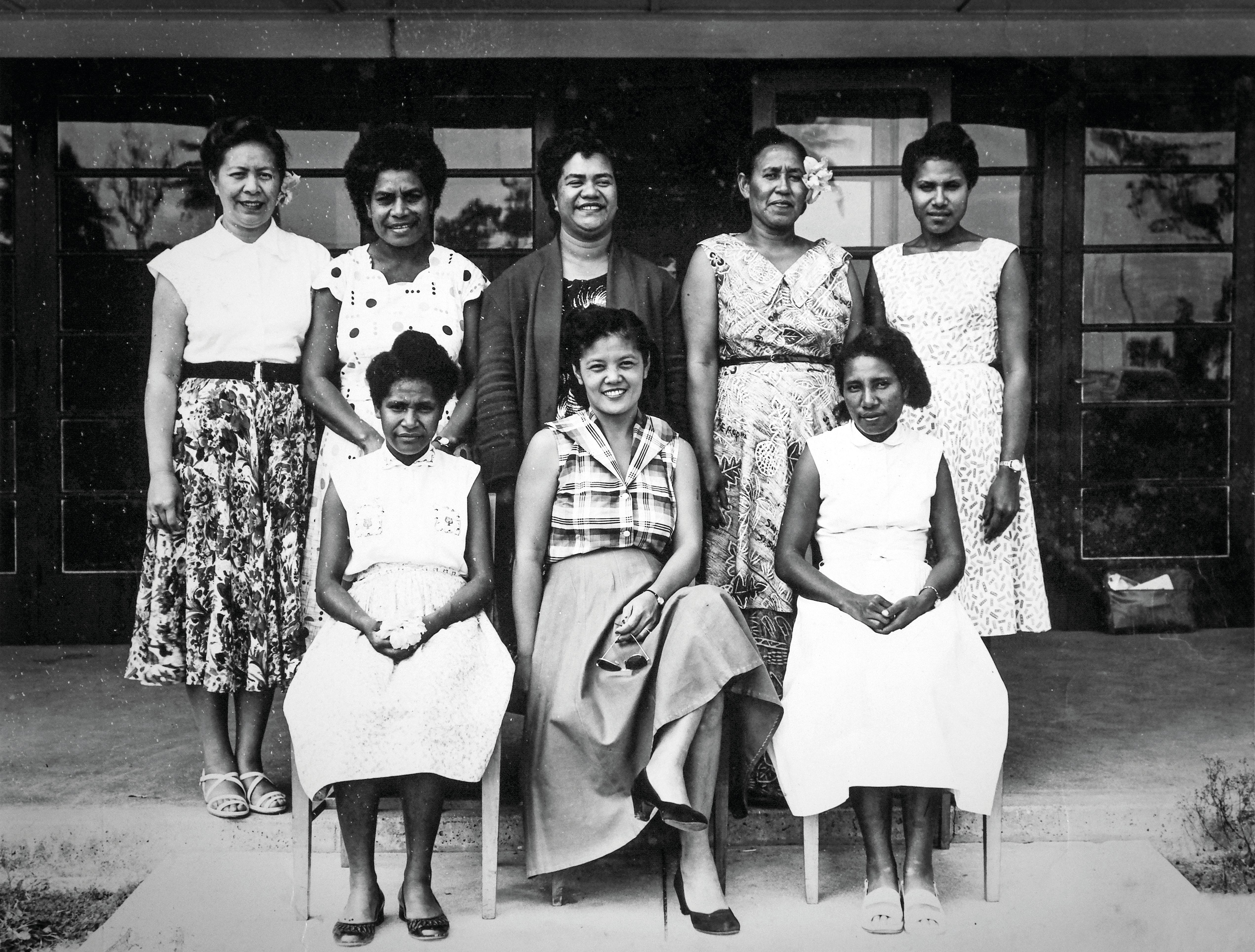
Women pose for a photo. Photo/SPC Not for publication
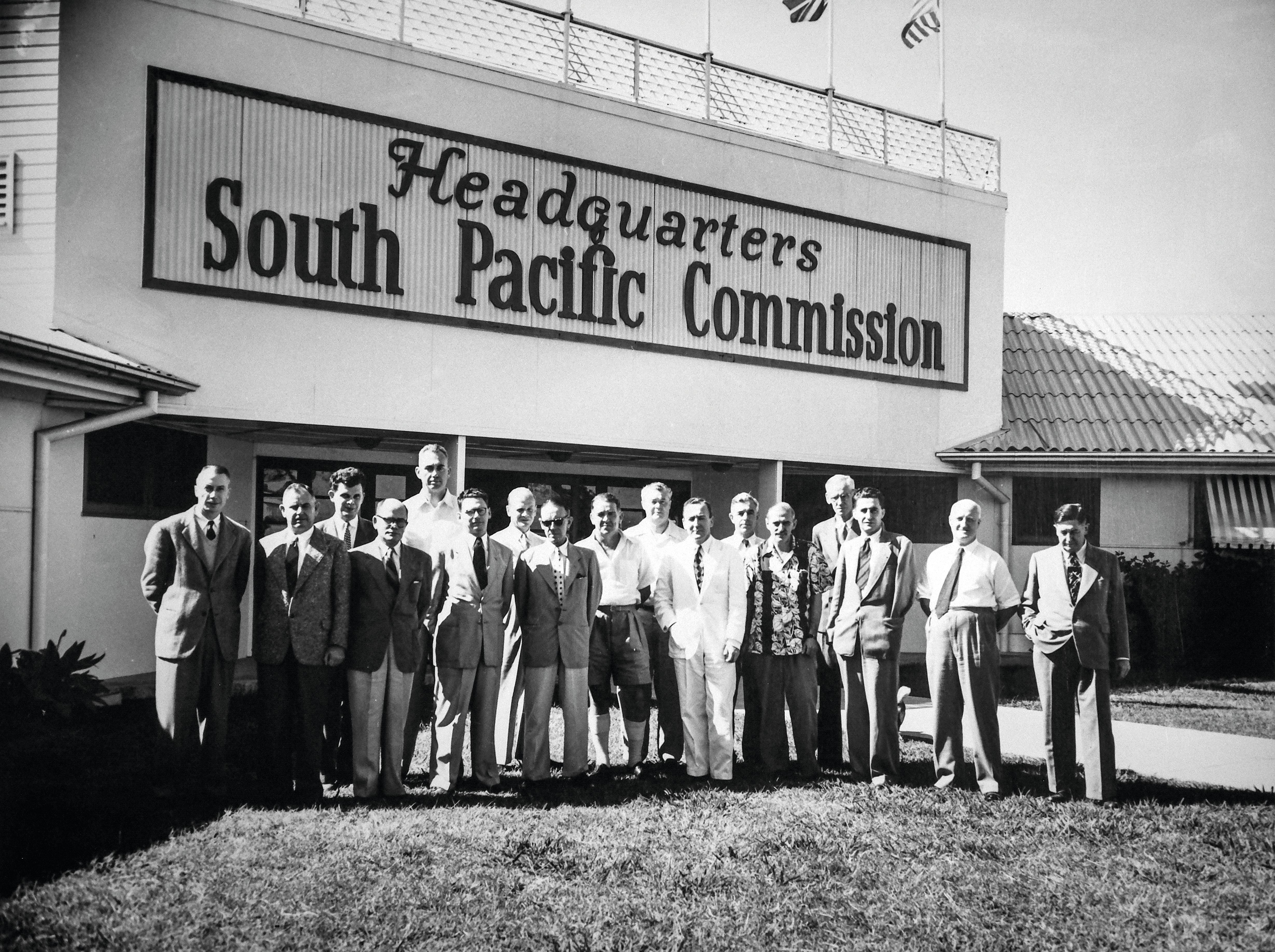
Men pose outside the South Pacific Commission headquarters in New Caledonia. Photo/SPC Not for reproduction