El Niño tightens grip on Pacific as authorities warn of drought and extreme weather
Lachlan EddieFri, 23 Oct
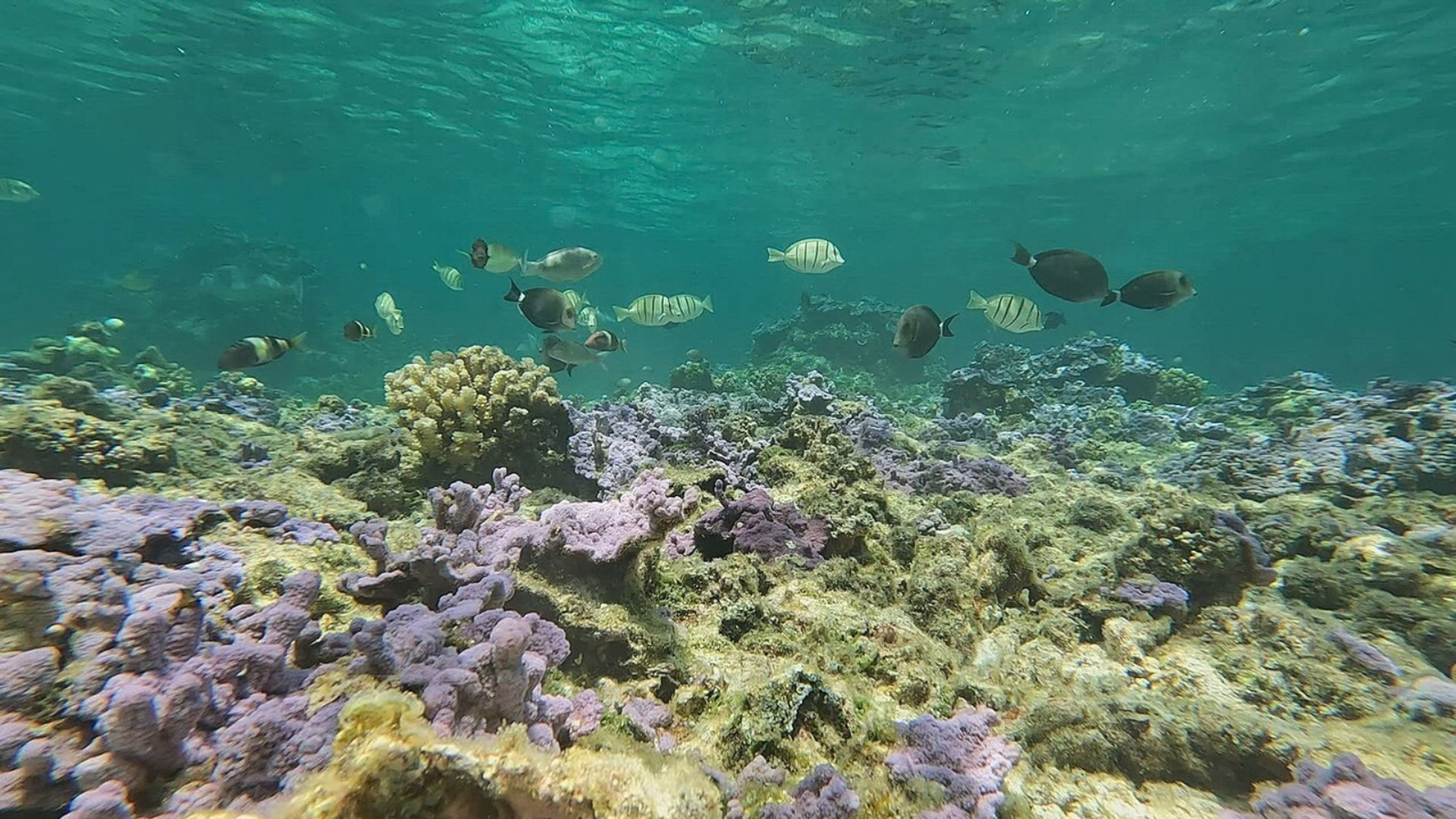
Reef Fish at Midway Atoll, Hawaii.
Photo/United States Fish and Wildlife Service/via Wikimedia Commons
Tonga, French Polynesia, and the Federated States of Micronesia join a global commitment to protect coral reefs with a better chance of surviving a warming ocean.


Pacific nations are strengthening efforts to protect coral reefs that show a stronger chance of surviving climate change.
Tonga, the Federated States of Micronesia and French Polynesia have joined a global conservation commitment.
The three countries signed the High-Level Climate-Resilient Coral Reefs Commitment at the Pacific Islands Forum Leaders Meeting in Palau last week.
For Pacific communities, the push is about more than protecting coral.
Reefs provide food, help protect coastlines and are closely tied to the identity and way of life of island communities.
Tonga Prime Minister Lord Fatafehi Fakafanua says the reefs are facing growing pressure from climate change, pollution and overfishing.
Watch Tonga's Prime Minister Lord Fakafanua at the Pacific Islands Forum in Palau below.
“For Tonga, coral reefs protect our coastlines and support our food security,” he said in a joint statement.
“They sustain our communities and define our identity, yet they face mounting pressures from overfishing, pollution, and climate change.”
Moetai Brotherson, French Polynesia President, says traditional knowledge will be part of the country’s approach.
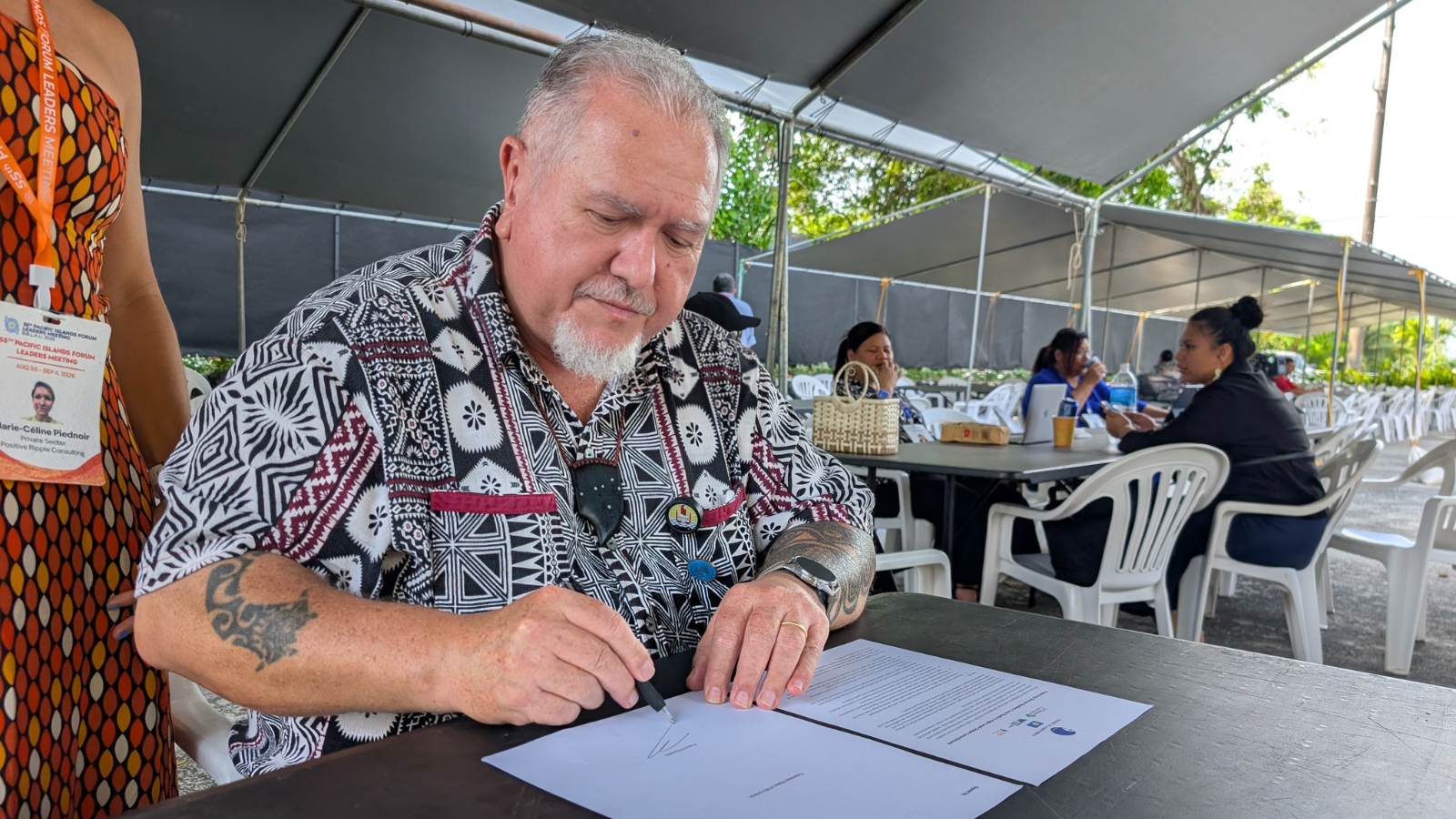
French Polynesia President Moetai Brotherson joins a global commitment to protect climate-resilient reefs. Photo/Supplied/Greenhouse Communications
“French Polynesia has protected its reefs for centuries through the rāhui, a traditional practice of community-based resource management, that allows nature to regenerate,” he says in a statement.
“By bringing together our cultural heritage with modern science, we commit to safeguarding our reef ecosystems.”
Brianna Fruean, a Sāmoan climate activist and Together for the Ocean ambassador, says reefs are being given less time to recover as marine heatwaves become more frequent and intense.
“Today’s more frequent and intense heatwaves mean reefs have less time to recover, and less strength to protect and sustain us,” she says in a statement.
The latest global assessment of coral reefs, Status of Coral Reefs of the World: 2025, found hard coral cover has declined by 9.5 per cent from historical levels, largely because of human-driven climate change.
But the report also shows reefs can recover when they are given enough time between major disturbances.
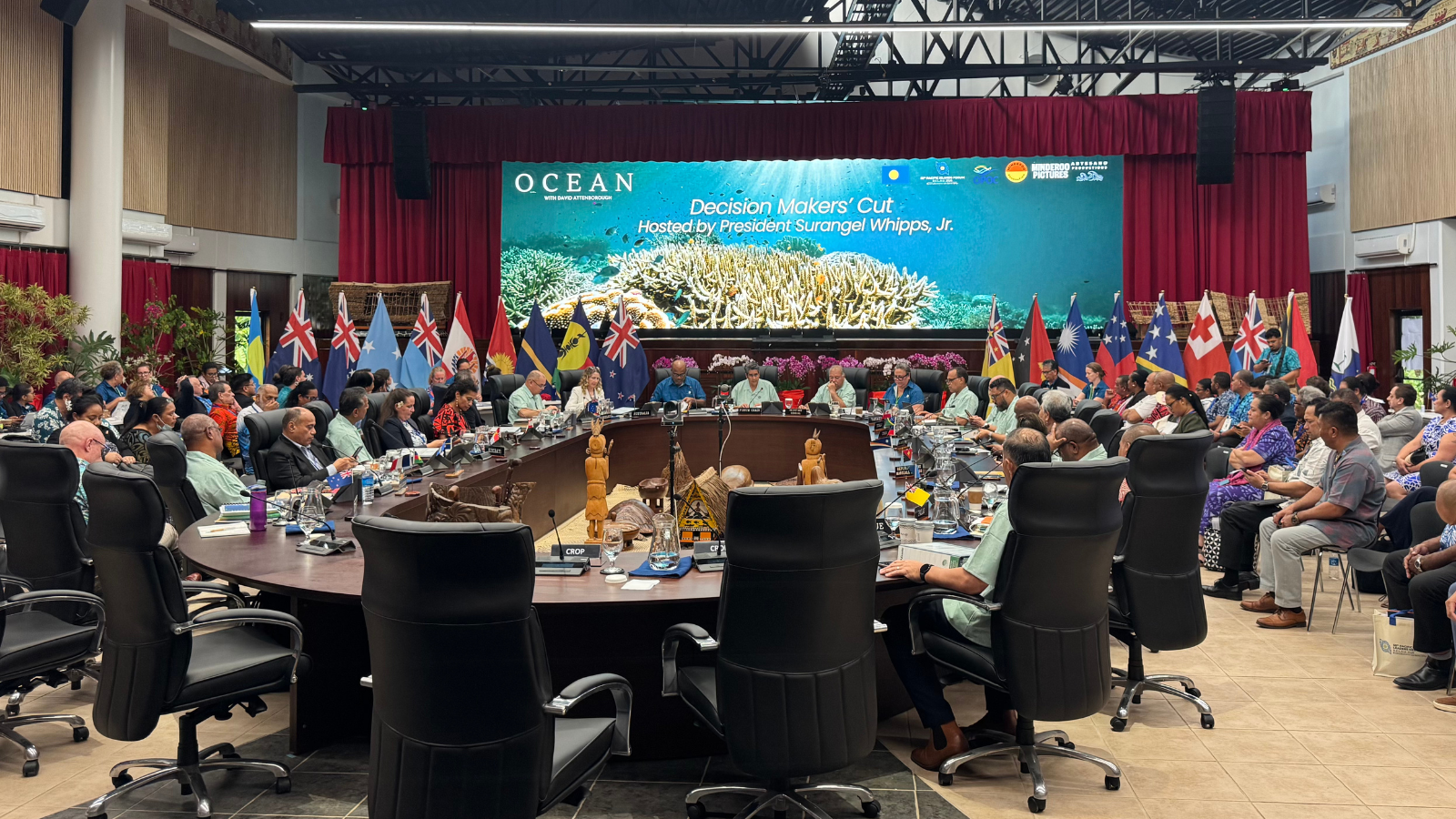
Pacific Leaders met at this year's Pacific Islands Leaders' Forum in Koror, Palau. Photo/Supplied/Greenhouse Communications
It found global hard coral cover increased by about six per cent between 2017 and 2019.
That is why the new commitment focuses on finding and protecting reefs that have a greater ability to withstand climate impacts and help other reefs recover.
The commitment now has the backing of 22 governments, including a growing group of Pacific nations.
It calls for climate-resilient reefs to be included in national climate and biodiversity plans, while governments also reduce local pressures such as pollution and destructive fishing.
It also calls for more funding and support for communities to monitor and protect reefs, with traditional knowledge included in conservation work.
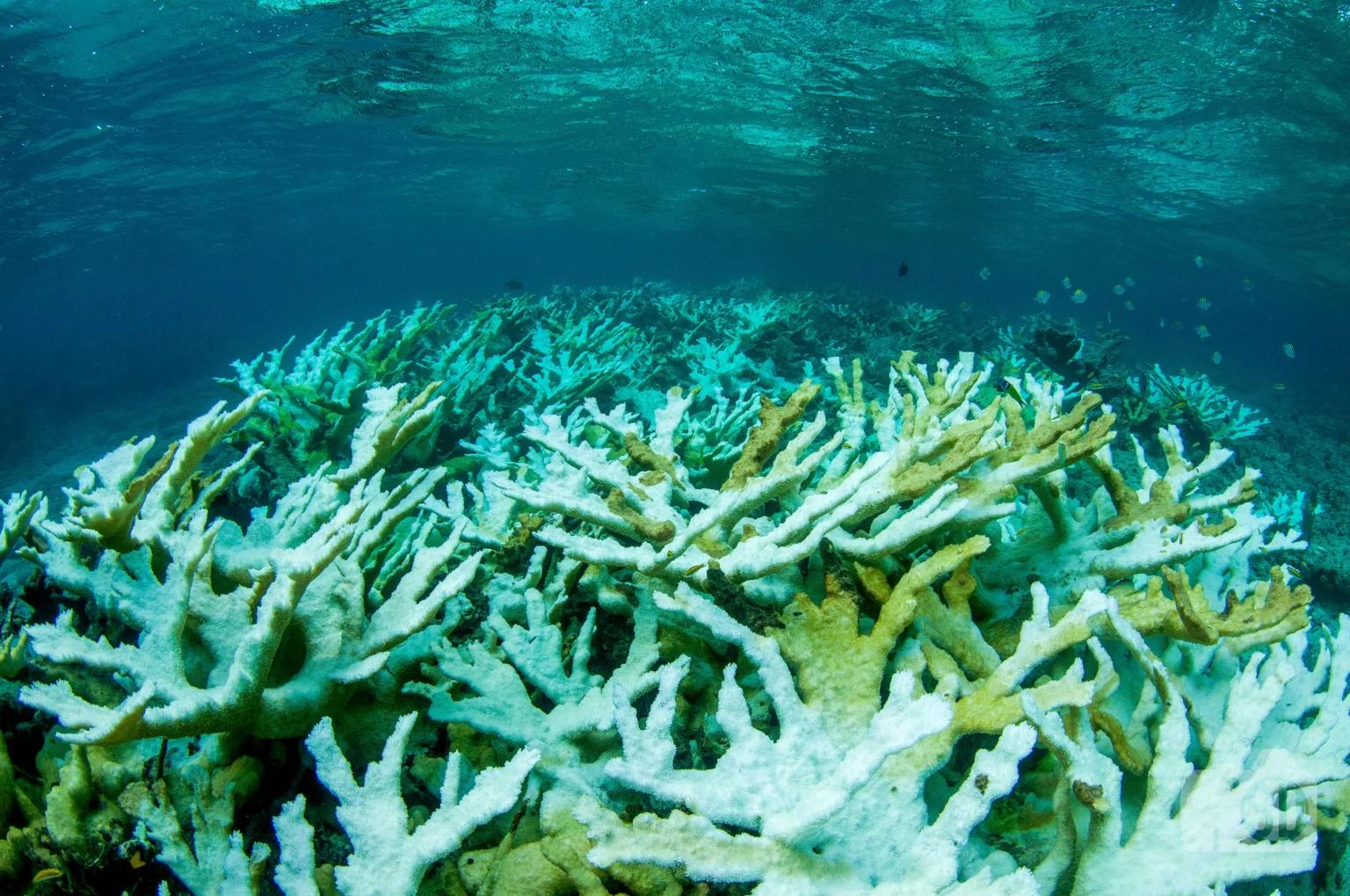
Coral mass bleaching, 2024. Photo/Simon Dixon/File
Lord Fakafanua says Tonga will take the message to the next stage of global climate talks this year.
“We stand with our Pacific neighbours to carry this message to Pre-COP31 and COP31,” he says.
The Pacific nations will now work to include climate-resilient reefs in their national plans while pushing for stronger protection and long-term funding to Pre-COP31 in Fiji in October and COP31 in Türkiye in November.
Watch PMN's Thomas Tarurongo Wynne speaking from the Pacific Islands Forum in Palau below.