‘Digging into what we know’: Pacific culture offers a clearer path to better mental health
Atutahi Potaka-DewesTue, 13 Oct
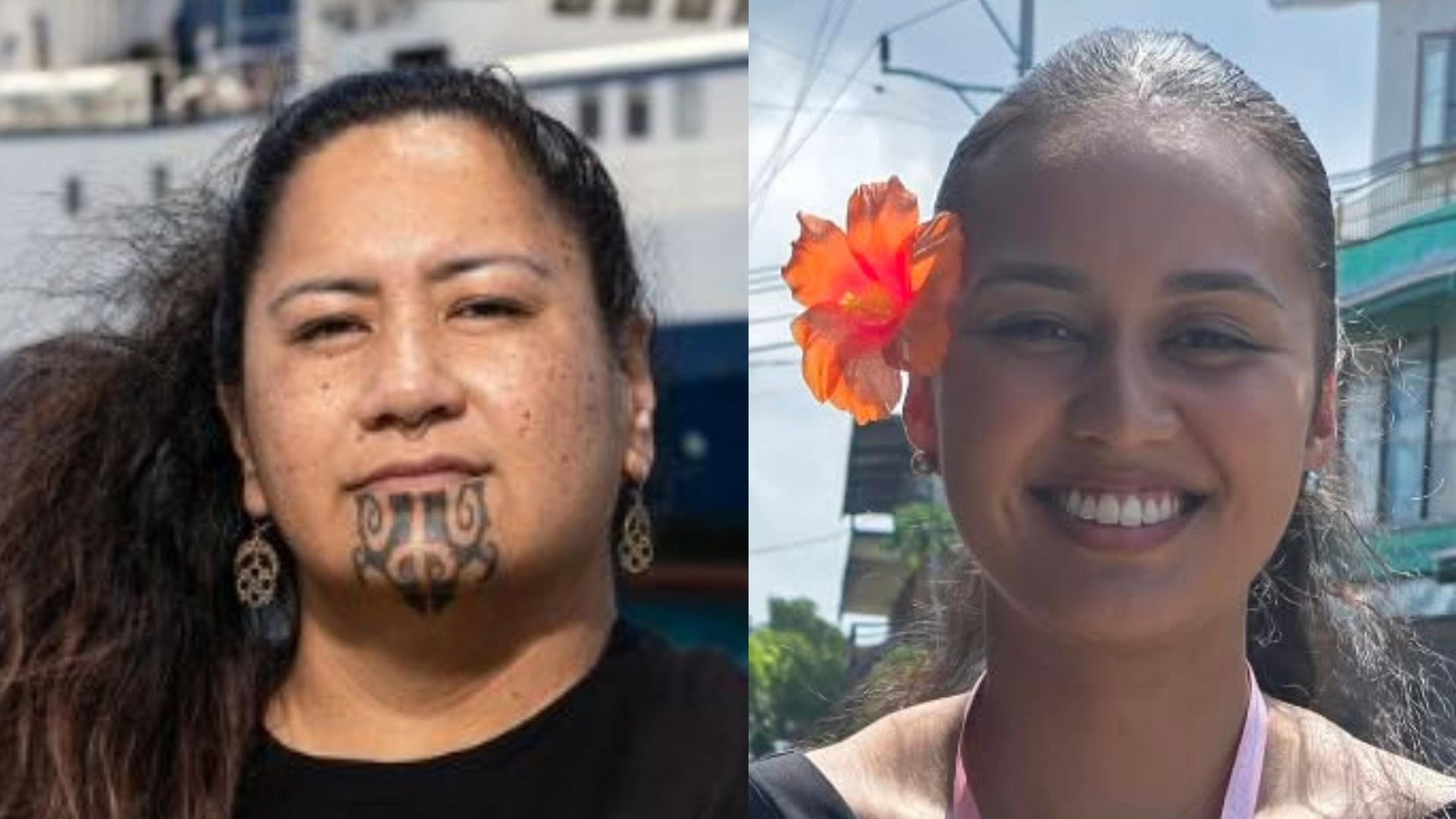
Greenpeace campaigners Juressa Lee, Cook Islands-Māori, and Sāmoan Moemoana Schwenke are at the Pacific Islands Forum in Palau.
Photo/Greenpeace/PMN News/Thomas Tarurongo Wynne
Greenpeace says generations of knowledge about the ocean must be recognised alongside other science while the Cook Islands says it will not move to seabed mining without more evidence.

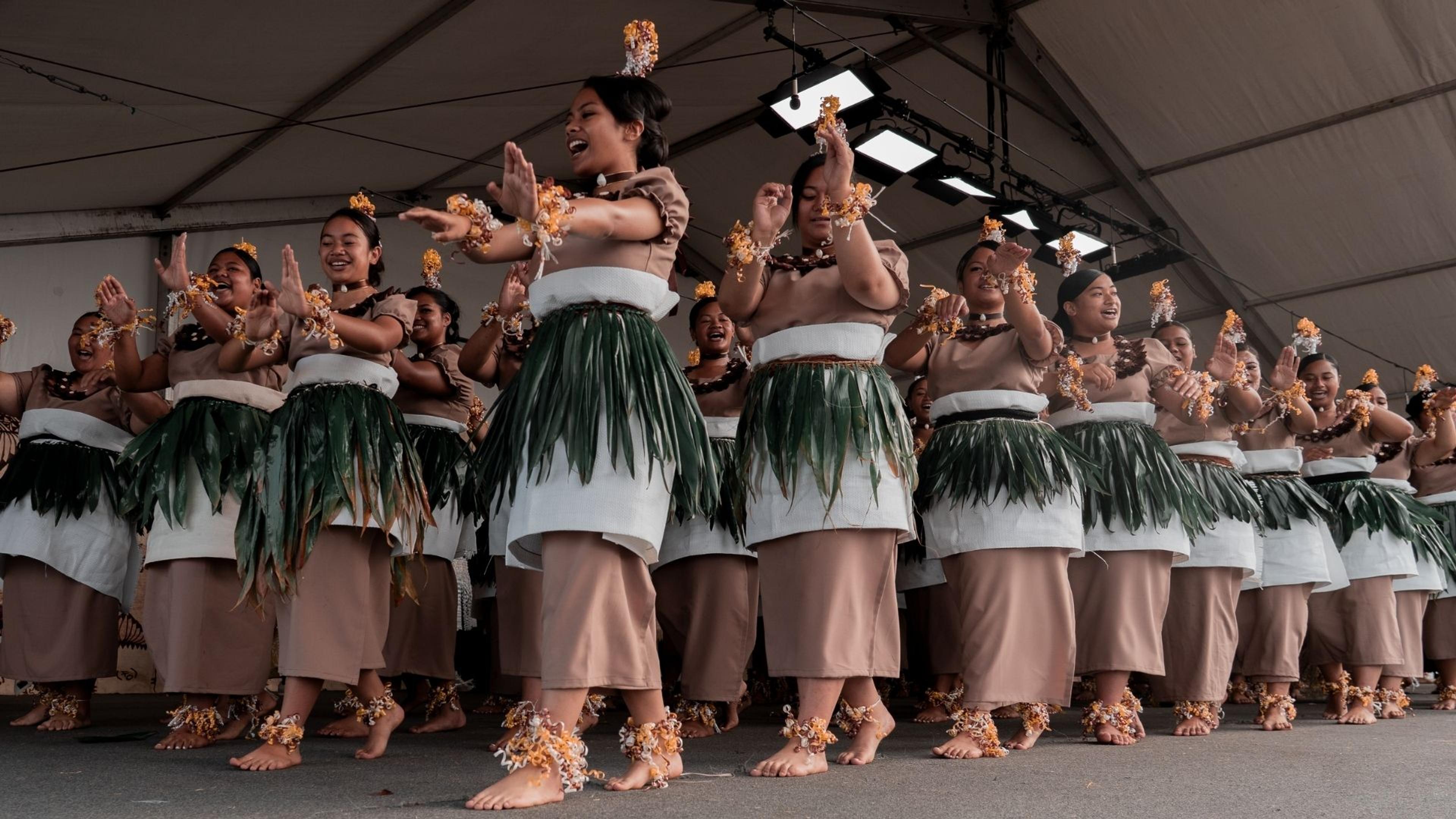
Pacific Indigenous knowledge must be given the same weight as other forms of science in the deep sea mining debate, Greenpeace says.
The environmental group says the rights of communities who hold that knowledge must also be protected.
Juressa Lee, a Cook Islands-Māori deep sea mining campaigner with Greenpeace Aotearoa, says Pacific communities have knowledge of the ocean built over generations that is often missing from discussions about whether mining should go ahead.
She says bringing Indigenous knowledge into research is not enough if communities do not control how that knowledge is used.
“I would challenge that when we talk about having sufficient information, that it must also be guided by the sciences and knowledge systems of the first people of the region, which has been targeted for a particular activity, in our case, the Pacific for deep sea mining because our ancestors, our people were the first stewards," she told PMN News.
Lee says Pacific people have been voyagers and ocean stewards for generations with knowledge passed down through stories and cultural traditions.
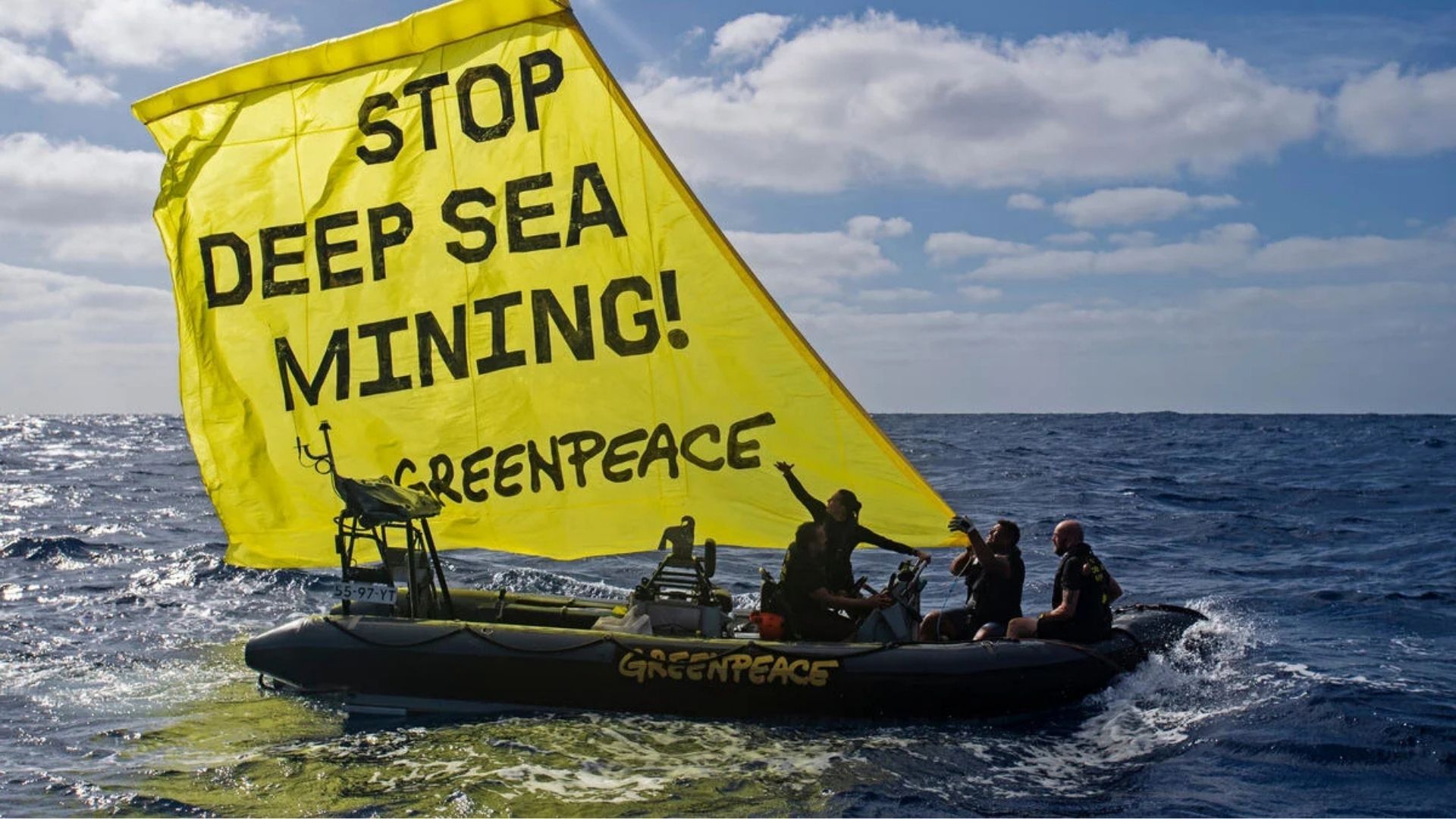
A protest at sea calls for an end to deep-sea mining, with campaigners warning of the potential risks to Pacific oceans and marine life. Photo/Greenpeace
“The first wayfarers. No one understands the Pacific Ocean over the length of time that our ancestors have.”
She says that knowledge is held by people in communities who are often not consulted.
“And when we talk about what others may call myths and legends, we may call pūrākau, for example, these were just vessels for that knowledge to be passed down.”
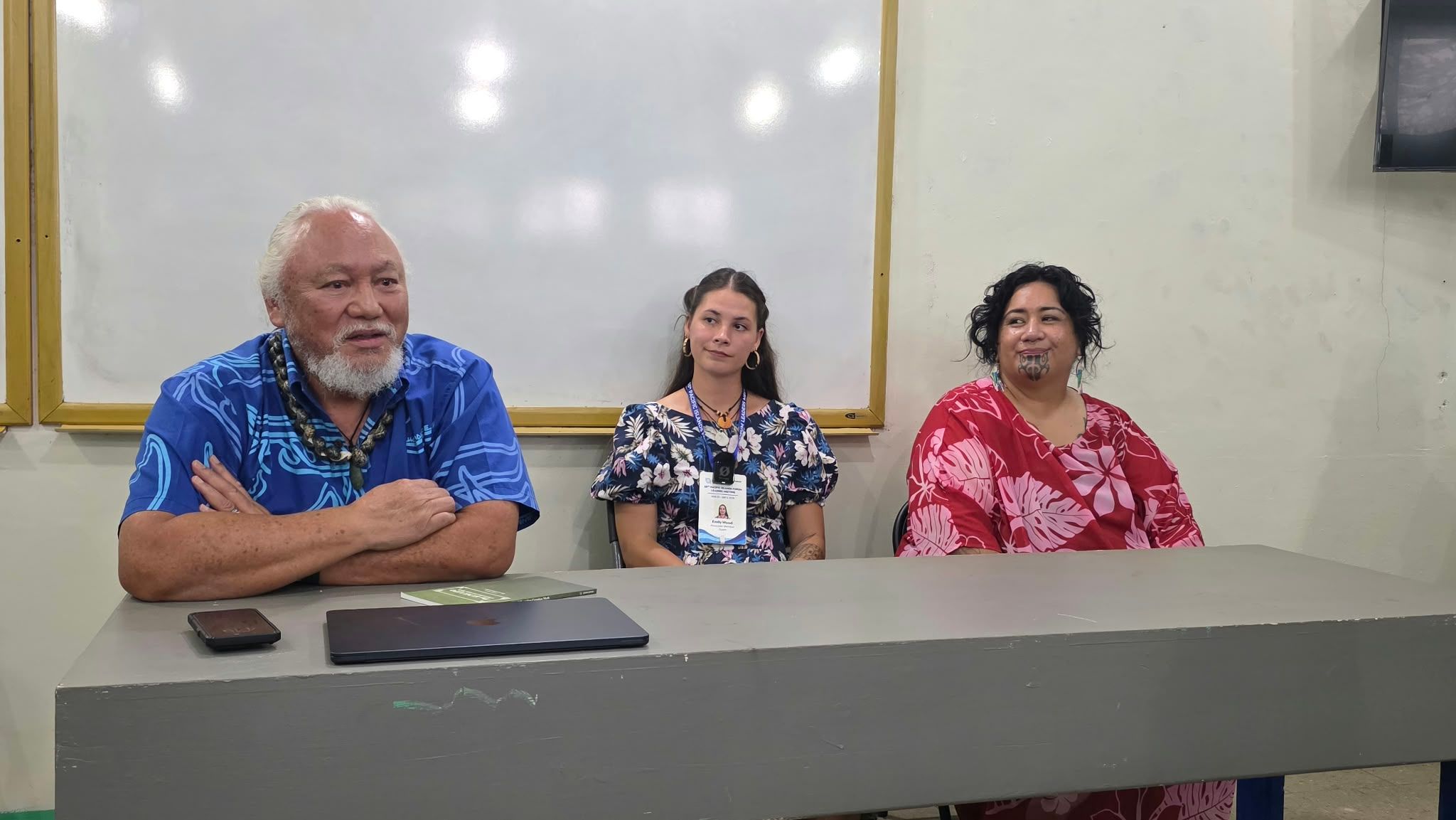
Cook Islands-Māori deep-sea mining campaigner Juressa Lee, right, is in Palau and says Indigenous knowledge and the rights of communities who hold it must be protected in decisions about the future of the Pacific Ocean. Photo/PMN News/Thomas Tarurongo Wynne
Lee says Indigenous rights must be protected when that knowledge is brought into formal research.
“Because having, you know, letting us participate and then using our knowledge is actually just, it's theft.”
Her comments come as Pacific leaders and civil society groups gather in Palau for the Pacific Islands Forum with climate change, ocean protection, and development among the issues being discussed.
But the Cook Islands government says exploration does not mean it has decided to mine.
Prime Minister Mark Brown says the country has a strong regulatory system and will not move from exploration and research to extraction without more evidence.
“We need to have the answers before we move forward to extraction,” Brown told William Terite on Pacific Mornings.
Listen to Mark Brown's full interview below.
Brown says the country's approach is based on caution and evidence than rushing to take advantage of its seabed resources.
“It's again a vindication, a strong mandate from our people, that the pathway we are taking - one of precaution, one of science, and evidence - is the one that they support.”
Moemoana Schwenke, a young Pacific climate campaigner, says meaningful youth participation also needs to go further.
The Sāmoan environmentalist and former Miss Pacific Islands says young people are present around the Forum but many are still shut out of the closed discussions where key decisions are made.
“I think it's important to note that these kind of conferences and meetings are very closed. And if leaders do really want to meaningfully engage with youth, there needs to be more space for them inside these closed forums.”
Schwenke says young Pacific people need to be part of decisions that will shape the future they inherit.
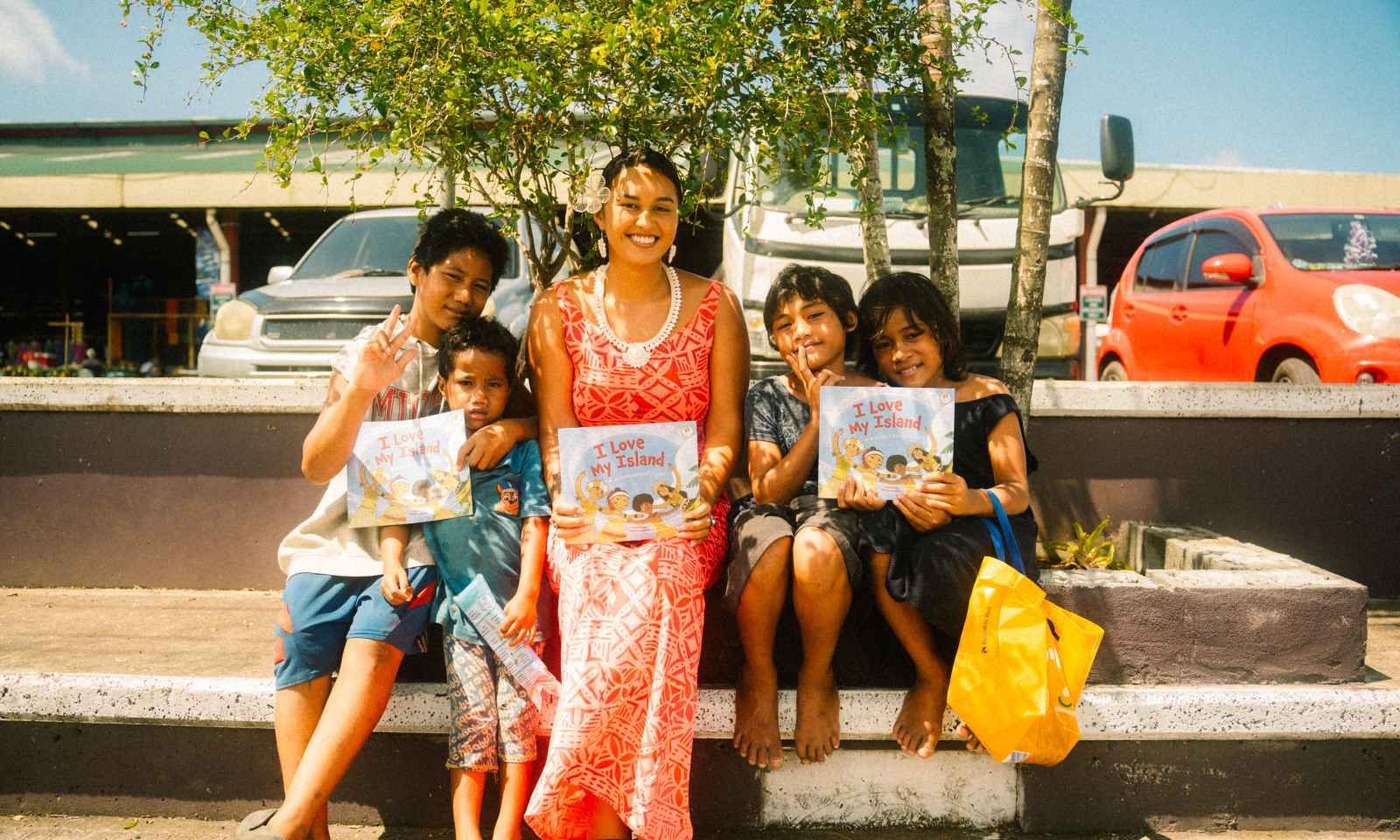
Sāmoan climate campaigner Moemoana Schwenke says Pacific young people need more space in regional decision-making, with climate change already affecting their lives, food systems, oceans and culture. Photo/Supplied
“For my country, youth make up majority of our population. So, of course, they need to be involved in the decision-making and be part of the solution because the decisions made today are going to affect the world that they inherit, as well as their children.”
She says the Pacific's climate reality must remain at the centre of those discussions.
“Climate change is not a distant future problem for the Pacific, and it's already shaping our lives, our food systems, our oceans, our culture.”
Schwenke says the 1.5°C target is not simply a figure being discussed at international meetings.
“And I think we would also stress the 1.5-degree goal, and it's not just another number. It's reality. It's our people. It's our homes.”
She says Pacific communities are also bringing solutions based on their own knowledge and culture.
“Our communities have knowledge and our cultures have systems of stewardship. And I believe our culture is what no other external force can take away from us. That's our superpower as Pacific people.”
Schwenke says countries that want to be good development partners need to support Pacific priorities.
“And if our development partners want to be good neighbours to us in the Pacific, they need to phase out fossil fuels, and they also need to back us in our priorities.
“In the Pacific, we do things collectively, and we live by Pacific values and Pacific ways of love, humility, respect.
“And our development partners, like Australia, like New Zealand, need to be on board, paddling on the same canoe towards the direction of a future that we not only survive but we can thrive in,” Schwenke said.
The 55th Pacific Islands Forum Leaders Meeting ends on Friday.