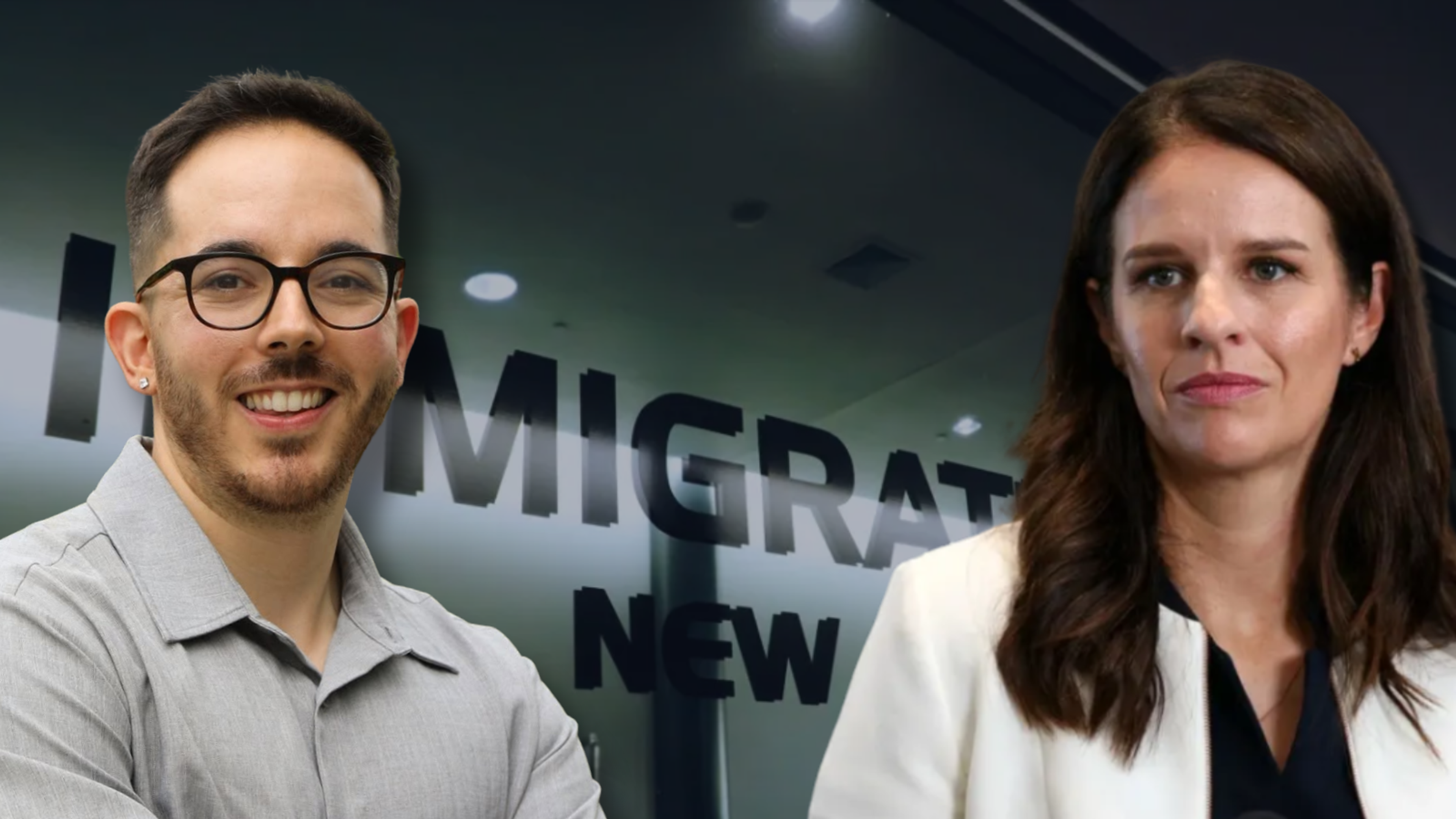
Green MP Ricardo Menéndez March and Immigration Minister Erica Stanford take opposing views on the new immigration rule affecting Pacific families.
Photo/PMN News/Composite
Immigration
Pacific families face deportation risk under new immigration rule
Parents can now be denied residence, with Pacific families caring for sick children among those most exposed.

Thomas Tarurongo Wynne
Published
13 November 2026, 5:23pm
Share
Copy Link
Top stories
Fiji's government defends electoral reforms as Law Society warns of ‘chilling effect’
Christine RovoiThu, 12 Nov
Pacific draws a hard line on 1.5°C and says relocation not an option
PMN NewsThu, 12 Nov
Top stories
Fiji's government defends electoral reforms as Law Society warns of ‘chilling effect’
Christine RovoiThu, 12 Nov
Pacific draws a hard line on 1.5°C and says relocation not an option
PMN NewsThu, 12 Nov
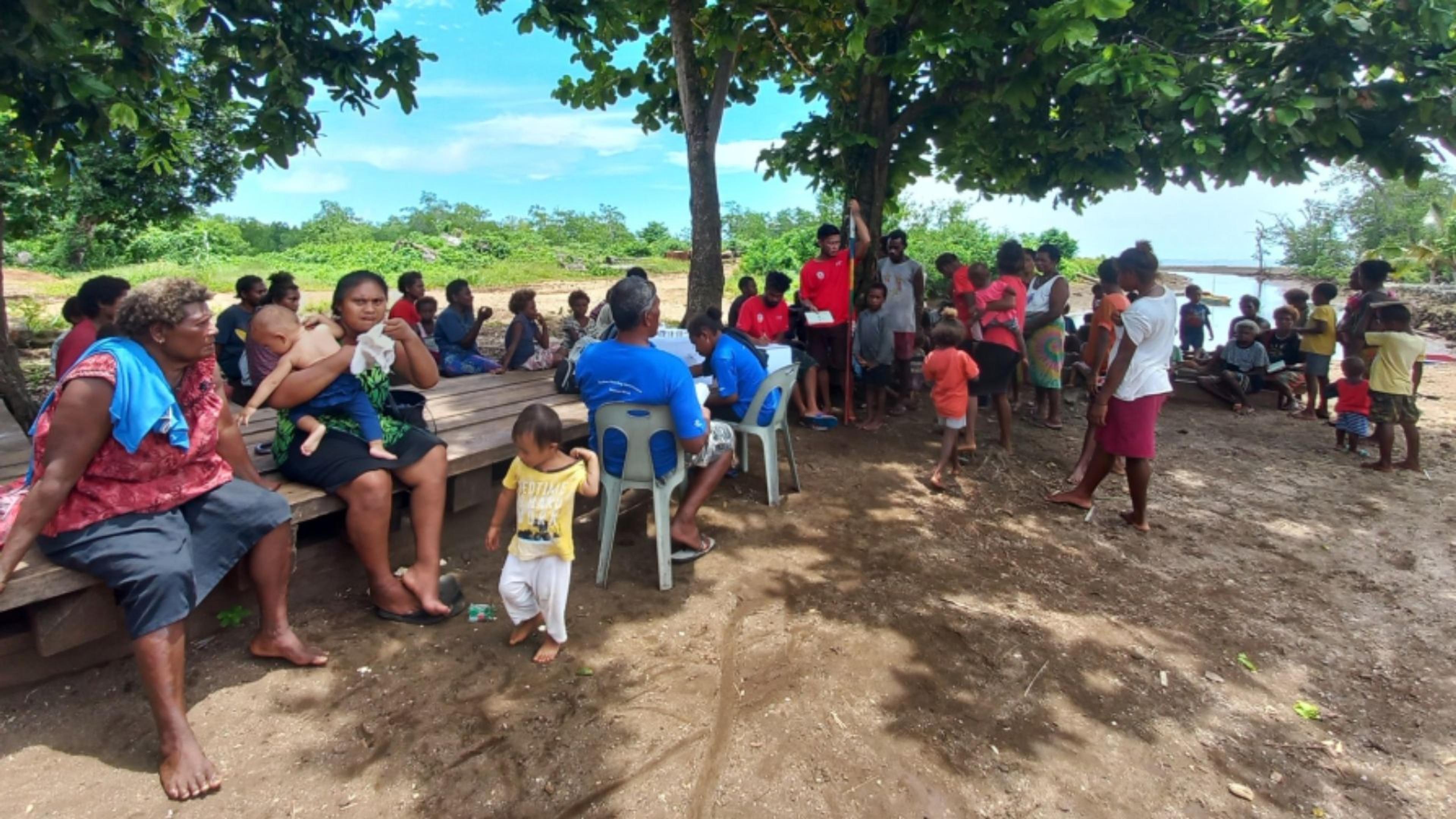
For some Pacific families, a new immigration rule could mean choosing between leaving New Zealand or sending a sick child back to a country where the treatment they need may not be available.
The rule came into force on 12 November during the caretaker period and means parents can no longer be granted residence if a dependent child is unlawfully in Aotearoa.
Green Party immigration spokesperson Ricardo Menéndez March says the families most likely to be caught are those whose children have been refused visas because they do not meet New Zealand's Acceptable Standard of Health.
"For many Pacific children who are facing this kind of discrimination, in some cases it can literally mean a death sentence," he said on Pacific Mornings.
One case Menéndez March has fought is that of a Fijian teenager Paula Navunisaulaki, who has chronic kidney disease and needs dialysis every night.
Navunisaulaki's health did not meet the required standard, leaving his family facing the prospect of sending him back to Fiji or breaking up the life they had built in New Zealand.
Watch Ricardo Menéndez March's full interview below.
His mother, Milika Coka, said in a petition that the family sent their son to relatives in Fiji in November 2023 but the arrangement "quickly became unsustainable". He returned to New Zealand seven months later on a short-term visa.
An Immigration and Protection Tribunal decision found Fiji had no paediatric kidney specialists or kidney transplant options while dialysis was limited and costly.
In October, media reported that the associate immigration minister had approved residence for Navunisaulaki after Menéndez March sought ministerial intervention.

Ricardo Menéndez March says other young people with serious health conditions or disabilities have been forced to leave New Zealand or faced the threat of deportation, with some separated from parents who stayed back to work. Photo/RNZ/Nick Monro
"It would have been a death sentence to send him back to Fiji where there was no adequate health care for him to have the treatment," Menéndez March says.
Navunisaulaki's case highlights the wider concern for Pacific families where access to specialist healthcare can vary sharply between Aotearoa and island nations.
Menéndez March says other young people with serious health conditions or disabilities have been forced to leave New Zealand or faced the threat of deportation, with some separated from parents who stayed back to work.
"This is why for us it's concerning because it's not just an abstract theoretical thing. We've seen what happens," he says.
Immigration Minister Erica Stanford has said the change is about ensuring consistent immigration outcomes for family members.
The Government estimates fewer than 35 applications a year will be affected. Those caught by the rule will still have appeal rights.
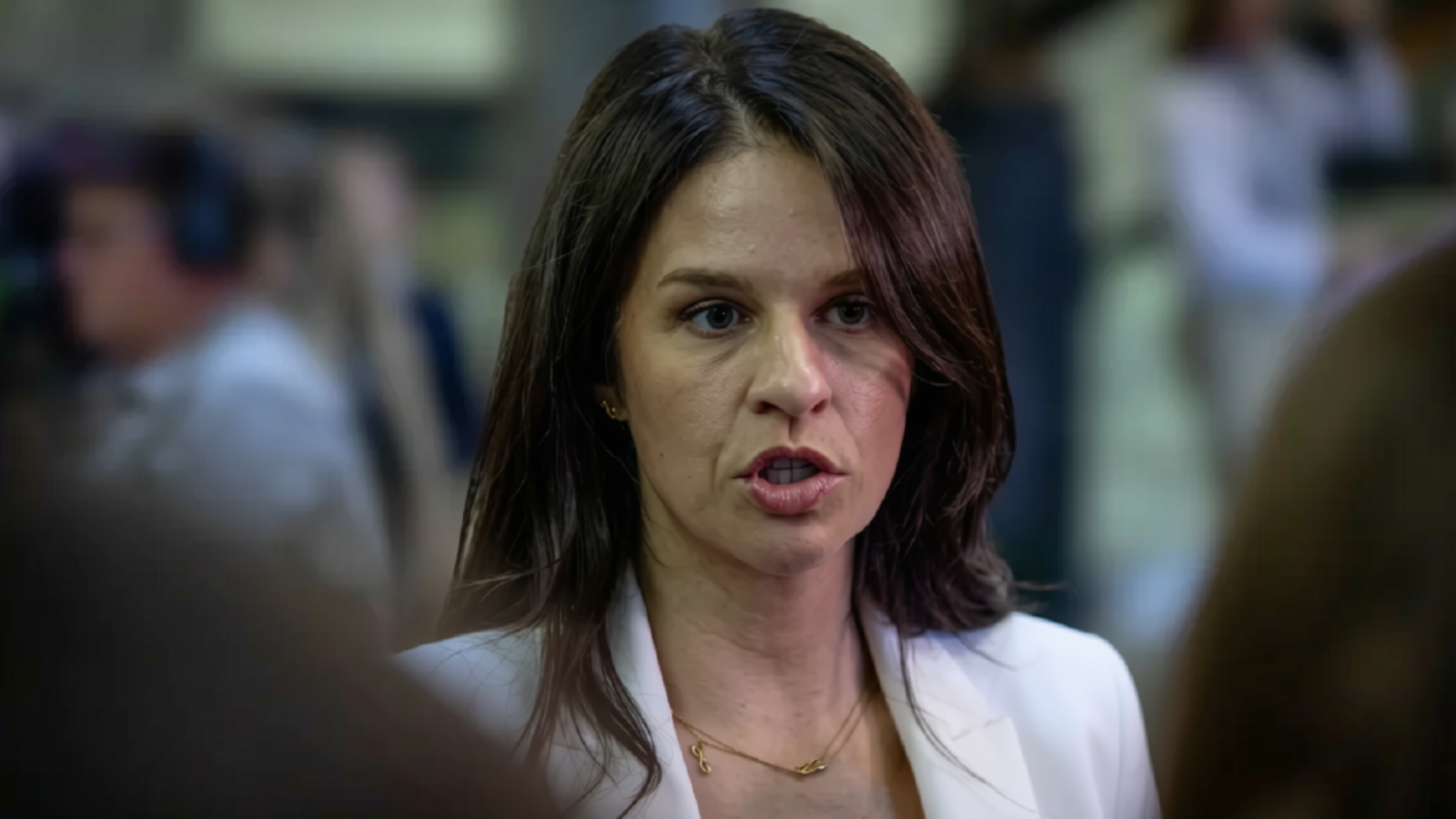
Immigration Minister Erica Stanford has said the change is about ensuring consistent immigration outcomes for family members. Photo/RNZ/Mark Papalii
But Menéndez March says the small number of cases is exactly why the rule should not be reconsidered.
"It's almost like cruelty was the point," he says. "It clearly does not affect our health and education system significantly to allow these children to settle in here."
He says many of the parents involved work in essential jobs such as aged care and health.
"The reason why people are waiting a long time in hospital is not because of one of the 35 families that will now be denied those visas," he says.
Immigration New Zealand says applications lodged before 12 November will be assessed under the previous rules.
For Pacific families already dealing with serious illness, Menéndez March says the concern is not simply about immigration paperwork. It is whether a child can remain with their family in the country where they can access the care they need.