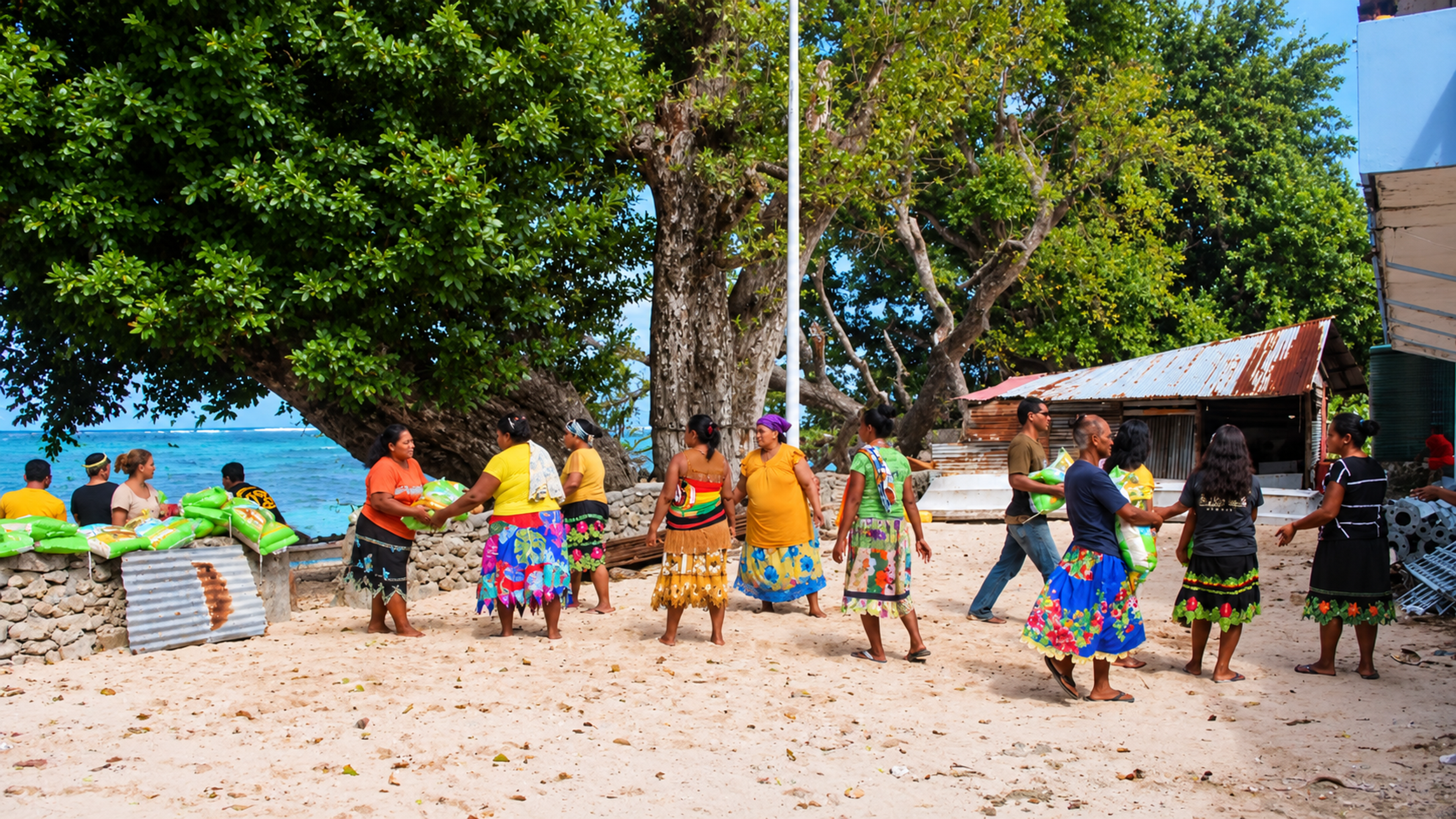
El Niño tightens grip on Pacific as authorities warn of drought and extreme weather
Lachlan EddieFri, 23 Oct
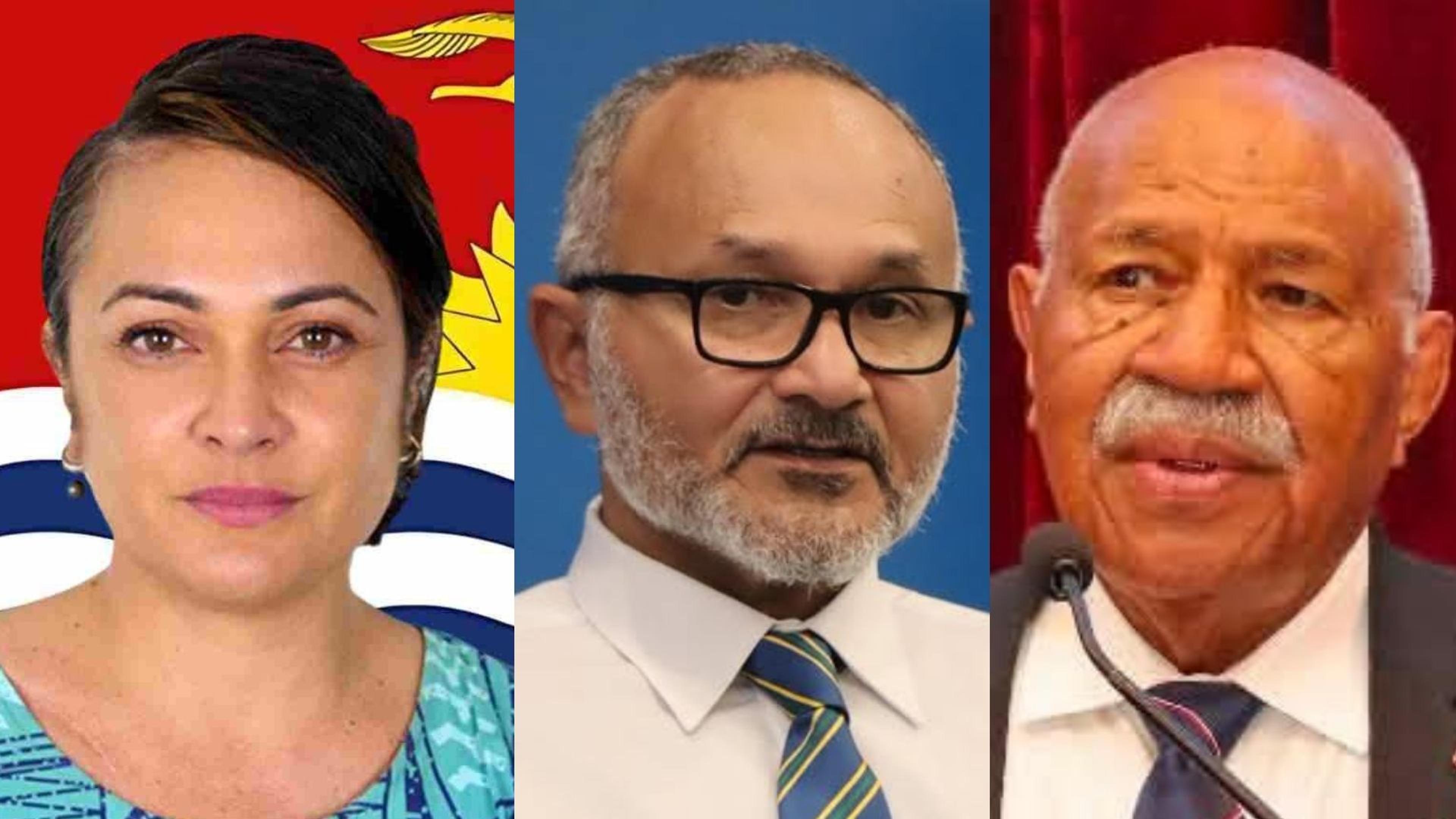
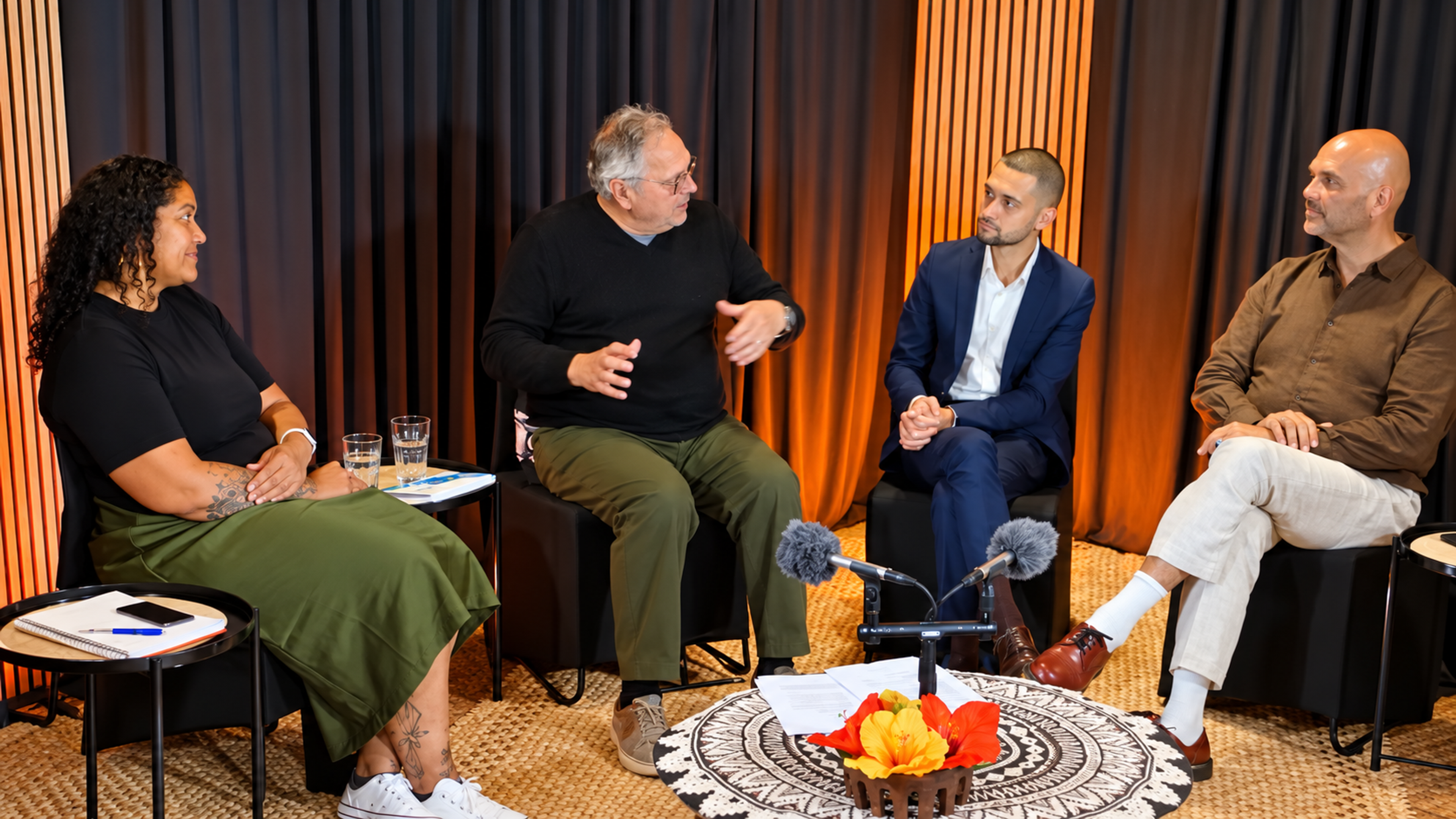
Kiribati Women Minister Ruth Kwansing, Solomon Islands Prime Minister Matthew Cooper Wale and Fiji Prime Minister Sitiveni Rabuka say regional security must be guided by sovereignty, partnership and Pacific priorities.
Photo/Supplied
As Australia expands its defence partnerships and China defends its missile test, Pacific leaders say the region's future must be shaped by island nations, not major power rivalry.

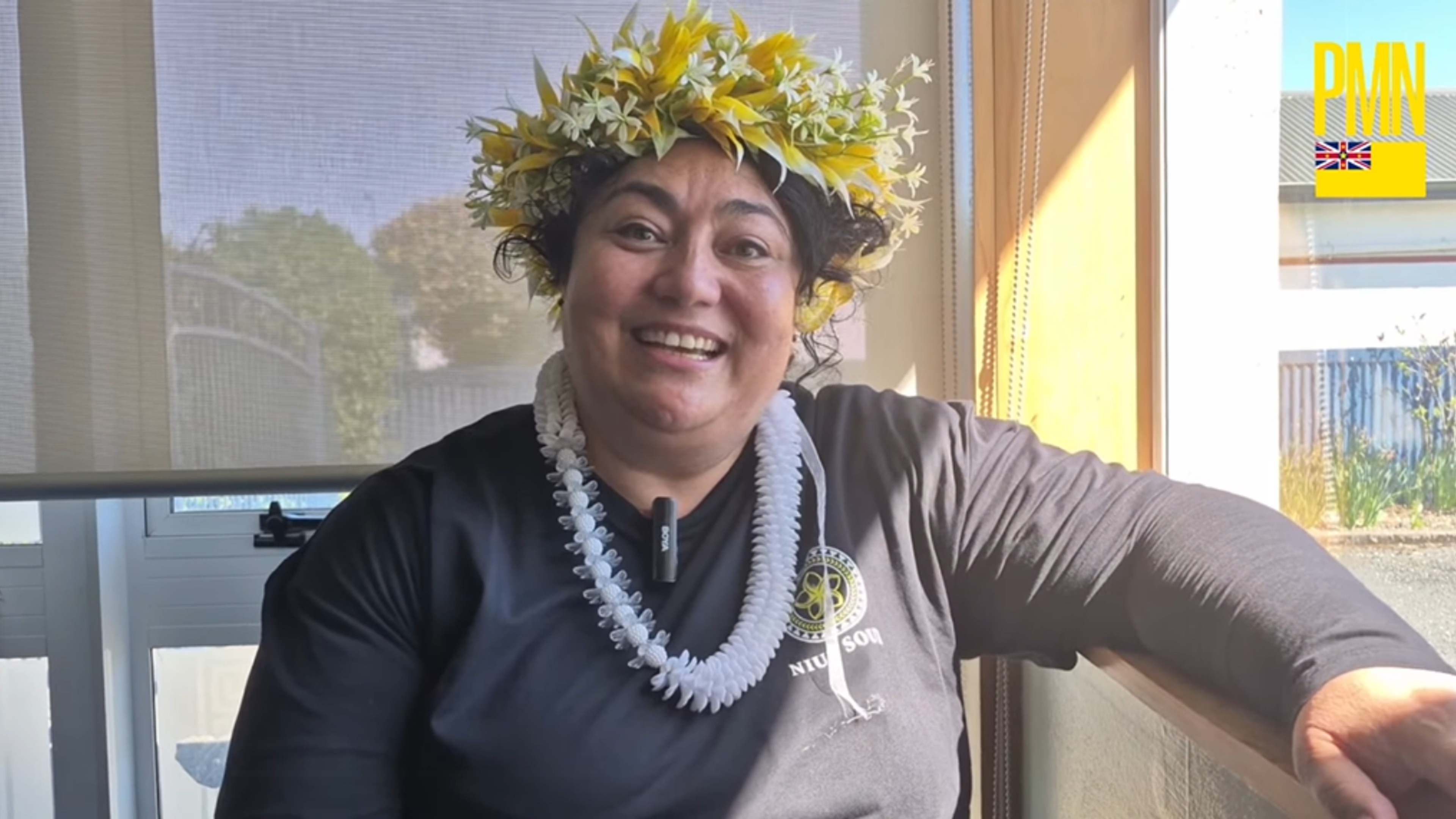
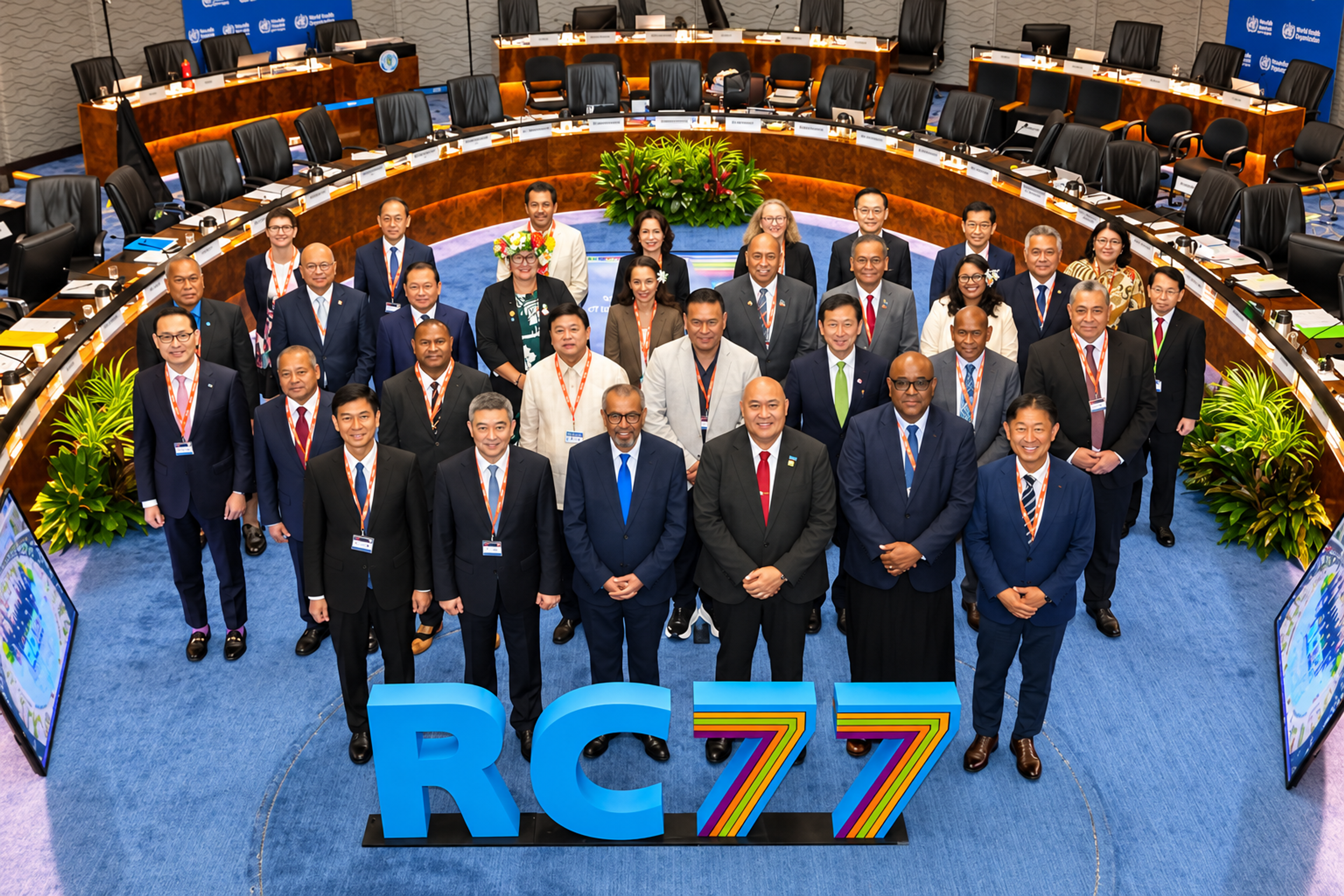
Australia's new defence alliance with Fiji and China's long-range missile test have thrust the Pacific back to the centre of global strategic attention.
But across the region, Pacific leaders are delivering a consistent message: they do not want their countries caught in growing competition between major powers.
Within hours of Australia signing the Ocean of Peace Alliance and Vuvale Union with Fiji on Monday, China carried out a long-range missile test over the South Pacific, saying it was part of routine military training.
The timing has intensified debate over regional security even as Pacific leaders continue to stress that sovereignty, regional unity and Pacific-led decision-making must come first.
Kiribati has reinforced that message, saying Pacific nations must remain united behind the region's long-standing vision of an Ocean of Peace rather than allowing major powers to dictate the regional security agenda.
Responding to questions from PMN News, the government said Pacific leaders would have an opportunity to discuss China's missile test together at the upcoming Pacific Islands Forum Leaders Meeting.

Kiribati government minister Ruth Kwansing says Pacific nations must remain united behind the region's vision of an Ocean of Peace as major power competition intensifies. Photo/Supplied
"When we talk about Pacific-led security and the Blue Pacific, we affirm that we are the architects of our collective future," Ruth Kwansing, the Minister of Women, Youth, Sport and Social Affairs, said.
"Major powers are apparently jostling each other in the Pacific as a chessboard for strategic competition. But for us, the Blue Pacific is not a geopolitical theatre; it is our paradise, our livelihood, and our home," Kwansing said.
Speaking alongside Australian Prime Minister Anthony Albanese in Suva, Fiji Prime Minister Sitiveni Rabuka rejected suggestions that the new defence agreement was aimed at China or would weaken Fiji's independence.
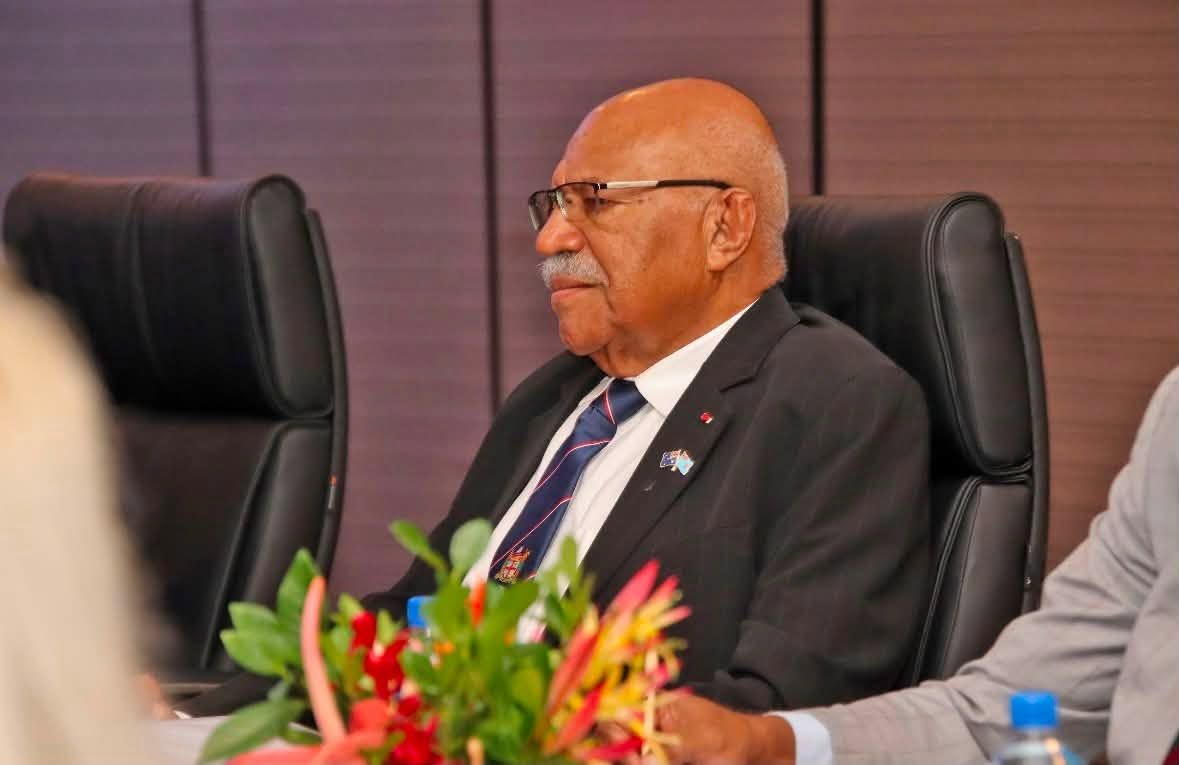
Fiji Prime Minister Sitiveni Rabuka says the new alliance with Australia does not compromise Fiji's sovereignty, stressing that dialogue and regional solidarity remain at the heart of Pacific security. Photo/Fiji govt
"We are protected by the articles of the United Nations," Rabuka said. "We are a member of the United Nations. If anything threatens that sovereignty, we have the Vuvale partnership."
Rabuka said Fiji would continue to rely on dialogue than confrontation.
"We will not take our differences to weapons. We will come to the conference table and work through that way to ensure that our sovereignty is respected."
Albanese said the agreement builds on decades of defence cooperation between the two countries rather than creating a new military bloc.
"This alliance is about elevating what is a long history of defence cooperation."
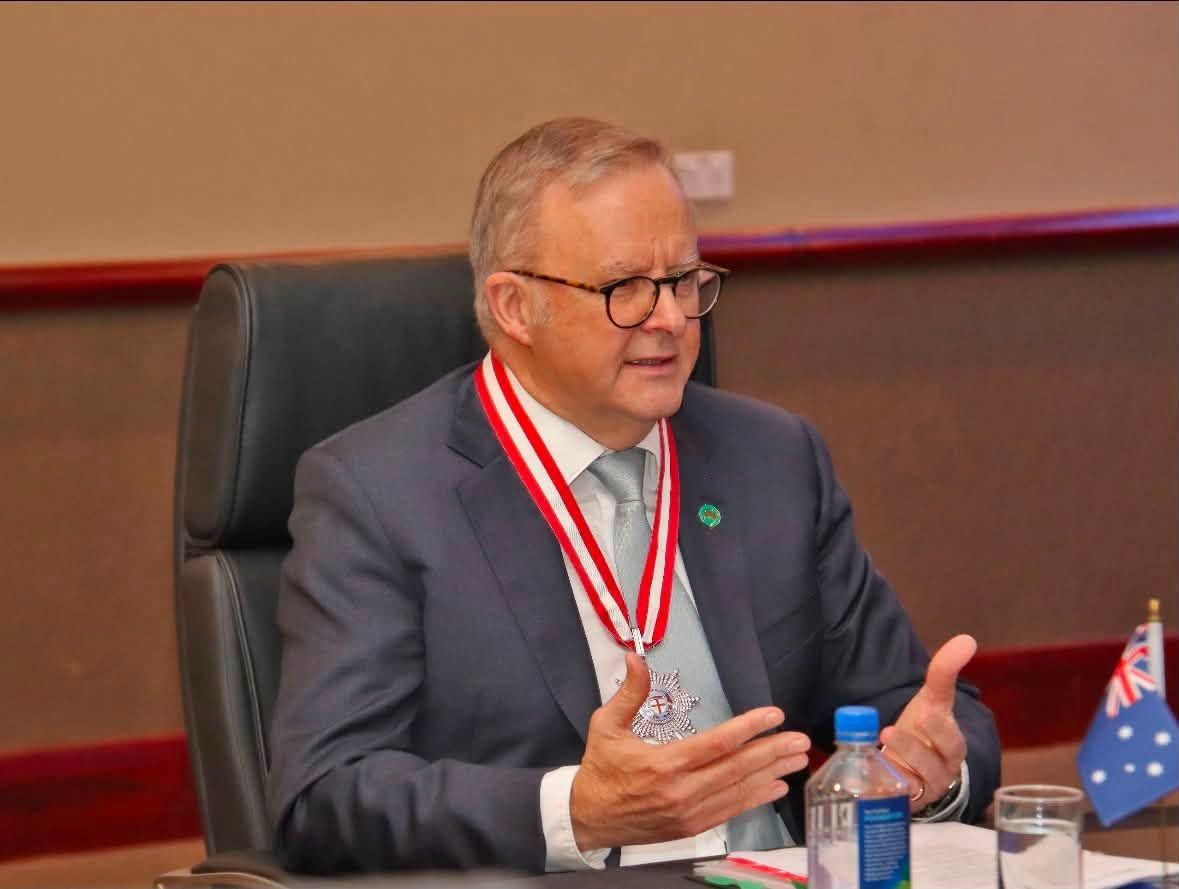
Australian Prime Minister Anthony Albanese says the new defence alliance with Fiji strengthens decades of cooperation and reflects Australia's commitment to the Pacific family. Photo/Fiji govt
Albanese said Australia wanted Pacific countries to play the leading role in protecting regional security.
"We have said very clearly that when it comes to security issues, the Pacific family need to look after our own security."
Solomon Islands Prime Minister Matthew Wale also criticised the missile test despite his country's close relationship with Beijing, saying he had formally raised the issue with China's Ambassador during Albanese's visit to Honiara.
"China is a good friend of Solomon Islands. But this is not something a friend does. We don't want to see any more countries - China, America, anybody - testing their ICBMs in the Pacific Islands region. That's the bottom line: be our friend but don't threaten us," Wale said.
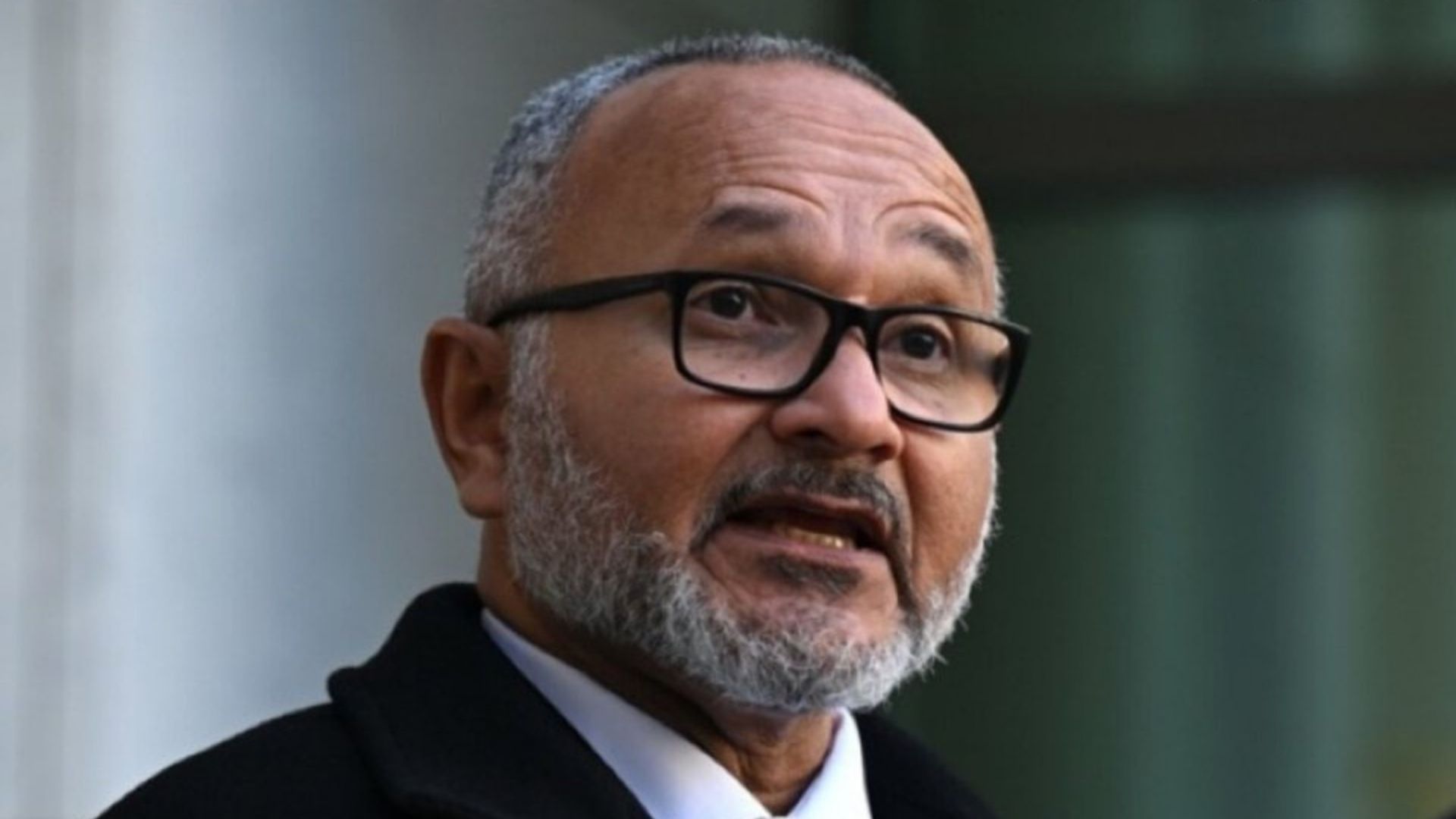
Solomon Islands Prime Minister Matthew Wale says Pacific countries should respond to regional security challenges together through Pacific-led institutions, arguing that unity and collective decision-making must remain at the centre of the region's approach to growing geopolitical competition. Photo/Prime Minister's Office, Solomon Islands
Speaking as Chair of the Pacific Islands Forum, Wale said the launch went against the region's long-standing commitment to keeping the Pacific an Ocean of Peace and urged all major powers to respect that position.
Wale has also urged Pacific countries to respond to security challenges through regional institutions than separate security arrangements with outside powers, arguing that Pacific unity should remain at the centre of regional decision-making.
The China missile launch drew criticism from Australia and New Zealand, which said it was inconsistent with the Pacific's goal of remaining an Ocean of Peace.
New Zealand Foreign Minister Vaovasamanaia Winston Peters described Beijing's action as "an unwelcome and concerning development", saying the Pacific "is an Ocean of Peace", with no interest in China using the region as a testing site for missile capability.
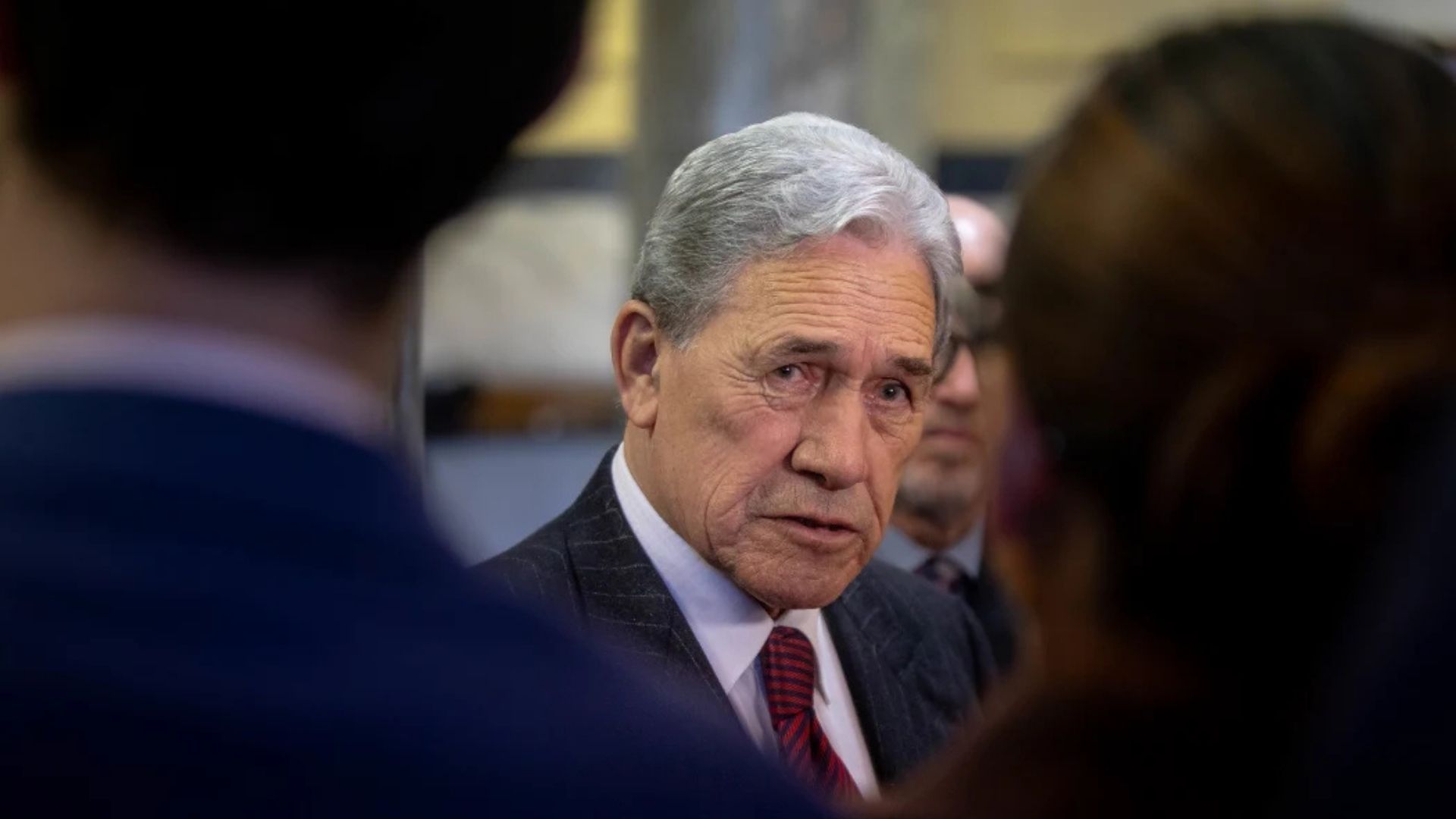
Winston Peters says the Pacific is "an Ocean of Peace" and should not be used as a missile testing site. Photo/Supplied
China responded in separate statements from its Ministry of National Defense and Ministry of Foreign Affairs, saying the test was part of routine annual military training.
Its Defence Ministry said a nuclear submarine launched a strategic missile carrying a training simulation warhead that landed in a designated area within the South Pacific Nuclear Free Zone, reviving painful memories of decades of nuclear testing across the region.
Reports suggest the missile landed near Tuvalu's exclusive economic zone (EEZ).
Chinese defence spokesperson Wang Xuemeng said a nuclear submarine had launched "a strategic missile carrying a training simulation warhead" that landed in a designated sea area, adding that "relevant countries were informed in advance".
Foreign Ministry spokesperson Mao Ning said the operation was "conducted safely, in a standardised manner and professionally" and was "not directed at any specific country or target".
Mao added: "It is hoped that relevant countries will not over-interpret this."
While acknowledging China's explanation, Kwansing said Pacific countries should carefully assess all the available information before reaching conclusions.
"China’s Ministry of Defence has reiterated that the launch was a routine annual training exercise in compliance with international law.
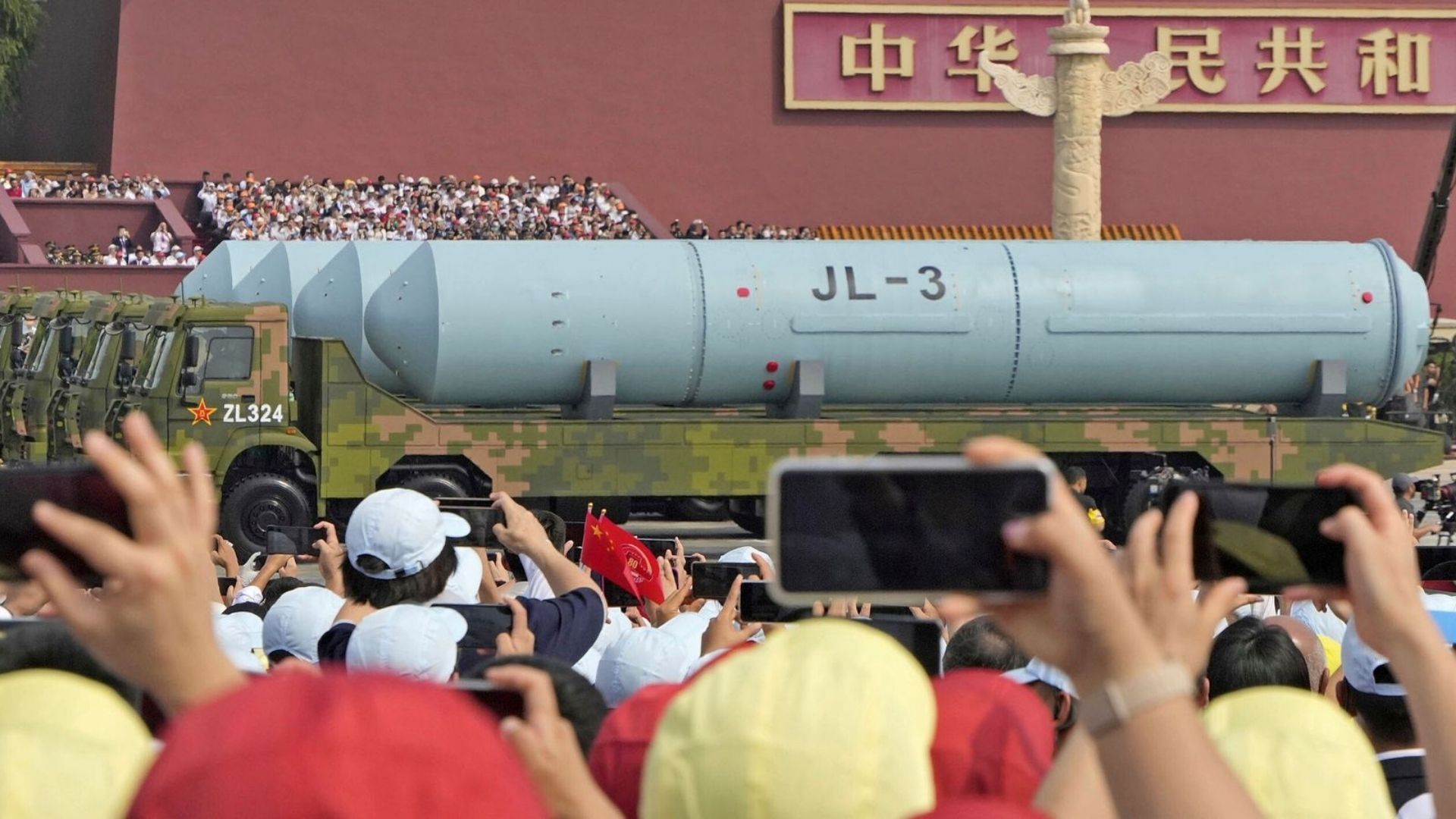
China says its long-range missile test over the South Pacific was routine military training, but the launch has renewed debate over security, sovereignty and strategic competition across the Blue Pacific. Photo/SkyNews/screengrab
"As a region, it is necessary to compile all relevant information to fully understand the context, noting that some Pacific neighbours have raised valid questions.
"Our region has a shared position: an Ocean of Peace, free from major power competition. Our leaders will soon meet, offering an opportunity to review the facts and determine a collective regional position," Kwansing said.
The launch also appeared to have been carefully planned.
Satellite tracking data from New Zealand-based Starboard Maritime Intelligence showed three Chinese tracking vessels positioned across the Pacific to monitor the missile.
Watch Dr Gordon Nanau's full interview on the China missile test, among other things, below.
Mark Douglas, an analyst at Starboard Maritime Intelligence, said the deployment showed the operation had been organised well in advance.
"This test has been planned well in advance," Douglas said.
The latest developments come as Australia strengthens security ties across the Pacific through agreements with Fiji, Papua New Guinea and Vanuatu, while holding treaty talks with Solomon Islands.
Pacific Islands Forum leaders are preparing to meet in Palau, where regional security is expected to dominate discussions.
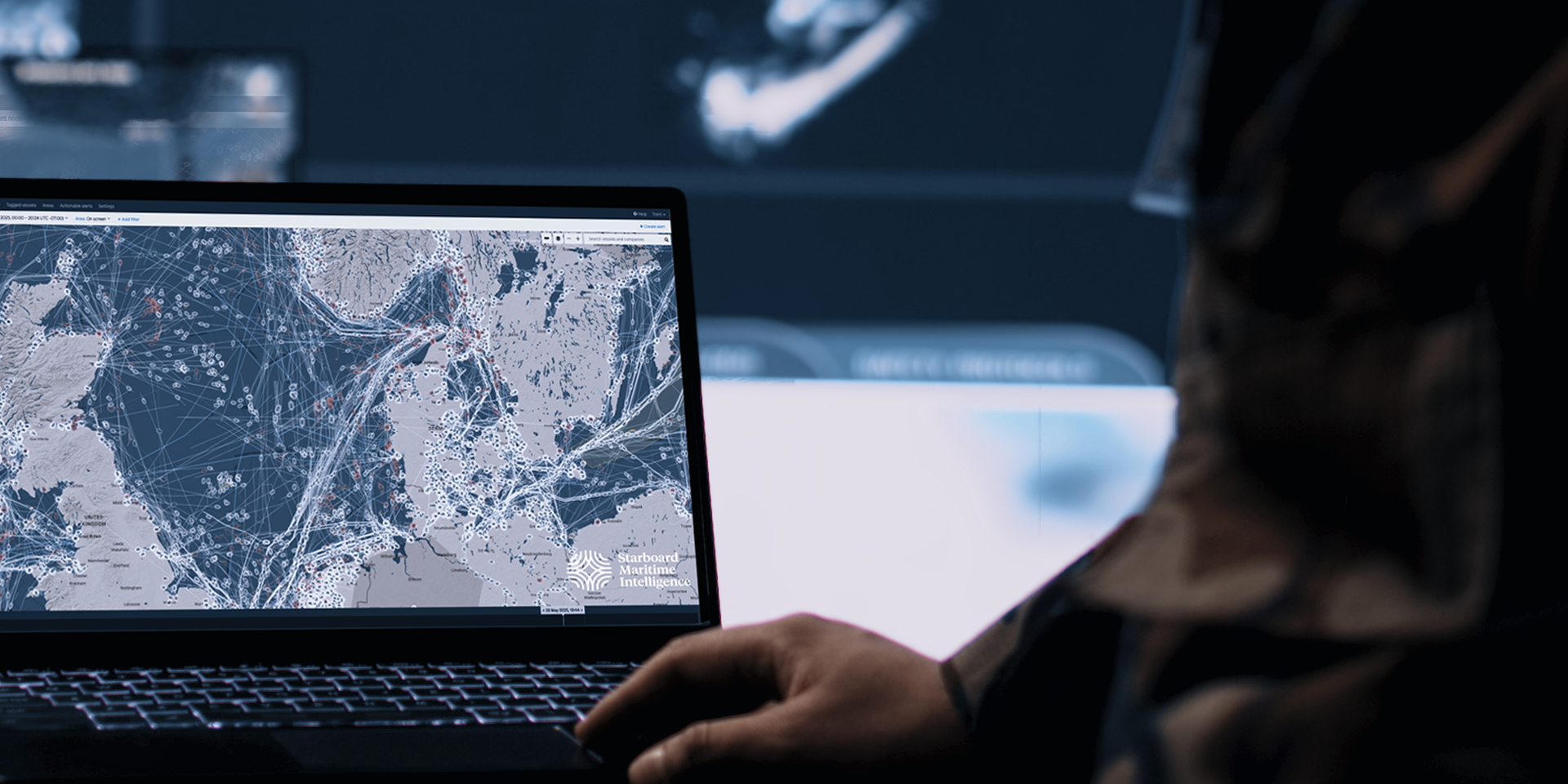
Satellite tracking data showed the launch had been carefully planned. Photo/Supplied
The Forum's 2026 Pacific Security Outlook had already warned that military activity in the region was likely to increase over the next two years, predicting greater competition between major powers.
Kwansing said Pacific-led security also meant Pacific nations should define security according to their own priorities.
"For Kiribati, the greatest threat to our security is not military; it is the pressures of climate change and the protection of our ocean resources."
She said Kiribati's approach of being "friends to all, enemies to none" remained guided by regional unity and its commitment to preserving the Pacific as an Ocean of Peace.
Watch Labour MP and former military officer Dan Rosewarne's full interview on the fallout from the China missile test below.
But for many Pacific governments, the central message remains unchanged: regional security should be shaped by Pacific priorities with sovereignty, partnership and collective decision-making at its core than by rivalry between larger powers.
The 55th Pacific Islands Forum Leaders Meeting will be held in Palau from 30 August to 4 September. The summit will focus on the theme, "Building Economies: Life. Action. Unity."