Online vault aims to return Pacific research to the community
Aui'a Vaimaila Leatinu'uWed, 21 Oct
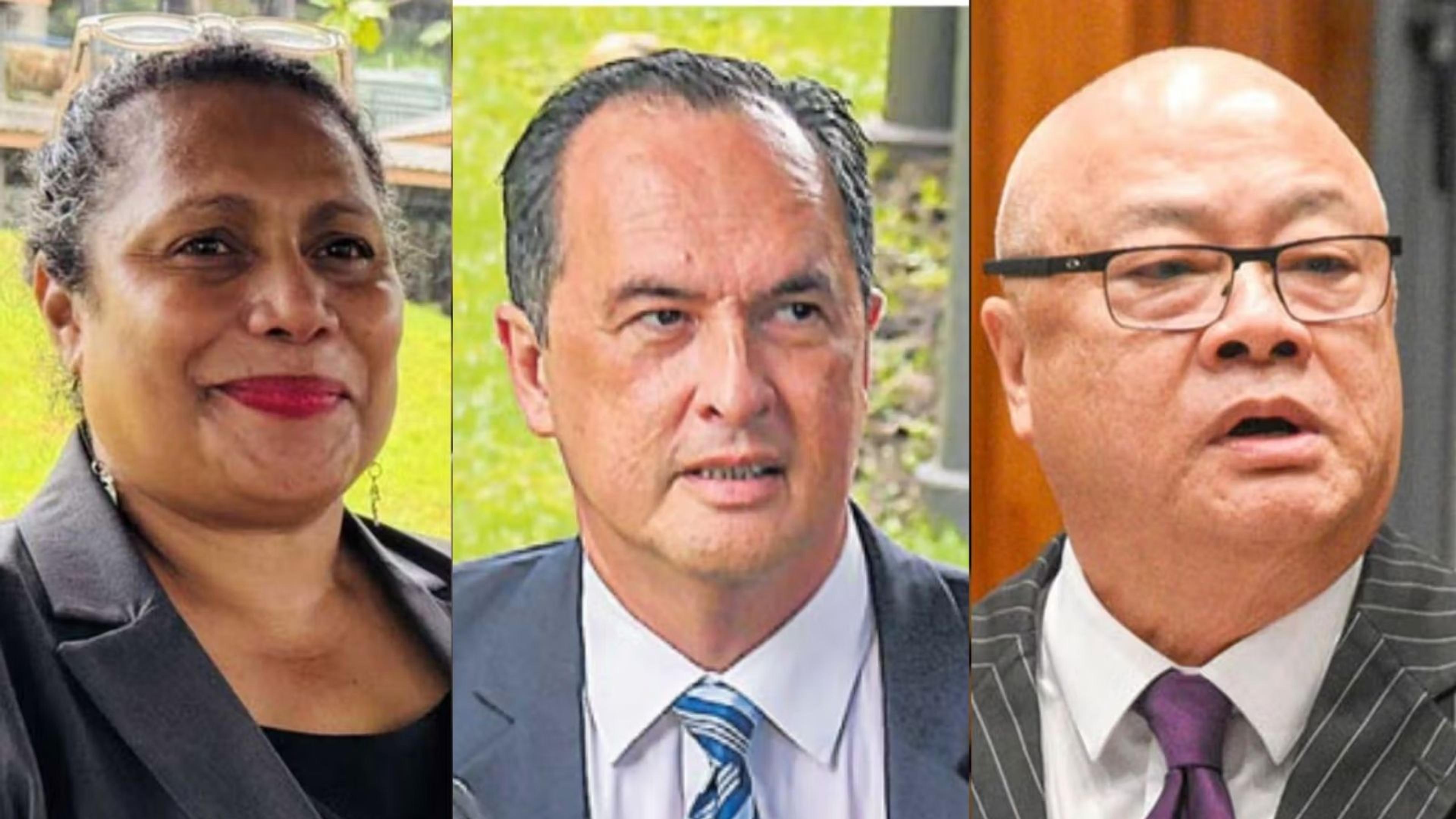
From left: Former FICAC Commissioner Barbara Malimali, Fiji Law Society President Wylie Clarke and former Attorney-General Graham Leung, were among those who challenged the Commission of Inquiry report in the High Court.
Photo/Supplied
A 154-page ruling has declared the inquiry report null and void, finding apparent bias, overreach and a failure to give key people a fair hearing as the government weighs whether it will appeal.



The Fiji High Court has declared the report of a Commission of Inquiry into the Fiji Independent Commission Against Corruption (FICAC) null and void and found the process was affected by apparent bias, went beyond its legal powers and failed to give key people a fair chance to respond.
Justice Dane Tuiqereqere set aside the report's adverse findings and recommendations in a 154-page judgment following legal challenges brought by former FICAC Commissioner Barbara Malimali, former Attorney-General Graham Leung, Fiji Law Society (FLS) President Wylie Clarke and former FLS president Laurel Vaurasi.
The High Court ruling last Friday follows a series of legal setbacks linked to the FICAC saga.
Earlier this year, the court ruled that the removal of Malimali was unlawful while Deputy Prime Minister Manoa Kamikamica was also acquitted of perjury and giving false information to a public servant over evidence he gave to the Commission of Inquiry.
The High Court has also permanently stayed criminal proceedings against former journalist Charlie Charters, finding FICAC breached his constitutional rights, including his right to remain silent and to protect confidential journalistic sources, and abused the court process.
The court found the prosecution was fundamentally flawed and “doomed to fail”.

Deputy Prime Minister Manoa Kamikamica, right, and former journalist Charlie Charters, whose separate legal cases have added to growing scrutiny of the country's anti-corruption agency FICAC. Photo/Supplied
On Monday, the High Court also ordered the Fiji Police Force to return seven electronic devices seized from Charters after the devices were re-seized despite an earlier order that they be returned.
Charters said on social media that the devices were to be handed back after the court hearing.
Friday's ruling could now force the government to confront the fallout from a process that led to serious findings against the applicants and the removal of Malimali and Leung from their positions.
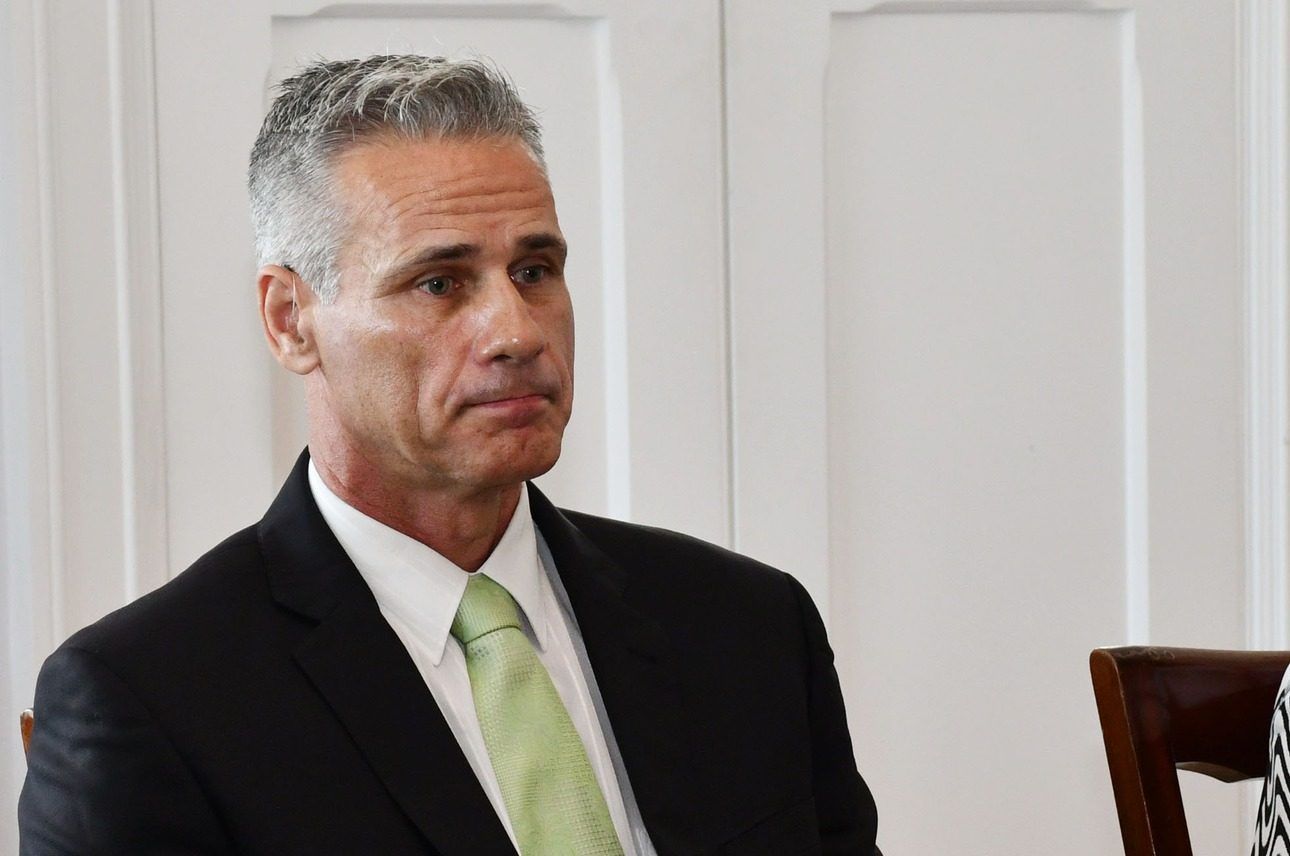
Justice Dane Tuiqereqere delivered the 154-page judgment declaring the Commission of Inquiry report into FICAC null and void. Photo/Supplied
Justice Tuiqereqere found what he described as “more than ample evidence” of apparent bias by inquiry commissioner Justice David Ashton-Lewis.
The judgment referred to public comments in which Ashton-Lewis spoke about identifying “crocodiles in the pond”, finding that a fair-minded observer could conclude the commissioner had approached the inquiry with a preconceived view of wrongdoing rather than an open mind.
The court also found breaches of natural justice. It ruled that Malimali and Leung were removed from their executive positions following adverse findings without being shown the inquiry report or given an opportunity to respond before those decisions were made.
The court also found that the inquiry had continued beyond the legal period allowed for it.
Its formal mandate expired on 31 January 2025, with the court finding a later extension was legally ineffective. That meant work carried out after 1 February, including the final report submitted on 1 May 2025, was unlawful.
The court also rejected findings against Clarke and Vaurasi over events at FICAC headquarters in September 2024, describing conclusions about a conspiracy and “undue influence” as irrational, unsupported by evidence and outside the inquiry's terms of reference.
Prime Minister Sitiveni Rabuka has rejected suggestions the ruling represents a defeat for his coalition government or means public money was wasted on the inquiry.
“I have not made up my opinion," he told local media. "I’m waiting for my counsel to read the 153 pages... Have they won the case? No, they have not. Read the report again.”
Rabuka says he will wait for advice from the Solicitor-General before deciding whether the State will appeal.
That could be closely watched in Fiji with the country heading into an election year.
Lawyer Tanya Waqanika, who represents Malimali, has already taken the issue to the Judicial Service Commission.
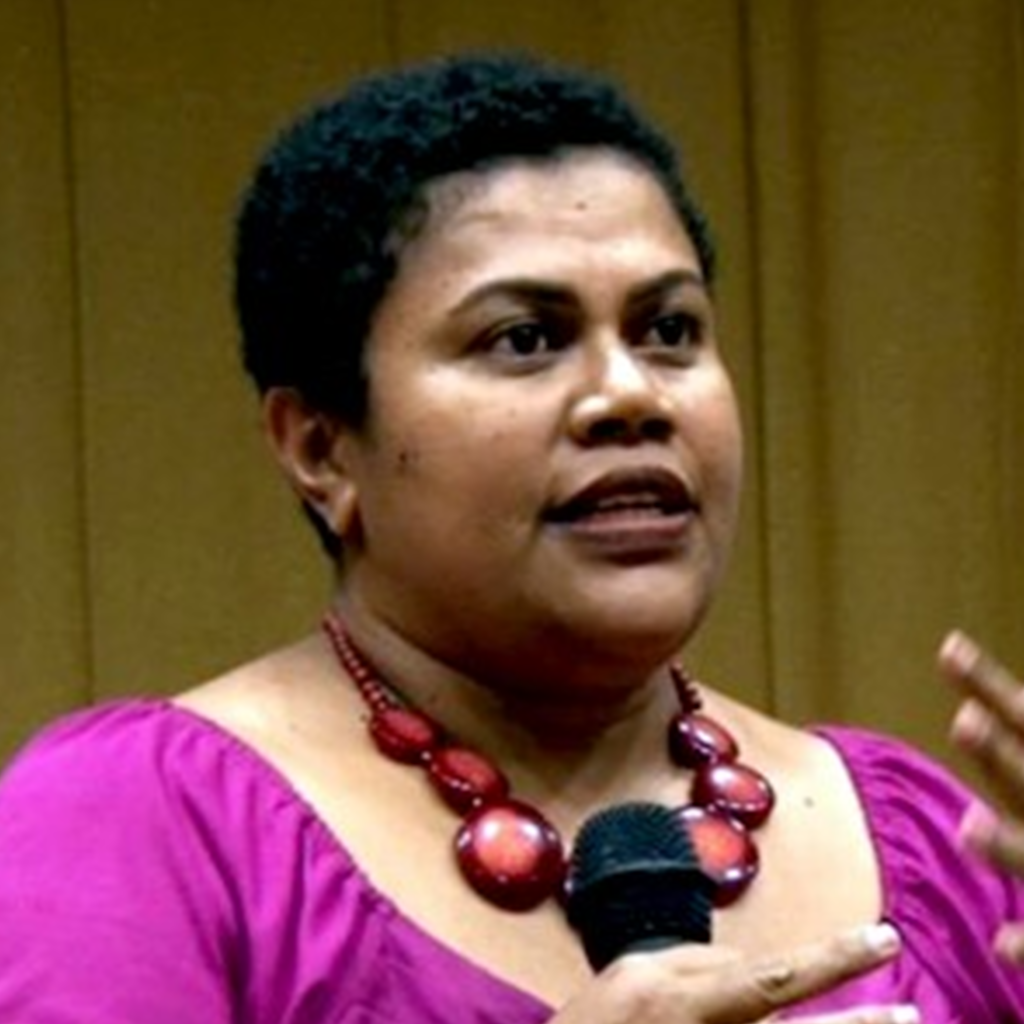
Lawyer Tanya Waqanika, who represented former FICAC Commissioner Barbara Malimali, says the High Court ruling raises serious questions over the consequences of the Commission of Inquiry process and the decisions that followed. Photo/pacwip.org
“The court decision effectively renders the Commission of Inquiry report null and void and raises serious questions over the constitutionality of dismissals linked to the process... They have to do the right thing, especially now that it is an election year,” she told reporters outside the High Court.
Waqanika says the government now needs to address the damage caused to those affected, including the impact on their reputations, finances and careers.
Leung has welcomed the ruling but says he is being cautious while the possibility of an appeal remains.
“I haven’t had time to read the ruling, the State can appeal so I have to be circumspect in what I say," he told reporters. "The cost of this has been personal in the sense that there was uncertainty, knowing that there were people out there who said these things about you.”
Clarke and Vaurasi have also welcomed the decision and thanked those who supported them through the judicial review process.
The High Court will return to the matter on 25 August to hear submissions on legal costs.