High blood pressure a silent killer, Solomon Islands calls for stronger action
Lachlan EddieFri, 23 Oct
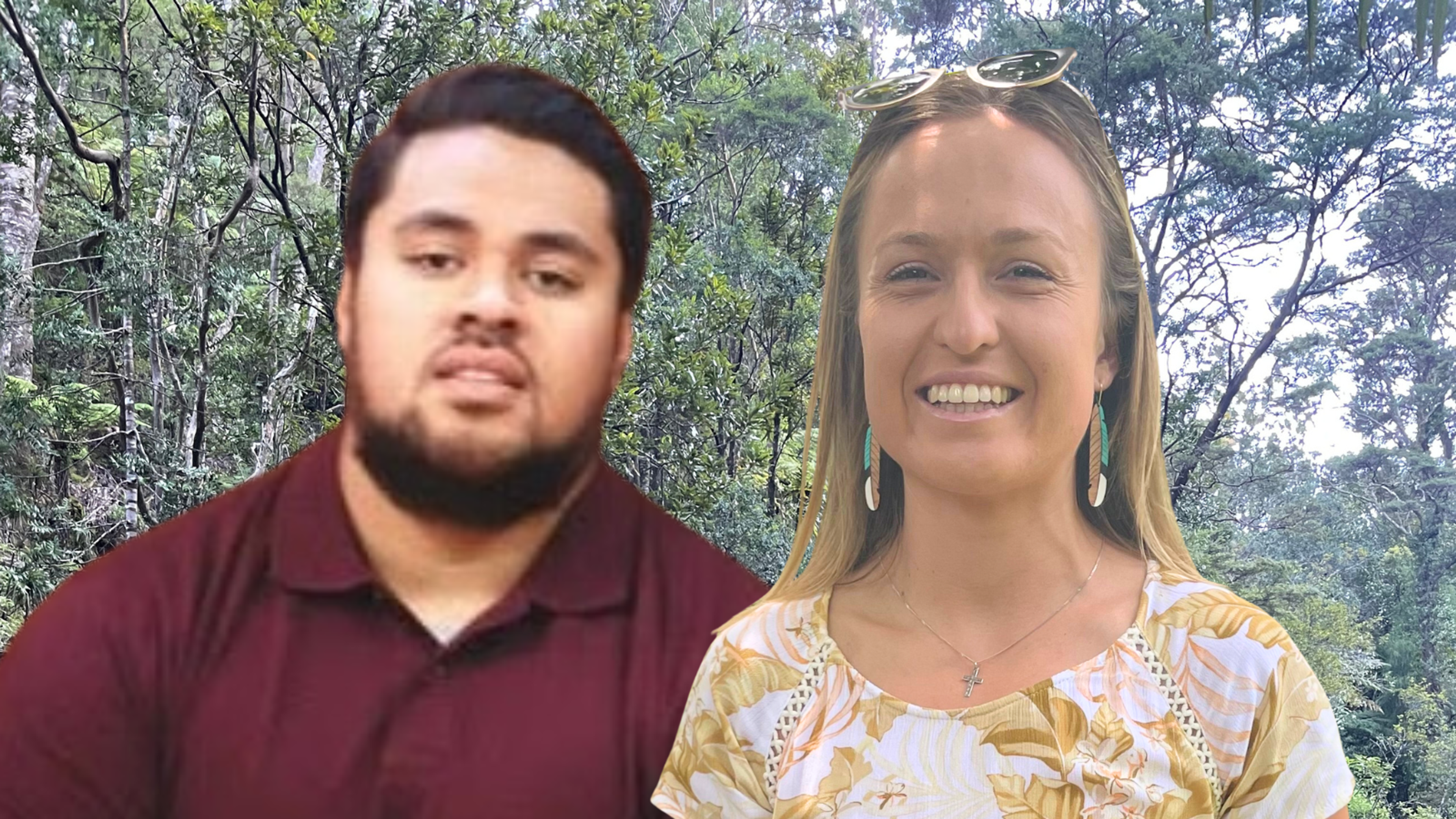
High school teachers Michael Bureta and Freya Bullock say Outdoor Education is an important subject.
Photo/Supplied
After a 53,000-signature campaign saved the senior subject, educators say its future should be shaped by indigenous knowledge, strong cultural connections and a clear pathway for students.



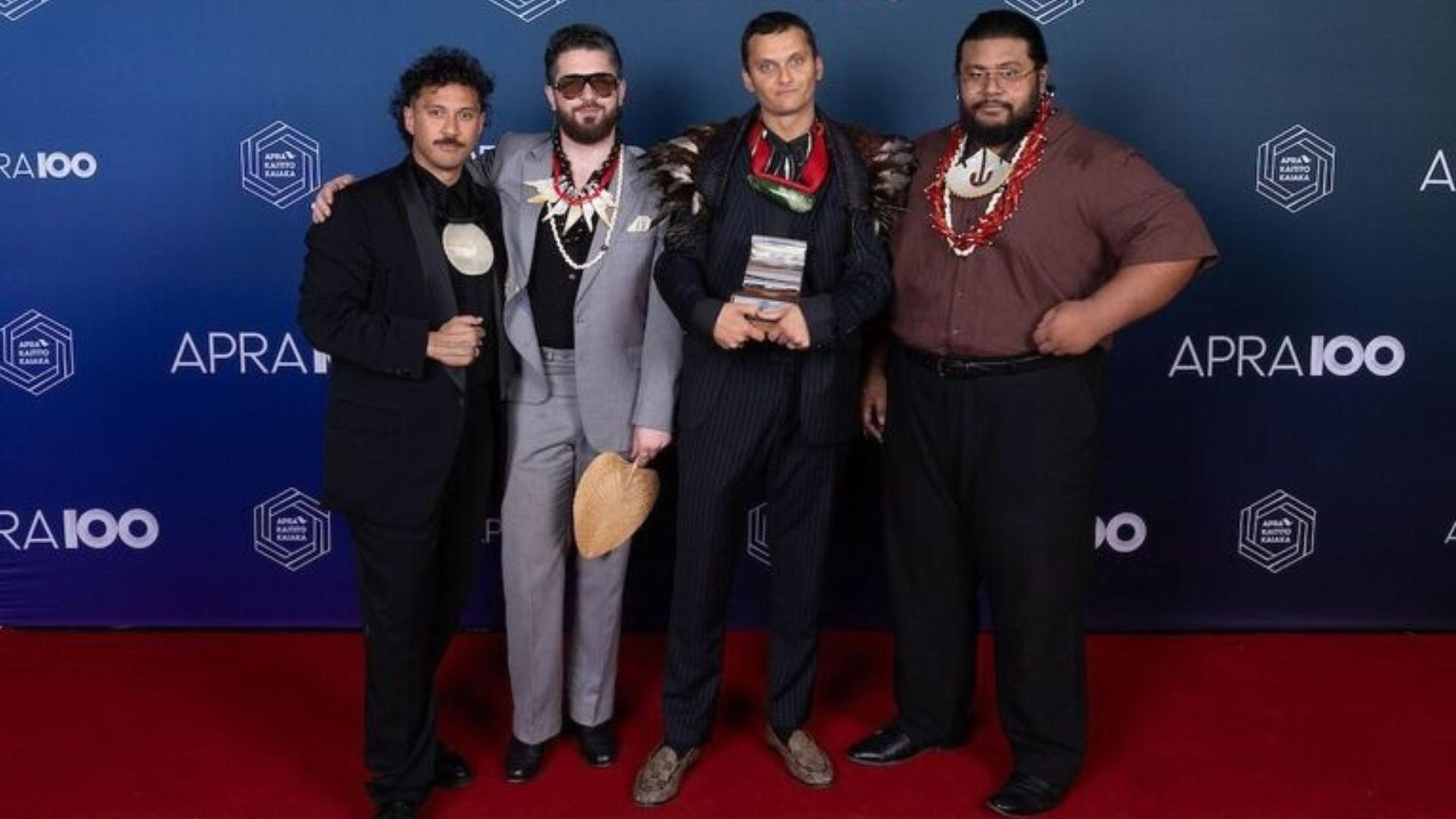
Outdoor Education has been saved as a Ministry-led subject for Years 12 and 13.
But educators say the real work now is deciding what the subjects should look like and who gets to shape it.
More than 53,000 people signed a petition calling for the subject to be retained after plans to move it towards a narrower,industry-led vocational pathway sparked concern.
The Ministry of Education confirmed last month that it would develop Ministry-led Outdoor Education curriculum for Years 12 and 13.
But there is still no Ministry-led Outdoor Education subject at Year 11.
More than 3000 Year 11 students currently study Outdoor Education, according to Education Outdoors New Zealand, which is developing its own Year 11 curriculum to help bridge the gap between Year 10 and the new senior subject.
Watch Freya Bullock and Michael Bureta's full interview below.
Schools will decide whether to adopt it.
Educators say the bigger opportunity is to make sure the new senior curriculum reflects the way Māori and Pacific communities have long understood the relationship between people and the environment.
Freya Bullock, Head of Outdoor Education at Western Springs College, says Māori and Pacific knowledge should be central.
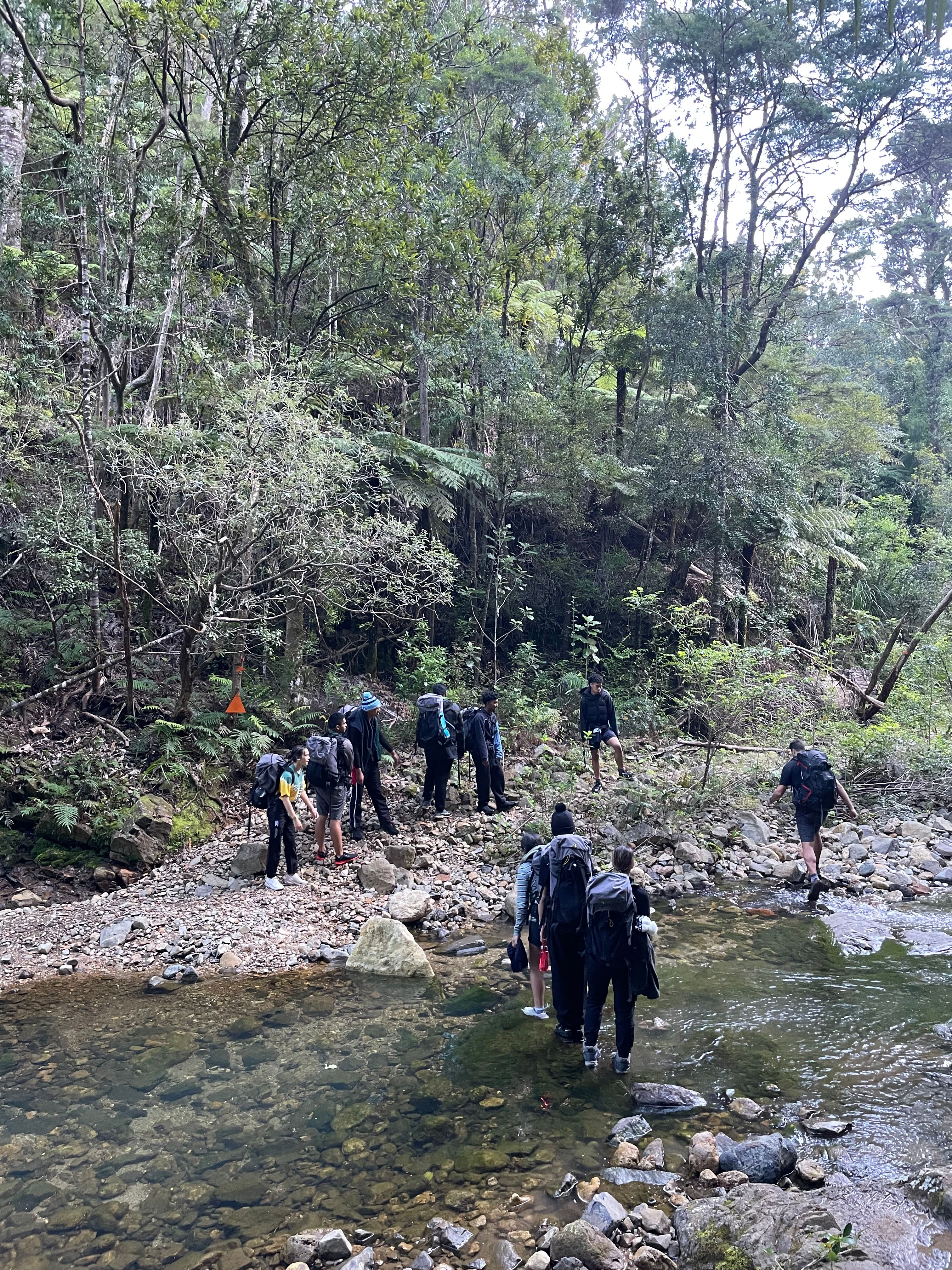
Freya Bullock's students, connecting with the environment. Photo/Supplied
“From a Te Ao Māori and Indigenous Pacific perspective, the taiao or the environment was our kaiako, our teacher back in the day,” she tells William Terite on Pacific Mornings.
Bullock, who has Ngāpuhi and Ngāti Kahu heritage, says the move towards classroom-based Western education has meant young people can miss out on learning from the natural environment.
Bullock says that connection can also strengthen cultural identity.
“Connecting with the whenua, connecting with the moana is actually connecting with ourselves and our own whakapapa,” she says.
Michael Bureta, Aorere College Head of Physical Education, says Outdoor Education also gives Pacific students a chance to show strengths that may not always come through in a traditional classroom.
“Being outdoors, it does something. You see something awaken in them,” the Sāmoan educator told Terite.
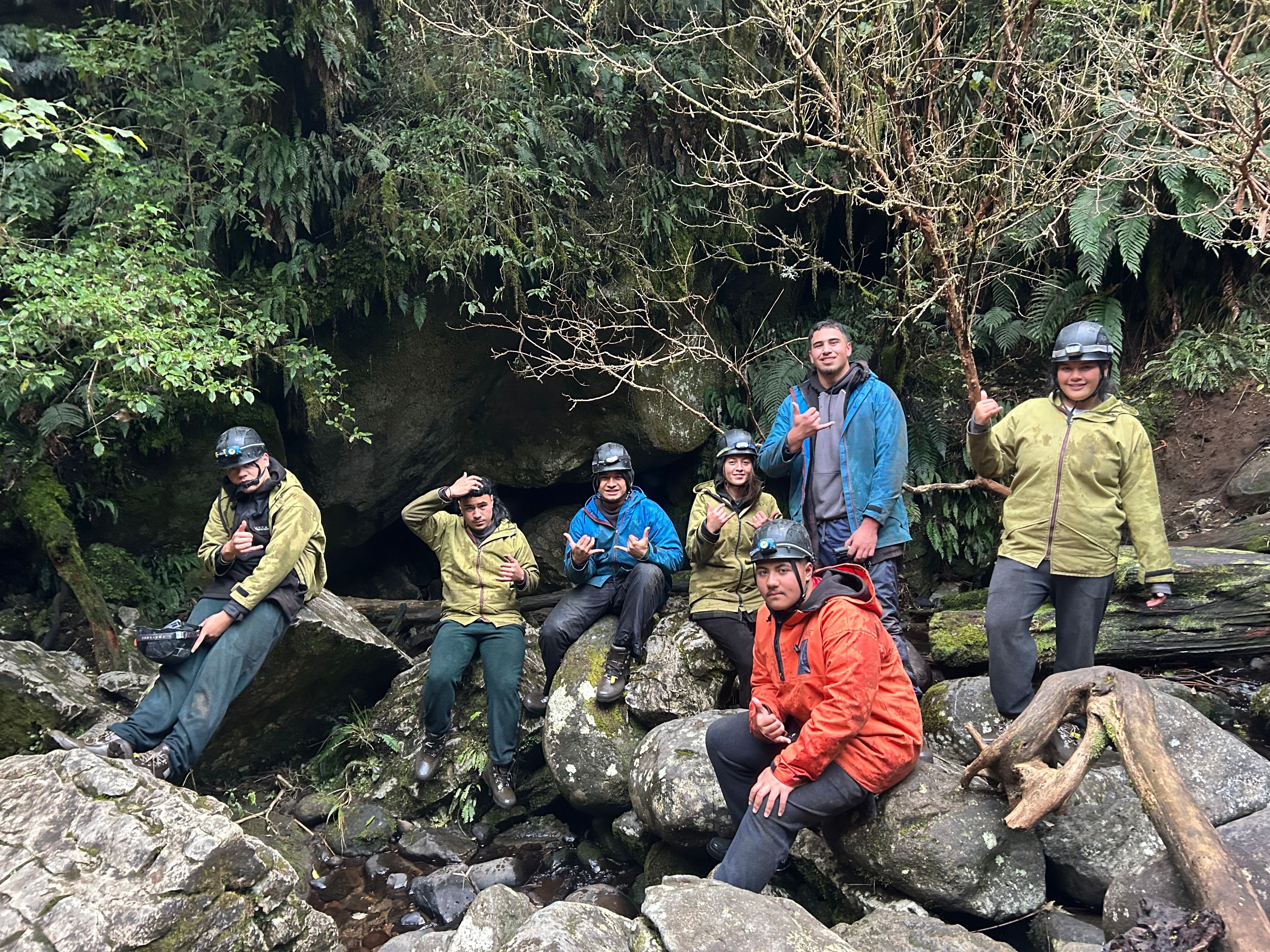
Students connecting with the environment. Photo/Supplied
“Our Pacific kids, they bring natural leadership. They’re communicators, problem-solvers, decision-makers, and Outdoor Education is the space that allows them to tap into it a little bit more.”
Bullock wants Māori and Pacific knowledge to be built into the subject from the start rather than added later.
“For me, I’m really pushing for Mātauranga Māori to be in there, and not just to be in there tokenistically either, but to be as a foundation, as a perspective of how we actually teach outdoor education,” she says.
Fiona McDonald, Education Outdoors New Zealand chief executive, told RNZ that keeping the subject Ministry-led means it can offer students more than a direct pathway into the outdoor industry.
“The advantage of a ministry-led subject for outdoor education is that it can be a much broader curriculum than just focusing on the skills and knowledge needed for students to go on into the outdoor ed industry,” she said.
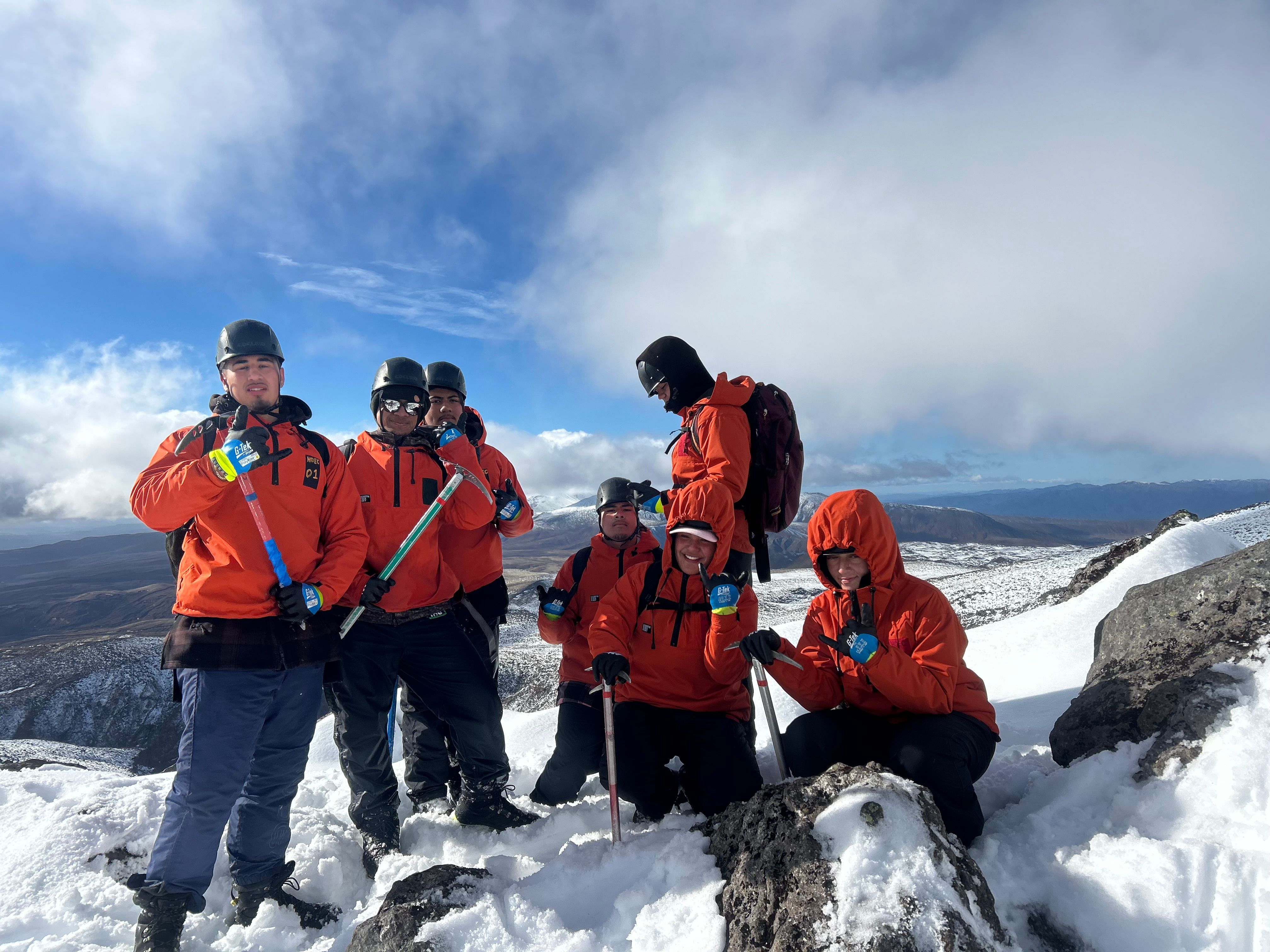
Michael Bureta says students can 'awaken' when learning in an outdoor classroom. Photo/Supplied
Bureta says keeping Outdoor Education in the senior curriculum is a major win.
“It’s a subject that deserves its own space. It’s such a rich subject, a New Zealand topic,” he says.
The new curriculum will be developed with opportunities for teachers, schools and the wider Outdoor Education community to have their say.
But educators say the work does not end with saving the subject.
The next challenge is ensuring students have a clear pathway into Years 12 and 13 while Māori and Pacific knowledge is treated as part of the foundation of Outdoor Education, and not just an afterthought.