Online vault aims to return Pacific research to the community
Aui'a Vaimaila Leatinu'uWed, 21 Oct
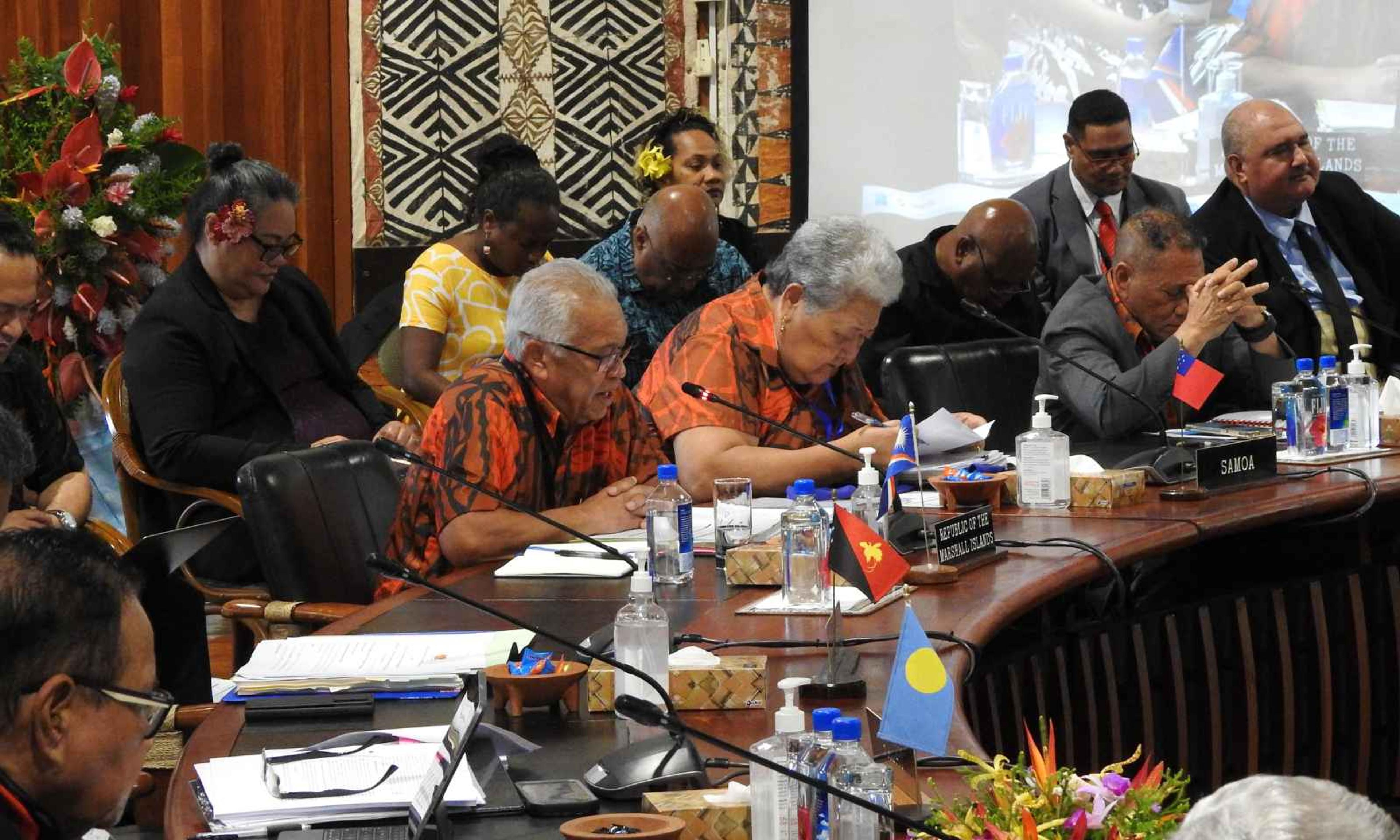
Pacific ministers and officials are meeting in Port Vila this week to discuss rising fuel costs and supply shortages affecting island nations across the region.
Photo/PMN News/Ala Vailala/file
Ministers will gather in Port Vila this week to tackle rising fuel costs and shortages linked to the Iran war while pushing for a faster shift away from fossil fuels.


Pacific leaders meet in Vanuatu this week as a growing fuel crisis puts pressure on island economies already facing high costs and climate threats.
Ministers and senior officials from Pacific Small Island Developing States (PSIDS) are due to gather in Port Vila from 13-15 April for the third Pacific Ministerial Dialogue on the Global Just Transition.
The meeting, known as “Port Vila II”, comes as several countries struggle with fuel shortages and price hikes linked to the Iran war.
The impact is already being felt across the region. Fiji has raised petrol prices by 20 per cent, Tuvalu has sent some government workers home, and the Marshall Islands has declared a 90-day economic emergency.
The talks are expected to focus on how Pacific nations can respond together both to the immediate crisis and to the longer-term challenge of reducing reliance on imported fossil fuels.
The meeting will also help shape a united Pacific position ahead of the First International Conference on Transitioning Away From Fossil Fuels, to be held later this month in Santa Marta, Colombia.
Pacific leaders are considering setting up a regional taskforce to support a proposed global Fossil Fuel Treaty.
Vanuatu’s Minister for Climate Change Adaptation, Ralph Regenvanu, said the crisis highlights a long-standing imbalance.
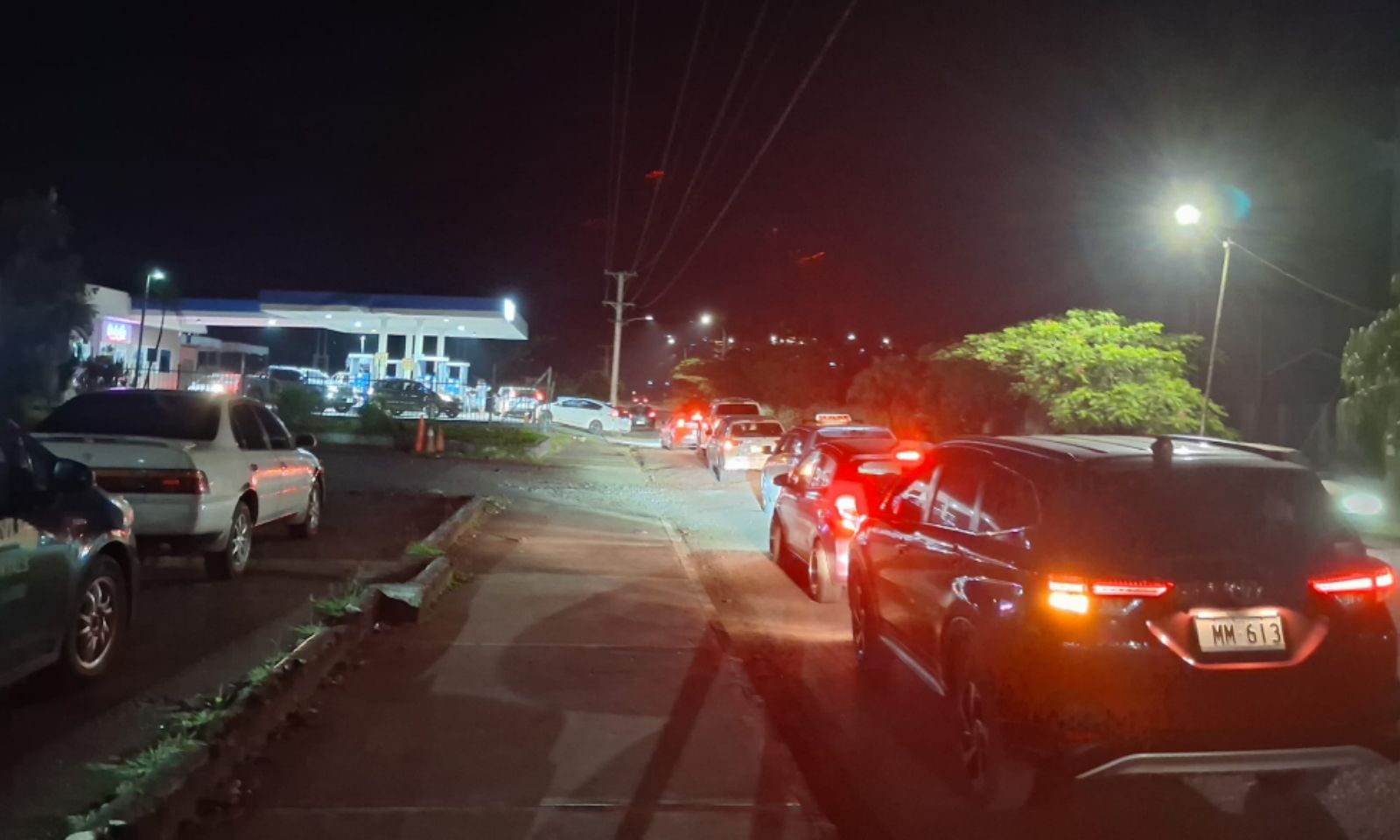
Fiji, Tuvalu, and the Marshall Islands are among the countries feeling the impact of fuel price rises and shortages linked to global conflict. Photo/The Fiji Times/file
“The Pacific did not create the fossil fuel crisis, yet we are paying the highest price for it," Reganvanu said in a media release.
"Our communities are on the frontlines of sea level rise, intensifying cyclones, and the slow erasure of the only homes we have ever known. Port Vila II is about ensuring our voice doesn’t just get heard at Santa Marta.
"It must shape what happens there. It serves as a powerful reminder of what we have achieved and what we can achieve when we stand up for the survival of our people.”
The Fossil Fuel Treaty Initiative says Pacific nations have long warned about the risks of relying on imported fuel, concerns now sharpened by global conflict.
Joseph Sikulu, an advocate for the Fossil Fuel Treaty, says for Pacific Islands, leading on Climate has never been a choice. "It has been a matter of survival for us.
"We are constantly at the forefront pushing for ambition and testing the limits of multilateralism," his statement read.
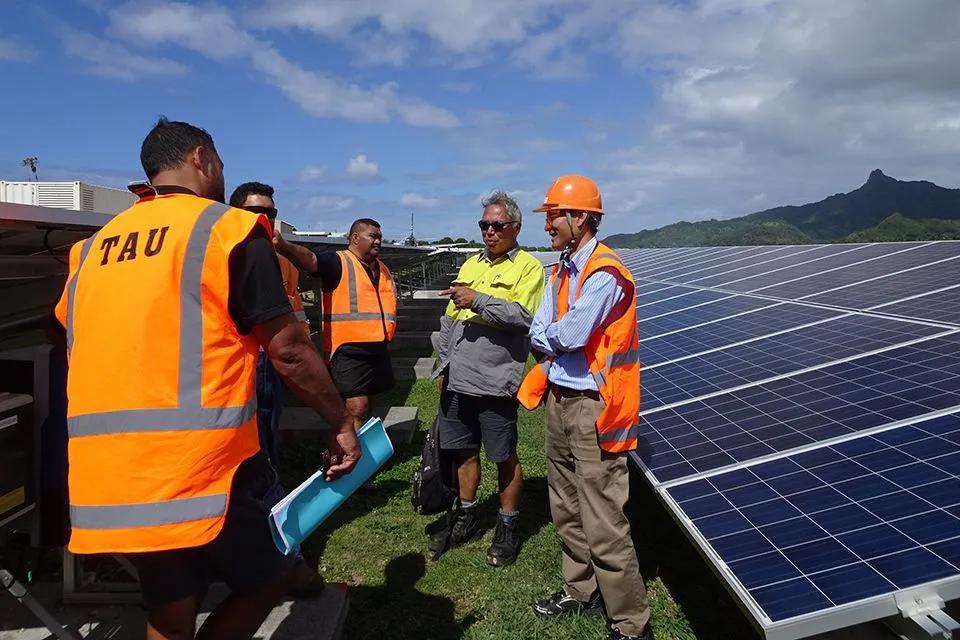
Leaders are also exploring faster action on renewable energy as part of wider efforts to reduce reliance on imported fossil fuels across the Pacific. Photo/Japan govt/file
"We were the first to call for a fossil fuel treaty, knowing we need to try everything we can to bring about the transformation we need.
"Our hope is that we are joined by partners who are ready to take accountability for their actions and help us accelerate the transition away from fossil fuels.
"The Santa Marta Conference is an opportunity for Australia, our big brother nation in the Pacific, to show up for the future of the region and to show us they are ready to lead on climate alongside us,” Sikulu said.
Dr Tzeporah Berman, founder and chair of the Fossil Fuel Treaty Initiative, says the current crisis underlines the urgency of change.
“Pacific Island Nations were the first countries to call for a Fossil Fuel Treaty," he said in a statement.
"Even before the current supply constraints and high price of oil due to the war in Iran these countries have understood the threat dependence on fossil fuels poses to their security and to global climate stability. The current conflict has proven that even more so.
Listen to ChildFund NZ chief Josie Pagani's full interview on the fuel crisis in the region below.
"It is an honour for us to support their leadership as they prepare for the first diplomatic conference on fossil fuel phase out in Santa Marta where they and other countries participating in the development of the Fossil Fuel Treaty will be a crucial voice for international cooperation, high ambition and fair timelines and financial mechanisms to support a fair phase out.”
The Port Vila meeting follows a similar gathering in 2023, held after two powerful cyclones hit Vanuatu in the same week.
Leaders say the stakes are now even higher as economic shocks and climate risks collide across the Pacific.
Countries expected to attend the meeting are Tuvalu (co-leader on fossil fuel treaty push), Fiji, Solomon Islands, Papua New Guinea, Tonga, Sāmoa, Marshall Islands, Kiribati, Nauru, Federated States of Micronesia, and Niue.
Earlier meetings included delegations from regional bodies like the Pacific Islands Forum Secretariat.