Online vault aims to return Pacific research to the community
Aui'a Vaimaila Leatinu'uWed, 21 Oct
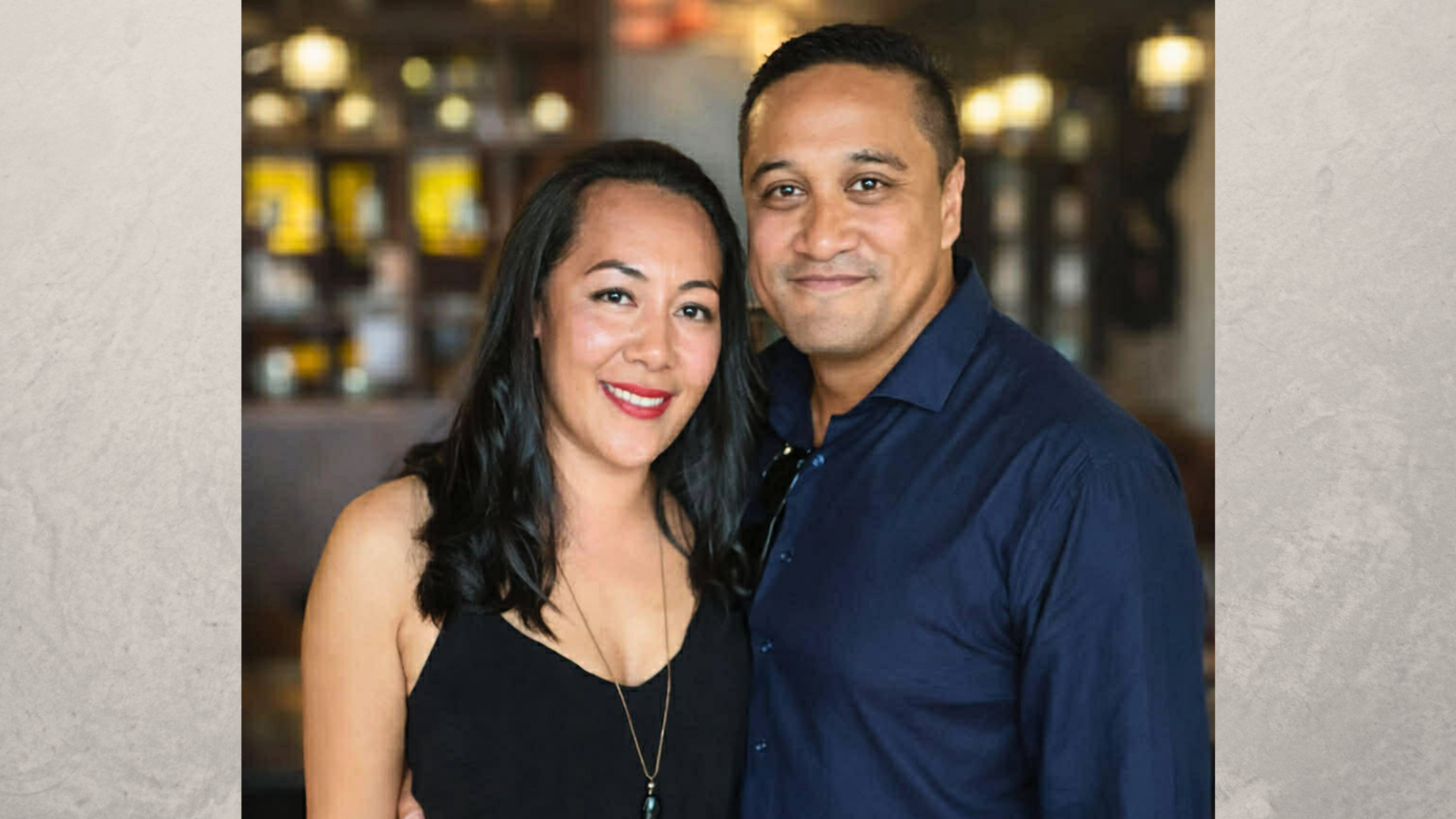
The Halavātaus have called Abu Dhabi home for the last eight years.
Photo/Supplied
A nurse and a teacher living in Abu Dhabi describe hearing explosions and receiving emergency warnings as Iran retaliates after US and Israeli military strikes.


A Tongan family living in Abu Dhabi say they heard explosions and received emergency missile alerts as Iran launched retaliatory strikes across the Gulf after major attacks by the United States and Israel.
Kimi and Faka’osilea Halavātau have lived in the United Arab Emirates since 2018, working as a nurse and a teacher in the international expatriate community.
But their normal life in the capital has been interrupted by distant explosions and urgent alerts telling people to stay inside.
Speaking to PMN Tonga, the couple said the mood in Abu Dhabi has shifted as the Middle East faces a rapidly escalating conflict involving Iran, Israel and the US.
“The mood currently is one of worry and a bit of uncertainty,” Kimi Halavātau said.
“Abu Dhabi is right across the Gulf and is one of the closest targets. Iran said they would attack US bases in the Middle East, and we have a couple here. So yeah, we’ve been experiencing the explosions.”
The recent violence came after the United States and Israel carried out large strikes on Iranian military and government sites. In response, Iran launched missile attacks across the region, aiming at places connected to the US military in the Middle East.
The United Arab Emirates, which hosts several US military installations, has been placed on alert as air defence systems intercept incoming missiles.
For the Halavātau family, the reality of the conflict became clear in a moment.
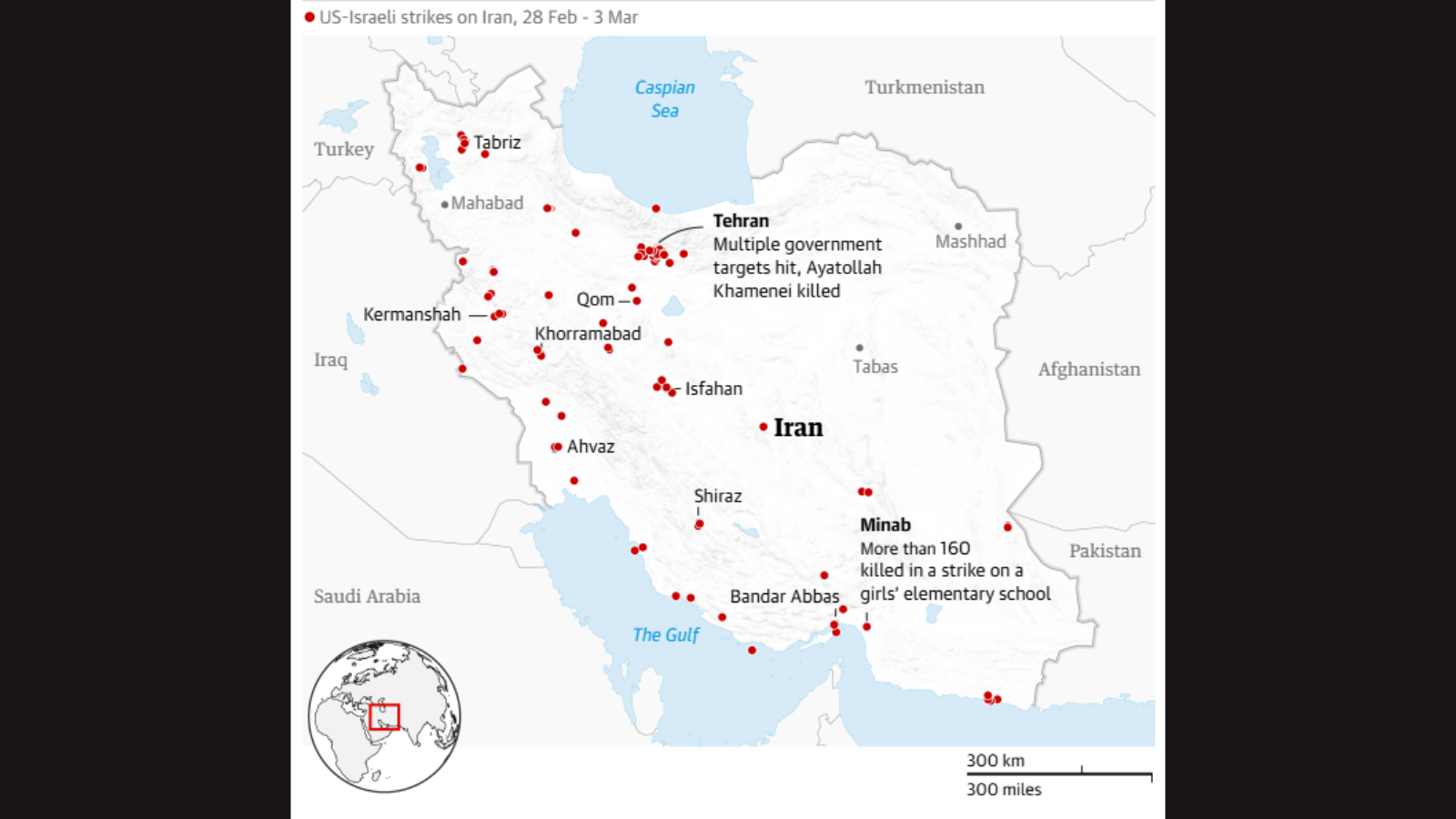
A Guardian graphic of attacks on Iran in the first four days of hostilities. Photo/The Guardian
Faka’osilea, a nurse, said she was at church with one of their children when she saw her husband calling her several times.
“I saw Kim calling on my phone – a few missed calls, actually. He said you have to hurry home, there’s been some kind of explosion going on.”
She said they were about 20 minutes from home when a government emergency alert appeared on their phone, warning people to find shelter.
“Halfway through the drive, the alert came through saying get into a shelter, stay indoors and keep away from windows,” she said.
When they arrived home, the family heard explosions in the distance.
“You can’t really see smoke or anything but behind us... we could see some launches going up. I guess it was one of the military facilities behind us.”
Watch the PMN Tonga interview with the Halavātaus below:
“It was quite frightening because we were still uncertain about what was actually happening,” she said.
Despite the tense situation, the couple said the UAE government has issued frequent emergency alerts and updates to residents.
“The UAE government has been outstanding,” Kimi said. “The amount of contact they have with us, the alerts to get to shelter, get under cover because missiles are coming in.”
Authorities have also helped visitors stuck in the country as flights and airspace in the region are disrupted.
New Zealand officials are also monitoring the deteriorating security situation.
New Zealand’s SafeTravel advisory says the situation across the Middle East remains volatile and warns that military strikes and retaliatory attacks could escalate further. New Zealanders in the region are being urged to closely monitor developments and leave affected areas when it is safe to do so.
Prime Minister Christopher Luxon has also spoken about the conflict, but did not say whether the US and Israeli strikes on Iran were legal.
Luxon said New Zealand does not have enough information yet to decide if the attacks were legal under international law, and the Government will wait for expert advice before making a decision.
He faced criticism earlier this week after saying that “any actions” to stop Iran sponsoring terrorism would be “a good thing”, later clarifying that he had misspoken and meant “action rather than any action”.
For the Halavātau family, being far from home has been one of the hardest parts of this crisis.
“One of the things we miss most about home is family,” Kimi said. “When things like this happen, that’s when you really feel the distance.”
The couple quickly let their relatives in Tonga and New Zealand know they were safe after news of the attacks spread.
“As soon as we had a fair idea of what was going on... we let them know we’re very safe. Don’t worry about us,” Faka’osilea said, adding that social media coverage makes the situation appear worse than what they experience locally.
The family said their Catholic faith has helped them stay calm during the crisis. “It’s Lent time for us Catholics,” she said. “We’re basically walking by faith here and trusting that God is in control.”
For now, the couple say they feel safe in Abu Dhabi but are staying prepared in case the conflict gets worse. “People are saying keep a bag ready just in case we have to leave,” Kimi said.
Despite the uncertainty, the family hopes the situation will stabilise. “This is our eighth year here,” he said. “It’s a beautiful place to live.”
For now, they remain grateful for the support from friends and family across the Pacific.
“You forget sometimes how strong the sense of community back home is,” Kimi said. “And hearing from everyone means a lot.”